Exercise 5.2 Print Quotes.

In this exercise I am asked to put together a quotation and comparison from three companies to get my images professionally printed. To get this done I will need to have a set of criteria to work to. I think that I must look at getting the print completed as big as possible so A3 or A2. I will look at C- Type printing and Giclee printing.

Before I put together the quote I think it would be useful to look at the difference to fully understand what is on offer from the companies I get quotations from.

C-Type printing or Lampda printing is much like a develop analogue print. Photographic paper is exposed to light to create a high quality print. It is almost a darkroom in a digital age. Quality photographic paper goes through the printer and is exposed to light. This light contains the data from a digital file. The source can be either LED or Laser light. After exposure it goes through a typical chemical process to fix the exposure. The paper can be Matte, Gloss or Metallic and the finished print is termed Archival and has a life of up to 40 years. The finished product will be of around 400 dpi.

Giclee printing uses a high quality printing employing 8 to 12 inks sprayed through a print head. This produces a high quality print however it will not be quite as detailed as the C Type print but will be of high quality none the less. The big advantage for Giclee is the number of papers available From Matte, Gloss, Super Gloss, Cotton, Textured and so on. You can combine this to create effects to bring the best out of you images. The finished product will be 300dpi.

Neither is better than the other they produce high quality prints we artists need to think carefully about what we want to say when we show our images. Using the right process can bring the best out of our work.

This first set of quotes is for C Type printing on A3 Matte paper with no mounting and no finishing coat. All prices include VAT. Paper weight is gm2.

CompanyPlacePaper PriceP&P
SpectrumBrightonFuji Crystal Archive Matte£8.88£6.50
The Print SpaceLondonFuji Crystal Archive Matte£9.85£4.35
Digital LabNewcastleFuji Crystal Archive Matte£7.32£6.95
Quotations for C Type Prints.

This quotation is for Giclee prints the size is A3 Matte paper with a weight of around 310gsm. The great thing with Giclee is the number of papers available this allows us to create different effects. For this quote though it makes it a little difficult to create a level playing field. So I used cotton rag as a benchmark to create this level playing field.

CompanyPlacePaperPrice P&P
SpectrumBrightonCotton Rag Matte£12.48£6.50
The Print SpaceLondonCotton Rag Matte£12.96£4.35
Digital LabNewcastlePhoto Rag Matte£34.00£6.95
Quotations for Giclee Prints.

Next we were asked to prepare a print to the specifications the company require to obtain the maximum print quality for one of the companies. I chose Digital Labs to prepare an image for their process. Their website required the following.

  • To get the best results please work in sRGB colour space ( please do not work in CMYK ).
  • Files should be supplied in 8-bit mode. We use Noritsu 3701HD and 3704HD printers and a Chromira printer for large format prints and these will only handle 8-bit files. When working with 16 bit files please change to 8 bit as the last step of your workflow.
  • All prints up to and including 18″x12″ (plus panoramic format prints up to 36″x12″) are printed on our Noritsu machines. Ideally these should be supplied at the required print size at 300ppi.(For good quality we advise at least 200ppi.)
  • All prints larger than 18″x12″ are printed on our Chromira 50 printer and these should be supplied at the required print size at 300 ppi. (For good quality we advise at least 200ppi.)
  • If you require large prints on our Chromira printer you can supply JPG files via our online ordering system or if you prefer to send TIF files please use the WeTransfer channel. When saved at a high quality compression setting (10-12) JPG files are perfectly acceptable in comparison with TIF files.
  • If you do send TIF files for very large prints please flatten your images and do not use LZW compression.
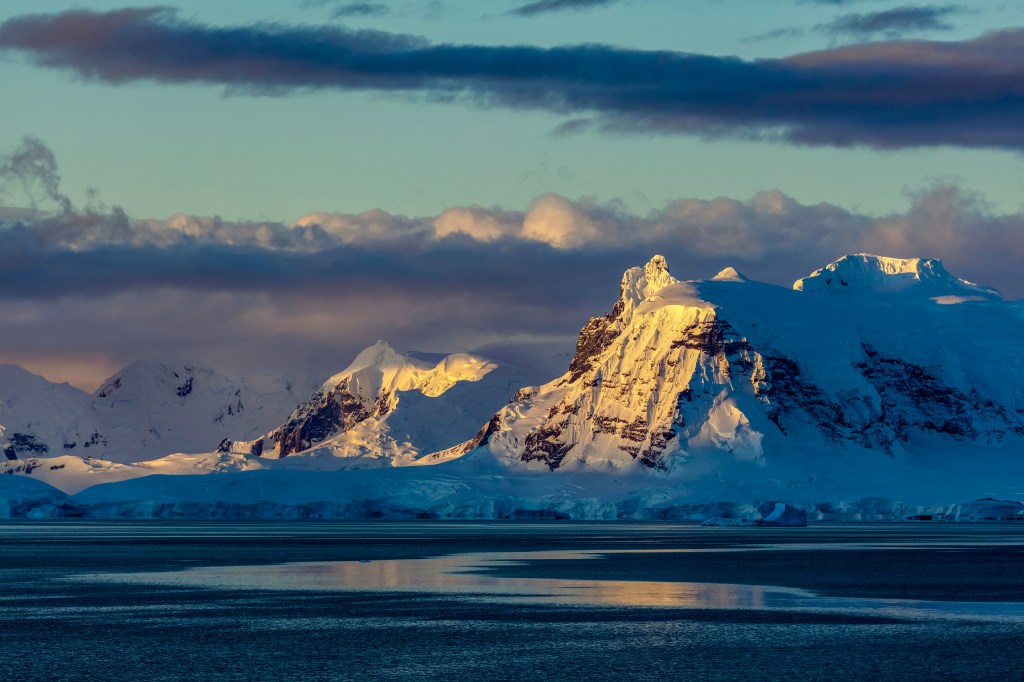
This image meets the criteria set by Digital Labs for Printing by both C Type or Giclee.

In the final part of the exercise I am asked to consider if an inkjet print is a photograph. I thought it would be good to consider the meaning of the word photograph. The word derives from Greek and translates to light drawing. Collins english dictionary (Collins, 2019) gives the definition:

NOUN1. an image of an object, person, scene, etc, in the form of a print or sliderecorded by a camera on photosensitive material Often shortened to: photo

The process of allowing light to fall on a photo sensitive material is within my camera with light passing through a lens onto light sensitive material, the sensor. It is then store and manipulated digitally and finally printed using an inkjet printer at home.

I feel this is most definitely a photographic process which produces an image. What I must decide is how I want my viewer to see the image. Unlike a film camera I can decide to create a chemically produced image or I can use many different papers to create the look I want to get the best from my images.

Some photographic competitions wont allow inkjet prints but these are becoming fewer and fewer. I can understand why the organisers want to see chemically produced images however an inkjet image created with quality ink stands up just as well as a chemically produced image.

Works Cited

Collins. (2019). Collins English Dictionary. London: Collins Publishers.
Exercise 4.6 Proposal for the self directed project.

Below is my proposal for the self directed project. I created this in Pages on my iPad and have saved it as a PDF. Click on the file below to read my proposal offered to my tutor for my coursework.

Project Proposal

Prepared for: OCA Assignment 5

Prepared by: Michael Green 515037

6 March 2020

Proposal number: 2020-001

Objective

The objective of my work is to show people affected by the polar landscape they are experiencing.

What

A series of photographs in which the subject is immersed in the landscape. These photographs will be inspired by David Casper Friedrich’s work “Wanderer above the sea of fog”.

How and why

Through digital photography I will show people immersed in the landscapes of Antarctica. I want to show people who have been affected by the spectacular scenes in front of them. These people will have shown some kind of reaction to the vista, some stand, a lot are forced to sit and contemplate. All will have shown some kind of reaction to the big landscape they are part of, I will have to employ a degree of patience to obtain these images.

Wider Context

I have taken many photographs in this region and most don’t do justice to how the landscape makes you feel. Friedrich wanted to show the sublime in his landscapes, in fact he wanted to display the moment the sublime effects a person. He captured the sublime in “The Sea of ice” and this painting was one of the first to depict a polar scene. It shows an untouched icy landscape so isn’t the same as the work I want to create. Later he employs a “Rückenfigur” a figure shown from behind looking into the scene, I will employ the same method as Friedrich’s to try to show how its splendour makes you feel.

Influences

Friedrich’s has to be the biggest influence on my work. However Ansel Adams, Alfred Stieglitz and Sebastian Salgado all have an influence on it as well. Adams captured images with great detail and gave a feeling of big spaces. Stieglitz showed winter scenes in the city and showed the difficulties of being cold and working in the snow. Salgado captured the landscape and the animals in the landscape of Antarctica. I want to add the element of a person or persons moved by either the landscape and/or animals they are experiencing.

Output

A book of 17 prints 15 of which will be the photos, plus 1 map of locations plus 1 page outlining the work. To complete this work I will need to study Japanese Stab Book Binding. Page layout using Microsoft Publisher or equivalent. Printing techniques with newly acquired printer (these hours are not included in the budget below).

As we are locked down due to CoVid 19 I will show this in either a short time lapse video or perhaps a slideshow. I may consider both one time lapse showing the production process and a slideshow presenting the work.

Budget To produce my photo-book

The cost to produce a single publication for one copy for assessment.

DescriptionQuantityUnit PriceCost
Book binding Equipment1£36.99£‎36.99
Book binding Glue1£6.00£‎6.00
Printing17£0.85£‎14.45
Card for book covers2£0.20£‎   0.40
Time for binding, printing and video creation16£20.00£‎310.00
Total  £367.84

Exercise 4.5 Signifier-Signified.

After reading Barthes Rhetoric of image I had a couple of goes at using his method to look at photographs. I looked at a bill board advert and then just chose a photograph from my own collection. Doing this was enlightening. I look at pictures differently after doing so.

He likes structure so puts what he sees into boxes in a table. It makes looking at images and or text easier to break down. Doing this helped focus my mind on even the initially simple image as shown below.

For this exercise I have chose an image that doesn’t have a photograph at all. I did this as I was interested if the technique would work for a simple piece of typology. I think it does. I chose Coca Cola`s advert “You don’t have to stay between the lines”.

It is a bold image that leaps out of the page and appears very simple at first glance. However when you look it is a sophisticated image with a number of signs and signifiers. The table below shows the ones I saw. Maybe you may see more.

See the source image
SignSignifier
Red and WhiteCompany colours recognised the world over.
Bottle ShapeInstantly recognised even though most product delivered in cans.
Usual Simple lines broken.Implies you can break the rules. Hint at other products available.
Bottle shape made of dashed lines.Subtle hint at lines crossed rules broken edgy and maybe risky.
Hint at choiceMade me think of other options or alternative products in the range.
VignettingFocussed the eye on the product in the center of the image.

Anthropomorphism an introduction.

Definition: noun The attribution of human characteristics or behaviour to a god, animal or object.

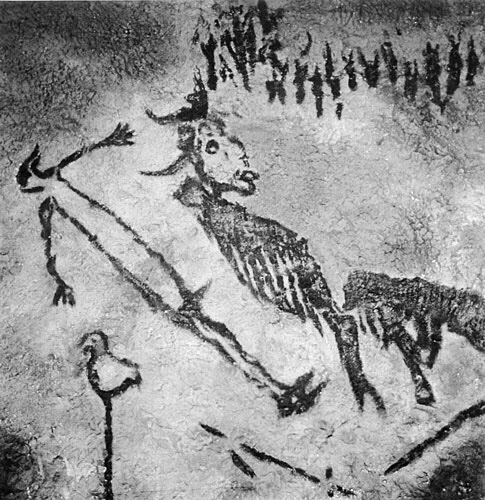
Earliest example I can find is of a god/mystic from a cave in France painted 40,000 years ago. Zeus Apollo and other Greek deities all had human characteristics too. Hindu animal gods all have human traits to enhance their mystic properties.

God or wizard from French cave art.

First recorded use of the word in western culture is 1745-55 for applying human traits to Christian god! Male image at that.

Aesop’s fables all show animals with human personalities and morals.

Literature has many examples mainly in children’s novels. Here are five fron just the last century.

1. 1865 Alice in wonderland Lewis Carroll.

2. 1894 The Jungle book Rudyard Kipling.

3. 1928 The house at Pooh corner A.A. Milne.

4. 1954 Lord of the rings J.R.R. Tolkien.

5. 1972 Watership Down Richard Adams.

All have been made into films mainly by Disney Studios. Most have some animation within them.

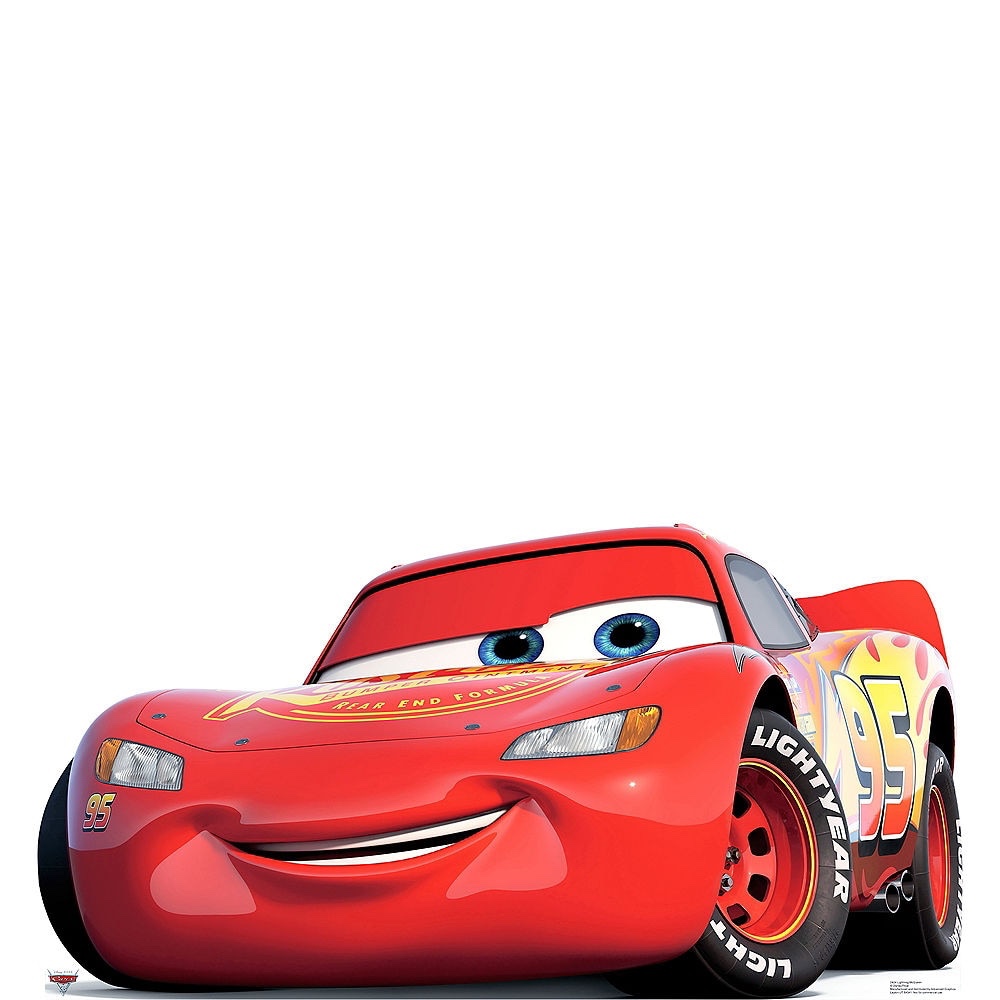
Recent films include Cars, Planes, and Toy Story 1, 2, 3, 4. which move away from showing animals to depicting objects.

Cars Animation of McQueen.

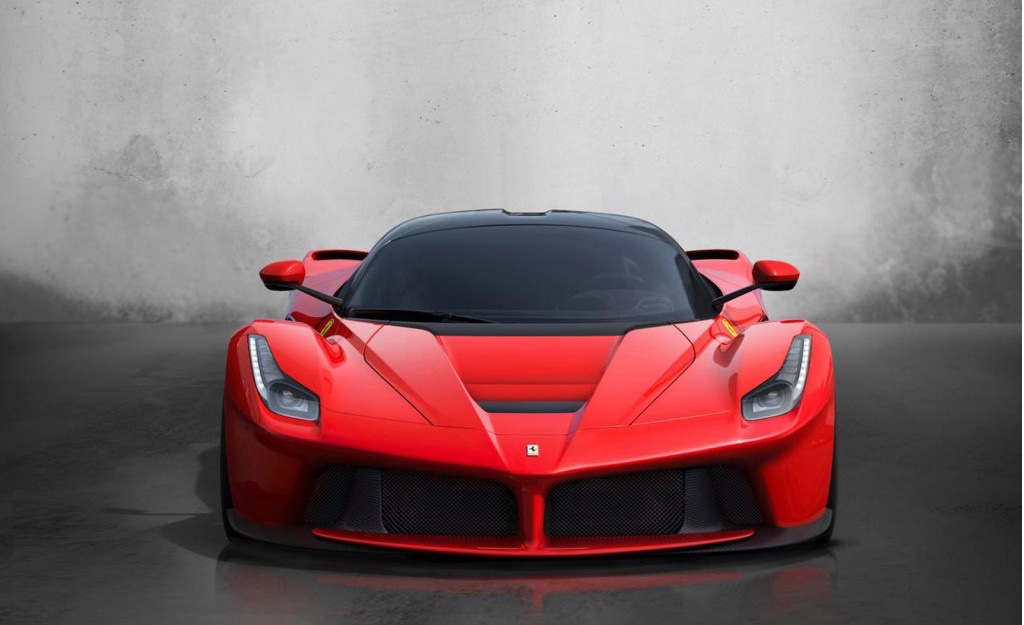
Car design itself is a science of face usage from Smart Car and its friendly face to Ferrari and its angry face. Even the Trabant has a face on its front. Online you can find pages of car face design tips.

Ferrari shows its anger beautifully.

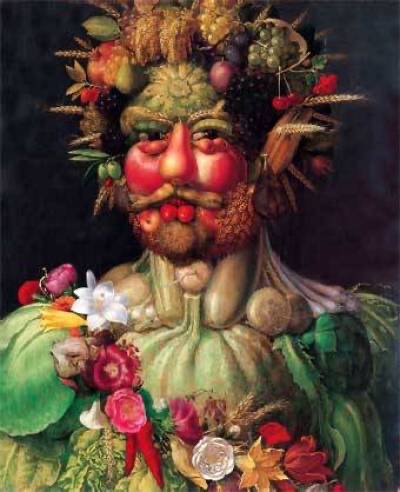
In art Giuseppe Arcimboldo uses inanimate fruit to form portraits the detail is sublime. Vegetables show the form and character of the subject. I wonder what they made of the images?

Giuseppe Arcemodi

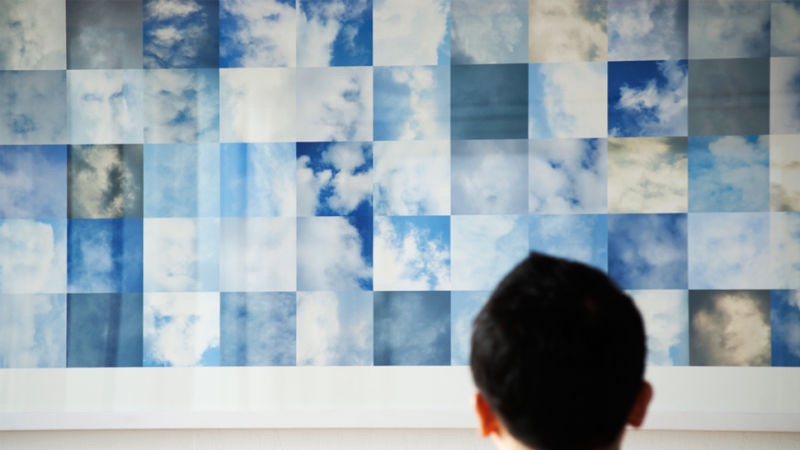
Shinseungback Kimyonghun used face recognition surveillance software to look at the clouds in the sky. From 40,000 captured images 1000 clearly show detailed faces. The images were displayed in Bradford. At first I didn’t see them but when you do it is amazing how much detail you see.

Shinseungback Kimyonghun cloud faces.

As children we do this, playing with our imaginations, we grow out of it! Let’s not, let us use our imagination like a child again, the world would be better for it.

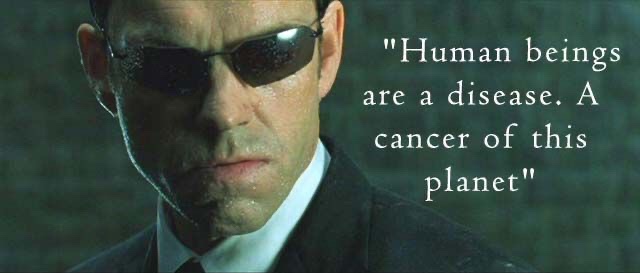
Finally…..for now! Agent Smith says in the Matrix “Humans are a disease Mr Anderson”. He is a Robot displaying feelings so even this pivotal scene in a film displays Anthropomorphism. It is everywhere look for yourself! What can you find?

Film quote from the Matrix by Agent Smith.

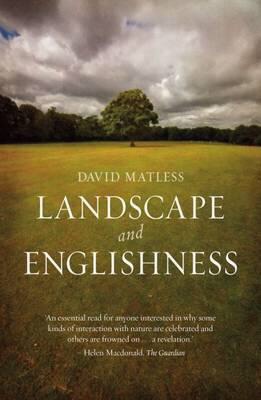
Review of David Matless book “Landcape and Englishness”.

(1)ISBN 978-1-78023-581-3

This book looks at what influences the landscape has had on the English being English in the post war years. The author has drawn from many sources, Art, History, Literature, Town Planning and Architecture to name just a few.

The book has many illustrations to support the written word, these are invaluable in helping the reader understand the visualisation which triggered the thought. An early example is the punch cartoon showing the ideal landscape sold to the soldier against the reality he returned to.

He draws from many sources even the AA road books from the 1950s. He discusses the way roads spread across the land then fill in with workplaces and homes. This made me think of the agent in the matrix movie who states “Humans are a disease, Mr Anderson”. (read about anthromophorcism here…………………………….).

Even the general fitness of the population is covered. Hiking and rambling being an ideal way to gain fitness and explore our landscapes. Related to this is a chapter on diet where the diet of Indians is examined at length comparing the varied diet of the healthy Indian with the poorer diet of Europeans with too much bread and processed food. Nothing changes.

All our landscapes are covered from the rural with Morris dancers and travellers to urban with its sprawl and centres of life.

This book is thought provoking and enlightening, I had never realised how much outside sources had influenced the way I see and use the English landscape. Plus the way that has been turned right around to influence what I will do to protect it.

David Matless has written with an easy to read style, with well informed sections that invite more in-depth research to explore the areas discussed. I am scouring second hand bookstores to find some of his source materials. This is a great book just to sit on a train and read.

Work Cited

(1) David Matless “Landscape and Englishness Reaktion Books London 1998.

Exercise 4.4 “Of Mother nature and Marlboro Men”.

At the beginning of Deborah Brights essay Of “Mother Natre and Marlboro Men” she states that middle America think landscape is generally conceived of as an upbeat and wholesome sort of subject which, like mom and apple pie, stands indisputably beyond politics and ideology and appeals to ‘timeless values.”

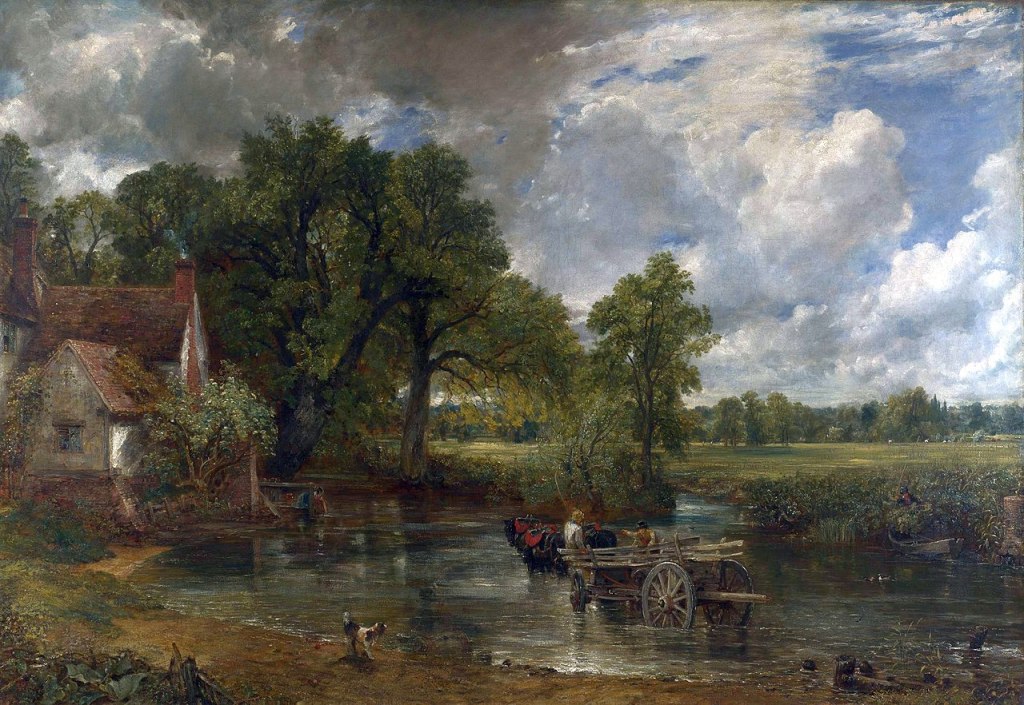
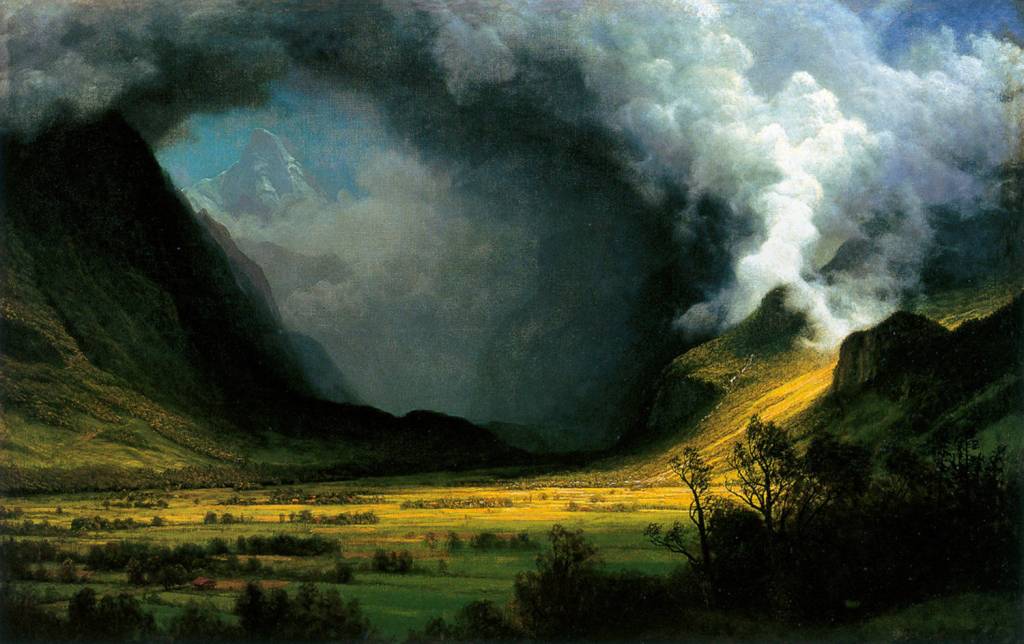
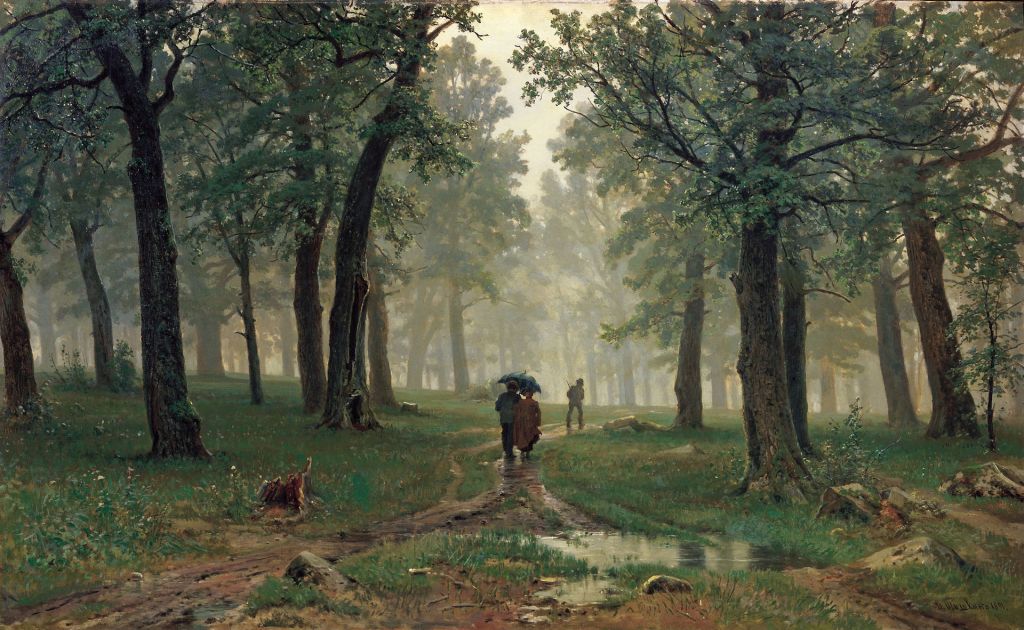
The taxonomic comes from European art history and refers to a painterly practice that gathered pace in the 17th and 18th centuries. They were either fields for noble actions or cultivated gardens inhabited by gods and or heroes.

In Holland new wealth celebrated property ownership. The English art world soon followed suit.

There were four types of landscape painting.

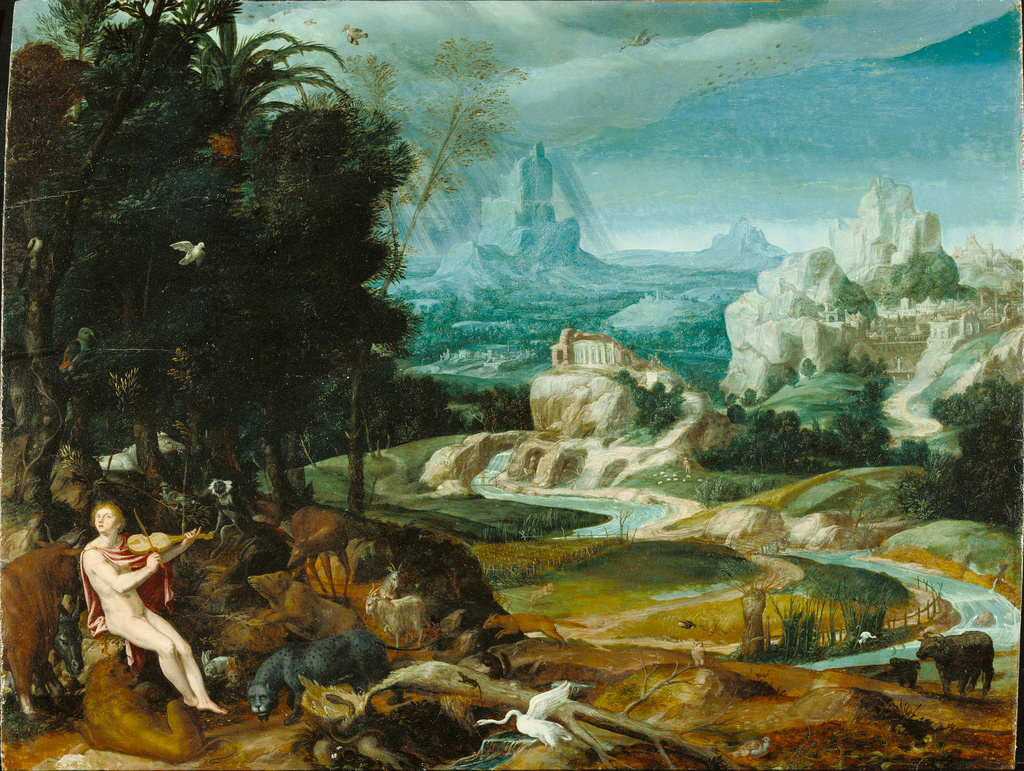
  1. Noble
Landscape with Orpheus (Unknown c1570)

2. Picturesque.

John Constable Haywain 1821

3.Sublime.

Storm in the mountains Albert Bierstadt (1870).

4.Mundane.

Rain in the Oak Grove Ivan Shishkin (1891)

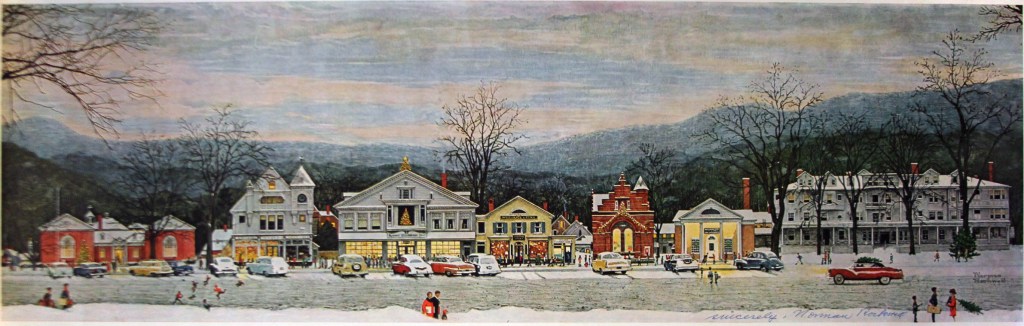
Later in America (6)Norman Rockwell painted a main street showing “small town America”. Middle America the ruling mercantile masses want to show their identity in a national context. LS Lowry did the same in the UK but for the working classes. It excludes minorities only showing “normal”, straight people, excluding many from this idyll. This progressive era shows the antidote is a nature experience over the unhealthy urban life.

Stocksbridge Main Street at Christmas Norman Rockwell (1967 Norman Rockwell Collection)

Wild places began to be seen as god’s gift to the American (White people) to be preserved as a gift for future generations. Kenneth Erikson points out these places are ceremonial with codes of conduct (Park rules).

In 1908 69000 tourists went to worship in the eleven national parks by 1928 this had soared to 3,000,000. They were attracted by Posters, Postcards, Railroad adverts, Magazines and landscape art, not by the wilderness itself. The indigenous people were never shown as part of this landscape if they were they were a conquered novelty.

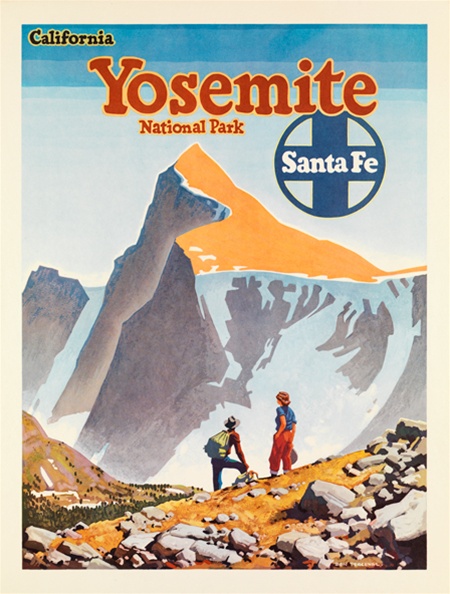
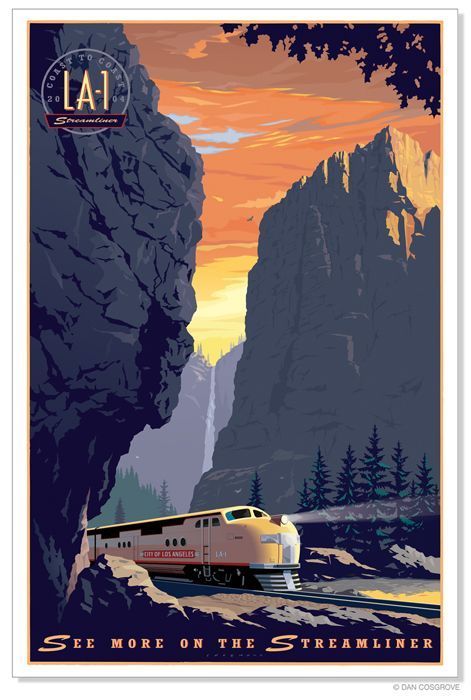
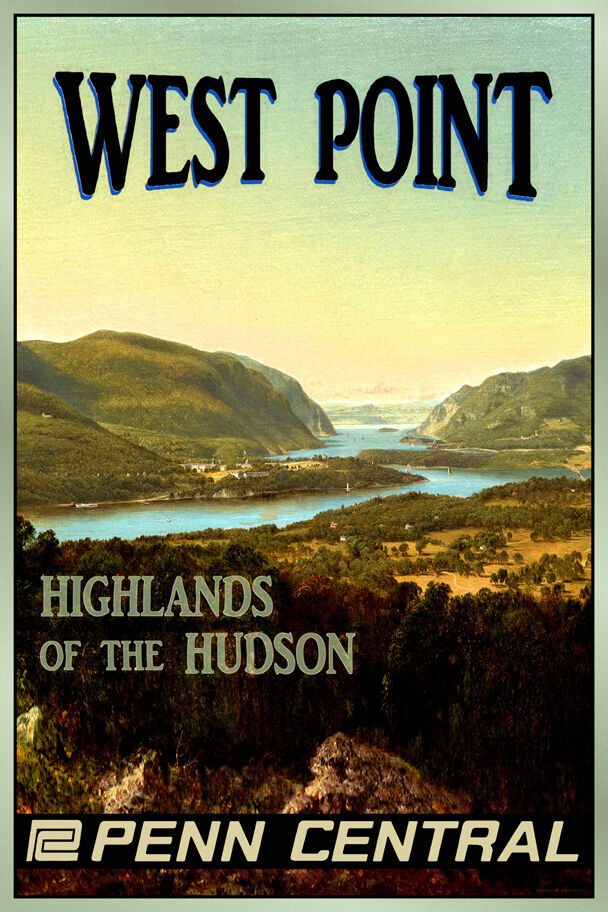
Railroads trumpeted their own individual routes as better than others using lavish posters and claims to do so. The demand for material to support this gave a boom to photography. Huge posters encouraged city dwellers to go out into the country to find the “Real Thing”.

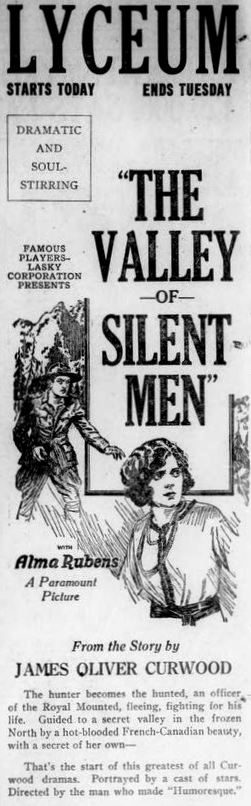
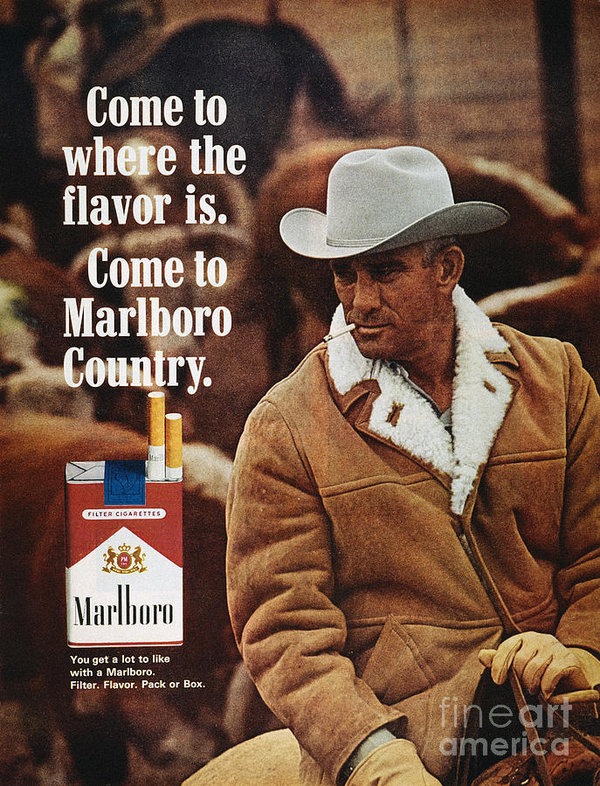
Cowboy movies used the wild landscape as a backdrop to the onscreen action. “A man must be a man just to survive”, read the poster for the film the “valley of the silent men (1922).” This countryside was used to sell things as diverse as cigarettes to presidents.

Newspaper Advert for screening of a film at the Lyceum (1922).

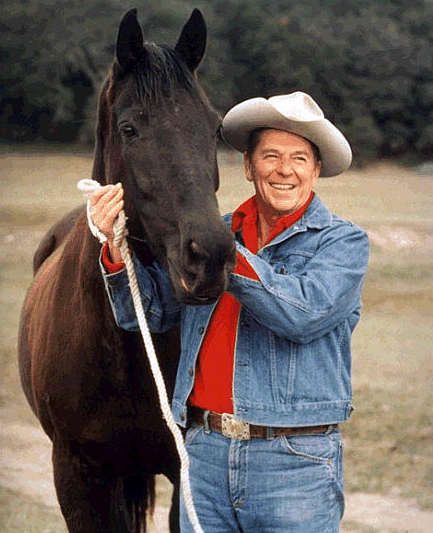
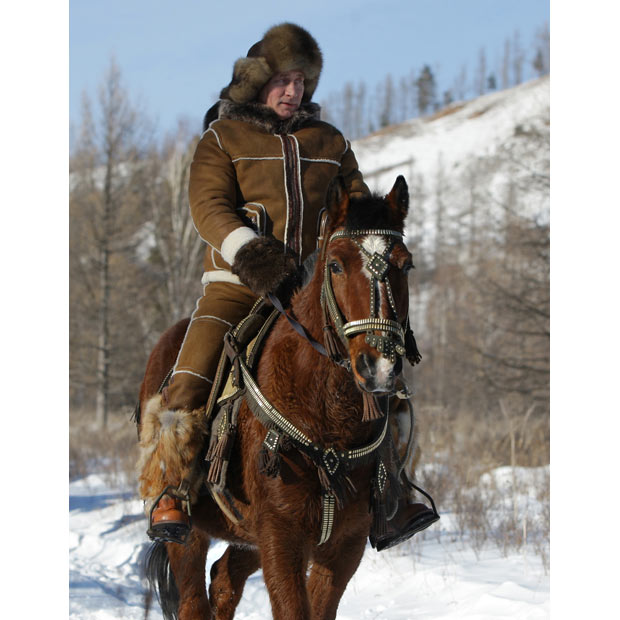
Like Marlboro Men posters used to sell tobacco Ronald Reagan in White Stetson rode horses and chopped wood to show he was a man of the nation. Putin does the same sort of thing in Russia riding horses with his shirt off or in furs in mountains.

Liberal ownership sells too, Camping equipment, Holidays, Walks, Bikes and Boots along with all the other paraphernalia we need to go into the wilderness. Even today you only have to look at Windermere to see city dwellers venturing out in Kagools and boots around the town some venture no further than the towns streets.

US art photography developed from the “straight photography” of Stieglitz and Weston. Ansell Adams took it one level further portraying a primordial Eden. Minor White reviewed Stieglitz work “Equivalence”; he said “a photograph is a metaphor for the feelings of the artist”.

Aperture school was overwhelmed by the curatorship of John Swarkowski. (Here is that name again). He respected the work of Timothy O Sullivan in the civil war. He didn’t show straight images but the feeling in the scene. He curatted “American Landscapes”, in this work he included two women Laura Gilpin and Dorothea Lange even though many more women were practising at the time. He used one image from each woman whilst using four each from Edward Weston and Harry Callahan.

New Topographics tried to capture the feel of a scene. Old tyres, broken concrete, Jet plane contrails and Oil installations. Showing the chaos that underlines the ordinary lives of Americans.

In the 1970s photographers tried to hold the companies back who were exploiting the landscape by destroying their resources. However the big galleries and museums were funded by the same companies that were exploiting the land. Making funding of Art projects difficult to obtain and muting any dissident voice which spoke against them. Landscapes contain resource does the re-landscaping after the resource is taken make taking them right?

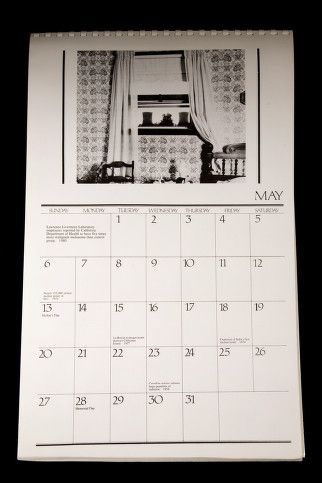
Lucy Lewent Three Mile Island Calendar (1964)

Images showing views “Three Mile Island” nuclear power plant and putting on a well researched calendar is a superb idea photographed by Lisa Lewenz. Selling the calendar for $6 made it available to all and bypassed the major sponsors of art. The voice wasn’t silenced.

The exclusion of women from the art world at this time wasn’t the same sort of prejudice. If we remove the big company sponsorship from art would it remove this censorship of art projects? The work should be on show for being good enough not because of who produced it. After all excellence has no race or gender.

However does running an all female issue of a magazine or competition put these old errors right. I think all the practitioners wanted their photographs accepted because of the merit of the work not because of the exclusion of others.
I chose to review Dorothea Lange’s photograph “Towards Los Angeles” in assignment four not because she is a woman but because it is a superb image.

Work Cited

Bierstadt, Albert. Gathering Storm in the Valley. 1891. Oil on Canvas. Nordsee Museum Husum.

Borzage, Frank. The Valley of the Silent Men. Black and White Cellulose, Western. Paramount Pictures, 1922.

Bright, Deborah. “‘Of Mother Nature and Marlboro Men.’” Accessed September 15, 2020.

Constable, John. The Haywain. 1821. Oil on Canvas, 130.2 cm × 185.4 cm (​51 1⁄4 in × 73 in). Room 34. The National Gallery, London. https://www.nationalgallery.org.uk/paintings/john-constable-the-hay-wain.

Leweng, Lucy. Views of Three Mile Island. 1967. Printed Calendar. Railroad Posters. 1960s. Varous On Magazine and Trains.

Rockwell, Norman. Stockbridge Main Street at Christmas. 1967. Oil on Board, 26½” x 95½”. Norman Rockwell Museum.

Shishkin, Ivan. Rain in the Oak Grove. 1891. Oli on Canvas, 203 x 124 cm (6’ 7.92″ x 4’ .82″). Tretyakov Gallery (Moscow Russian Federation).

Unknown. Landscape with Orpheus. 1570. Oil on Canvas, 35.6×45.7cm. 71.PB.64. John Getty Collection. http://www.getty.edu/art/collection/objects/604/unknown-maker-flemish-16th-century-landscape-with-orpheus-flemish-16th-century-about-1570/.

Excercise 4.3 Subjective voice.

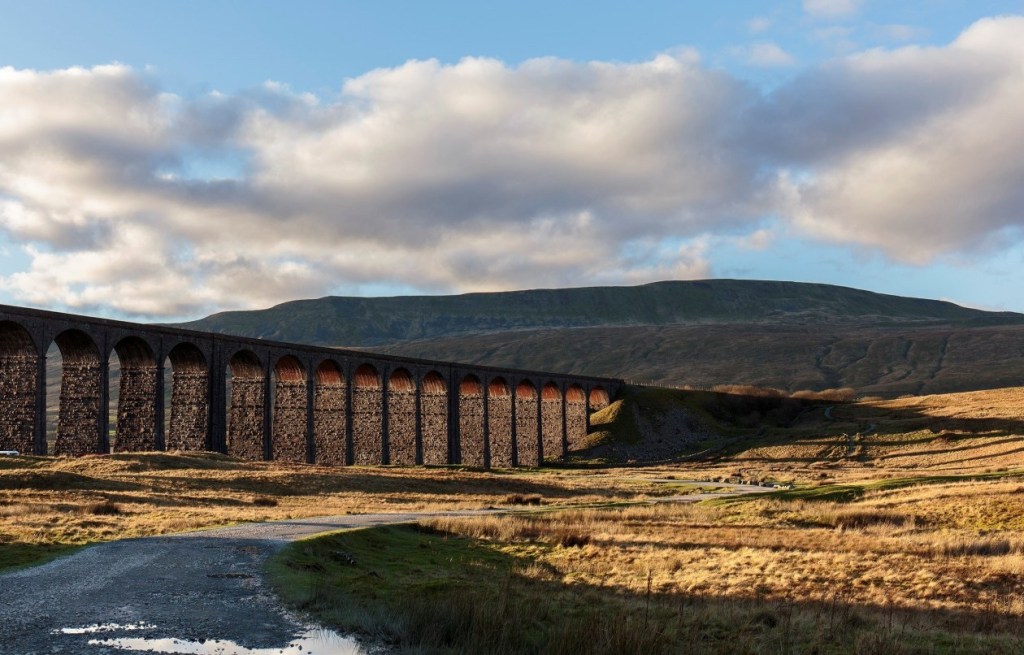
I was introduced to the landscape at the age of about eleven when I completed the Yorkshire Three Peaks walk. These three hills felt like Everest to me at this time.

Whernside.

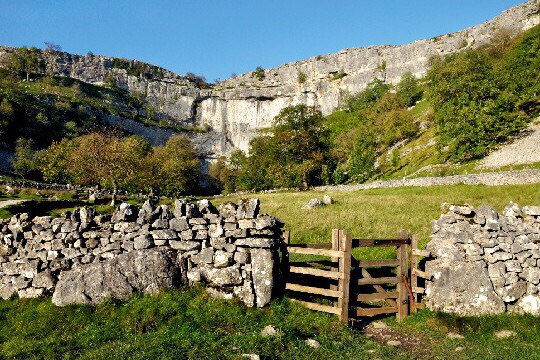
I went on to complete Duke of Edinburgh Bronze and Silver and had to complete proper hikes in both these awards. Navigating from Malham to Threshfield was a great introduction to using a compass.

Malham

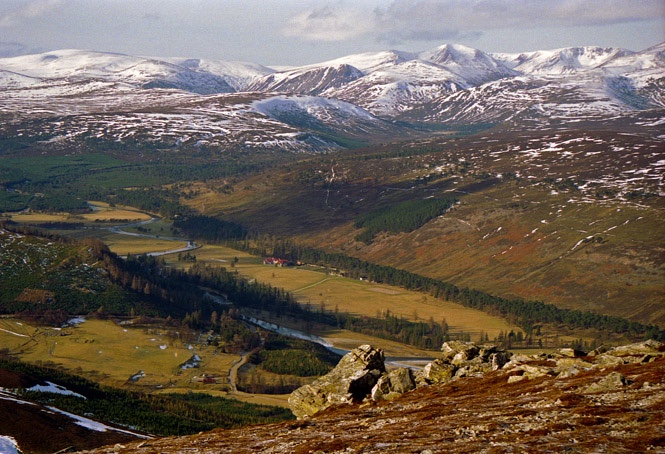
At Eighteen I joined the Navy and took part in the Ten Tor’s in Devon another real test. Then on to Four days survival training in the Brecon Beacons. Living from and with nature was a real test. I learnt so much about the landscape and myself through all of these experiences.

The Cairngorms
The Brecon Beacons

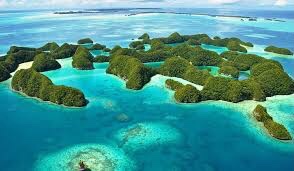
After leaving the navy I continued my diving and travelled all over the world pursuing diving. From the mountains of Scotland to the Rock Islands of Palau and countless landscapes and seascapes between I have seen some of this planets wonders. Note I say some.

Rock Islands Palau

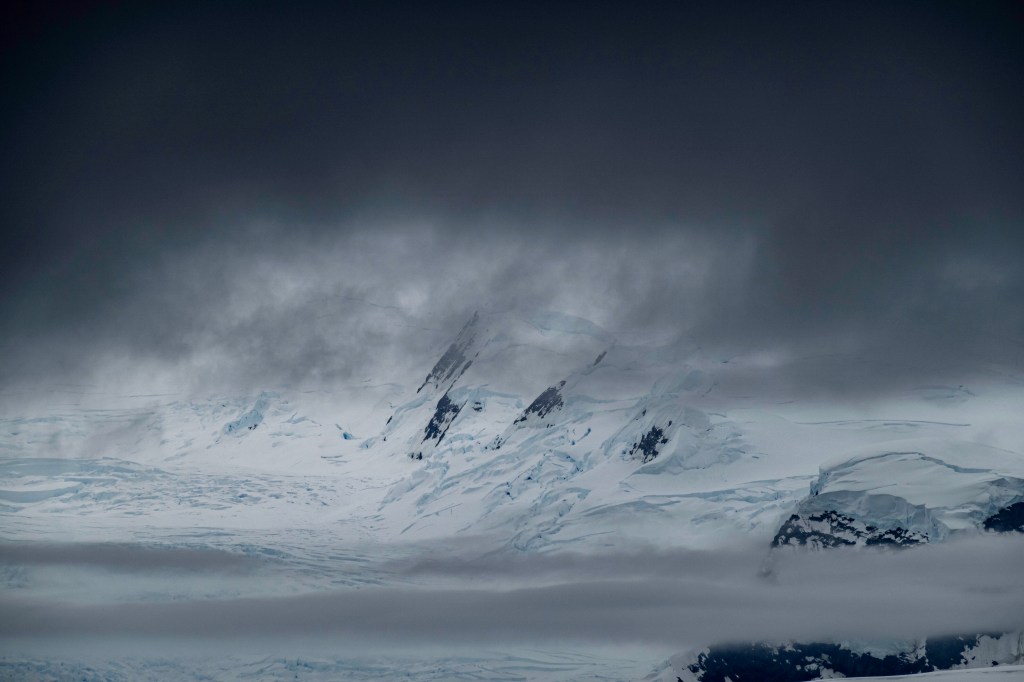
Recently I have been in Antarctica and the Arctic this takes me to the last wildernesses on our planet. These places have had a huge effect on my life, they are huge but oh so fragile.

Antarctica

I am no eco warrior but try to live my life to the best standards I can. Mending things rather than buying new. I walk to the shops instead of driving the car. I try to minimise the waste I produce to protect our fragile world.

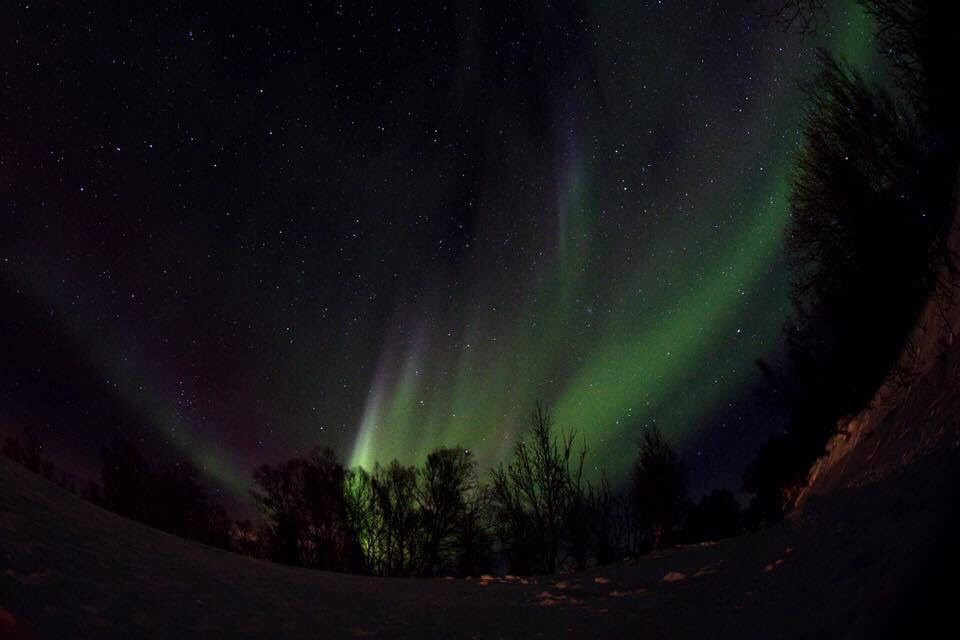
Northern lights.

Some of my best experiences have been sitting up, in my sleeping bag looking at a cloudless night sky. And watching the Northern lights in Norway and Greenland.

I am fascinated by the animals in these places but don’t want be a scientist. I just enjoy knowing they are out there.

The people I have met can teach us so much from the man in the jungle who knows which plant treats what, to the Micronesian sailors who use sticks to navigate the vast Pacific Ocean. I hate when good meaning westerners want to introduce air conditioning, Coca Cola and the internet they don’t need it……..in my opinion.

Exercise 4.2 Landscape for everyone.

Landscape was a route to levels of emotion which were acceptable without being too nationalistic. These words sum up for me how we are in England fiercely proud without wanting to offend.

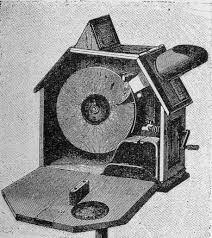
The Mutoscope imagined to look down on England’s history.

CFG Masteman wrote “looking down on England” in which he looks at landscape from the medieval jungle through the renaissance to the black blots of the industrial revolution. He uses a clever vehicle “the Mutoscope” for looking down on the landscape to see the changes in historic periods like a sped up film.

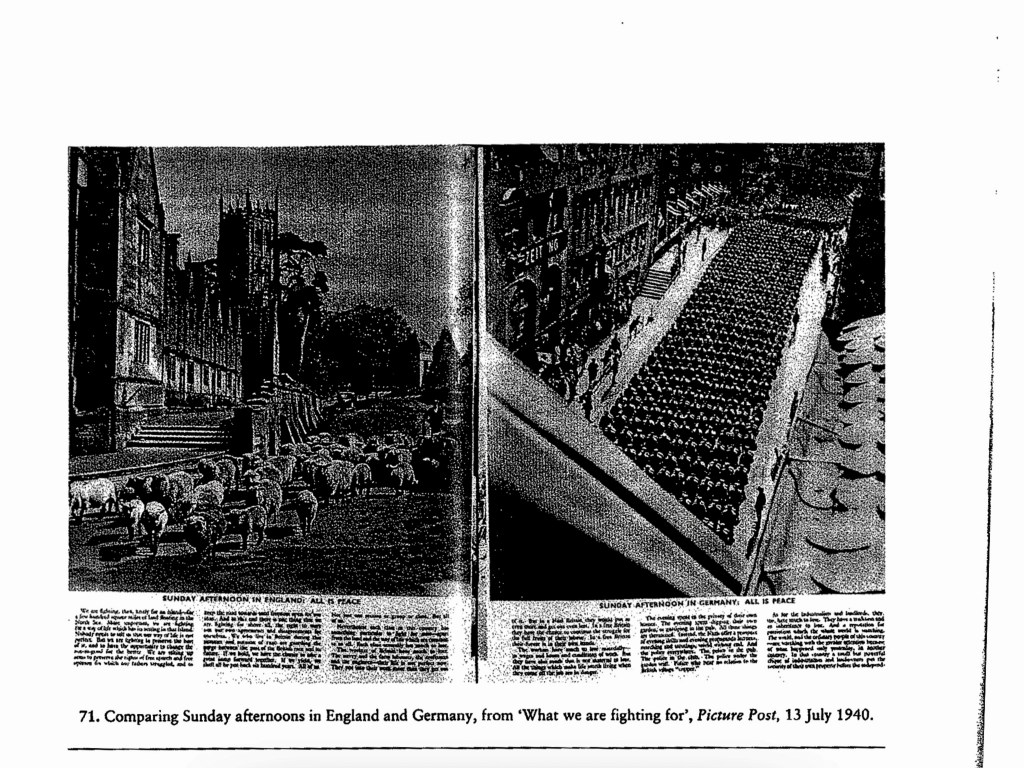
In 1940 the threat of invasion came from across the North Sea and Germany.

“Unconquered for a thousand years” is a phrase I find interesting as Germany talked about the Reich lasting a thousand years. We looked back they looked forward.

Patriotic propaganda talked about community in the village led by the Squire bringing people close to the past and nature. The inhabitants removed signposts and addresses from the scene to aid confusion to the enemy.

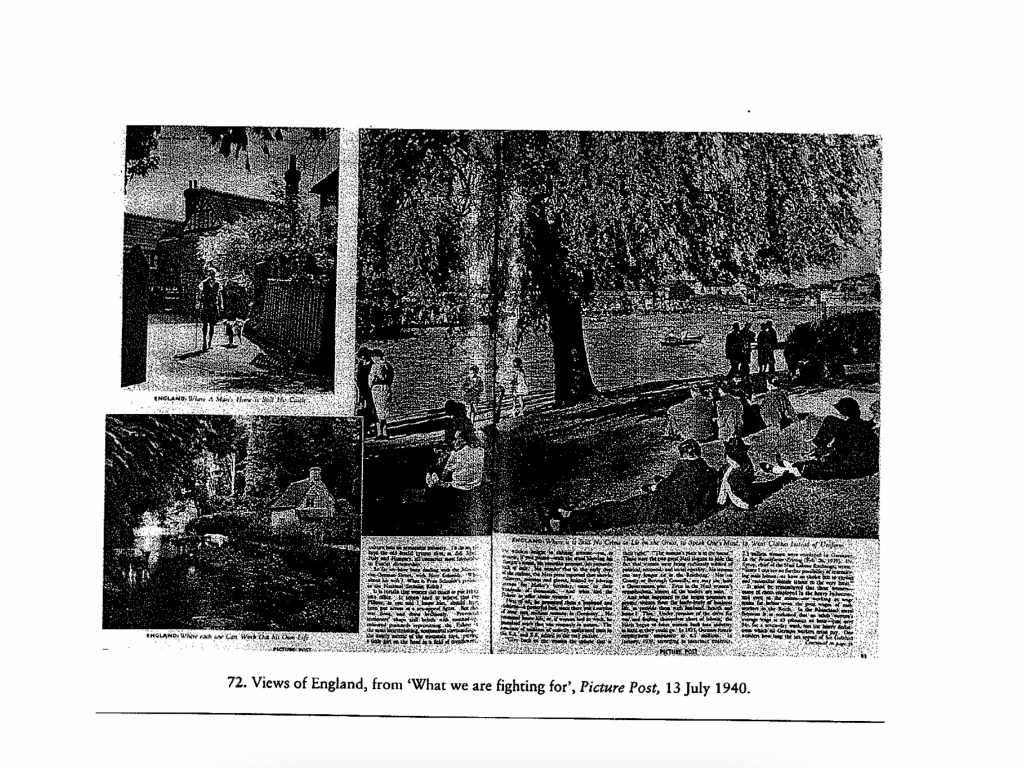
What are we fighting for.

The landscape became travelled through rather than enjoyed. Publishers such as the Pilgrim Library published books showing the idyll of previous landscape to remind people what they were were fighting for.

Picture Post juxtaposed photos showing a boy playing cricket in one then a young German boy in Hitler Youth uniform. Democracy against Militarianism. Another shows a half timbered cottage with the caption “England: Where a mans home becomes his castle”, all hint at what is being fought for.

What are we fighting for?

Civilians being bombed were shown with upturned faces showing their bravery and hinting at a brighter future once the turmoil had been endured.

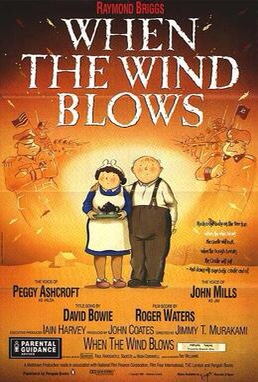
Completing this made me think of the illustrated book by Raymond Briggs called “When the wind blows”. The same emotions were used to show how a nuclear attack would effect our grandparents who were from a simpler time. This made me want to absolutely defend them.

Promotional poster for the animation of the book.

Excercise 2.1 Territorial Photography

After reading Joel Snyder essay (Landscape and Power, 2002) Territorial photography we are asked to review two photographs of our choice from two of the mentioned photographers.

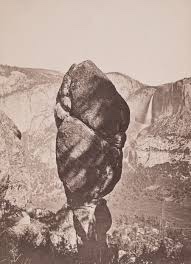
Agazzis rock with Yosemite Falls. Carleton Watkins 1851.

Carleton Watkins (Watkins, 1851)” Agassis Falls with Yosemite Falls” ,is an albumen Print on glass. It is high quality. The composition is obviously influenced by Watkins experience as a painter. The main subject, the rock is shadowed but shown with fine detail. The whole picture is sharp.

Thinking about Snyder, discussion of him taking photos to show that the wildernesses was being tamed whilst remaining untouched. You see this with the waterfall and the rock. However if you really look you can see roads, buildings and people.

It could be a high quality advert enticing you to go see. What you don’t see are the indigenous people, they are gone.

William H Jackson Old Faithful. 1871

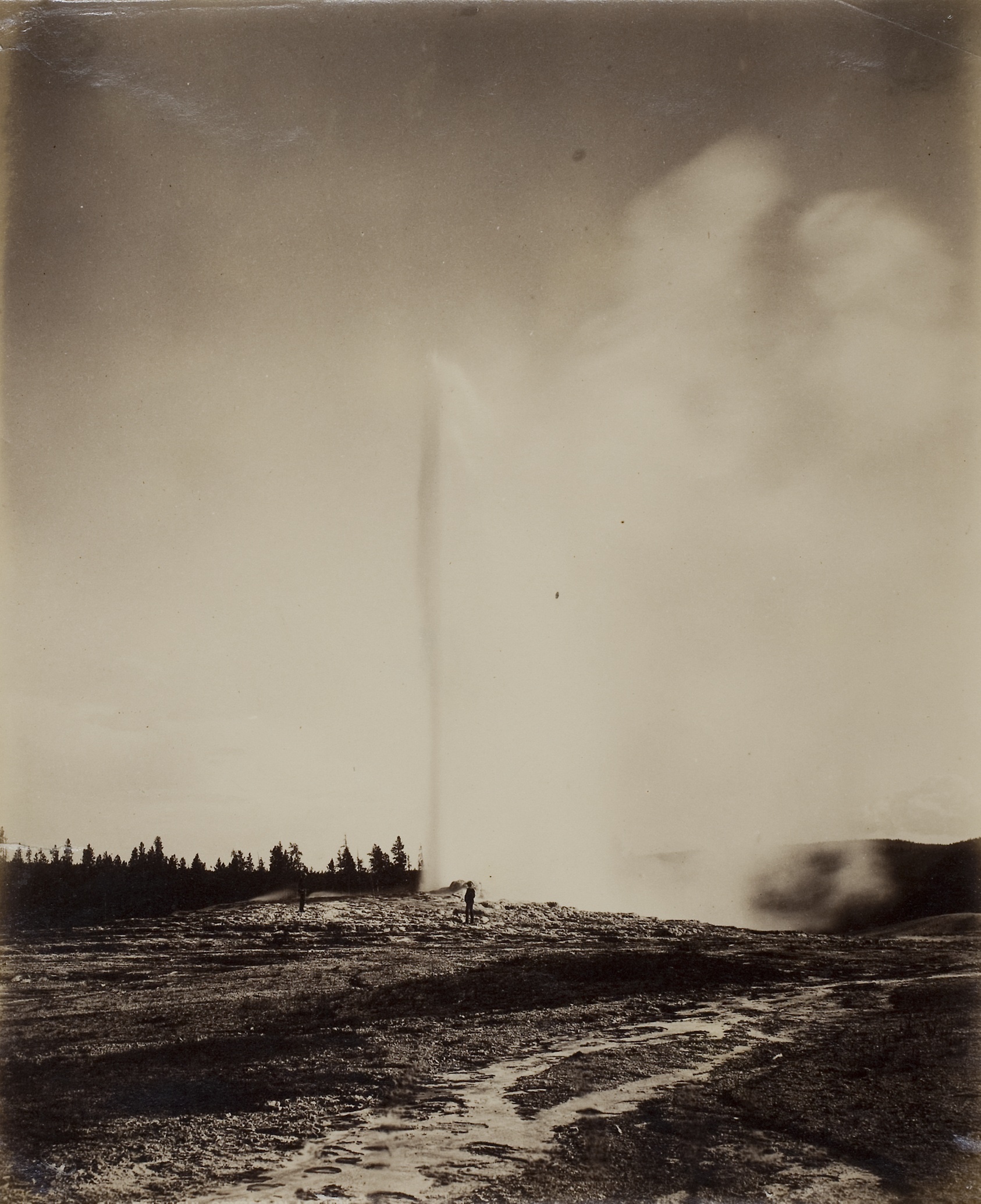
William H Jackson, “Old Faithful” a huge Albumen Print 21cm x 17.5cm on paper. It is a high quality Print with good tone although some of the black tones are too dark. Jackson spent his time on surveys scientifically recording the central area of the USA. This photo was taken on Ferdinand Hayden’s Geographical Survey. It shows Old Faithful geyser erupting. steam blowing away from the main column of steam. He can’t resist though placing an assistant in Perl in front of the geyser. This adds scale and maybe is a reaction t being told his photos could not be used to provide measurements.

Neither Snyder nor Jackson were particularly celebrated at the time but are recognised as important practitioners now. They took similar photographs however they were for different purposes. Watkins showed the wildnerness being tamed and being used by the white man. Jackson wanted to show an untamed wilderness there to be explored and discovered.

I think I fall into the latter category.

References

Snyder, Joel. Territorial Photography. 2nd ed. Vol. Landscape and Power. University of Chicago Press, 2002.

Watkins, Carlton. Agazzis Rock with Yosemite Falls. 1871. Albumen Print from large glass plate. John Getty Collection.

William H Jackson. Old Faitful. 1871. Albumen Print from large glass plate. Art institute of Chicago.