At the beginning of Deborah Brights essay Of “Mother Natre and Marlboro Men” she states that middle America think landscape is generally conceived of as an upbeat and wholesome sort of subject which, like mom and apple pie, stands indisputably beyond politics and ideology and appeals to ‘timeless values.”
The taxonomic comes from European art history and refers to a painterly practice that gathered pace in the 17th and 18th centuries. They were either fields for noble actions or cultivated gardens inhabited by gods and or heroes.
In Holland new wealth celebrated property ownership. The English art world soon followed suit.
There were four types of landscape painting.
- Noble
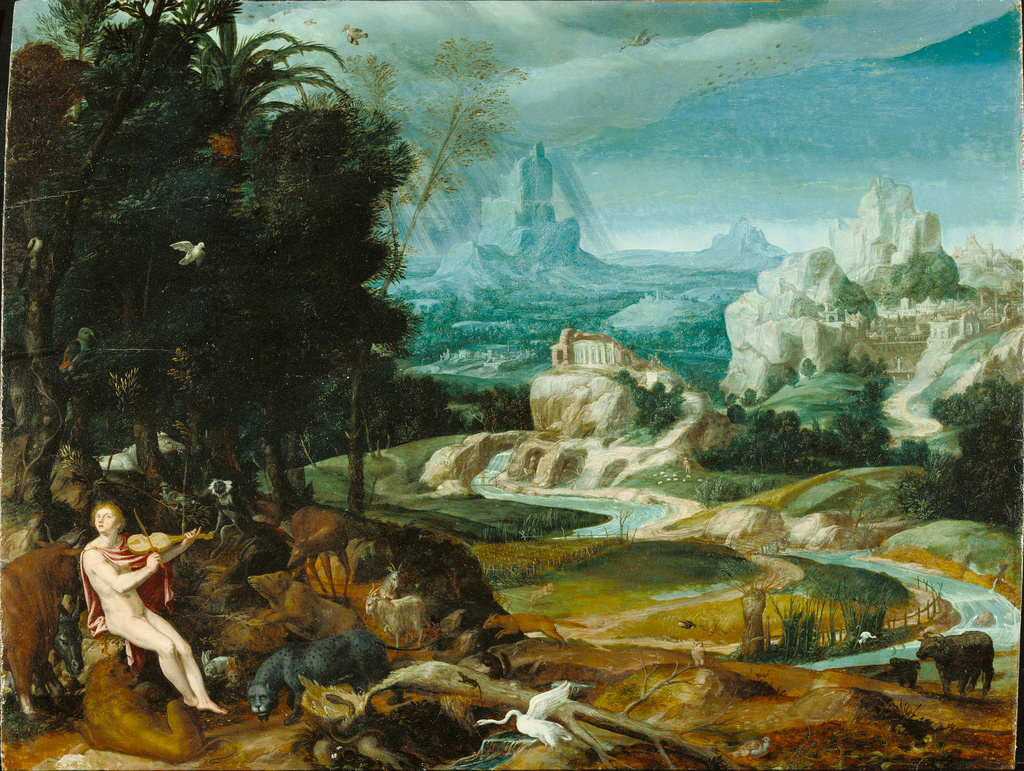
2. Picturesque.
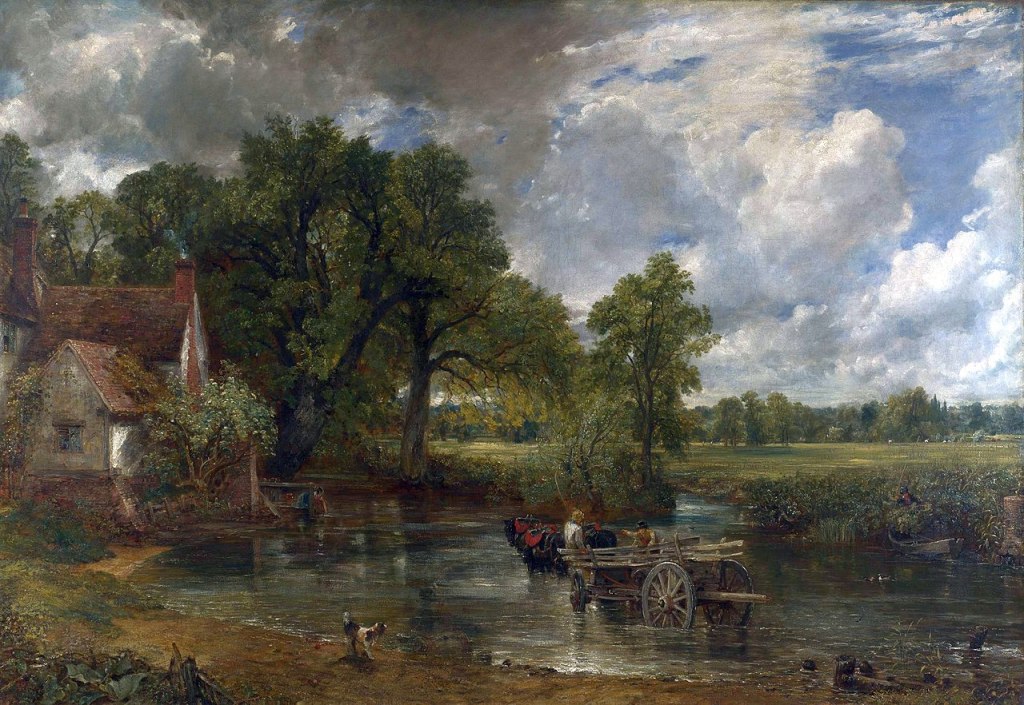
3.Sublime.
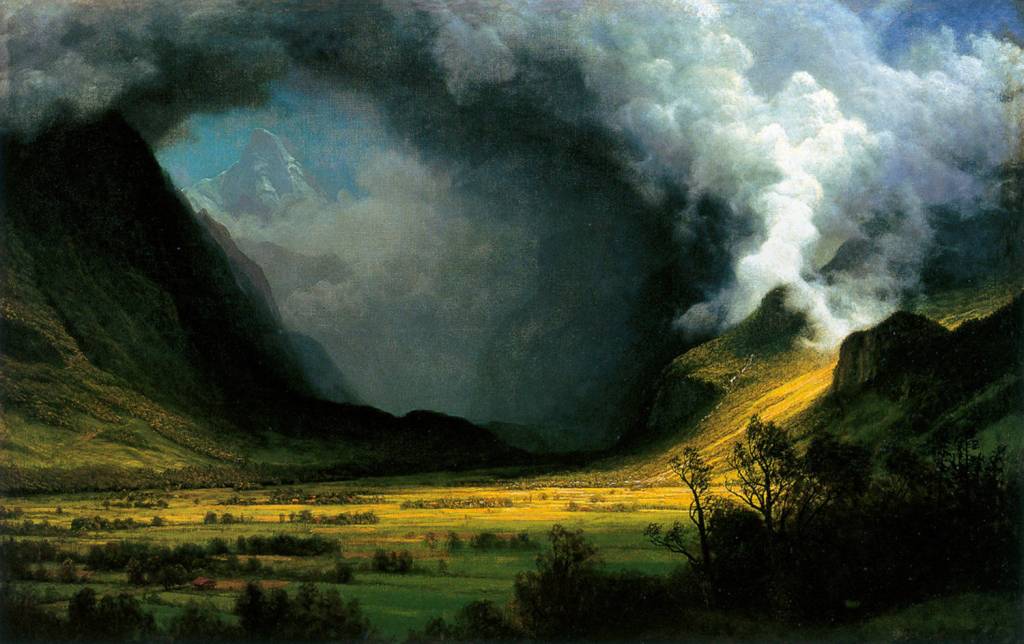
4.Mundane.
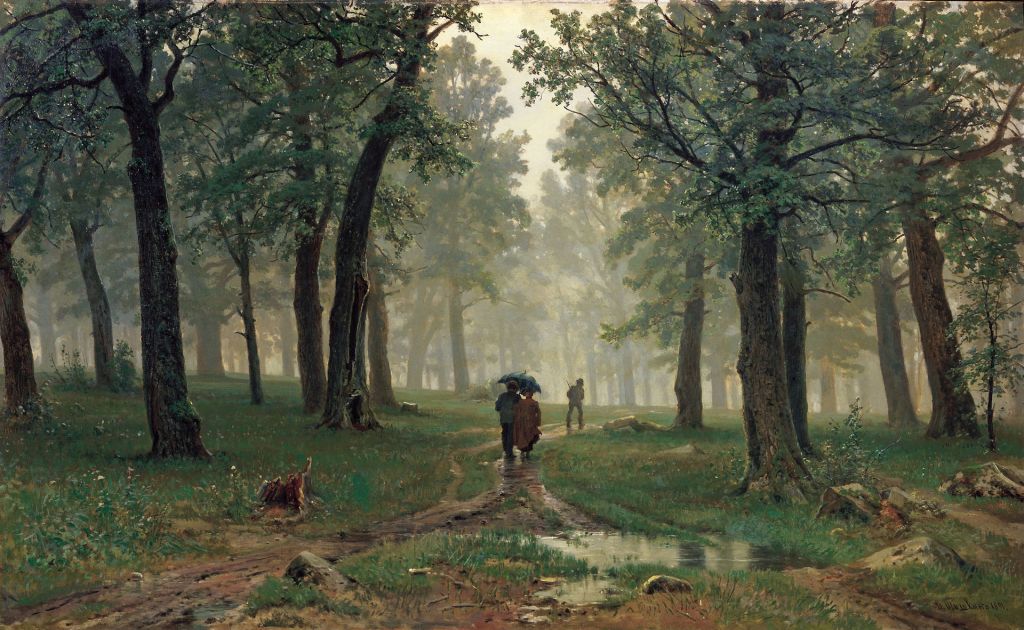
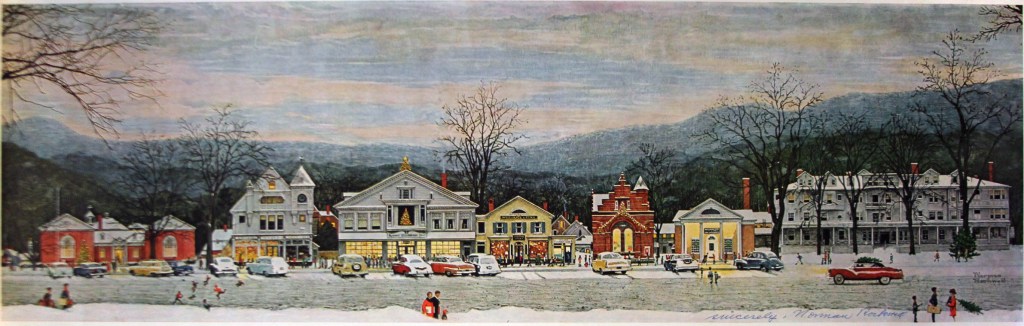
Later in America (6)Norman Rockwell painted a main street showing “small town America”. Middle America the ruling mercantile masses want to show their identity in a national context. LS Lowry did the same in the UK but for the working classes. It excludes minorities only showing “normal”, straight people, excluding many from this idyll. This progressive era shows the antidote is a nature experience over the unhealthy urban life.
Wild places began to be seen as god’s gift to the American (White people) to be preserved as a gift for future generations. Kenneth Erikson points out these places are ceremonial with codes of conduct (Park rules).
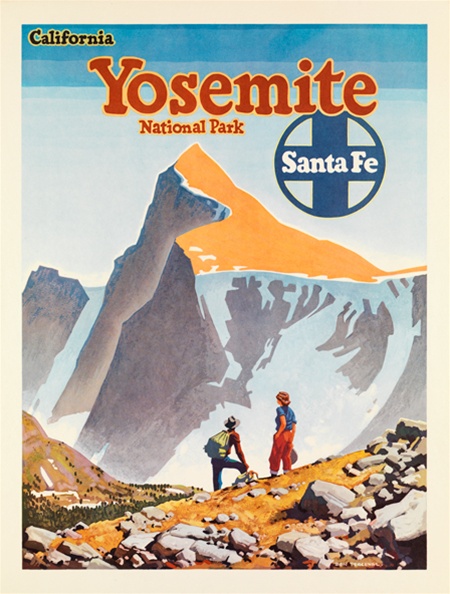
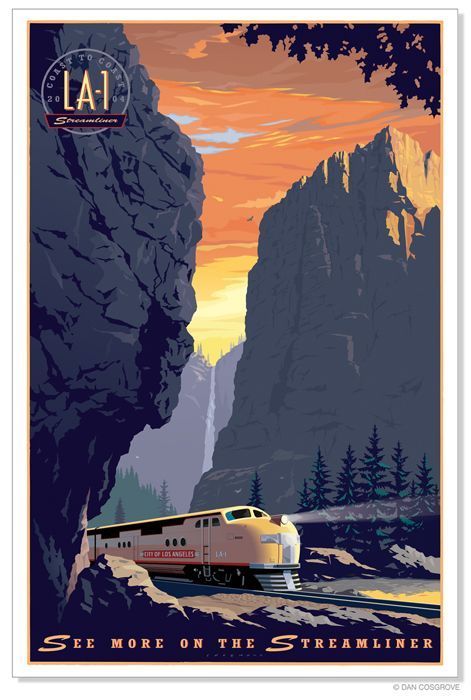
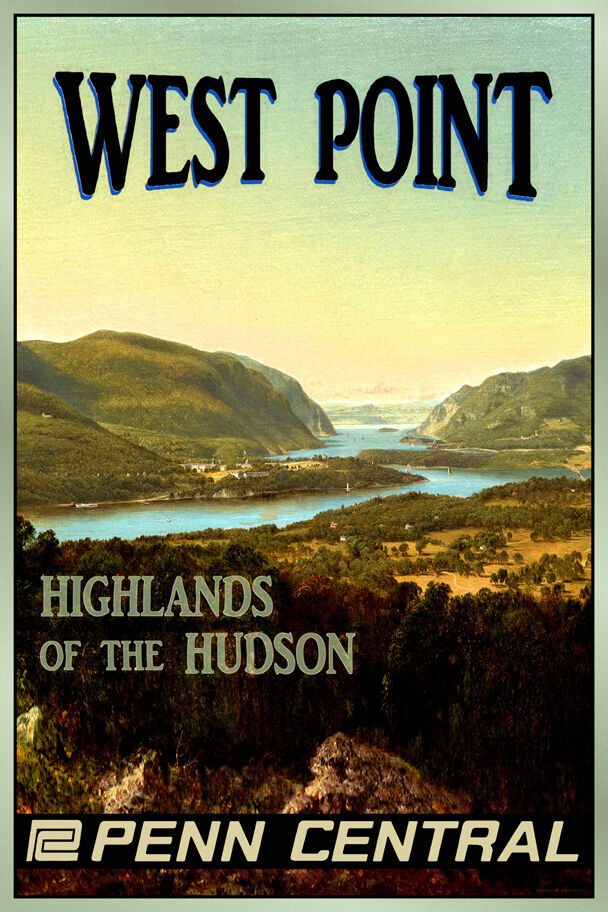
In 1908 69000 tourists went to worship in the eleven national parks by 1928 this had soared to 3,000,000. They were attracted by Posters, Postcards, Railroad adverts, Magazines and landscape art, not by the wilderness itself. The indigenous people were never shown as part of this landscape if they were they were a conquered novelty.
Railroads trumpeted their own individual routes as better than others using lavish posters and claims to do so. The demand for material to support this gave a boom to photography. Huge posters encouraged city dwellers to go out into the country to find the “Real Thing”.
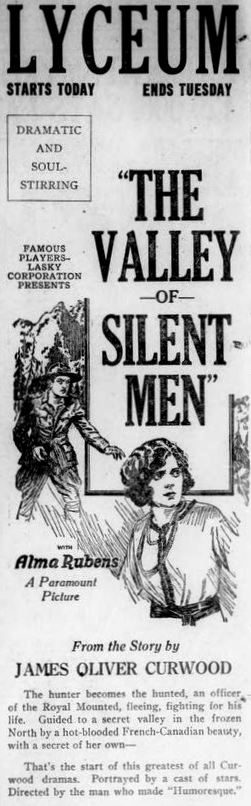
Cowboy movies used the wild landscape as a backdrop to the onscreen action. “A man must be a man just to survive”, read the poster for the film the “valley of the silent men (1922).” This countryside was used to sell things as diverse as cigarettes to presidents.
Like Marlboro Men posters used to sell tobacco Ronald Reagan in White Stetson rode horses and chopped wood to show he was a man of the nation. Putin does the same sort of thing in Russia riding horses with his shirt off or in furs in mountains.
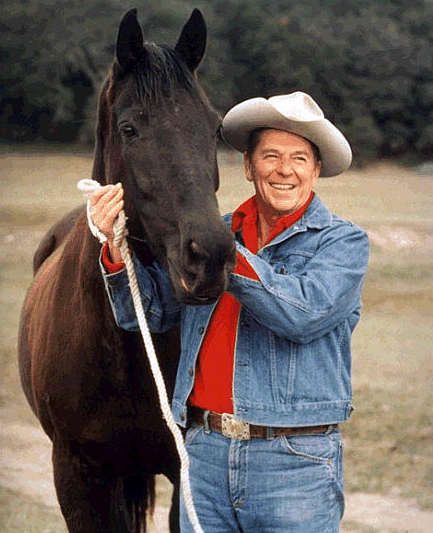
Ronald Reagan 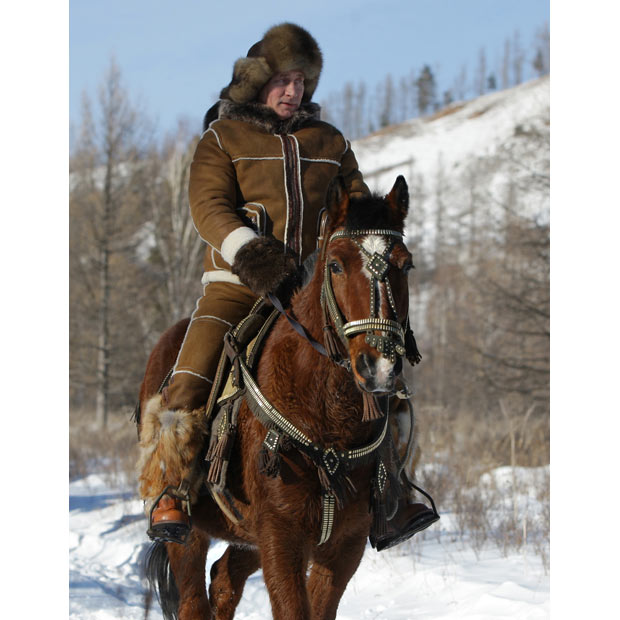
President Putin 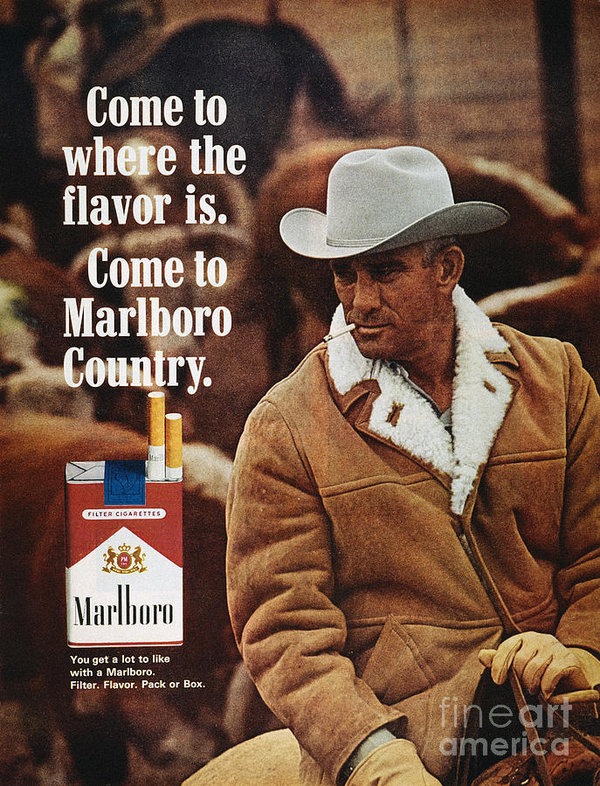
Marlboro Advert
Liberal ownership sells too, Camping equipment, Holidays, Walks, Bikes and Boots along with all the other paraphernalia we need to go into the wilderness. Even today you only have to look at Windermere to see city dwellers venturing out in Kagools and boots around the town some venture no further than the towns streets.
US art photography developed from the “straight photography” of Stieglitz and Weston. Ansell Adams took it one level further portraying a primordial Eden. Minor White reviewed Stieglitz work “Equivalence”; he said “a photograph is a metaphor for the feelings of the artist”.
Aperture school was overwhelmed by the curatorship of John Swarkowski. (Here is that name again). He respected the work of Timothy O Sullivan in the civil war. He didn’t show straight images but the feeling in the scene. He curatted “American Landscapes”, in this work he included two women Laura Gilpin and Dorothea Lange even though many more women were practising at the time. He used one image from each woman whilst using four each from Edward Weston and Harry Callahan.
New Topographics tried to capture the feel of a scene. Old tyres, broken concrete, Jet plane contrails and Oil installations. Showing the chaos that underlines the ordinary lives of Americans.
In the 1970s photographers tried to hold the companies back who were exploiting the landscape by destroying their resources. However the big galleries and museums were funded by the same companies that were exploiting the land. Making funding of Art projects difficult to obtain and muting any dissident voice which spoke against them. Landscapes contain resource does the re-landscaping after the resource is taken make taking them right?
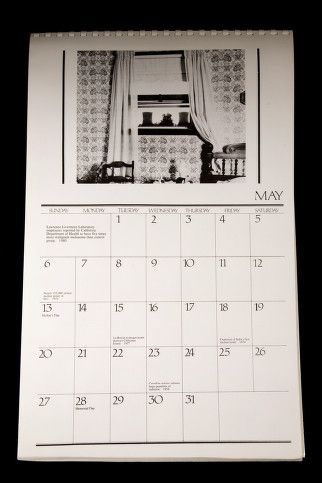
Images showing views “Three Mile Island” nuclear power plant and putting on a well researched calendar is a superb idea photographed by Lisa Lewenz. Selling the calendar for $6 made it available to all and bypassed the major sponsors of art. The voice wasn’t silenced.
The exclusion of women from the art world at this time wasn’t the same sort of prejudice. If we remove the big company sponsorship from art would it remove this censorship of art projects? The work should be on show for being good enough not because of who produced it. After all excellence has no race or gender.
However does running an all female issue of a magazine or competition put these old errors right. I think all the practitioners wanted their photographs accepted because of the merit of the work not because of the exclusion of others.
I chose to review Dorothea Lange’s photograph “Towards Los Angeles” in assignment four not because she is a woman but because it is a superb image.
Work Cited
Bierstadt, Albert. Gathering Storm in the Valley. 1891. Oil on Canvas. Nordsee Museum Husum.
Borzage, Frank. The Valley of the Silent Men. Black and White Cellulose, Western. Paramount Pictures, 1922.
Bright, Deborah. “‘Of Mother Nature and Marlboro Men.’” Accessed September 15, 2020.
Constable, John. The Haywain. 1821. Oil on Canvas, 130.2 cm × 185.4 cm (51 1⁄4 in × 73 in). Room 34. The National Gallery, London. https://www.nationalgallery.org.uk/paintings/john-constable-the-hay-wain.
Leweng, Lucy. Views of Three Mile Island. 1967. Printed Calendar. Railroad Posters. 1960s. Varous On Magazine and Trains.
Rockwell, Norman. Stockbridge Main Street at Christmas. 1967. Oil on Board, 26½” x 95½”. Norman Rockwell Museum.
Shishkin, Ivan. Rain in the Oak Grove. 1891. Oli on Canvas, 203 x 124 cm (6’ 7.92″ x 4’ .82″). Tretyakov Gallery (Moscow Russian Federation).
Unknown. Landscape with Orpheus. 1570. Oil on Canvas, 35.6×45.7cm. 71.PB.64. John Getty Collection. http://www.getty.edu/art/collection/objects/604/unknown-maker-flemish-16th-century-landscape-with-orpheus-flemish-16th-century-about-1570/.
 Michael Green Landscape Studies