Rework Assignment 6 Transitions.

Having read the feedback from my tutor I made the following changes to my work for Assignment 6.

You can find the feedback here.

https://michaelgreenlevel2landscapeblog.photo.blog/2020/09/03/feedback-on-assignment-6-transitions/

First I added a short describing why I decided on Shop Lane and what kind of a dynamic system it is. I considered removing the headlines but felt the work would lose its message. I therefore changed how they are presented from seperate slides to including the headlines on the slide with colours that blend in to the shot.

I had copied the links to the pages whilst editing the pages on WordPress which meant that when clicked the link took you to the edit page. So I spent some time checking all links take you to the intended destination.

Then I re-read Cite me (2005) and went back to my work simplifying my citations so as to ensure they don’t make reading the piece complicated. I also read online how to set up footnotes and have had a practise. I will use this shortly to see how it aids my work.

I have begun reading Greider, T and Garkovich, L (1994) Landscapes: The Social Construction of Nature and the Environment. Rural Sociology, 59, 1-24  It is interesting to read about what we are looking at when we look at a landscape.

I Looked at the book Yosemite in time book which was written by Rebecca Solnitt and the photographs taken by Mark Klett and  Byron Wolf. In the book the colour photos have been superimposed with the old images of Adams, Weston and Muybridge they are accompanied by Solnitts words the images reminded me of the photos I took and imposed press images on in the Falklands, (See them here).

https://michaelgreenlevel2landscapeblog.photo.blog/2019/12/24/exercise-3-6-the-memory-of-a-photograph/

I am awaiting Raymond Williams book “the country and the city” (2011) to arrive from Amazon I have watched the video and it is another comparison between town and country over 200 years fascinating. Another way to look at things in the urban and rural areas of our nation to then compare them.

Next we discussed getting ready for assessment, it seems we now write about our learning’s measured against the objectives. This seems fair to me we will see.

Work Cited

Pears, Richard. Cite Them Rite. 6th ed. Pear Tree Books, 2005

Greider, T and Garkovich, L (1994) Landscapes: The Social Construction of Nature and the Environment. Rural Sociology, 59, 1-24 

        Solnitt, Rebecca, Byron Wolfe, and Mark Klett. Yosemite in Time. 1st ed. Vol. 1. 1 vols. Trinity University Press, n.d. https://www.klettandwolfe.com/2009/10/yosemite-in-time.html.

        Williams, Raymond. Country and the City. 3rd ed. London: Chatto and Windus & Spokesman Books, 1973.
Tutor feedback for Assignment 4 Towards Los Angeles by Dorothea Lange.

Below is the feedback I recieved from my tutor in regard to my critical review for Assignment 4. Since my feedback I have signed up and completed work with the Royal Literary Fund. This has started my journey towards mastering the skill of writing in an academic way.

I have begun to read Umberto Eco “How to write a thesis” and have read “Cite them rite”.

I have also completed an online course in Japanese Stab Binding and have ordered the materials and the tools to make a photobook with the control over the whole process.

Response to Feedback for Assignment 1. Look UP!

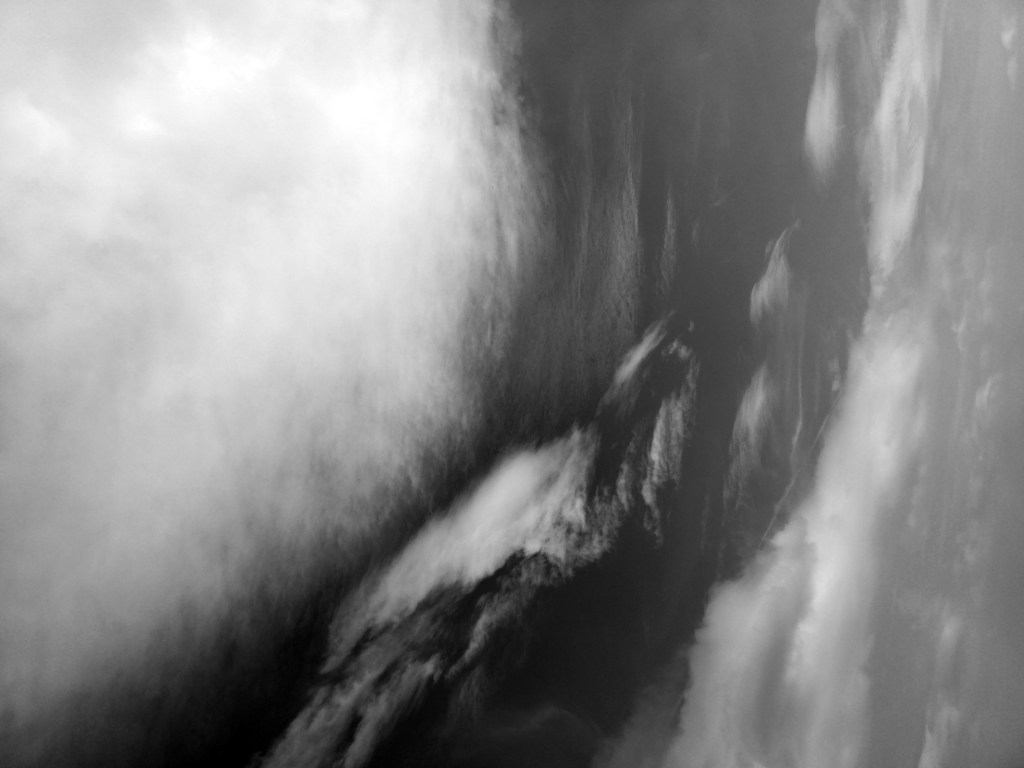
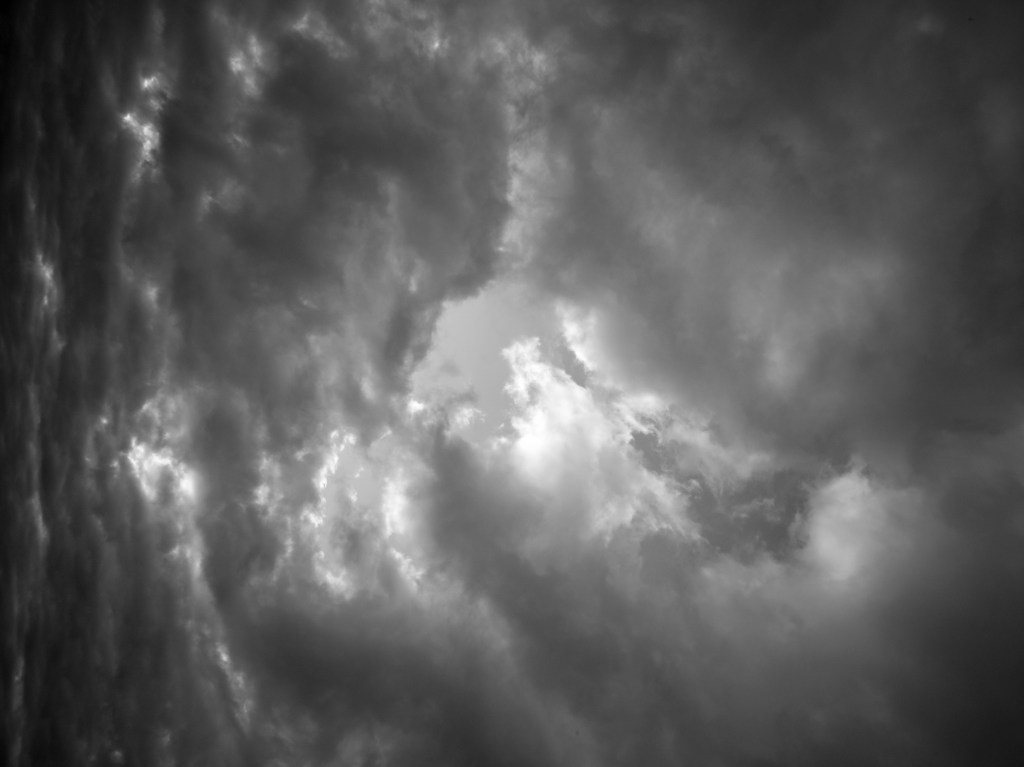
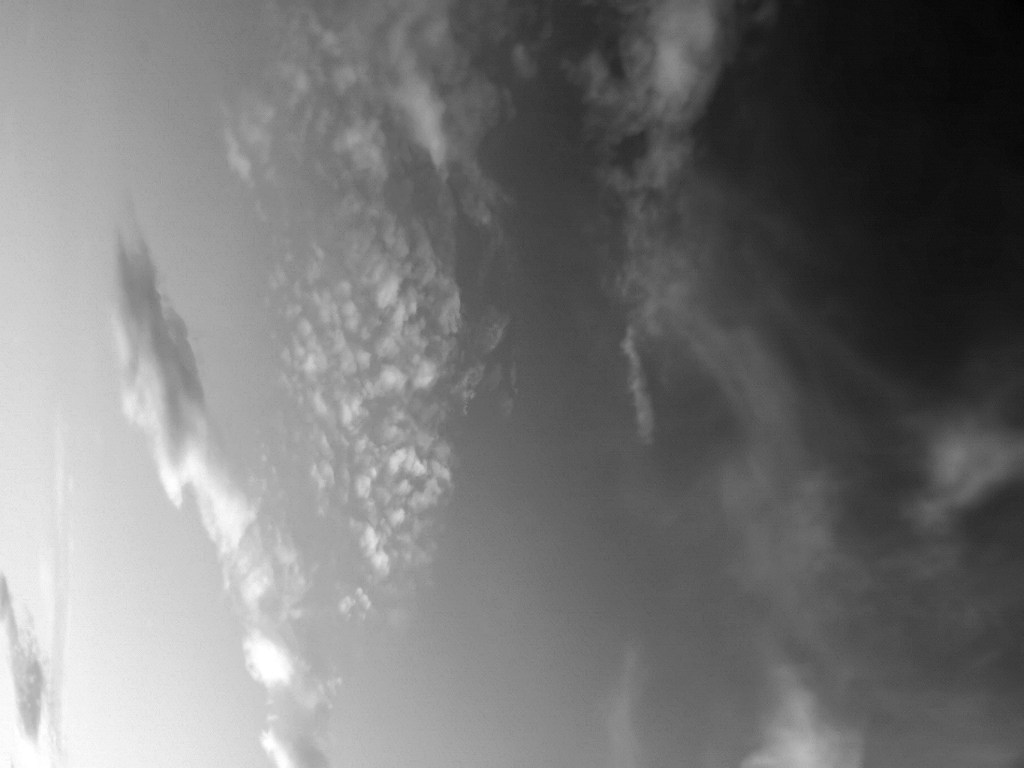
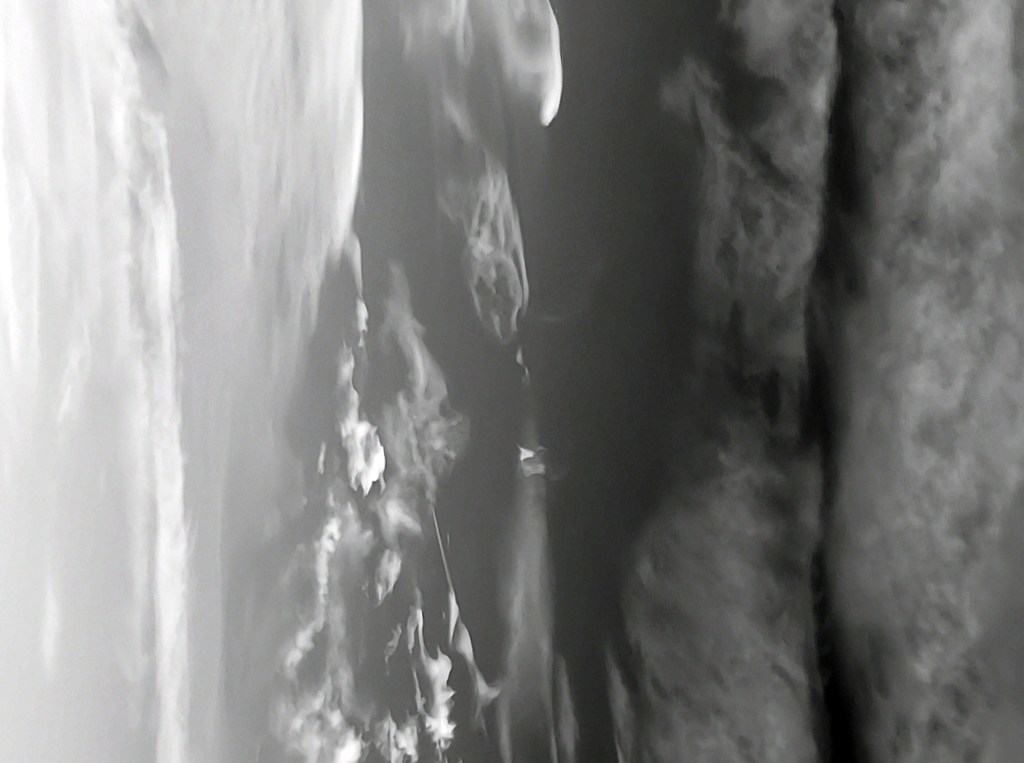
In considering my first assignment in the Landscape course I have been pondering why my shots are sublime to me. I look at the photos I took and I still see the sublime in them. What am I seeing?

I agree with my tutors comments in his feedback and fully understand the difference between the picturesque and the sublime. Do my offered photos have that wildness and savagery that it needs to be sublime?

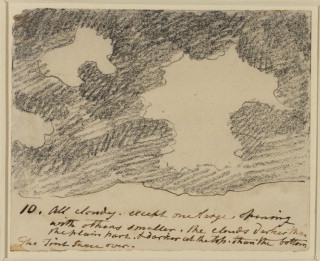
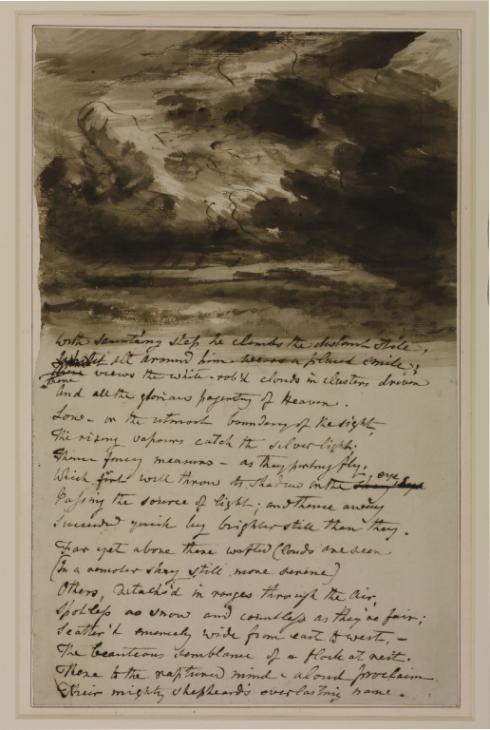
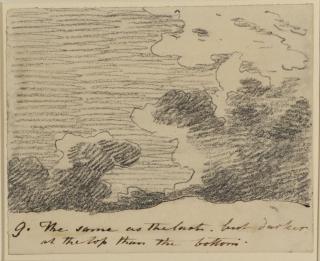
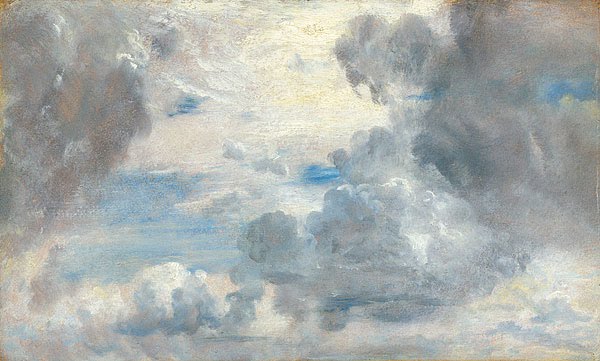
Listening to (1)Radio 4 I heard a piece about (2)John Constable and his cloud sketches which he completed in 1821. He drew and painted these sketches as practise for his paintings to come. He did the majority of these sketches from Hampstead Heath as his wife recovered from illness. Constable was so successful at depicting the clouds that one member of the Royal Academy said “When I see Constables clouds I reach for my raincoat”. They range from simple sketches through watercolours and then full oil paint.

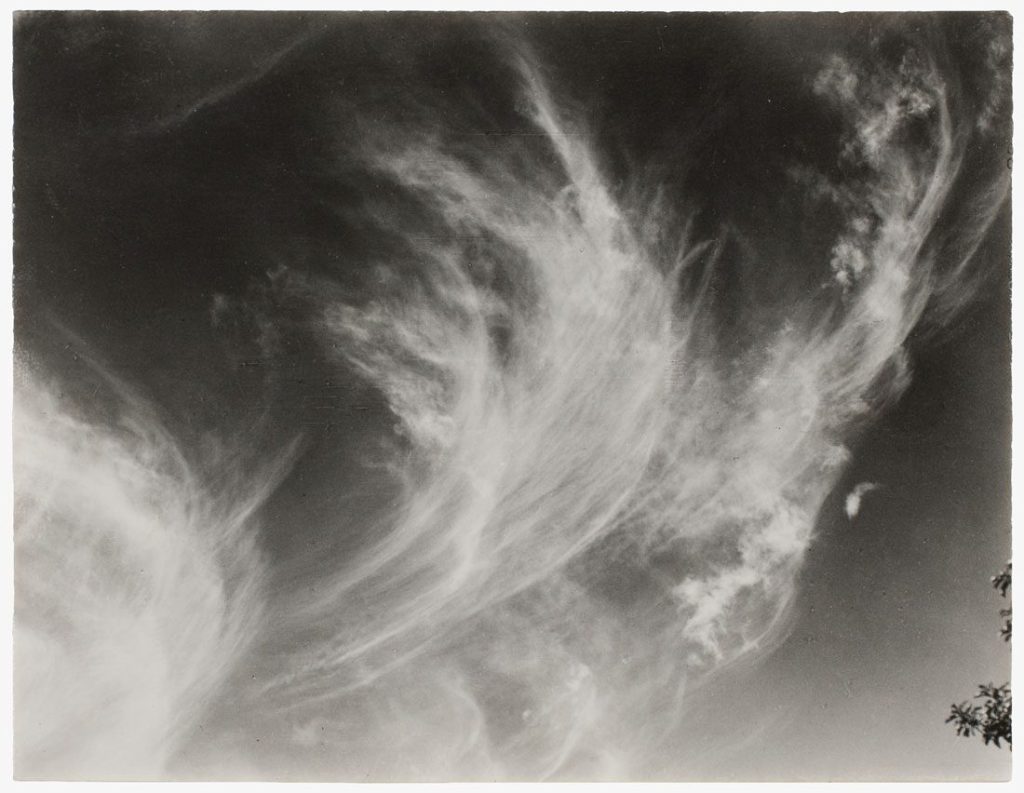
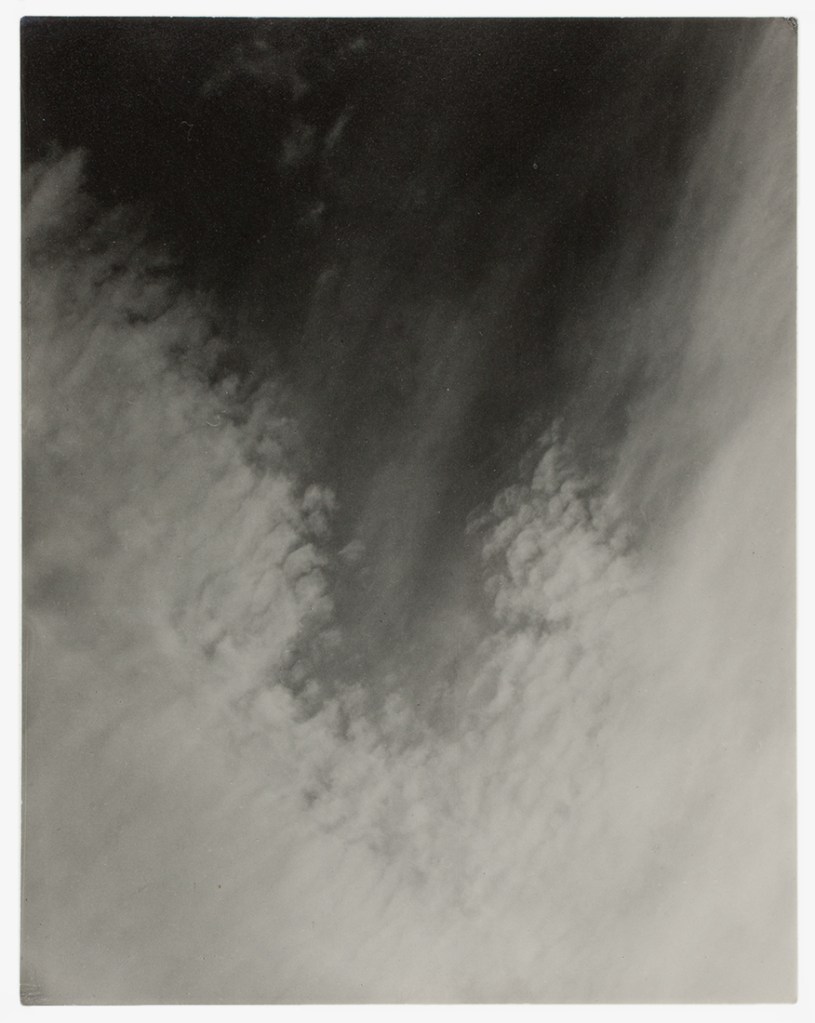
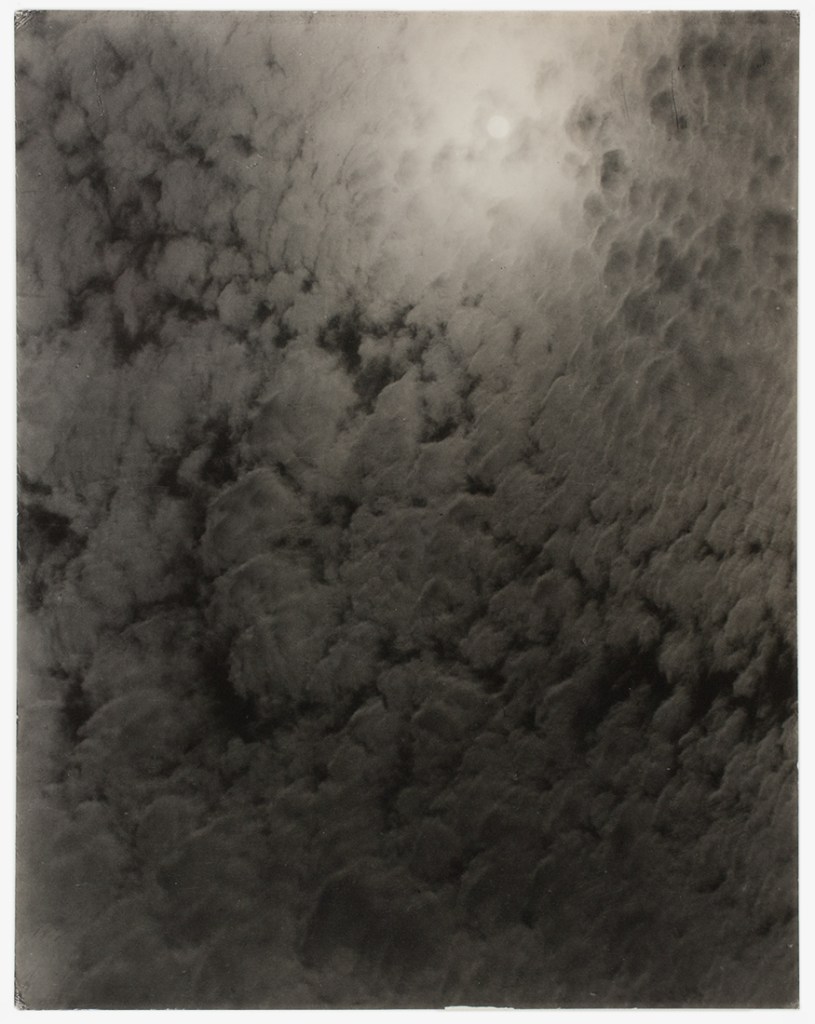
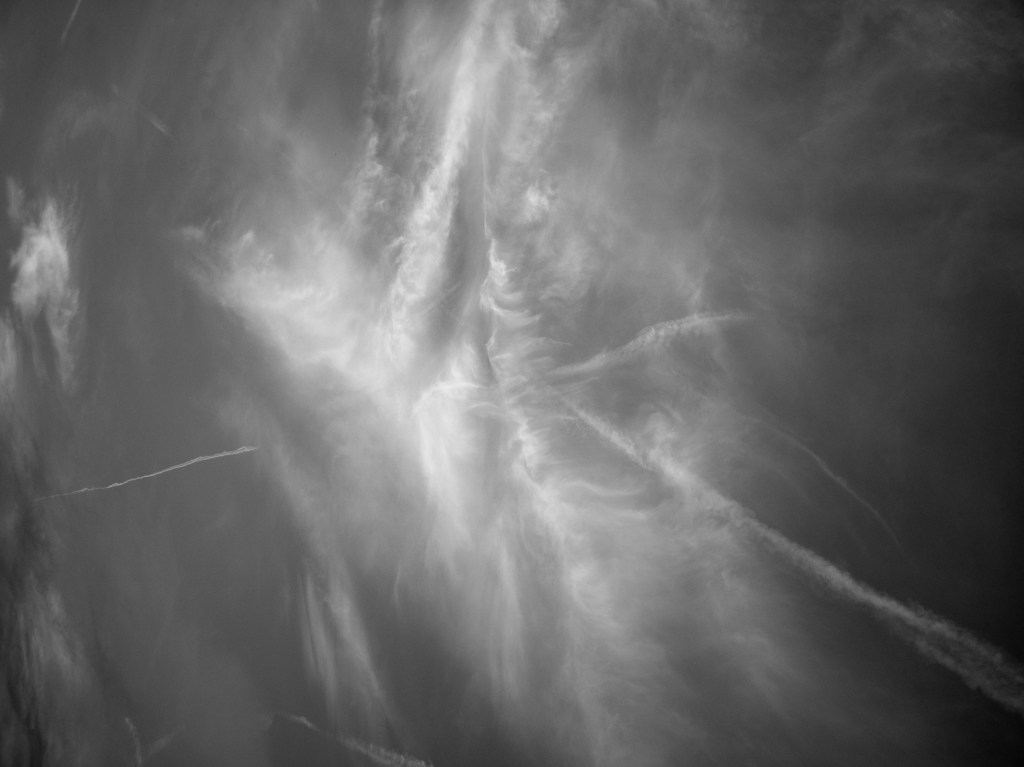
(3)Alfred Stieglitz also created a series of photographs entitled “Equivalents”. He did it to show his technical ability at capturing a difficult subject whilst making art. These works are considered by some to be the first abstract depiction of photographic art having no real subject. Viewers found this fact challenging to see. Stieglitz knew precisely what effect he had created saying to one viewer who asked “is this water?” he replied “Why does it matter”. Knowing he had created the question in the man’s mind.

(4)Ansell Adams said in 1948 seeing “Equivalents was his first intense experience in photography”.

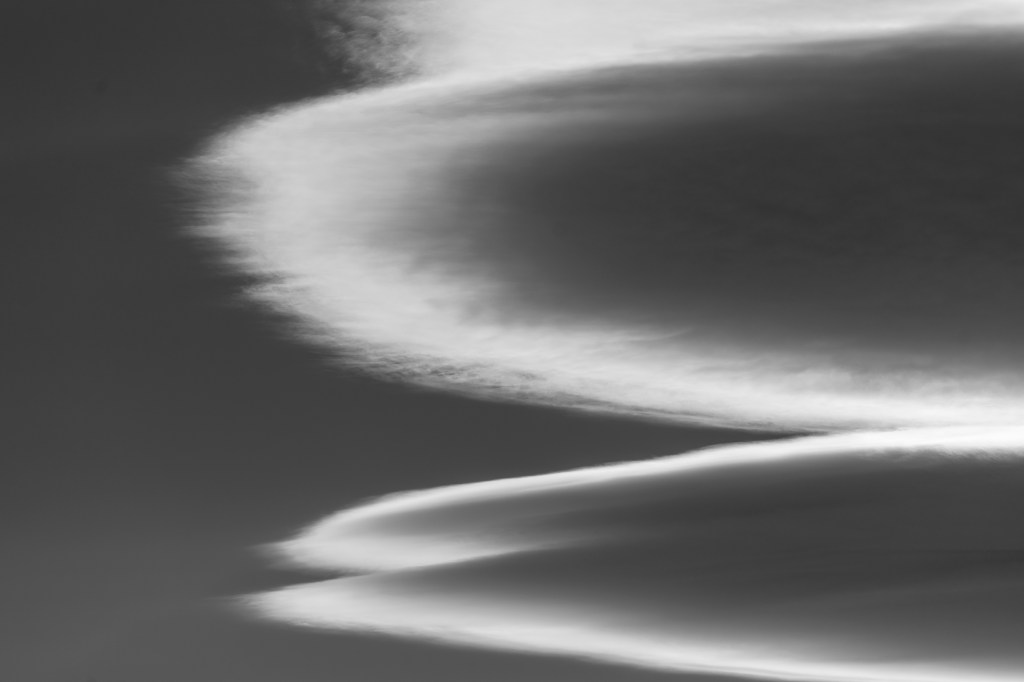
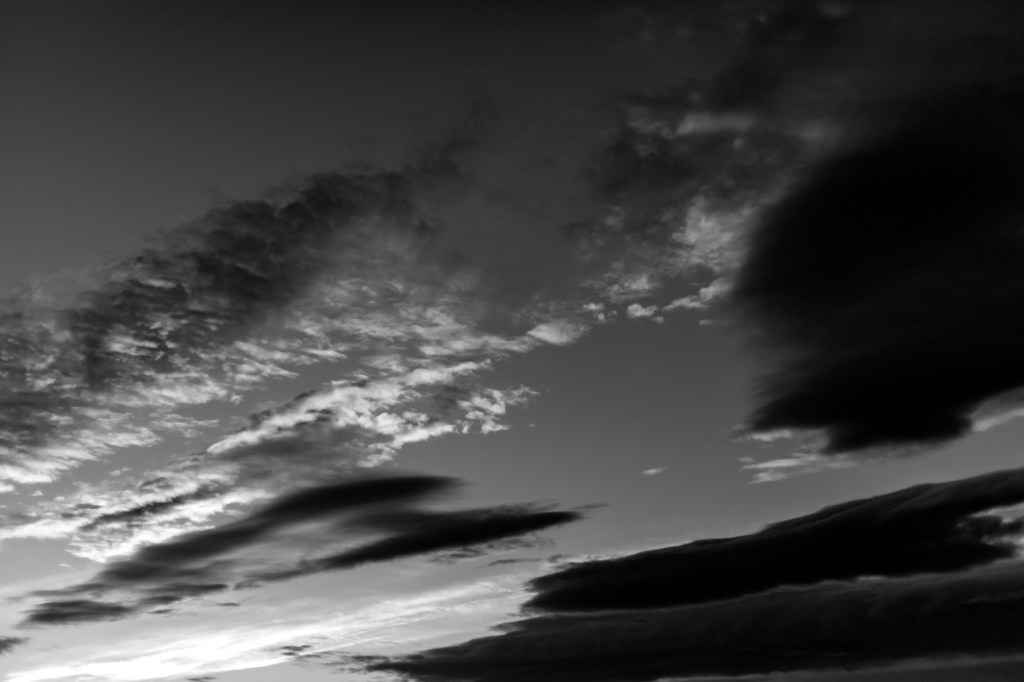
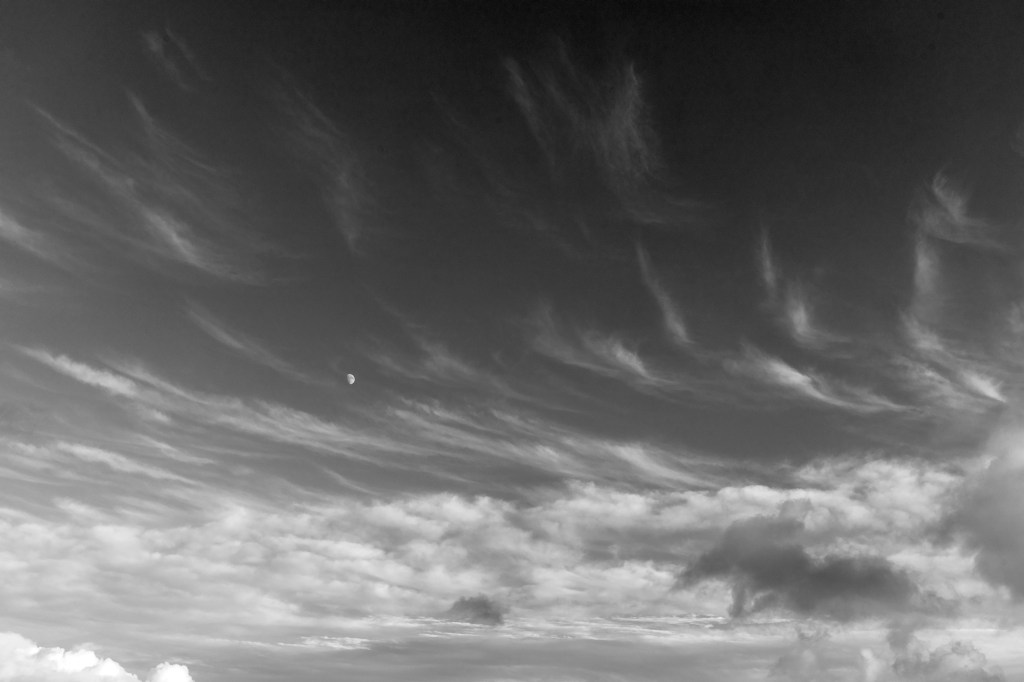
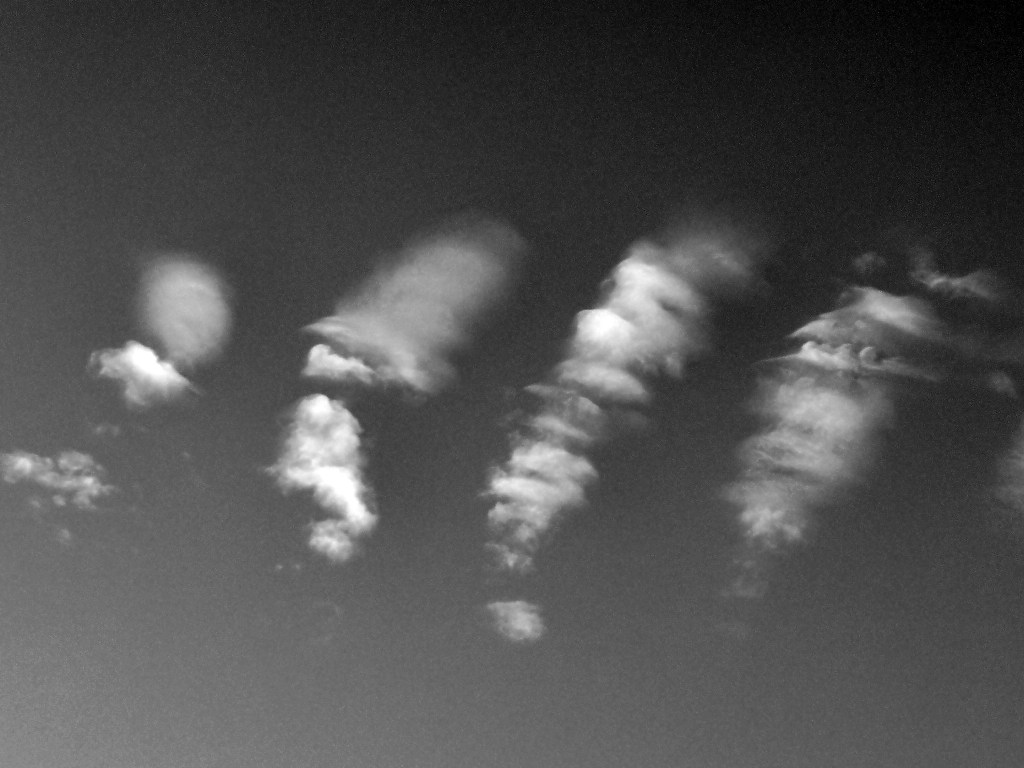
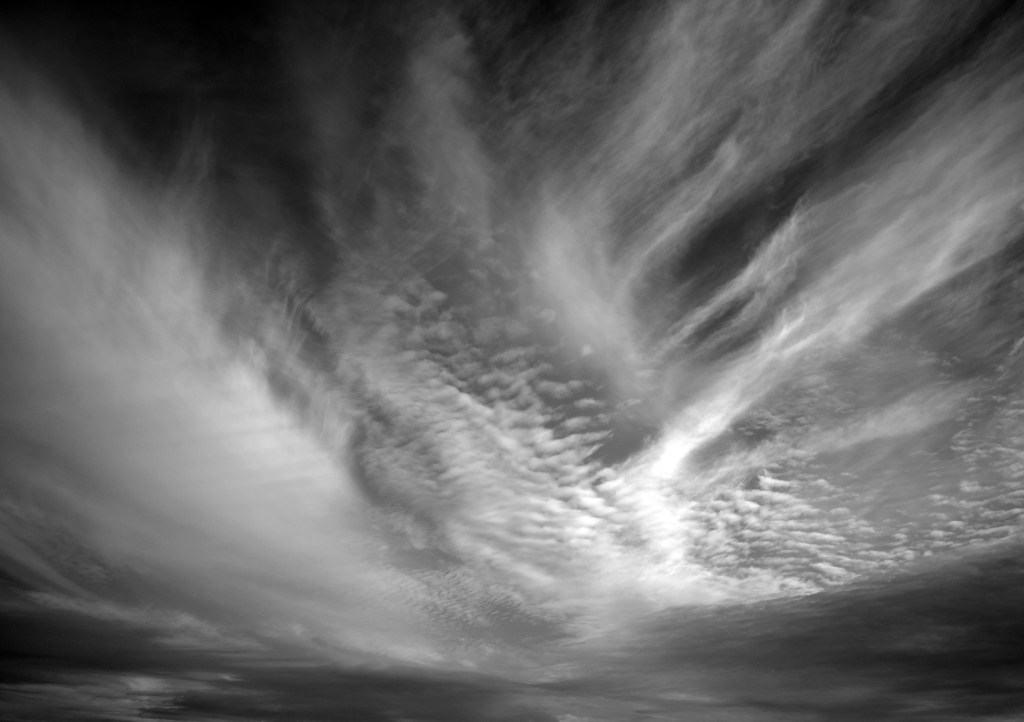
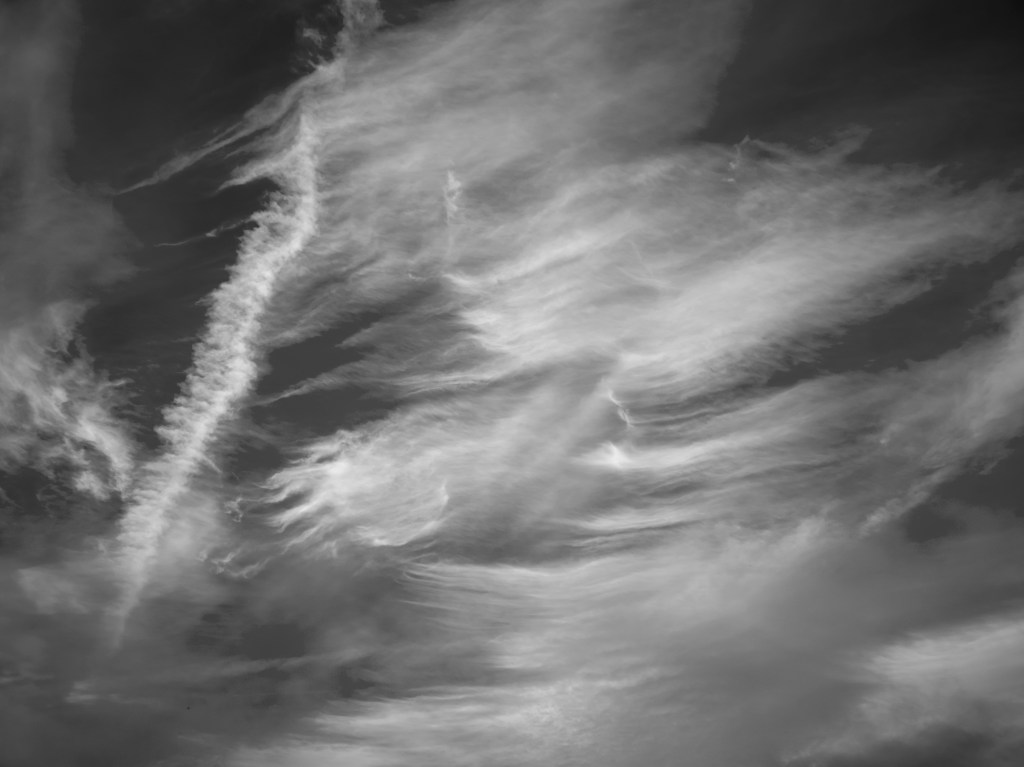
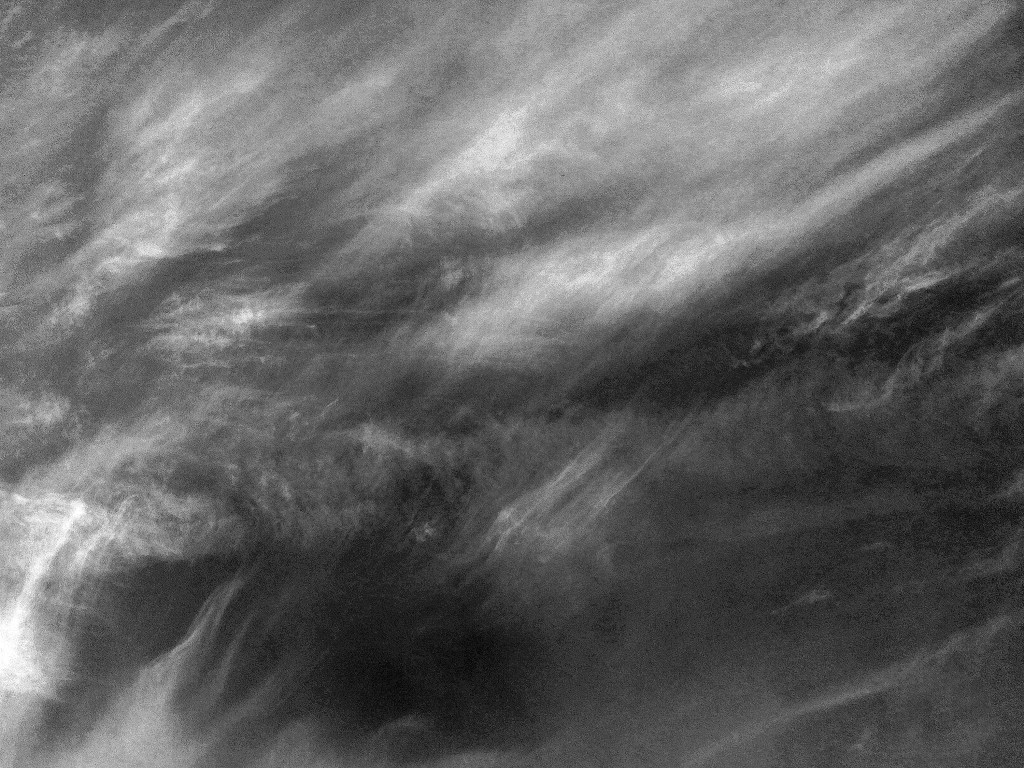
I have been taking pictures of the sky in monochrome for the last few months not knowing of Constables sketches but being aware of Stieglitz work and in fact responding to it.

My tutor in Identity and place had told me to look in completing one the exercises; this was an inspiration for me starting recording these photographs. Contemplating the photos offered in response to assignment one of this course I realised I was trying to show this big sky, however I had let the physical landscape overpower the sublime element. I had tried to show too much. I should have captured just the sky and its amazing clouds. They are natural and wild and make me feel small.

This lesson is invaluable thinking about the fourth assignment writing a 2000 word essay. I must be on my guard and ensure I don’t try to cover too much but narrow my sights onto a smaller target and complete the essay well.

Works Cited

(1)Blatchford, Sir Ian. Art of inovation. Performed by Dr Tilly Blyth. Radio 4, London. 26 September 2019.

(2)Constable, John. “Cloud Sketches.” Royal Academy. Constable Clouds above Hampstead Heath. London, 1821.

(3)Phillips, Sandra. Art in America. New York, 2008.

(4)Stieglitz, Alfred. “The Equivalents.” MoMA. Equivalents. New York, 1921.