John A Walker’s (Walker, 1980) essay was a revelation to me. I found it extremely interesting to think of the different contexts one photo can inhabit.
He starts talking about a wedding photograph and how its meaning changes just by taking it from a wedding album and placing it in a photographers window. This one photograph goes from a family memento to an image showing the skill of the photographer.
Then he writes about Jo Spence (Spence, 1978) and her photos taken over forty years and how these ordinary photos take on different meanings when shown in a feminist journal. It was interesting to look at these images and think about how the meaning of the images changes with a change of context. If you put them in a glossy magazine or a feminist journal. They go from strange and quirky to photos that make me consider the plight of the female. This is achieved by taking the photos from the private to the public context
Next he looks at Peter Marlows National Front Steward (Marlow, 1979) this photo shows a strong young man, defiant and aggressive. To the right-wing he appears as a warrior, to the left-wing these characteristics are turned against him. This type of image featured in the propaganda of the nazis in the 1930s.
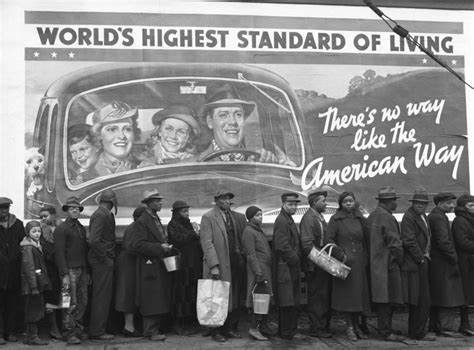
I found it refreshing to see Margaret Bourkes-White (Bourkes-White, 1937) Photo feature in the essays. I had found this photo in my research for assignment 4. I had seen the same messages that Walker discusses in his piece of writing..
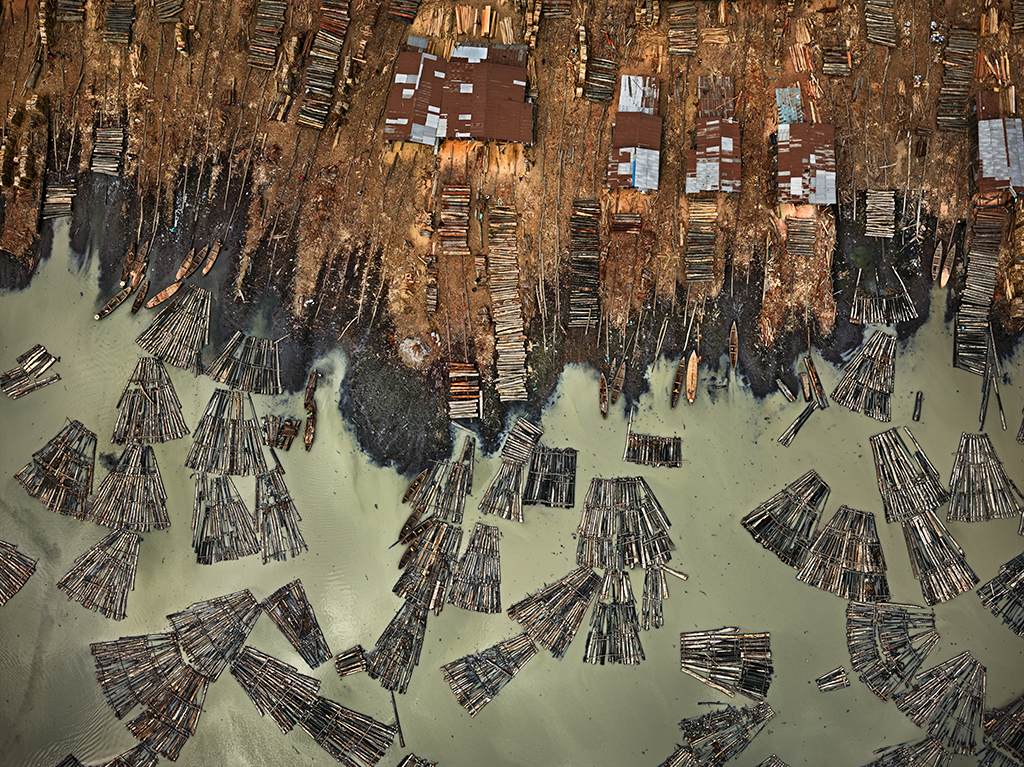
Reading all this essay made me think of the series of images I had used for my slideshow in the previous exercise. Let us take just one and consider the different contexts. First though what is the photograph of It shows a close up of a rock face. It is colourful and I compare it to Burtynsky’s work. He shows sawmills from above and the damage this industry does to the landscape. (Burtynski, 2016). My approach is to show the landscape before the industry destroys it.
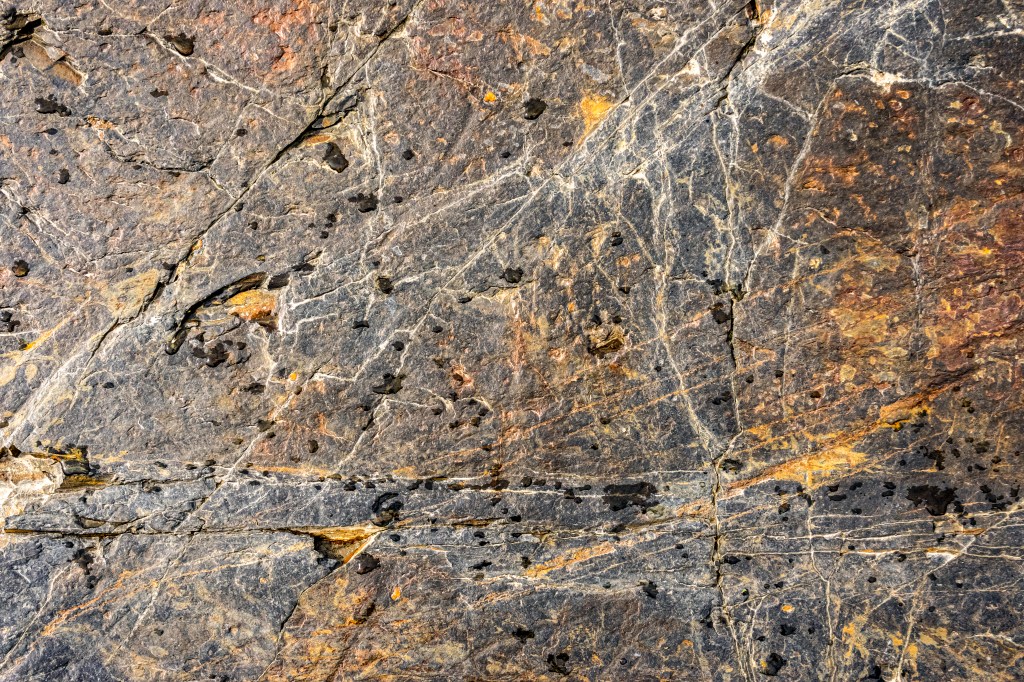
So the contexts I see are, first it is just a picture of rock. Secondly in the slide show it becomes an image within a series showing more rock. Third, It is my Background image on my iPad it makes the program Icons stand out. Fourth in an environment publication it would highlight the vulnerability of Antarctica and encourage its protection. Fifth place this image in a geological publication and it could encourage mining and exploitation of this fragile place. Sixth place it in a gallery printed large and it becomes a piece of art with its form and colours.
One of the contexts mentioned above is of a slideshow. I saw how much ice is disappearing and thus how much rock is becoming exposed. This exposed rock is full of minerals. They are protected now but in 2038 the Antarctic Treaty is up for renegotiation. We should start to lobby now to prevent damage being done to this place to retrieve these minerals.
Six different contexts with very different meanings from one photograph. When I took the exposure I hadn’t thought about any of this.
Works Cited
Bourke-White, M. The Kentucky Flood. Art and Artists. Whitney Museum of American Art, New York.
Burtynski, E. Saw Mills 01 (Lagos). Edward.Butynski.com. New York.
Marlow, P. National Front Steward. Camera Work. London.
Spence, J. Facing up to myself. Spare Rib. London.
Walker, J. A. (1980). Context as a determinant of photography. Camera Work, 5-6.
 Michael Green Landscape Studies