Assignment 2 Rework “A Journey”

The most important thing I have learnt through completing this work is not to cram too much into the assignment. Keep it simple was great advice from my tutor.

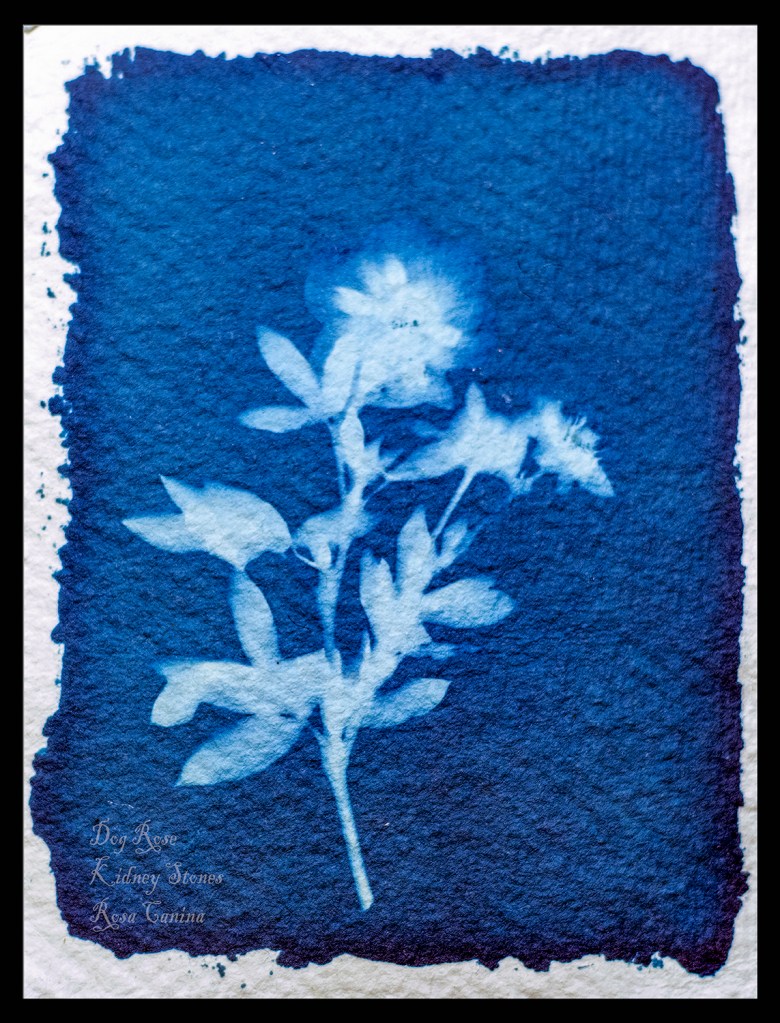
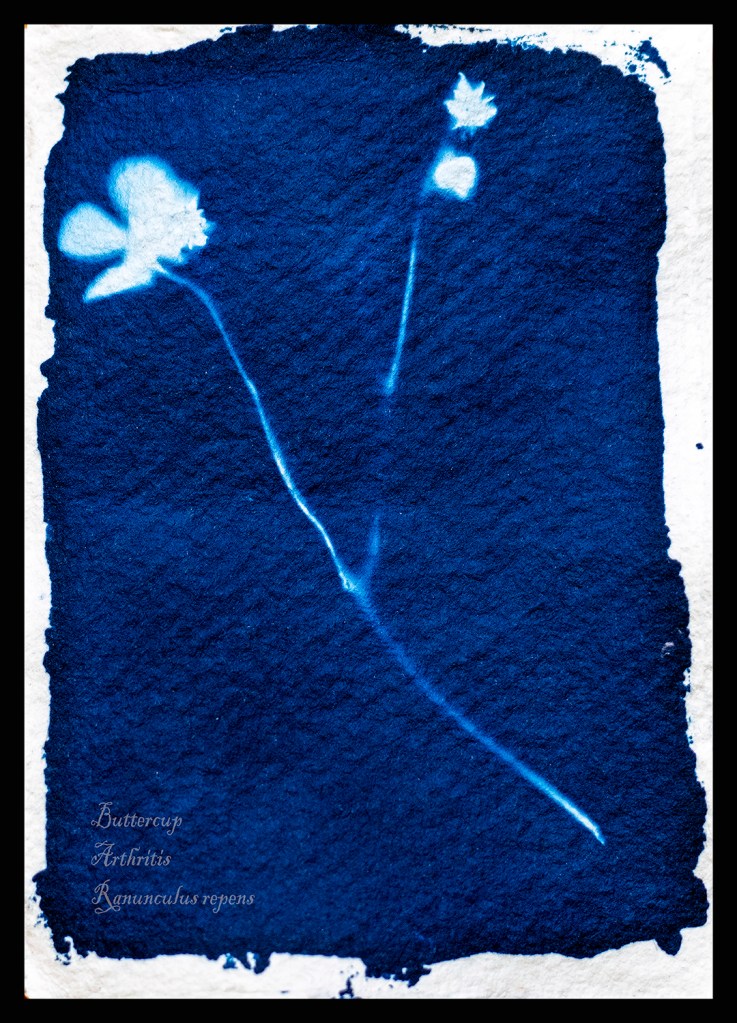
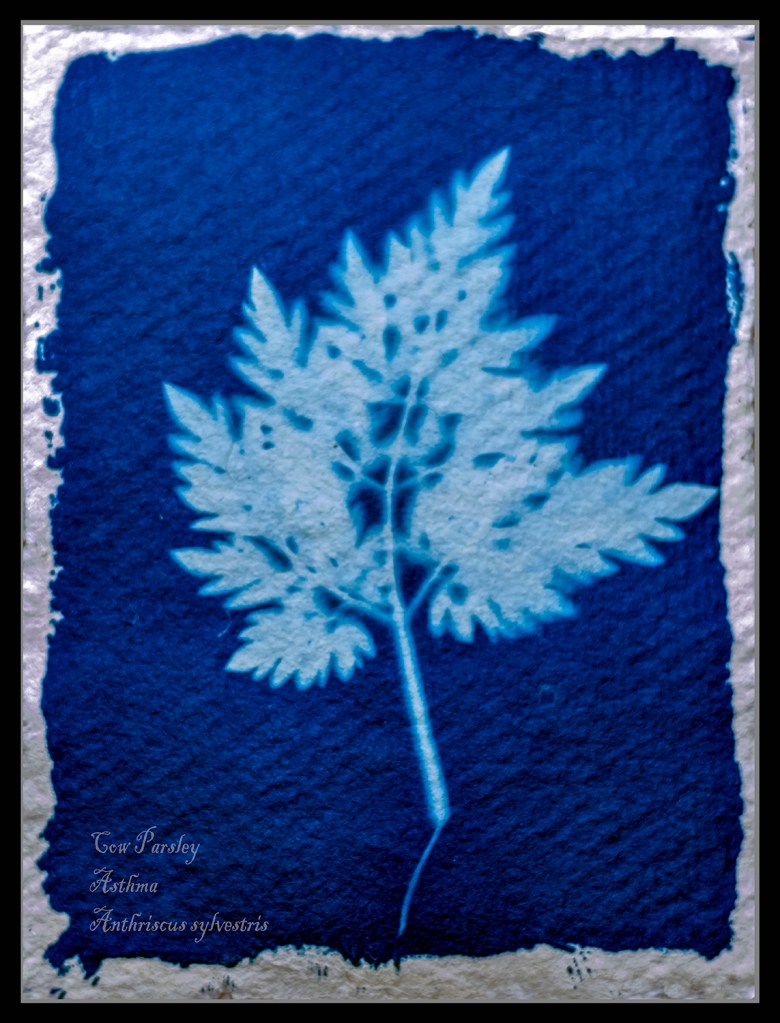
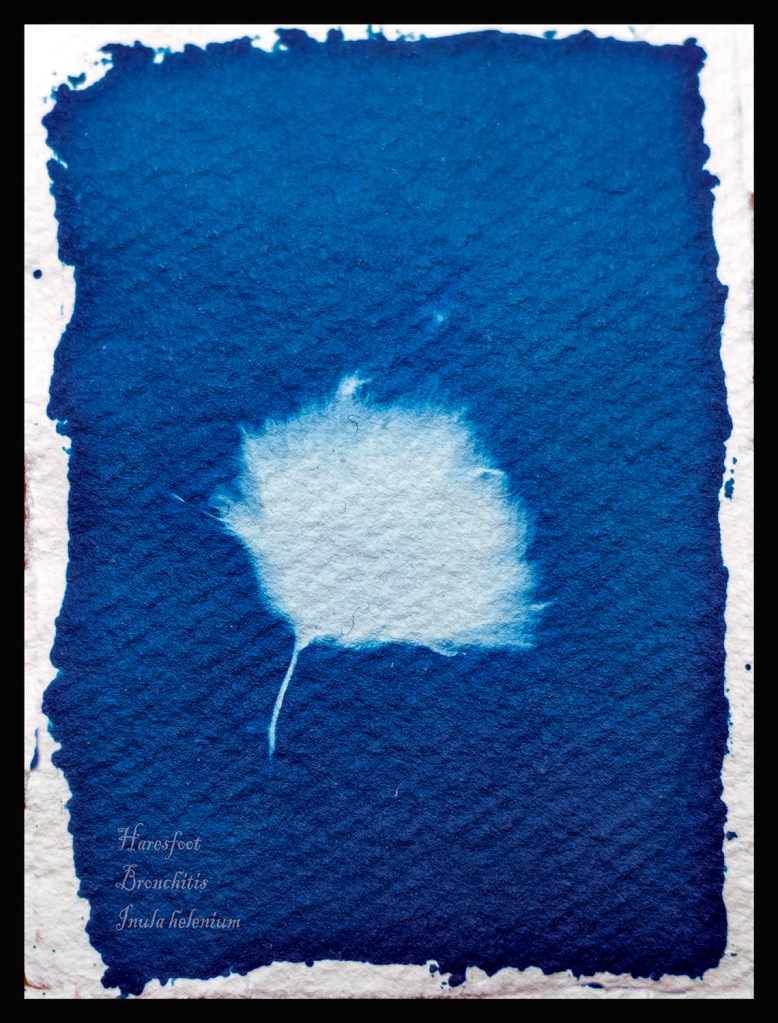
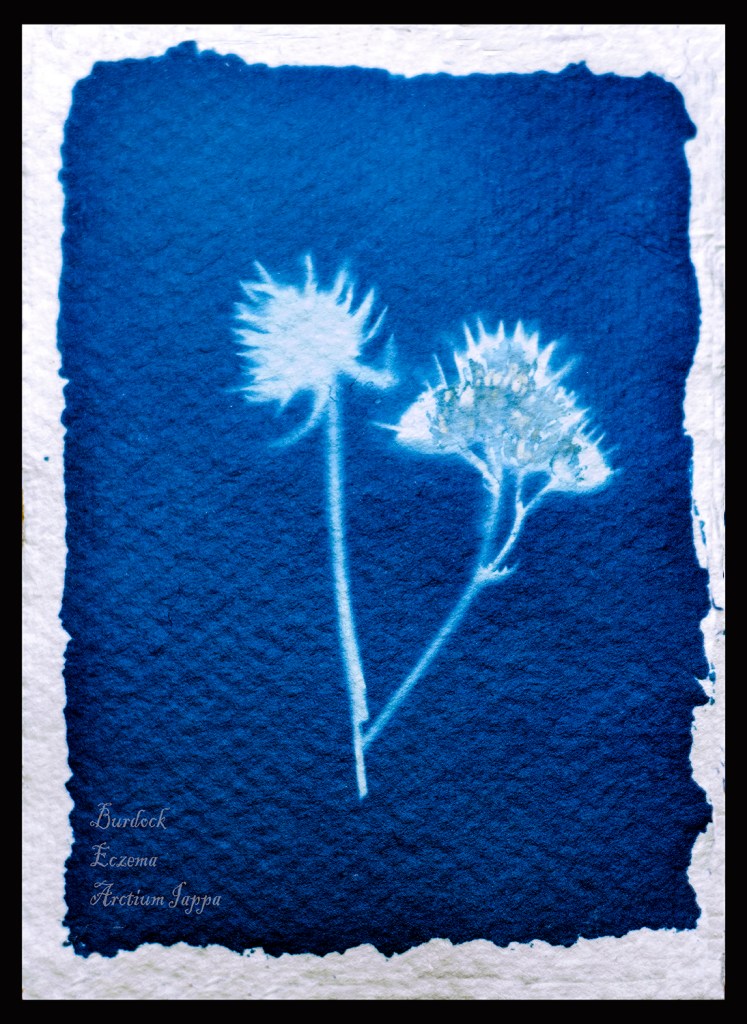
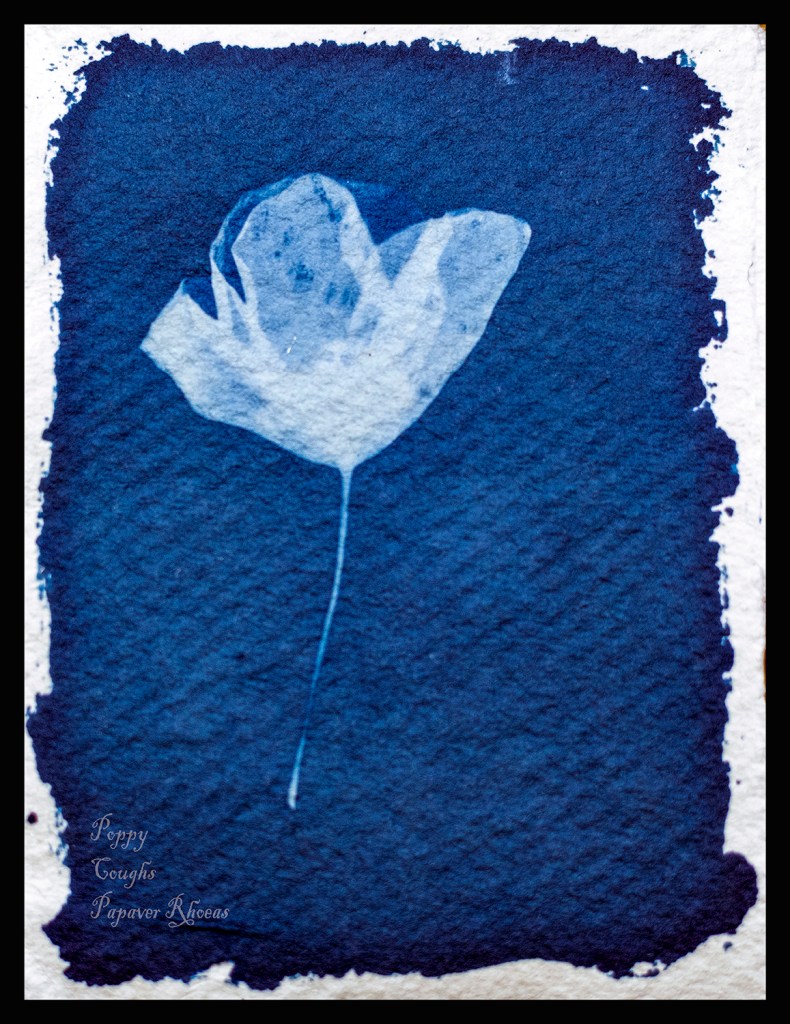
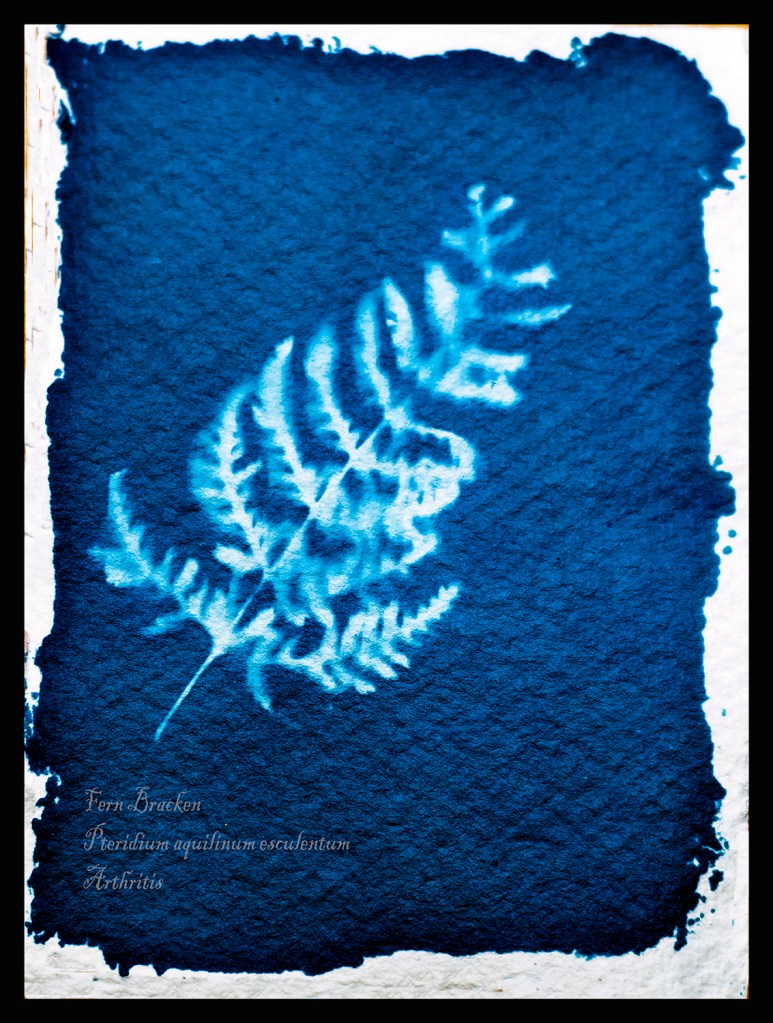
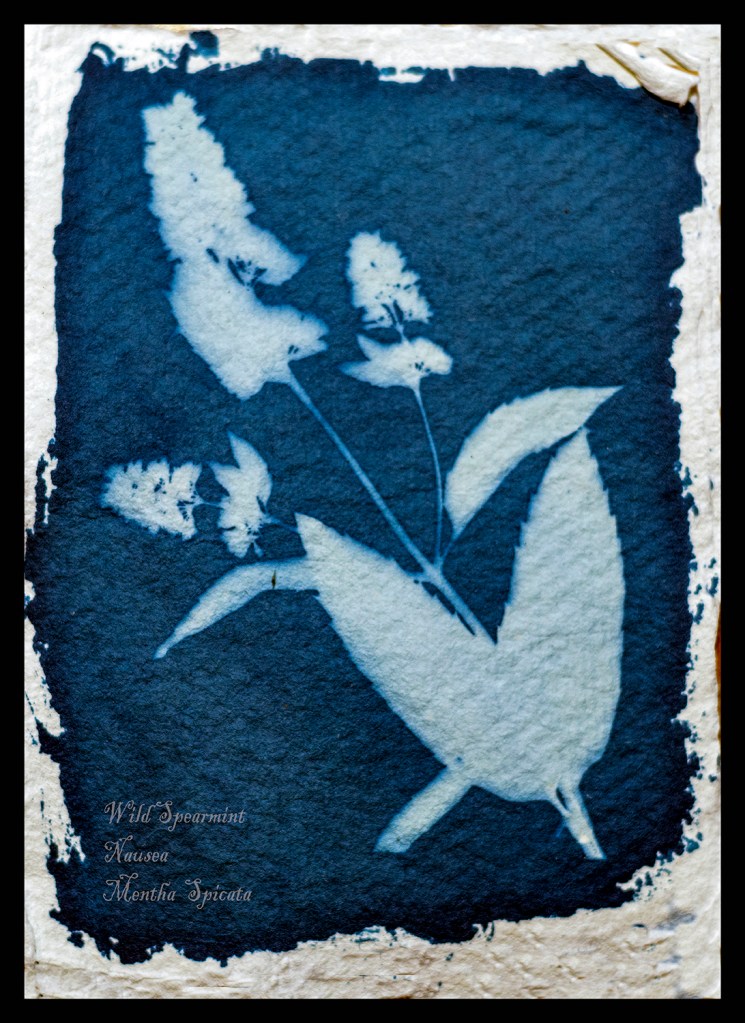
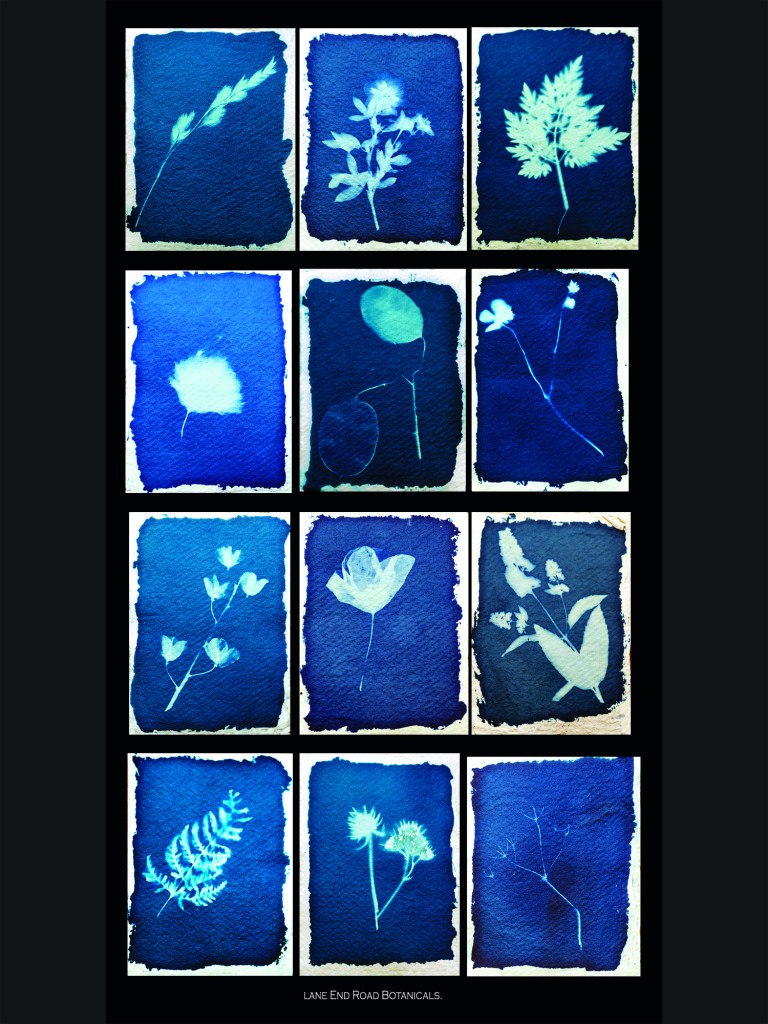
He wanted me to discuss a little more of the technicalities in producing this work. I started by making paper which involved using a blender to pulp fibres from wood and old drawing paper until it was a smooth paste. then I placed this onto a frame with fine filter mesh stretched taut. I then let this air dry before lifting the paper with a scalpel. One out of three sheets failed and were re-pulped to form the next batch. I didn’t bleach or stain the paper it came out the colour I wanted. This method produced paper strong enough to survive the rigours of the washing process later.

I used a metal ruler and rough tore the paper to the size I wanted for my Cyanotypes.

For the solutions I mixed two solutions mix A is 10g of Potassium Ferricyanide which is mixed in 100ml of distilled water.

Solution B is 25g of Ferric Ammonium Citrate with 100ml of distilled water.

These two solutions are kept separate in brown bottles in a cool dark place till I want to coat the paper. Kept like this they will keep for several months.

Next when I want to coat my paper with sensitizer I mix equal quantities of the solution in dim light, Taking care to only mix the amount I will need in the clean mixing bottle. When the two solutions are mixed the resulting solution is light sensitive and has an intense yellow colour. (1)I used the recipe from Thames and Hudsons Book Experimental Photography A Handbook of Techniques.

Next I chose my subjects on my walks along the lane at the back of my home. It was always in the back of my mind that I was in the shadow of Pendle Hill and if it were the 1600s I would be in danger of being called a witch and burnt at the stake.

To make the exposure I placed the sensitized paper on top of a card and then placed a clear piece of Perspex on top of the subject securing with bulldog clips to keep everything tight and in place. The exposure time varied from 5 to 20 minutes depending on the strength of the sunlight. I read my tutors comments about striving for continuity and will do more of this in future. However I agree that as this is more organic work I should leave as is.

Finally I placed the exposed paper in a tray to wash the paper however I rinsed each for three minutes in gently running cold water to start the cleaning process. Then I hung them to dry in air, the cyanotypes change as they dry and in fact continue to dry for several weeks after as they react with the air.

Whilst the process is lengthy it is extremely rewarding and I plan to experiment with larger versions and prints in the coming months.

I read the methods to colour match in Photoshop and experimented with them. I am pleased with the results and the finished results are a nearer colour to the original work. I also read and carried out work to frame the work, thinking about how to present it to a viewer.

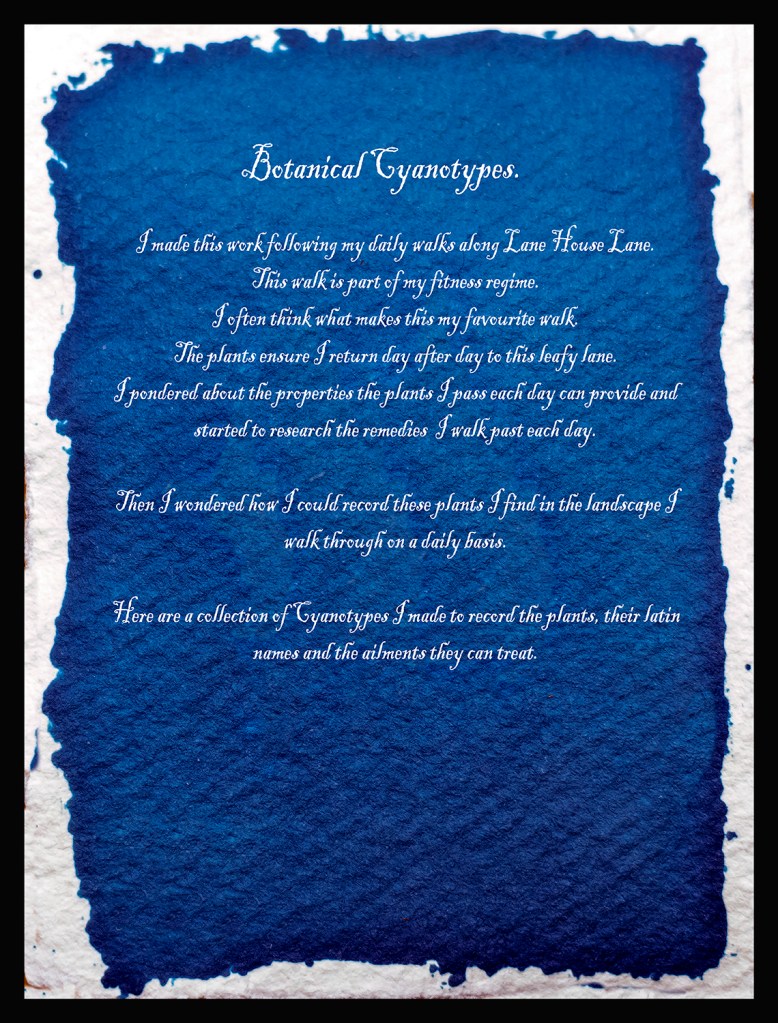
I think the work needs a starting point to set the scene. However a poster, map and description is just too much. I have narrowed this down to a one page description of why I completed the work.

I have started to read about critical writing and will add sections to my posts in the near future. I also looked at the suggested work by Laurie Snyder and Liz Nicol.

(2)Snyders work is more precise than mine and makes me realise I must use this process more to master it to her high standards. I plan to make some very large prints of full plants in the near future. However I am pleased with this work as an early starting point. (3)Liz Nicols work with Rubber Bands her daughter found dropped by the postman. This word made me think of a future body of using cyanotypes give a feeling of some part of this landscape others effect.

I have reworked my Cyanotypes and have dropped the Poster and the Map to replace them with a brief description of why I made this work. This is presented in the style of a cyanotype although I manipulated an existing cyanotype in Photoshop. I see them now on a white wall in a gallery next to each other in a level straight line so that each image is equal.
(1)Gomez, Anthonini Minniti, and Lunganella Bendandi. Experimental Photography. London: Thames and Hudson, 2015.

(2)Snyder, Laurie. “Ferns.” Laurie Snyder.com. WWW.Laurie.Snyder.com. Chicago, 1997.

(3)Nicolls, Liz. “The Rubber Band Project.” Liz Nicolls .com. London, 1997..
Assignment 2 A Journey.

When I read the brief for this assignment I wanted to show the separate components that made up this module.

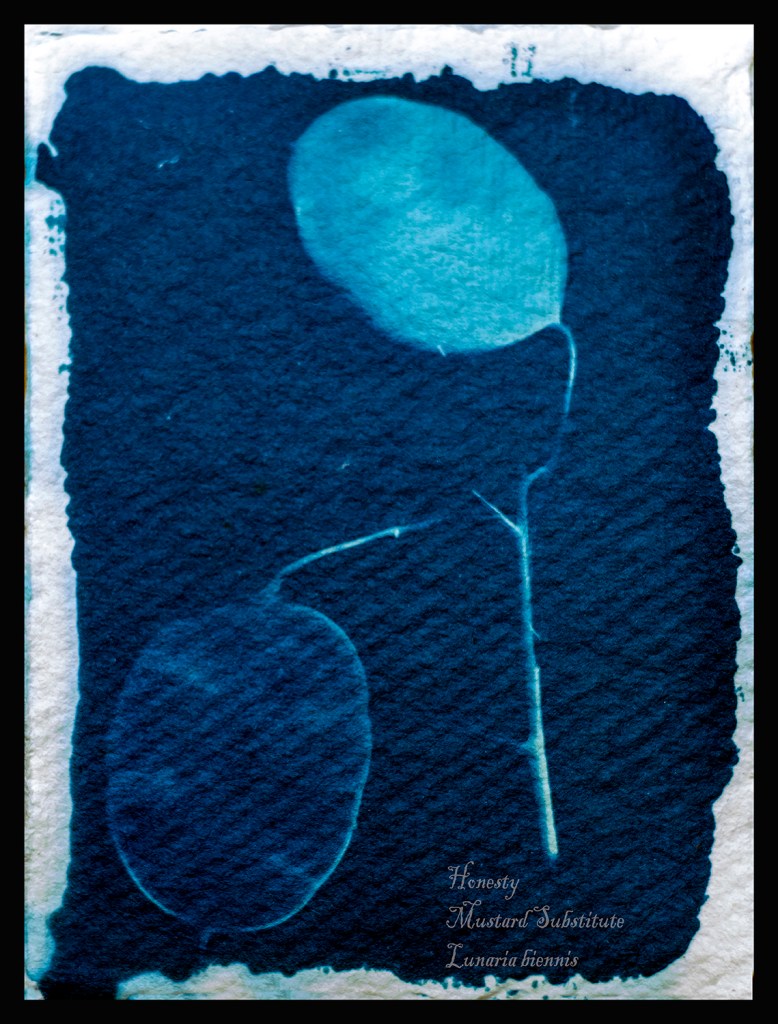
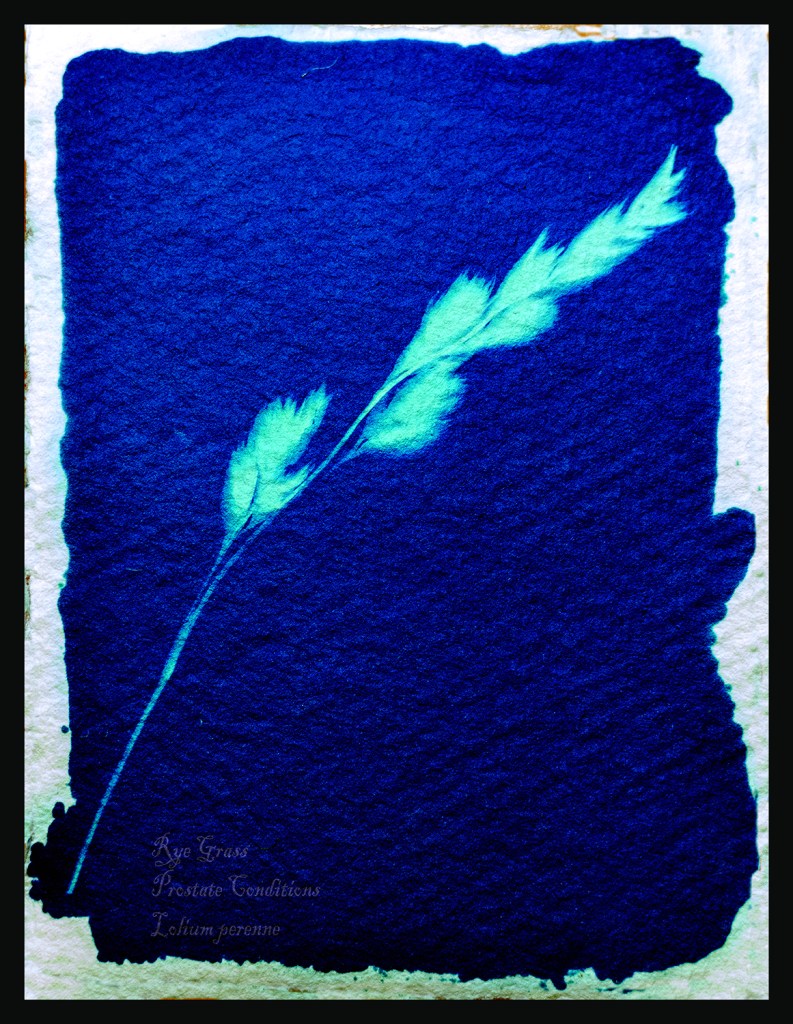
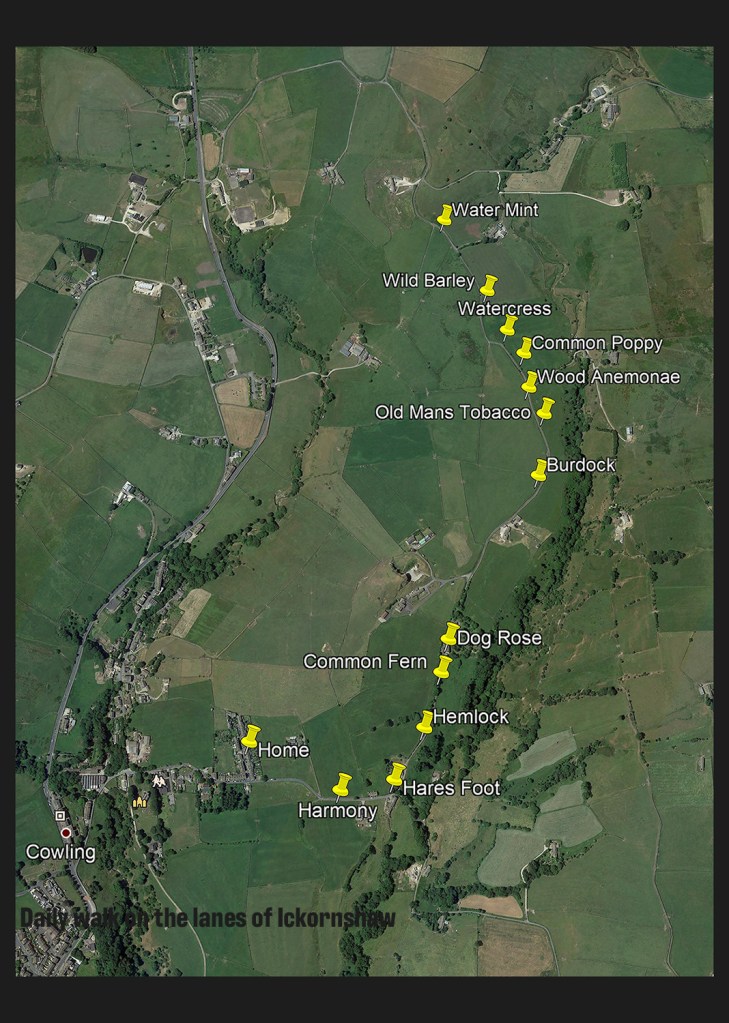
At the end of the last assignment my tutor advised me to look in more detail and not to cover too much in my work. The title of the brief is “A Journey” so I completed a couple of walks to focus my attention. My attention was drawn to the plants in the hedgerow and verge along the way. These four things show my learning journey and the physical journey I take daily.

My work shows a pictorial depiction of our countryside, it uses an old technique developed to capture the detail. After reading about and listing words on a walk it seemed a good way to carry this practice into this assignment. Completing this walk puts me in the Promised Land just like the returning soldiers after the war. I see the vegetation on my walk, doing so makes it easier for me to return.

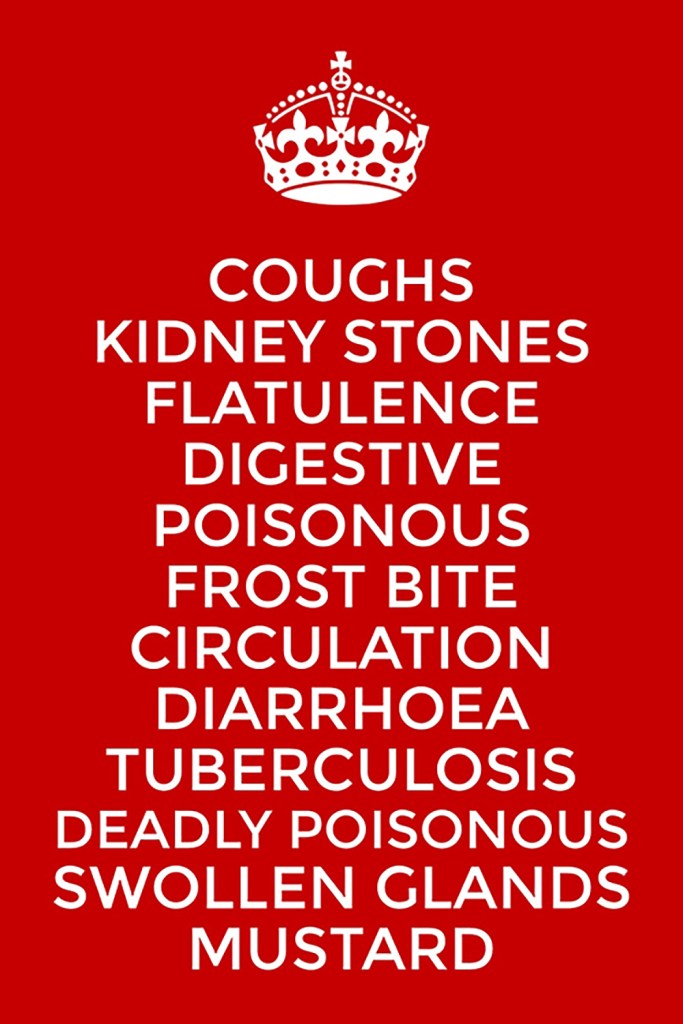
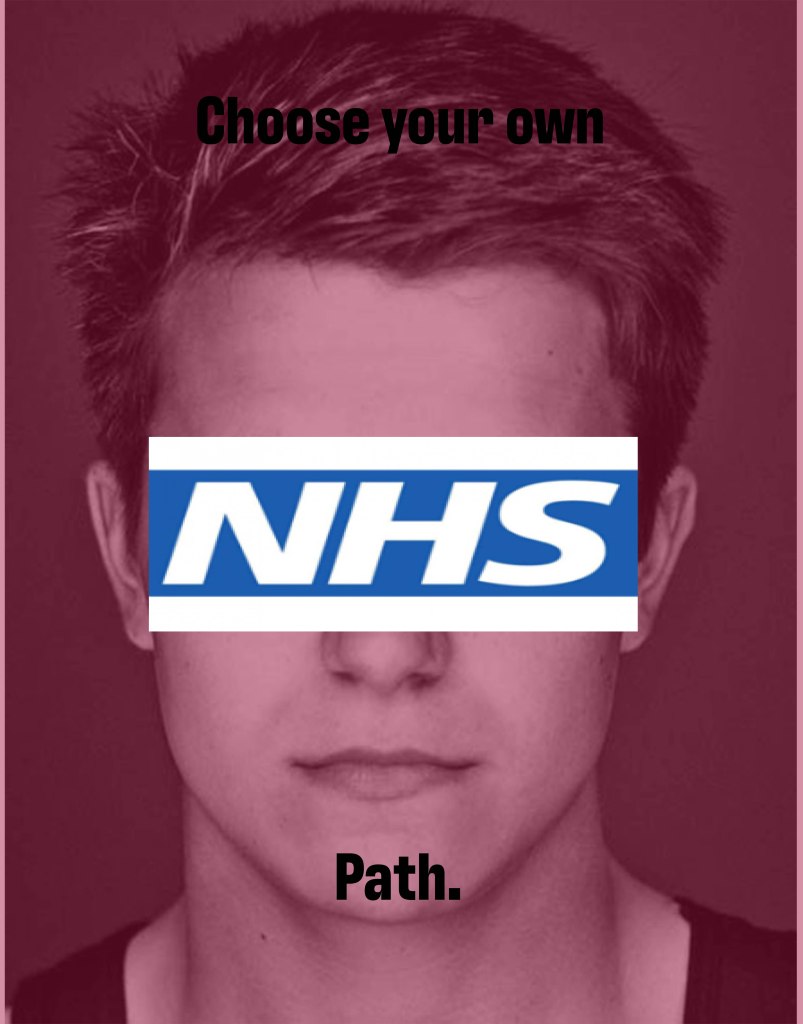
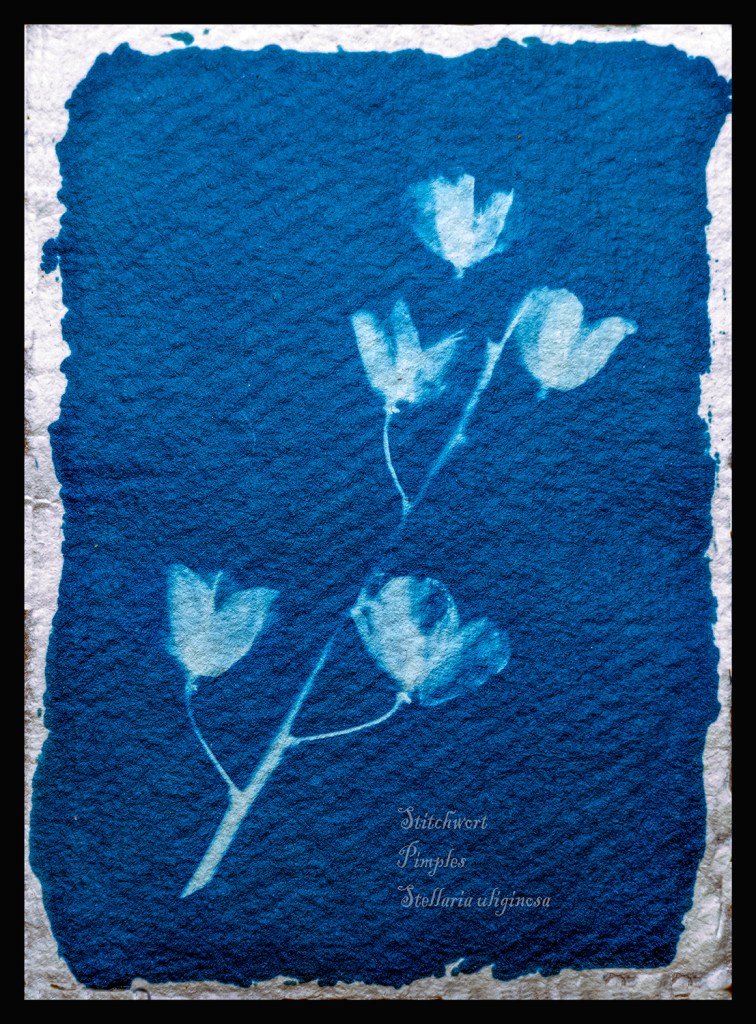
The work completed for this assignment shows the process (1)Anna Atkins used in her work. My composition is good the left and right column point into the centre column keeping the eye on the page. The map is taken from Google and pulls in the appropriation discussed in the coursework. The list of ailments shows words in art it is simple and visually fits in with the era of the soldiers return. The cyanotypes are the main part of my response; they have good detail show the plants in all their glory. The process made me get to know each of the specimens extremely well. Finishing with the poster completing the journey and pointing out you can choose a different path to complete any journey.

If I were to develop this project further I would continue collecting specimens and would place them in a book. To improve them I would work on exposures to get the final colour even more consistent.

All the decisions I made for this work had to include the work covered in the second part of the course. I have already mentioned Anna Atkins however two other artists influenced my work, (2)Washington Teasdale made cyanotypes in Leeds different to Atkins in as much as they show scenes. Finally (3)Kinetta Hill offered advice to me when I started learning the process. She helped me source the chemicals needed. (4)Bernd and Hilla Becher influenced how I presented the work and the war office poster (5)“Keep Calm and Carry” influenced the poster along with the first world war poster (6)“Your Country wants you”.

My tutors advice to focus, made my choices easier, I really wanted to zoom in on the smallest detail. Doing this has helped me understand what I need to do when I get to Assignment 4. This whole project has been a journey, taking me through many new learning’s the most important one has been to look, really look and the subject will jump out at you, with a little luck.

Cyanotypes of plants found on my daily journey.

Works Cited

(1)Atkins, Anna. “British Algae.” Victoria and Albert Museum. British Algae. London , 1844.

(2)Teasdale, Washington. Kirkstall Abbey. Museum of the history of science, Oxford.

(3)Hill, Kineta. Bristol Cyanotype. Kineta Hill Gallery, Bristol.

(4)Becher, Bernd and Hilla. Watertowers. MoMA, New York.

(5)Servant, Unknown Civil. “Keep Calm and Carry On.” MoI. Keep Calm and Carry On Poster. London, 1940.

(6)Leete, Alfred. “Your Country Wants You.” War Office. Your Country Wants You. London, 1914.

Excercise 2.6 Edgelands

After reading the two short essays Wire and I am struck by the endless possibilities this approach offers. The two essays cover such topics as Cooling stations, Wind Turbines, Cold War buildings and wire fences. All linked by being on the edge of Society in one way or another. Services that we want to keep close enough to use but distant enough to be not seen. The second link I saw was barriers, razor wire and pointy fences.

The work around Greenham Common and the Hush House were interesting to me. Making me think of textile mills locally that are now unused.

If I walk a mile through my local area noting these types of things I get the list below.

1. Walls (Drystone).

2. Walls (Mortared).

3. Waste bins.

4. Derelict farms.

5. Ancient boundaries.

6. Old industrial sites.

7. Wire fences.

8. Wind turbines.

9. Litter Bins.

So spending 20 minutes wandering around looking has produced eight topics that could easily be projects and long term ones at that.

Reading of the sites that were edgelands in the time of writing some of the ones I know such as Tinshill cooling tower are now not on the edge they are part of the town. It could be interesting to find old edgelands within our towns.

Work Cited

(1) Wire Farley, P. and Roberts, M.S. (2011) Edgelands, Journeys into England’s True Wilderness.

(2) Power Farley, P. and Roberts, M.S. (2011) Edgelands, Journeys into England’s True Wilderness. London: Vintage Books

Exercise 2.4 Is appropriation Appropriate.

We have always appropriated other peoples work, I remember as a small boy cutting male and female figures out of comics and making our own version of “Fuzzy Felt”.

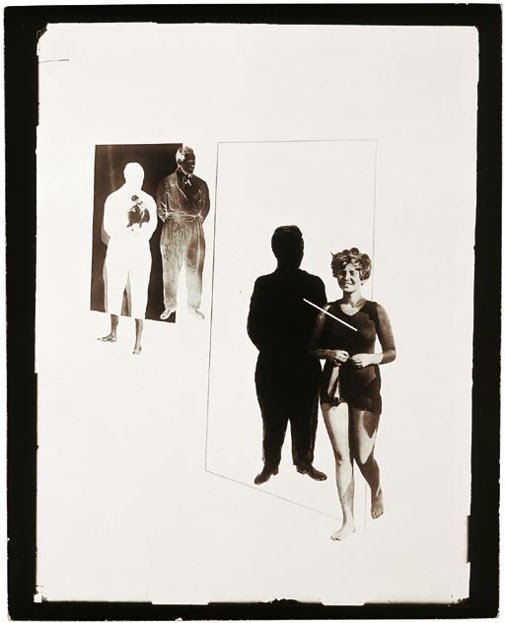
A more grown up version of this practise was created by Moholy-Nagy who cut out photos from magazines then joined them with lines and shapes to change their meaning to depict his political ideas. Some are humorous most attack the narrow thoughts of Weimar Germany. Man Ray did much the same with his work cutting out shapes and creating a surreal collage.

Claude Cahun used this kind of effect a lot however he placed himself into his pictures to get messages across to his audience. His work challenges but also pleases at the same time. His use of pictorial humour draws you in.

So seeing this it is no surprise to think of new ways to do the same. Michael Wolf must have spent hours finding his work for Hong Kong detail, looking for people doing interesting things is difficult in real life, online looking at Google maps must be nearly impossible. Wolf manages to show the big picture then gives you lots of detail fabulous work.

I would have no qualms about doing something similar as long as the end result was worthy of taking the work of others and using it.

Using others work and adding a touch of humour can be thought provoking, however it is vital that you make it clear you are do this in your work. Otherwise your audience will stop trusting you and your work. If you are honest they will accept the work and even admire it.

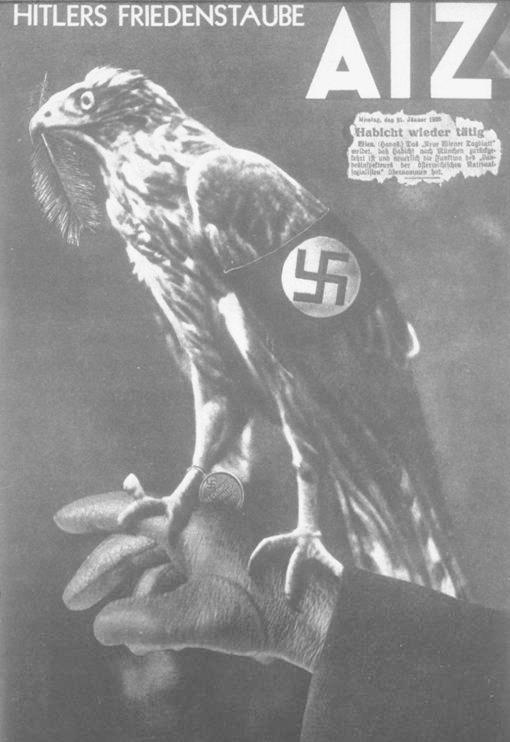
Imagine how Hitler felt when he saw Moholy-Nagy`s “Hitlers Dove of Peace” no wonder Hitler hated Dadaist work. It can be extremely powerful.

Exercise 2.5 Text in Art

I don’t want to give away my work for Assignment two so some of my explanation here may seem vague, stick with me all will be revealed later in the project.

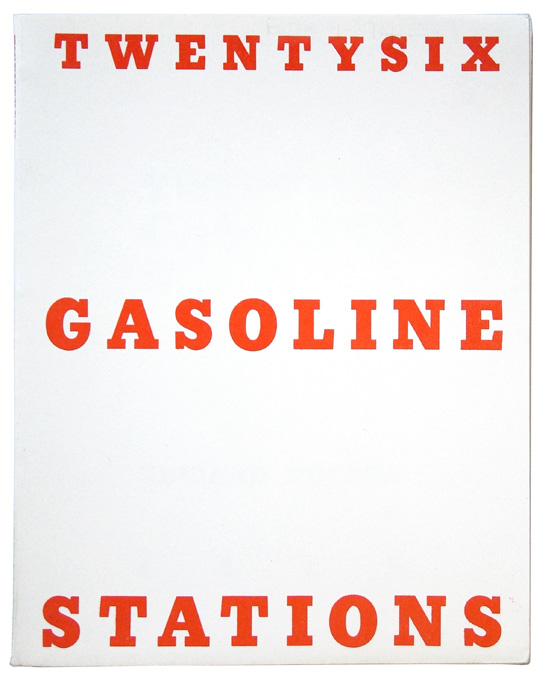
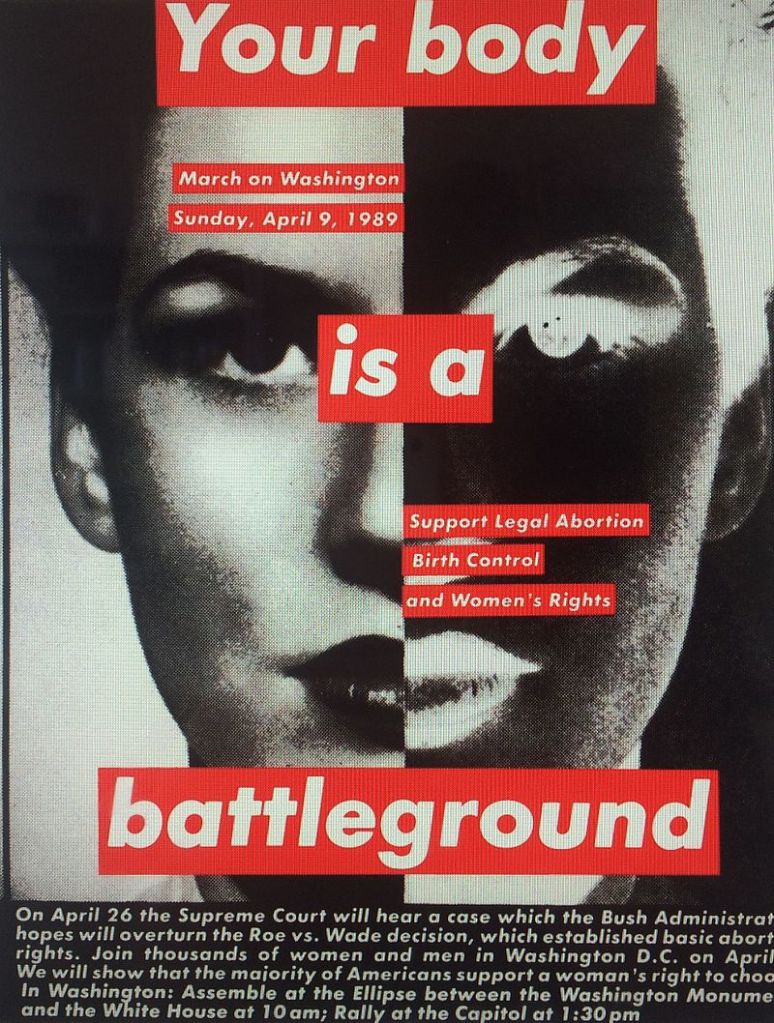
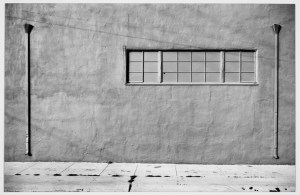
In the brief we are asked to look at the work of Ed Ruscha, Barbara Kruger and Mark Kitchener. I did so and was amazed to find I had seen their work around over the years in magazines and online. Below is an example of each artists work except Mark Kitchner whose work I couldn’t find.

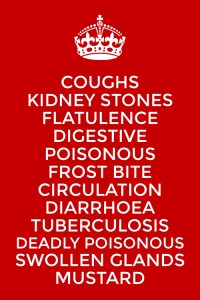
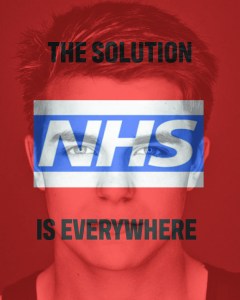
So looking at the work of these two artists I thought about my planned work for assignment 2. It works well together as I have 12 pieces I will display. The words relating to each work well displayed in an Ed Rusha Style. I thought completing the list with the recognised “Keep Calm” would add an official almost Health Department warning feel to it. The second one is my mock up of a poster to support the end of the project. You will have to wait for the assignment to be complete to see the outcome………SORRY!!! However the clues are all there on the posters just look and think.

Exercise 2.3 Topographic.

I read Sean O Hagan article from the Guardian newspaper. I like Topographic photography and like most humans love collecting things.

27 Roads Robert Adams.

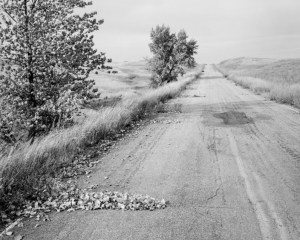
I like Robert Adams work he takes a small simple subject and creates a collection such as 27 Roads created in the late 1960s it is a collection of monochrome photographs of old American roads before the concrete highways. Taken at the time as a curiosity they become important historic records as time passes.

August Sandler work recording the German public.

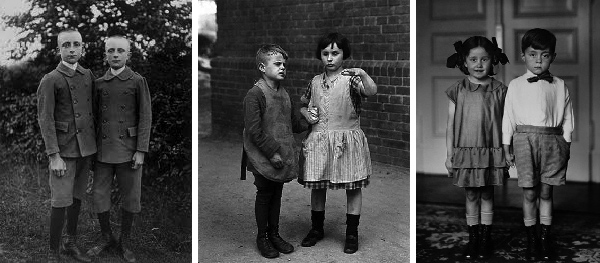
Much as August Sandler`s work in Germany had in the 1930s. His collection of photographs of all aspects of German working life is a superb record of the German people at the time just before the Nazis and the war which changed the country forever.

Steven Shore “Uncommon Places”.

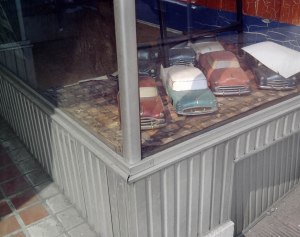
Stephen Shore created some amazing photographs in his topographical collection “Uncommon Places” in 1974. He takes shots of all things strange in the USA. Window displays, Cars and streets are all taken and recorded with good light and great colour. I see his influence in Martin Parrs work and on TV in the likes of “stranger things”.

Lewis Baltz “New Topographic`s, photographs of a man altered landscape.

Lewis Baltz is well know for his work “New Topographic`s, photographs of a man altered landscape”, influenced all these artists and continues to do so right to the present day. Windows you cant see through is a great series making me think of the pointlessness of certain things in life.

This style of the work can be used for all sorts of applications. Entertainment, Education or sales of a product. All can be approached using a topographic approach. One of the best I have seen is of chopped chocolate bars made by Rachel Been. However I have also seen work in the National Geographic recording every species of animal on the planet by Joel Satore.

Making collections with a theme appeals to Humans we like collecting and enjoy putting things into boxes so this style of work has great appeal to us all.

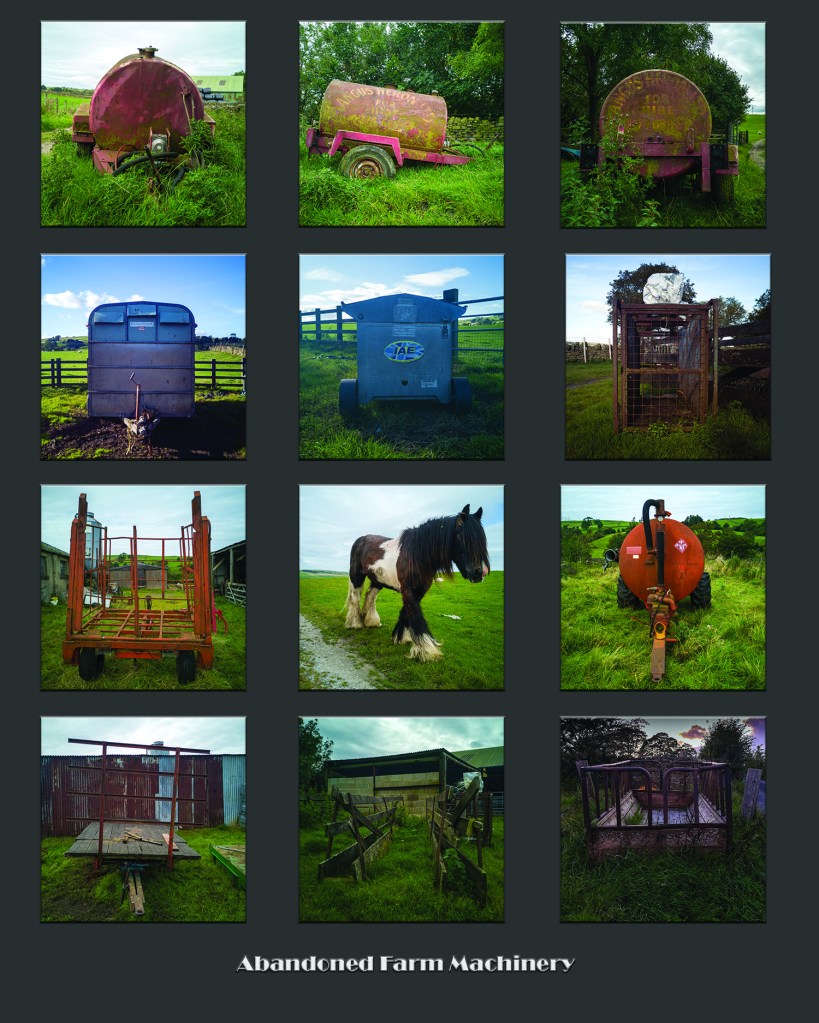
I thought I would have a go at putting together a quick Topographical series of photos of my own. Around where I live are lots of pieces of what appears to be abandoned pieces of farm machinery. It may seem unloved and unused but it isn’t. It is waiting for the season when it is useful. Ferilizing, Lambing, Worming or pulling just because it isn’t useful today doesn’t mean it wont be tomorrow.

My attempt at putting a collection together.

Exercise 2.2 Explore a road.

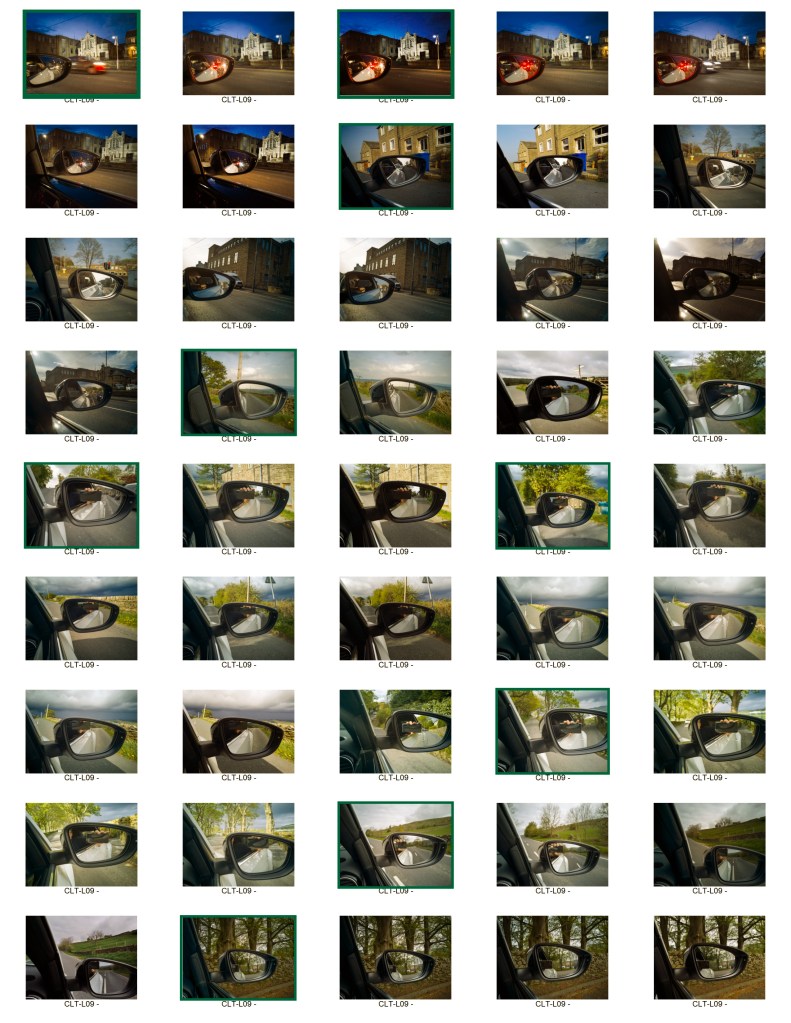
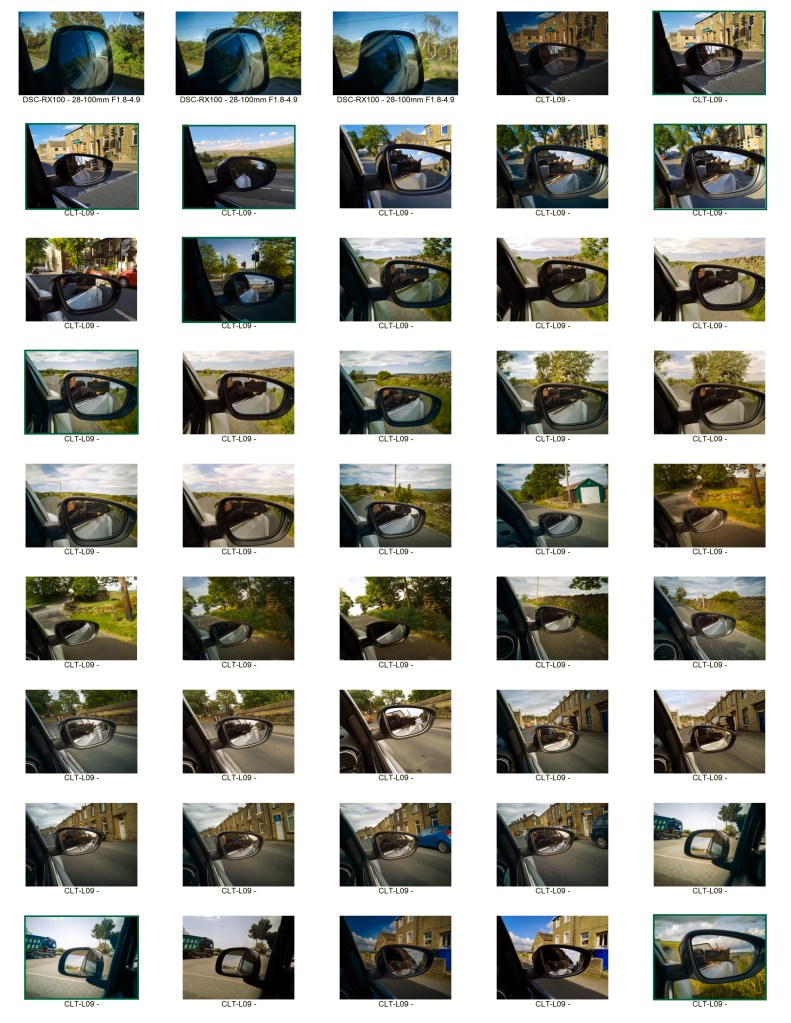
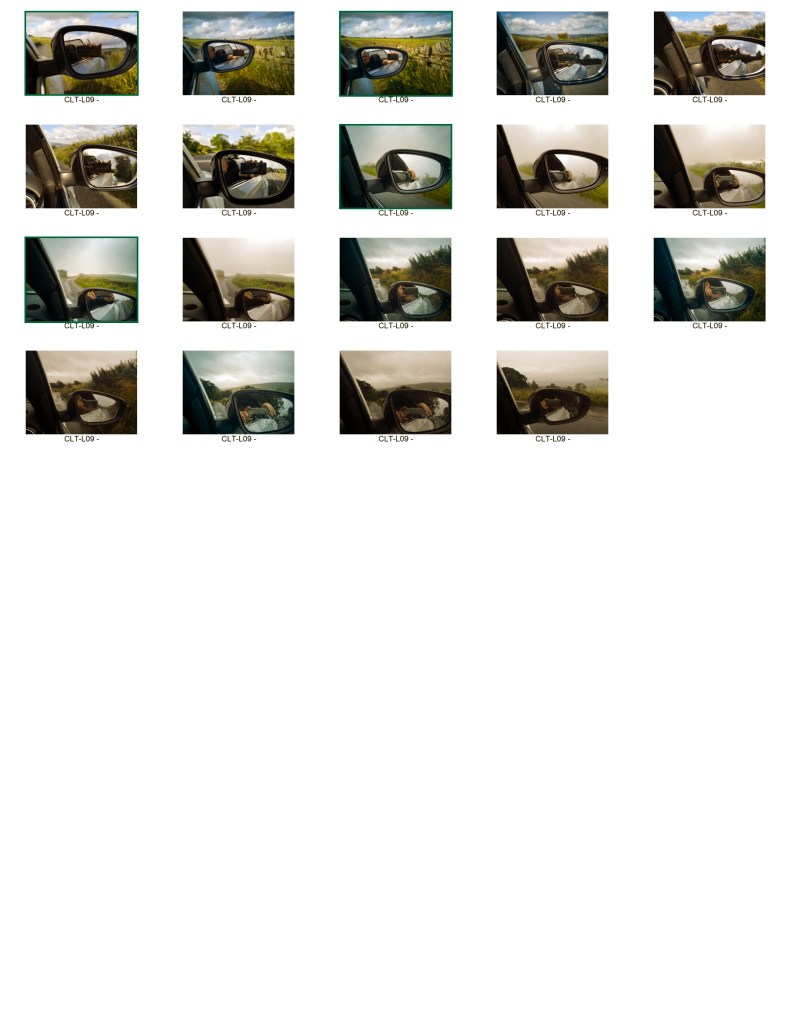
Several months ago I borrowed a copy of Dennis Hoppers book (1)Photographs 1961-1967. In it are great shots taken around Los Angeles in the states. Some of them show the view through the windscreen of his car and include the rear view mirror of his car driving on Sunset Strip. I thought about capturing shots of my journey between home and Skipton. I make this journey every Thursday. So here are the contact sheets for this road journey.

I set the camera so that I could whistle to trigger the shutter this meant I could drive and take shots when I chose in a safe manner. I wanted to get shots of where I was going and where I had been this is difficult in one shot.

Looking at the exposures I like the ones in town as they have lots going on in them. But my favourites are the ones out in the narrow lanes that lead to Skipton. On the contact sheets there are 109 exposures only around 10% are interesting in so much as they show where I am going and where I have been. The triggering by sound definitely worked.

To improve the work I would try to make a bracket to hold the camera in the same position. However this may make them all the same and render them sterile.

Cowling to Skipton.

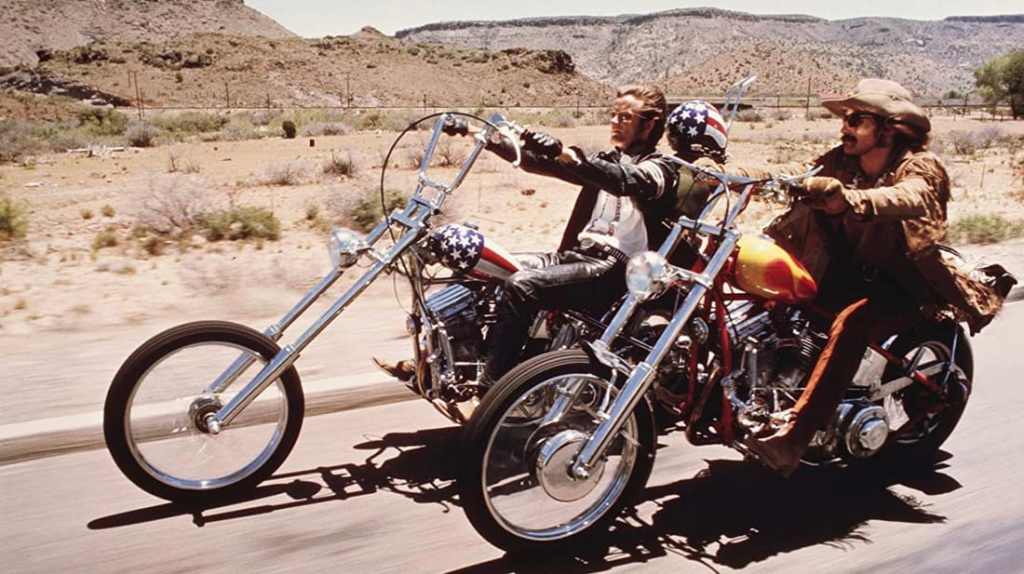
In the brief for this exercise we are asked to review a road movie. I had thought of Dennis Hopper earlier so why not review (2)Easy Rider which is most definitely a great road journey.

The movie was released in 1969 at a time when the USA was suffering from lots of areas of social, civil and foreign unrest. Assassanations of both Martin Luther King and Bobby Kennedy had shocked the country, Woodstock was held with a back drop or civil unrest and segregation for the young.

What is it about? The movies starts with a drug deal at the end of which Wyatt (Peter Fonda} breaks his watch. Whilst Billy (Dennis Hopper) watches on laughing. The two hippies then leave to have several adventures on the journey from Los Angeles to New Orleans. This journey has the promise of a better life at the end of it bought by the proceeds of breaking the law.

They travel across country to a great soundtrack of music. The country they travel through is typical mid America scenery. With lots of Gas Stations, Deserts, Billboard and Sunsets.

Sleeping outdoors or on one occasion on a farm which leads to an interlude with a commune where drugs and free love are freely available. After a break our riders get back in the saddle and back on the road.

Our two desperados enter a town and join a parade on their motorbikes. This leads to them to be arrested for “Parading without a permit”. After a night in jail they awaken to find they have been joined by a drunk in a suit. George Hanson (Jack Nicolson) turns out to be a lawyer who soon has them released on he joins them on the journey. He sees the business card he has for a brothel in New Orleans as an omen.

Again out on the road they are now three riders on the open road. They go to eat before leaving the town and engage in conversation with some young ladies in the diner. This upsets the local males who fall out with the three who decide to leave.

After sunset with a belly full of food and some recreational drug consumption the three fall asleep. Later in the night the local men attack the three killing Jack Nicolson. Our two protaganists leave the body wrapped in a blanket and take his belongings to return to his family.

They then arrive in New Orleans and have an advernture/experience with tow ladies of the night. This experience taking LSD in a grave yard. This part of the film is a challenge to watch and is quite disturbing. During this psycodelic piece a flash forward appears showing a motorbike on fire.

The pair are now in sight of their Nirvana and are horsing around when a truck with some rednecks passes them by. Billy has an argument with the Rednecks who produces a shot gun and kills him. Wyatt goes after the rednecks for revenge, he too his shot and the scene shown earlier as a flash forward is revealed as the end of the film.

I think this film is about an end of an era within the United States, the 1960s are fast coming to an end. The seventies are approaching fast. The American Dream of the land of the free is promised every where. However when people decide to break free they are not accepted in fact they are in peril.

This film is a modern cowboy film, it has many similarities to the cowboy films of old. Riders out in the wilds around campfires meeting many people friends and foe. Even the names Wyatt and Billy refer to characters in the old wild west. Being on the wrong side of the law chancing everything for a better future as Wyatt says by the fire on the last night “We Blew it”. Is he making this statement for America?

The first cut was going to be four hours long. What would it have done if we had been shown all the road trip bits. I like the fact we aren’t shown all the story. We are left to fill in the bits we aren’t shown after been shown the bits that lead us to the conclusion, we don’t have to know everything to experience a story.

References

Easy Rider 1969 (Film) Colombia Pictures, (Hollywood, USA).

Hopper, Dennis Photographs 1961-1967 (Book) 2017 (Taschen Cologne)..

Excercise 2.1 Territorial Photography

After reading Joel Snyder essay (Landscape and Power, 2002) Territorial photography we are asked to review two photographs of our choice from two of the mentioned photographers.

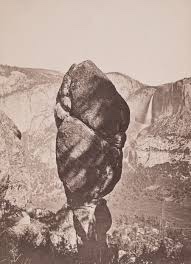
Agazzis rock with Yosemite Falls. Carleton Watkins 1851.

Carleton Watkins (Watkins, 1851)” Agassis Falls with Yosemite Falls” ,is an albumen Print on glass. It is high quality. The composition is obviously influenced by Watkins experience as a painter. The main subject, the rock is shadowed but shown with fine detail. The whole picture is sharp.

Thinking about Snyder, discussion of him taking photos to show that the wildernesses was being tamed whilst remaining untouched. You see this with the waterfall and the rock. However if you really look you can see roads, buildings and people.

It could be a high quality advert enticing you to go see. What you don’t see are the indigenous people, they are gone.

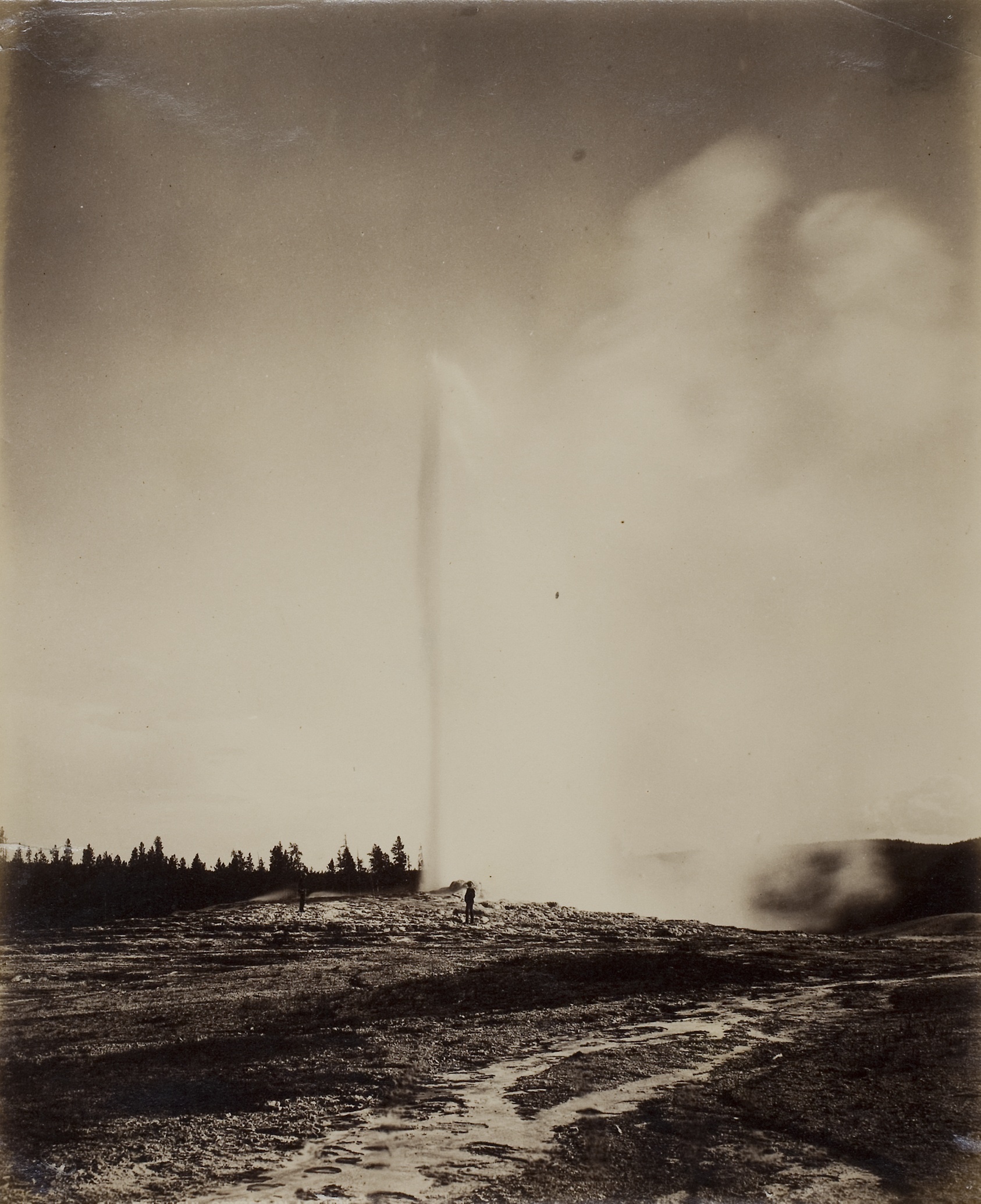
William H Jackson Old Faithful. 1871

William H Jackson, “Old Faithful” a huge Albumen Print 21cm x 17.5cm on paper. It is a high quality Print with good tone although some of the black tones are too dark. Jackson spent his time on surveys scientifically recording the central area of the USA. This photo was taken on Ferdinand Hayden’s Geographical Survey. It shows Old Faithful geyser erupting. steam blowing away from the main column of steam. He can’t resist though placing an assistant in Perl in front of the geyser. This adds scale and maybe is a reaction t being told his photos could not be used to provide measurements.

Neither Snyder nor Jackson were particularly celebrated at the time but are recognised as important practitioners now. They took similar photographs however they were for different purposes. Watkins showed the wildnerness being tamed and being used by the white man. Jackson wanted to show an untamed wilderness there to be explored and discovered.

I think I fall into the latter category.

References

Snyder, Joel. Territorial Photography. 2nd ed. Vol. Landscape and Power. University of Chicago Press, 2002.

Watkins, Carlton. Agazzis Rock with Yosemite Falls. 1871. Albumen Print from large glass plate. John Getty Collection.

William H Jackson. Old Faitful. 1871. Albumen Print from large glass plate. Art institute of Chicago.