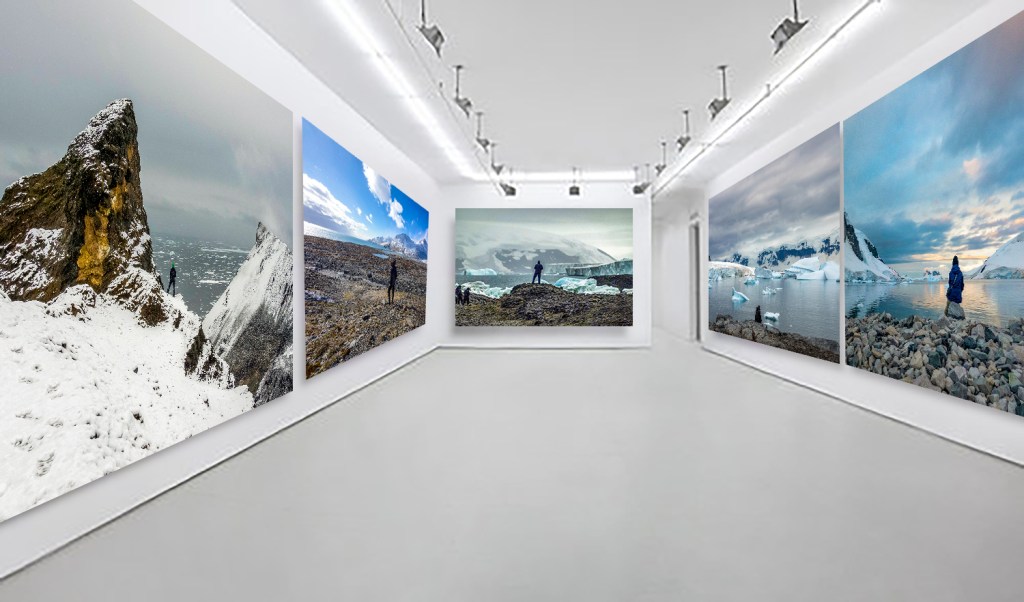
Thomas McEvilley writes the introdution of Brian O Doherty s book Inside the White Cube. O Doherty, Inside the White Cube. Below I consider the parts of the introduction that stood out when I read it. Then I want to answer three questions. 1 Where did the White Cube come from? 2 Why was it used? 3.How has it been used in recent times?
First McEvilley compares the space created to display art as a place of reverence. He writes “Constructed along laws as rigourous as those for building a medieval church”. I have experienced spaces like this they make me feel humble. Later he writes “The outside world must not come in, so windows are usually sealed off, the walls are painted white, the ceiling becomes the source of light”. Giving a spiritual almost religious experience. Next he takes a step back in time and discusses the art painted on the surface of caves. These spaces are generally difficult to get to with deep tunnels to traverse before you arrive at the art, so you make a journey to get to the art. Later Egyptian burial chambers are covered in vivid art however this structure is built to exclude all but the deceased from seeing it. Both of these galleries are difficult to enter and are linked by the dead and the visitor must be elite.
Secondly McEvilley writes about the eye and the spectator “The prescence before a body of art”. By this I believe he means we are reverent. No talking or laughing, no enjoyment just silent staring as if the eye as become disembodied and is staring blankly at the work with no feeling or emotion.
In the third section McEvilley talks about the thing, the piece of art and discusses a gallery that was empty and one that was full of rubbish. Whatever you think of this it has a message about the kind of art we place in our galleries. Both would have provoked thought and discussion around the relevance of art. Pythagorus and the Pythagorean’s said, “at the start there was nothing, a blank space,” much as in the White Cube.
So after reading this introduction I have several questions. I try to answer three of them below.
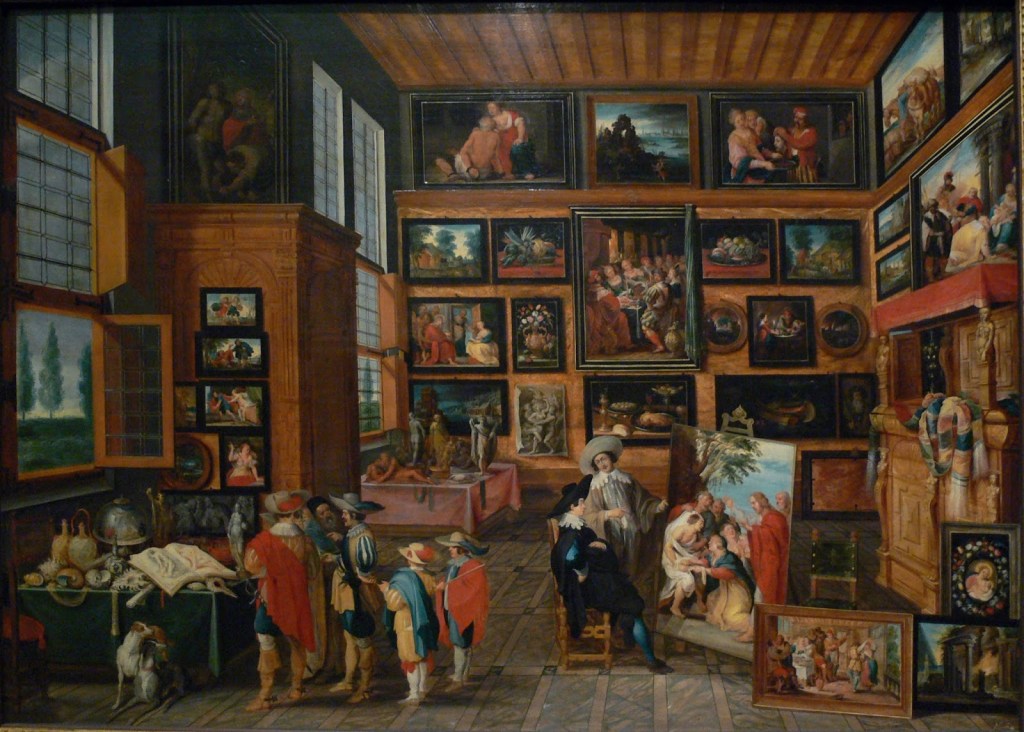
1. Where did the White Cube come from? In time gone by galleries were cluttered with many pieces of art on the walls. They tended to be private collections held by the wealthy. Public Galleries were formed in numbers in the 17th century. They still remained cluttered with many pieces on the wall. In the late 19th century Galleries became more ordered with space dedicated to lesser number of pieces so you could see and study the work. The decor was considered with different galleries using sympathetic colours to compliment the works on display.
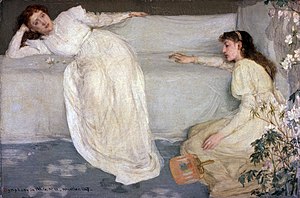
In 1867 the American artist James Abbott McNeil Whistler painted “Symphony in white no 3” Whistler, Symphony in White No3 the third painting in a series. People discussed what the ladies were. Are they ladies of the night or a bride and bridesmaid. Whistler only ever told his elite set of friends that it was just what the title stated a symphony in White and no more .American Art History and Culture 1993.Craven, American Art History and Culture.
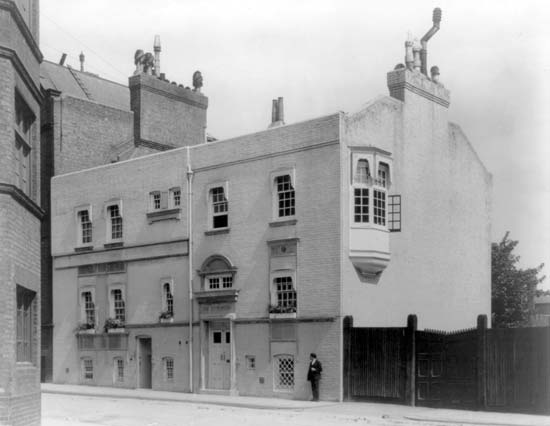
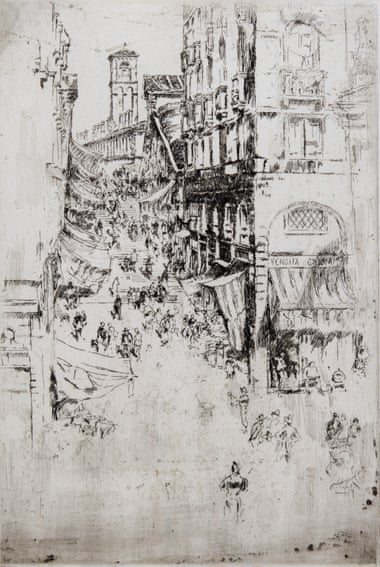
In May 1879 after losing a trial against John Ruskin who criticised his work. Plus carrying out expensive work on his house the White House. Whistler was made bankrupt. A friend gave him a contract to make views of Venice. He exhibited them at the London Fine Art Society. Craven, American Art History and Culture. This exhibition was totally different to any before. The room was White, the work was mainly white, the furniture was white even the attendants wore white uniforms. The pictures were displayed with large blank spaces between. The press wondered if some of the pictures were missing.
2. Why was the White room used? The critics didn’t like it saying it felt as if there was nothing to see in the room. The art world enjoyed it it made them feel elite and a cut above the rest. Whistler had an obsession with the purity of white dressing in white waistcoats, living in the White House in Chelsea and even having a white Quiff of hair. He used the White Room to impress his arty elite friends so they could have an art secret making them aloof from the public.
3 How has the White room been used in modern times? My feeling is that the White room style of gallery is used in mainly commercial galleries to encourage buyers of art convincing them they are buying into an elite world. This sterile environment is employed to show off the product a little like a car showroom. At least the car showroom as an excuse to be white, we wont buy a car that leaks oil onto the floor.
I have considered the Where, the why and the how after reading the introduction to the book. Galleries should be places where we can giggle, talk, smile or even laugh as we enjoy artists work. These sterile white spaces show work off in radiant light but the feeling and emotion is destroyed because we the viewer is stifled by the environment. John Saatchi called the White Cube style Cliched, Worryingly out dated and Anti-septic. Milner, “Saatchi Turns on Cliched Britart Rivals.” Could it have been sales that encouraged him to keep the White Cube open long after his article in the Telegraph? Whilst the White cube has its place it should be used sparingly and not as the normal way of displaying art.
Work Cited
Craven, William. American Art History and Culture. One. McGraw-Hill Education, 1993.
Hill, Matt. “Art in Three Colours (Whte).” Colour TV Broadcast. White. Various Sites: BBC, 2020. https://www.bbc.co.uk/iplayer/episode/b01lng0m/a-history-of-art-in-three-colours-3-white.
Milner, Catherine. “Saatchi Turns on Cliched Britart Rivals.” Telegraph. September 28, 2003. https://www.telegraph.co.uk/news/uknews/1442665/Saatchi-turns-on-cliched-Britart-rivals.html.
O Doherty, Brian. Inside the White Cube, n.d.
Whistler, James Abbott. Rialto Bridge. 1879. Etching Monochrome. London Fine Art Society. https://www.gardnermuseum.org/experience/collection/23901. ———.
Whistler, James Abbott. Symphony in White No3. 1867. Oil on Canvas. Birmingham Museum.







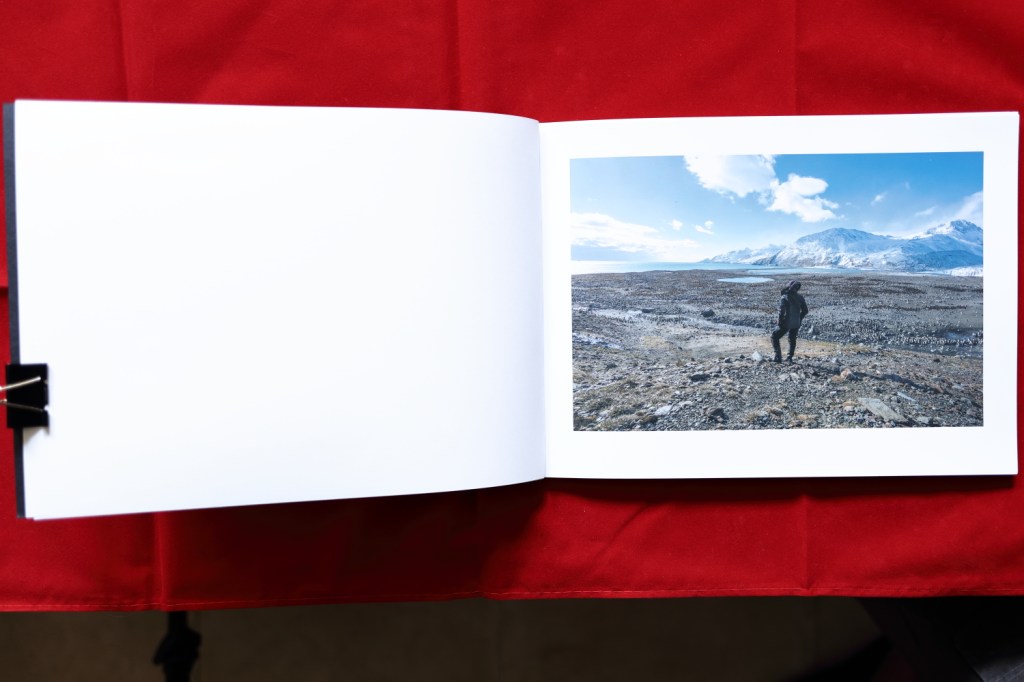
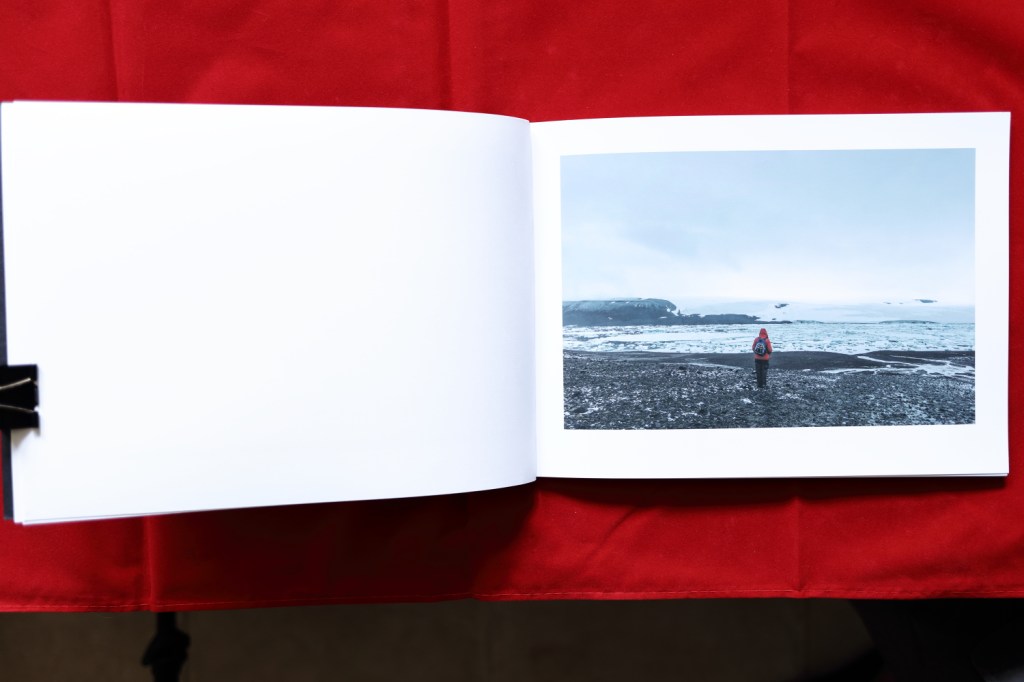
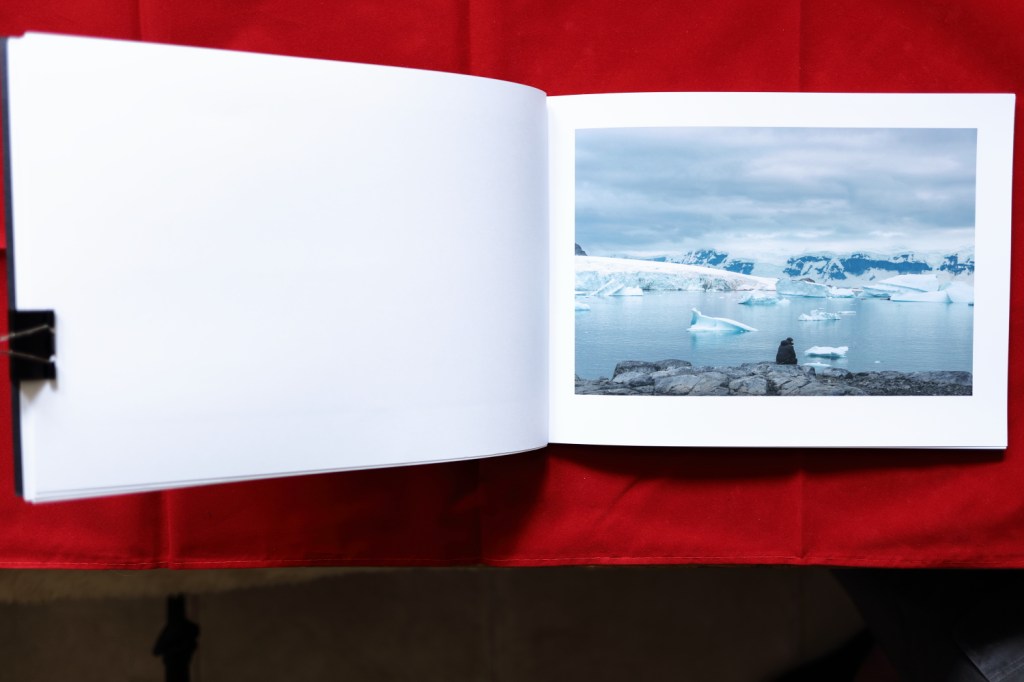
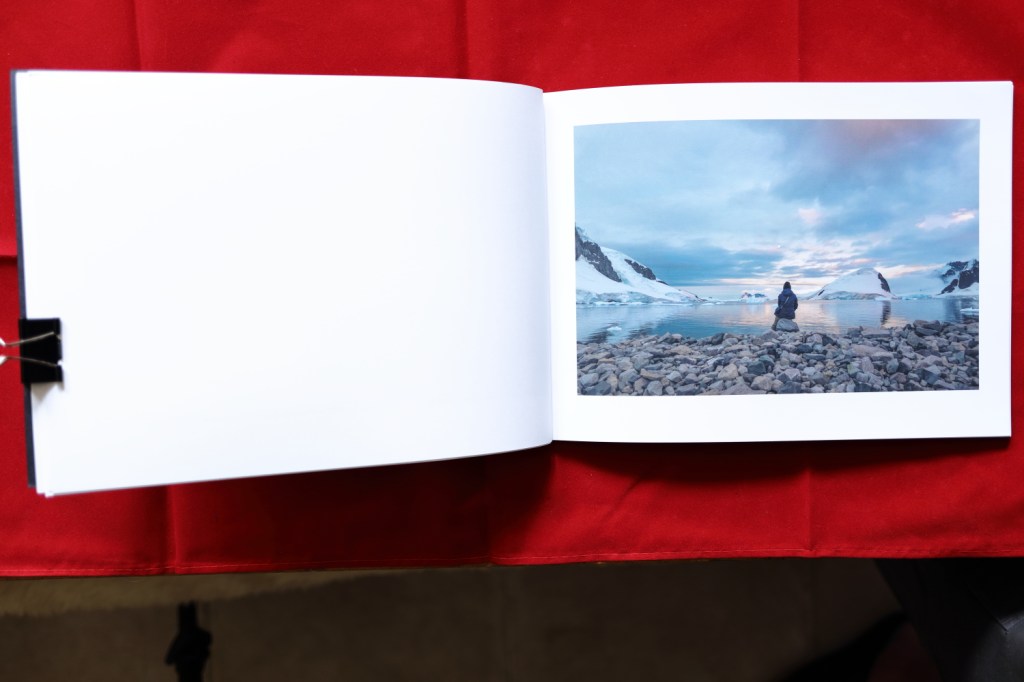
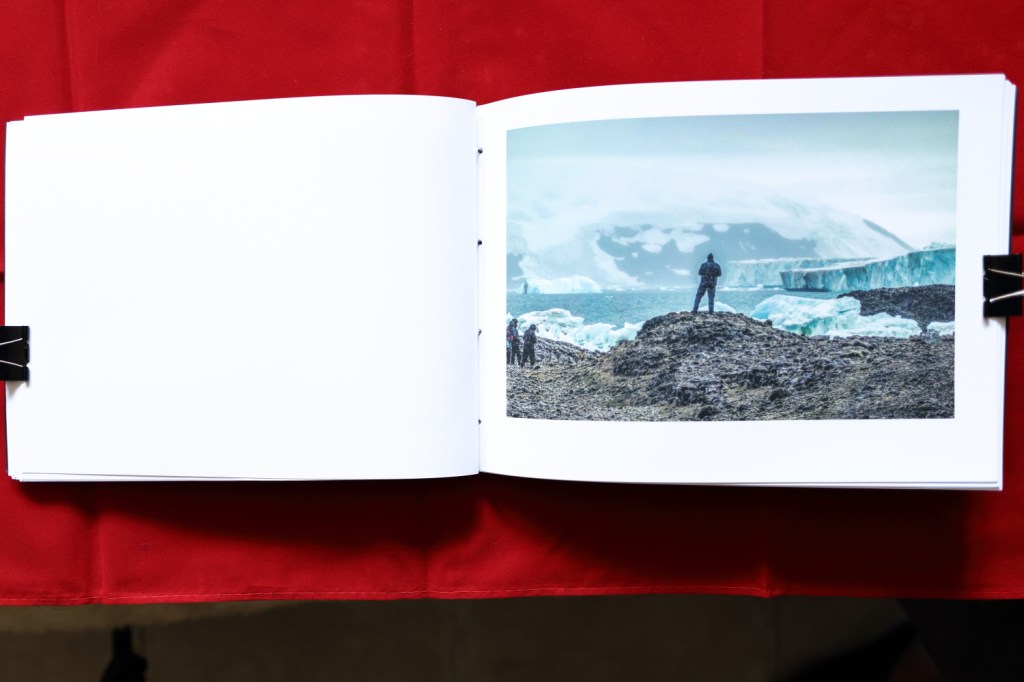
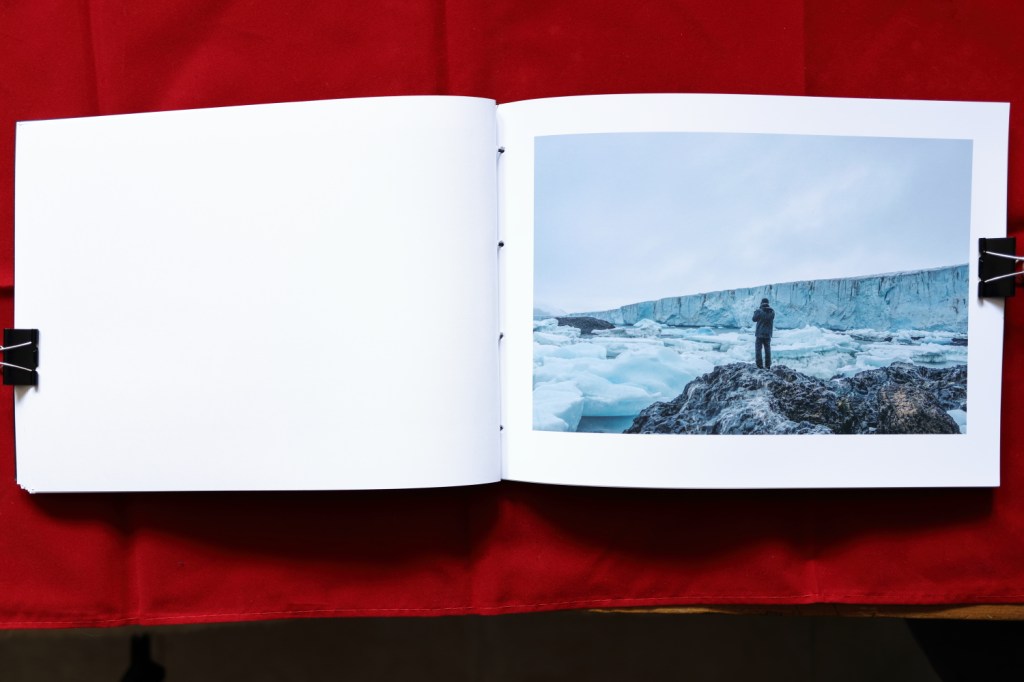
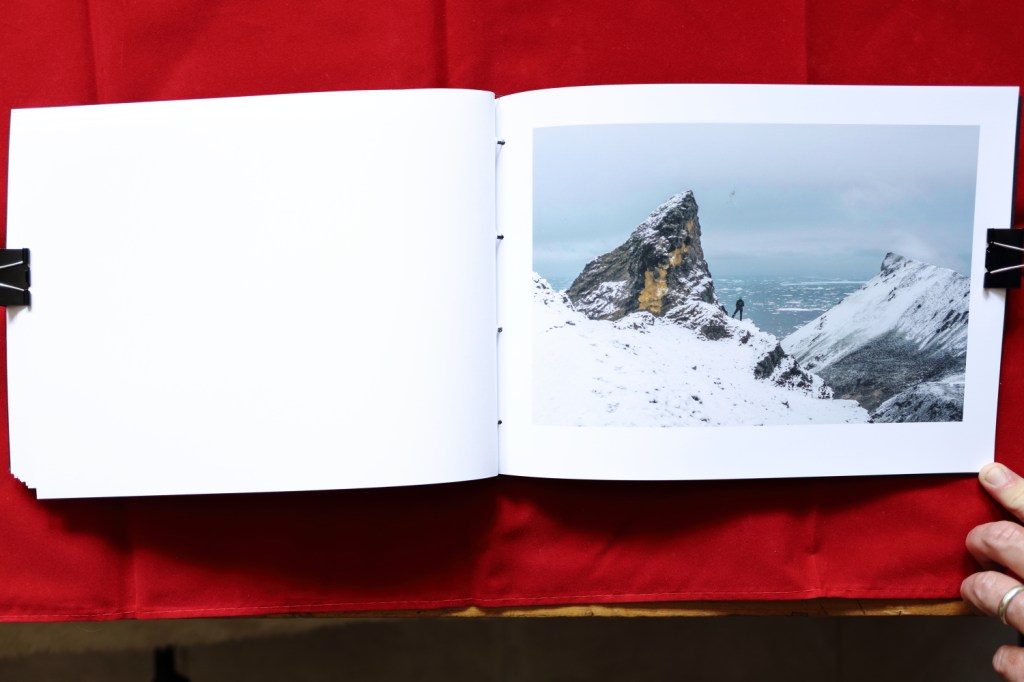
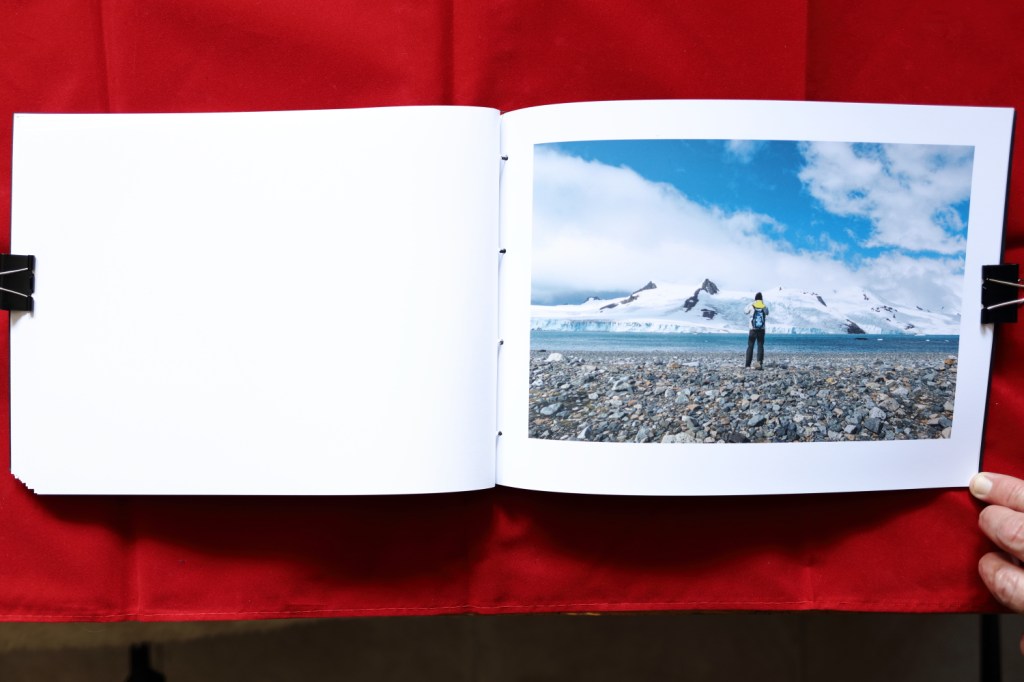



















 Michael Green Landscape Studies