Exercise 5.1 Origins of the White Cube.

Thomas McEvilley writes the introdution of Brian O Doherty s book Inside the White Cube. O Doherty, Inside the White Cube. Below I consider the parts of the introduction that stood out when I read it. Then I want to answer three questions. 1 Where did the White Cube come from? 2 Why was it used? 3.How has it been used in recent times?

First McEvilley compares the space created to display art as a place of reverence. He writes “Constructed along laws as rigourous as those for building a medieval church”. I have experienced spaces like this they make me feel humble. Later he writes “The outside world must not come in, so windows are usually sealed off, the walls are painted white, the ceiling becomes the source of light”. Giving a spiritual almost religious experience. Next he takes a step back in time and discusses the art painted on the surface of caves. These spaces are generally difficult to get to with deep tunnels to traverse before you arrive at the art, so you make a journey to get to the art. Later Egyptian burial chambers are covered in vivid art however this structure is built to exclude all but the deceased from seeing it. Both of these galleries are difficult to enter and are linked by the dead and the visitor must be elite.

Secondly McEvilley writes about the eye and the spectator “The prescence before a body of art”. By this I believe he means we are reverent. No talking or laughing, no enjoyment just silent staring as if the eye as become disembodied and is staring blankly at the work with no feeling or emotion.

In the third section McEvilley talks about the thing, the piece of art and discusses a gallery that was empty and one that was full of rubbish. Whatever you think of this it has a message about the kind of art we place in our galleries. Both would have provoked thought and discussion around the relevance of art. Pythagorus and the Pythagorean’s said, “at the start there was nothing, a blank space,” much as in the White Cube.

So after reading this introduction I have several questions. I try to answer three of them below.
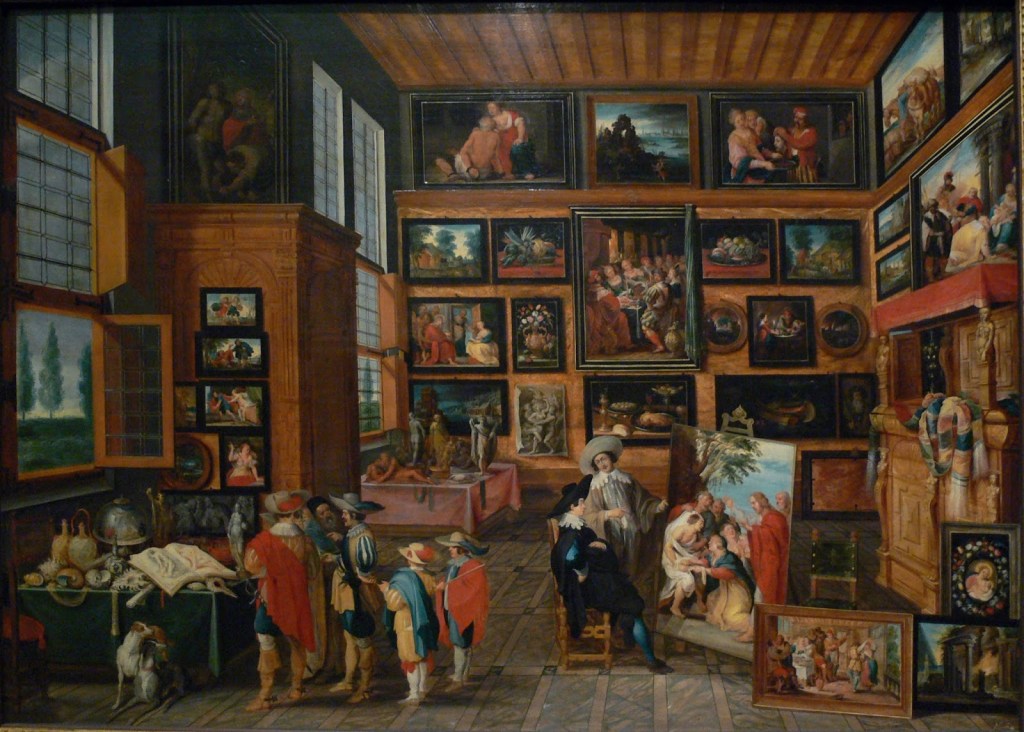
Early Flemish Gallery 17th Century.

1. Where did the White Cube come from? In time gone by galleries were cluttered with many pieces of art on the walls. They tended to be private collections held by the wealthy. Public Galleries were formed in numbers in the 17th century. They still remained cluttered with many pieces on the wall. In the late 19th century Galleries became more ordered with space dedicated to lesser number of pieces so you could see and study the work. The decor was considered with different galleries using sympathetic colours to compliment the works on display.
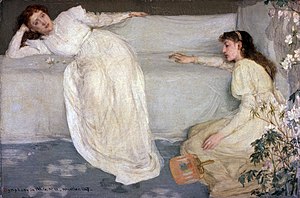
6JAM Whistler Symphony in White No3 1867 Birmingham Art Gallery.

In 1867 the American artist James Abbott McNeil Whistler painted “Symphony in white no 3” Whistler, Symphony in White No3 the third painting in a series. People discussed what the ladies were. Are they ladies of the night or a bride and bridesmaid. Whistler only ever told his elite set of friends that it was just what the title stated a symphony in White and no more .American Art History and Culture 1993.Craven, American Art History and Culture.
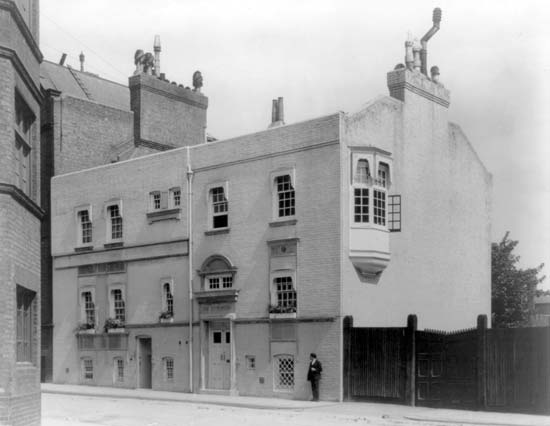
Whistlers Chelsea White House 1879.

In May 1879 after losing a trial against John Ruskin who criticised his work. Plus carrying out expensive work on his house the White House. Whistler was made bankrupt. A friend gave him a contract to make views of Venice. He exhibited them at the London Fine Art Society. Craven, American Art History and Culture. This exhibition was totally different to any before. The room was White, the work was mainly white, the furniture was white even the attendants wore white uniforms. The pictures were displayed with large blank spaces between. The press wondered if some of the pictures were missing.
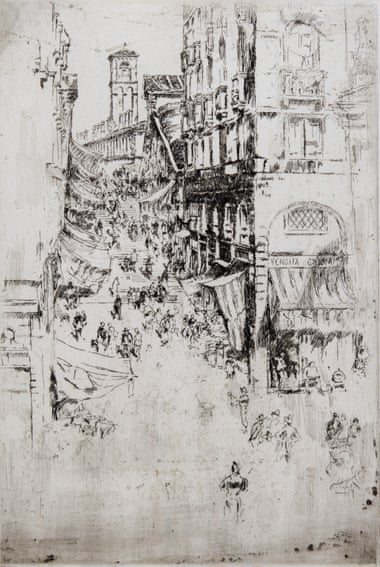
JAM Whistler etching of the Rialto Bridge 1879 Whistler, Rialto Bridge.

2. Why was the White room used? The critics didn’t like it saying it felt as if there was nothing to see in the room. The art world enjoyed it it made them feel elite and a cut above the rest. Whistler had an obsession with the purity of white dressing in white waistcoats, living in the White House in Chelsea and even having a white Quiff of hair. He used the White Room to impress his arty elite friends so they could have an art secret making them aloof from the public.

3 How has the White room been used in modern times? My feeling is that the White room style of gallery is used in mainly commercial galleries to encourage buyers of art convincing them they are buying into an elite world. This sterile environment is employed to show off the product a little like a car showroom. At least the car showroom as an excuse to be white, we wont buy a car that leaks oil onto the floor.

I have considered the Where, the why and the how after reading the introduction to the book. Galleries should be places where we can giggle, talk, smile or even laugh as we enjoy artists work. These sterile white spaces show work off in radiant light but the feeling and emotion is destroyed because we the viewer is stifled by the environment. John Saatchi called the White Cube style Cliched, Worryingly out dated and Anti-septic. Milner, “Saatchi Turns on Cliched Britart Rivals.” Could it have been sales that encouraged him to keep the White Cube open long after his article in the Telegraph? Whilst the White cube has its place it should be used sparingly and not as the normal way of displaying art.
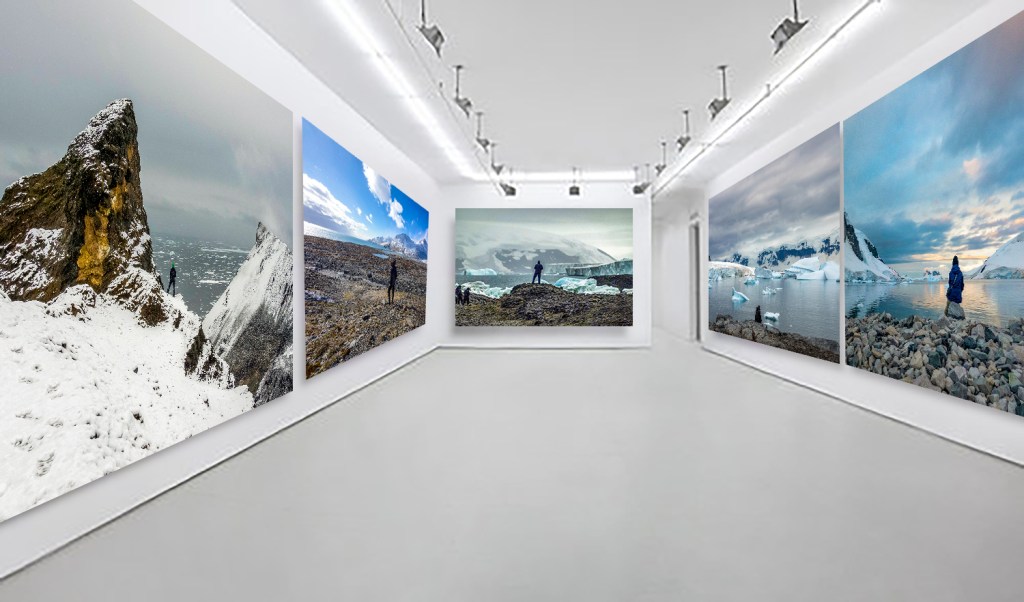
My work projected into the White Cube.

Work Cited

Craven, William. American Art History and Culture. One. McGraw-Hill Education, 1993.

Hill, Matt. “Art in Three Colours (Whte).” Colour TV Broadcast. White. Various Sites: BBC, 2020. https://www.bbc.co.uk/iplayer/episode/b01lng0m/a-history-of-art-in-three-colours-3-white.

Milner, Catherine. “Saatchi Turns on Cliched Britart Rivals.” Telegraph. September 28, 2003. https://www.telegraph.co.uk/news/uknews/1442665/Saatchi-turns-on-cliched-Britart-rivals.html.

O Doherty, Brian. Inside the White Cube, n.d.

Whistler, James Abbott. Rialto Bridge. 1879. Etching Monochrome. London Fine Art Society. https://www.gardnermuseum.org/experience/collection/23901. ———.

Whistler, James Abbott. Symphony in White No3. 1867. Oil on Canvas. Birmingham Museum.

Exercise 5.7 Landscape, Place and Environment. Artist Statement

OCA Logo.png

01/06/2020.

Michael Green

A self determined project.

I am a level 2 student with Open College of the Arts. I have been interested in photography since attending college in Leeds in my teens. I spent hours in the college library looking at photography books showing varied subjects, history to autopsy photographs. The ones that interested me most linked photography with Art.

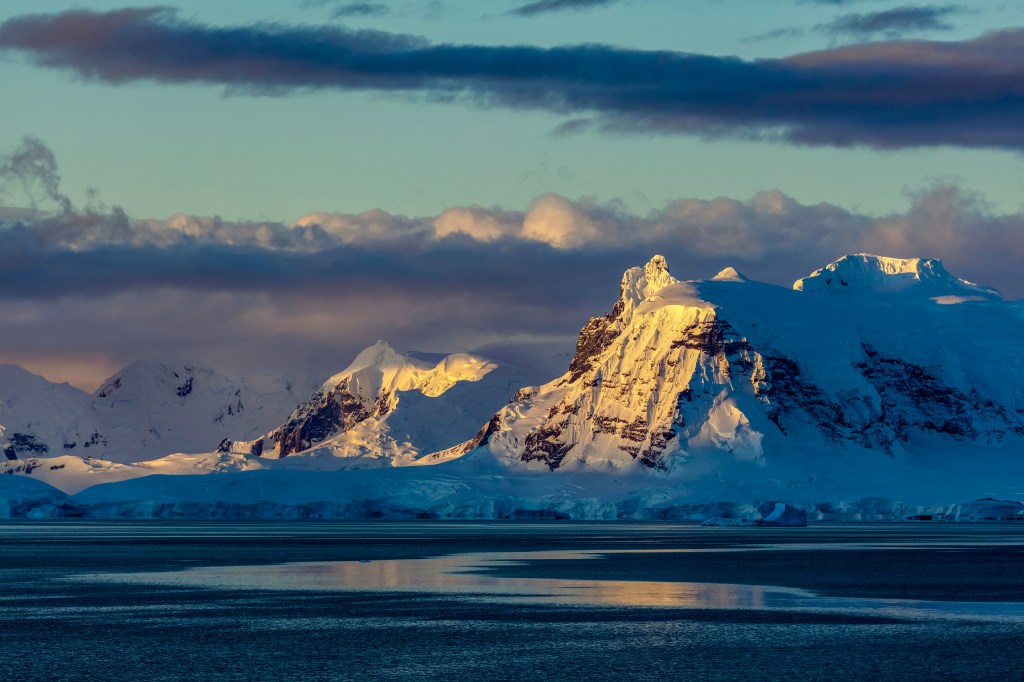
Recently I have been fortunate to visit Antarctica. I tried to capture the scale of the landscapes in Antarctica with varied success. Whilst thinking about these landscapes I saw people having a spiritual experience as they observe the scale of this place. These spiritual moments made me think of Caspar David Friedrich and his painting “The wanderer above the sea of fog”. This painting depicts a person having a reaction to the landscape before them. I see this same reaction in many of the people who witness the landscape in this polar place.

I find it fascinating watching people taking selfies as I did in a previous course. Equally beguiling is the way this landscape has the power to stop you in your tracks. I used my compact camera allowing me to carry it wherever I went and enabling me to quickly deploy it to capture these moments so I can share them with you.

Exercise 5.6 Context and Meaning.

John A Walker’s (Walker, 1980) essay was a revelation to me. I found it extremely interesting to think of the different contexts one photo can inhabit.

He starts talking about a wedding photograph and how its meaning changes just by taking it from a wedding album and placing it in a photographers window. This one photograph goes from a family memento to an image showing the skill of the photographer.

Then he writes about Jo Spence (Spence, 1978) and her photos taken over forty years and how these ordinary photos take on different meanings when shown in a feminist journal. It was interesting to look at these images and think about how the meaning of the images changes with a change of context. If you put them in a glossy magazine or a feminist journal. They go from strange and quirky to photos that make me consider the plight of the female. This is achieved by taking the photos from the private to the public context

Next he looks at Peter Marlows National Front Steward (Marlow, 1979) this photo shows a strong young man, defiant and aggressive. To the right-wing he appears as a warrior, to the left-wing these characteristics are turned against him. This type of image featured in the propaganda of the nazis in the 1930s.

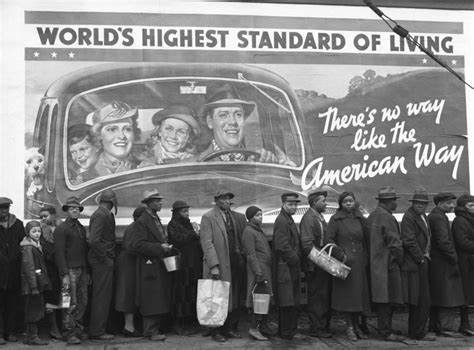
Margaret Bourke-White. Kentucky Flood 1937

I found it refreshing to see Margaret Bourkes-White (Bourkes-White, 1937) Photo feature in the essays. I had found this photo in my research for assignment 4. I had seen the same messages that Walker discusses in his piece of writing..

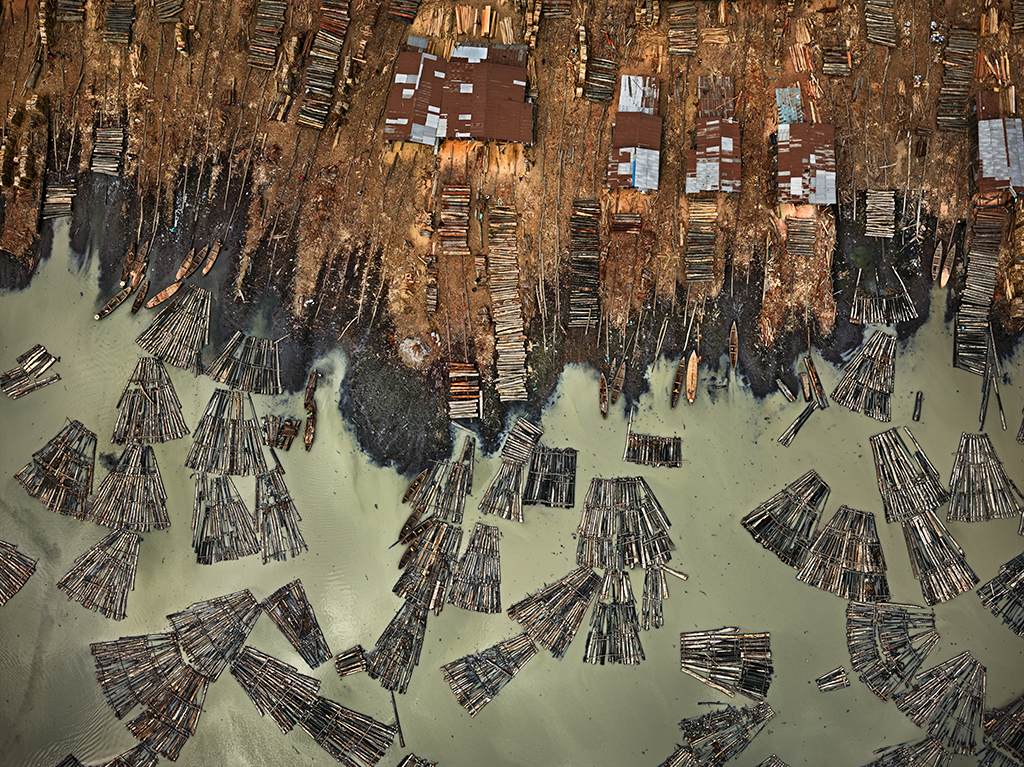
Edward Burtynski Sawmills 01 Lagos 2016.

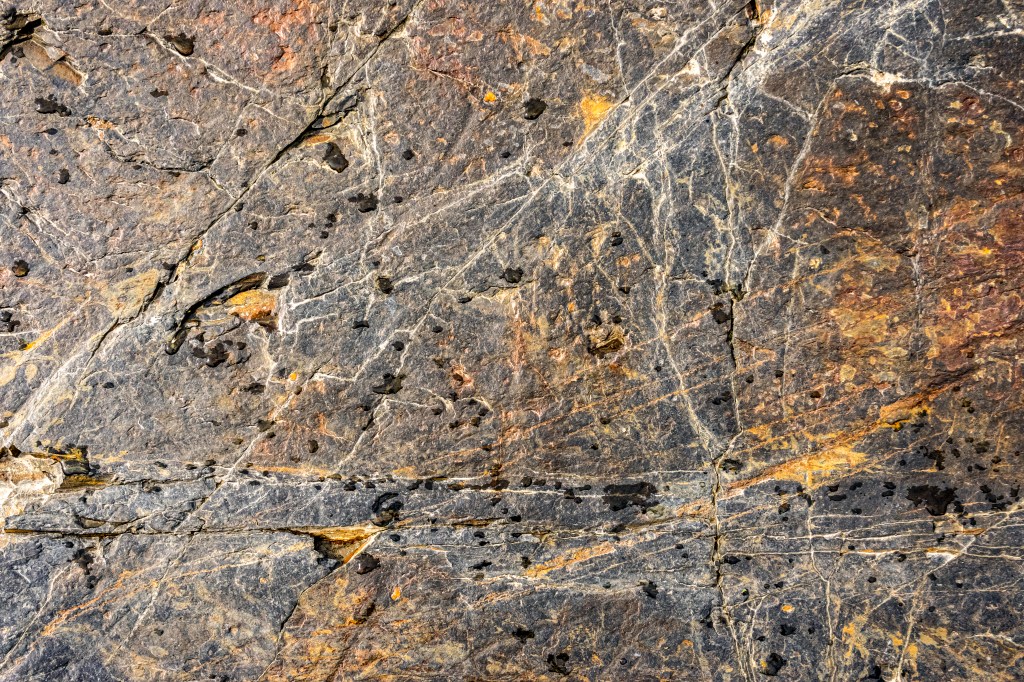
Reading all this essay made me think of the series of images I had used for my slideshow in the previous exercise. Let us take just one and consider the different contexts. First though what is the photograph of It shows a close up of a rock face. It is colourful and I compare it to Burtynsky’s work. He shows sawmills from above and the damage this industry does to the landscape. (Burtynski, 2016). My approach is to show the landscape before the industry destroys it.

Michael Green, Antarctic Rock Face 2020

So the contexts I see are, first it is just a picture of rock. Secondly in the slide show it becomes an image within a series showing more rock. Third, It is my Background image on my iPad it makes the program Icons stand out. Fourth in an environment publication it would highlight the vulnerability of Antarctica and encourage its protection. Fifth place this image in a geological publication and it could encourage mining and exploitation of this fragile place. Sixth place it in a gallery printed large and it becomes a piece of art with its form and colours.

One of the contexts mentioned above is of a slideshow. I saw how much ice is disappearing and thus how much rock is becoming exposed. This exposed rock is full of minerals. They are protected now but in 2038 the Antarctic Treaty is up for renegotiation. We should start to lobby now to prevent damage being done to this place to retrieve these minerals.

Six different contexts with very different meanings from one photograph. When I took the exposure I hadn’t thought about any of this.

As photographers we need to consider the different contexts but we must also be aware that we don’t control the contexts others place onto our work.

Works Cited

Bourke-White, M. The Kentucky Flood. Art and Artists. Whitney Museum of American Art, New York.

Burtynski, E. Saw Mills 01 (Lagos). Edward.Butynski.com. New York.

Marlow, P. National Front Steward. Camera Work. London.

Spence, J. Facing up to myself. Spare Rib. London.

Walker, J. A. (1980). Context as a determinant of photography. Camera Work, 5-6.

Exercise 5.5 Slideshow.

This exercise was great fun to complete. It felt to me like telling a story and supported my thought process out in the field.

On a visit to St Andrews Bay in South Georgia I saw a beach with 100,000 breeding pairs of King Penguin and 5000 seals. They arrive on this beach within a few days of one another and return to the sea just as quickly once they have all bred and raised young.

Earlier in the course I had read about Roger Fenton (Fenton, 1854) and had seen his photographs of the aftermath of the charge of the light brigade his photo shows cannonball on the road used for the charge. This started me to think of the aftermath of the visit of the animals at the site I was to visit.

Roger Fenton Valley of the shadow of death 1854.

So I started by creating an outline of the kind of shots I would like to tell the story of the aftermath. The shots will not be easy for the viewer to see as they show all the gruesome aftermath much as those used to depict a battle.

I will open with a shot of the site fully populated by the breeding birds and then later in the season look for shots showing the suffering the creation of the next generation produces. I took sixty photographs over the next three months.

On my return home I looked at these exposures and got the list of ones I wanted to use down to twenty. The extra forty are duplicates of the same shots so are not needed.

I looked at several slideshows including the one in the course work by Andy Adams (Adams, 2013). I didn’t want to subject my viewer to 18 minutes. The duration I could comfortably watch was around three minutes so that is my target duration.

Another that stood out was Hunter Noack (Noack, 2017) and the Slideshow entitled In a Landscape. This slideshow tells of a classical concert about the landscape. It shows photos of the concert and people enjoying music in the outdoors. It is two minutes long and I felt comfortable watching for this duration.

This means each exposure in the slideshow will be visible for four seconds. This gives a total run time of just over two minutes. This should leave my viewer wanting more. One of my key aims in producing this work.

I used Photoshop to edit the images and then transferred them to my iPad where I used movie maker to produce the show. The process was very easy to follow and the instructions were informative and helped me add titles where I wanted them.

Next I considered music. I tried Sinfonia Antarctica No 7 by Vaughn Williams (Williams, 1952). It worked to a degree but was too long and a little too dramatic. I had made a series of recordings of animal noises and the sound of the sea and wind on my iPad so I tried these. They work perfectly and will allow me to add commentary so the viewer understands what they are looking at.

Last I played with titles I kept this as short and simple as possible just giving the location at the beginning and ending with the words “Until next year” to make it clear this will repeat every year.

Below you will find a link to my work, click on the link and the file will open on your system,please feel free to comment and let me know if what you think of my approach to the subject.

Exercise 5.4 Online Exhibitions

I read the article written by Sharon Boothroyd (Boothroyd, 2020) and agreed with her observation that it was professional looking. I wondered though what I had gained and lost with the experience?

Andy Adams (Adams, 2012) has curated an interesting,beautiful and an entertaining slideshow. With some great images in recognizable styles.

I felt the slideshow was a little long at 18 minutes but stayed the course and overall enjoyed the experience. It certainly showcased many artists and their work. The accompanying words added to the experience and I noted quite a few names for me to look at after the show.

Not being able to spend more time with some shots and less time with others was frustrating at times. However I went back and paused to look with more detail at both shots I liked and liked less. However when paused the detail suffered and I wasn’t getting the best I could from the work being shown to me.

Therefore this would work well if accompanying another format say a book or as a trailer for an exhibition. It would work well to tease me to seeing more. I enjoyed it though. The different artists use of irony and humor made the show very watchable.

The film was lacking sound or commentary and the fact the film is so long made it feel a little sterile to me. Just a few sound effects or some words from the artist would have added a new dimension to the piece of work I watched.

I wonder about commentary but I am not sure if the world is ready for my Yorkshire accent but will experiment when I make my slideshow.

I think my slideshow will be called aftermath and will show the aftermath of a breeding season of a penguin colony. I will add sound and commentate over the images. I am looking forward to this one. However I will keep the time length down so my viewer wants more and is less inclined to become bored.

Andy Adams, 2012 Vimeo.

Boothroyd, Sharon, https://weareoca.com/subject/photography/online-exhibitions/?utm_ 2020.

Exercise 5.3 Print on demand mock up.

In this exercise we look at making a photo book using an online provider. I chose Blurb as I have used them previously during the course..

However I have always just used a straight forward template and played around with it a little. This time I wanted to start with a blank page and build the book from scratch.

I had also only ever created a photobook using my Ipad so this time I wanted to complete it on my PC so downloaded the software to get started. After reading the description as I waited for the download I thought this was going to be like having a clean sheet of paper. I was a little disapointed to start the process choosing page numbers and types of cover.

I started to upload my photos to the software. On the third one the software launched a pop up box and adviced me the photos were too large and I needed to make them smaller. Even giving me the dimensions recommended for the size of book I had chosen. This saved me lots of time as I stopped at that point and amended the photos .

After adjusting the dimensions using batch process in Adobe Bridge I continued to upload them to the book.

The software seemed difficult to use at first, but once I had completed five or six pages the layout became pressing F1 helped a few niggles.

Having placed the photographs on the pages I could easily move them around within the book just by dragging and dropping the pages.

Next I played with text, writing pieces for the inside of the dust cover and adding captions to each photograph.

Finally I used the auto align setting in edit to move everything so the words and pictures aligned correctly. It took me a few moments to find the spell checker and I couldn’t change the dictionary to English however that could just be because I didn’t find the setting.

Uploading was straightforward taking around 15 minutes. I checked it again and placed the order another nice touch was the email that arrived this afternoon giving me 40% off the total price of the book.

I chose to pay the £2.50 for a PDF copy which I will include below.

Overall it wasn’t a difficult process and was surprising how much I could change once I had set up the parameters of the book.

Exercise 5.2 Print Quotes.

In this exercise I am asked to put together a quotation and comparison from three companies to get my images professionally printed. To get this done I will need to have a set of criteria to work to. I think that I must look at getting the print completed as big as possible so A3 or A2. I will look at C- Type printing and Giclee printing.

Before I put together the quote I think it would be useful to look at the difference to fully understand what is on offer from the companies I get quotations from.

C-Type printing or Lampda printing is much like a develop analogue print. Photographic paper is exposed to light to create a high quality print. It is almost a darkroom in a digital age. Quality photographic paper goes through the printer and is exposed to light. This light contains the data from a digital file. The source can be either LED or Laser light. After exposure it goes through a typical chemical process to fix the exposure. The paper can be Matte, Gloss or Metallic and the finished print is termed Archival and has a life of up to 40 years. The finished product will be of around 400 dpi.

Giclee printing uses a high quality printing employing 8 to 12 inks sprayed through a print head. This produces a high quality print however it will not be quite as detailed as the C Type print but will be of high quality none the less. The big advantage for Giclee is the number of papers available From Matte, Gloss, Super Gloss, Cotton, Textured and so on. You can combine this to create effects to bring the best out of you images. The finished product will be 300dpi.

Neither is better than the other they produce high quality prints we artists need to think carefully about what we want to say when we show our images. Using the right process can bring the best out of our work.

This first set of quotes is for C Type printing on A3 Matte paper with no mounting and no finishing coat. All prices include VAT. Paper weight is gm2.

CompanyPlacePaper PriceP&P
SpectrumBrightonFuji Crystal Archive Matte£8.88£6.50
The Print SpaceLondonFuji Crystal Archive Matte£9.85£4.35
Digital LabNewcastleFuji Crystal Archive Matte£7.32£6.95
Quotations for C Type Prints.

This quotation is for Giclee prints the size is A3 Matte paper with a weight of around 310gsm. The great thing with Giclee is the number of papers available this allows us to create different effects. For this quote though it makes it a little difficult to create a level playing field. So I used cotton rag as a benchmark to create this level playing field.

CompanyPlacePaperPrice P&P
SpectrumBrightonCotton Rag Matte£12.48£6.50
The Print SpaceLondonCotton Rag Matte£12.96£4.35
Digital LabNewcastlePhoto Rag Matte£34.00£6.95
Quotations for Giclee Prints.

Next we were asked to prepare a print to the specifications the company require to obtain the maximum print quality for one of the companies. I chose Digital Labs to prepare an image for their process. Their website required the following.

  • To get the best results please work in sRGB colour space ( please do not work in CMYK ).
  • Files should be supplied in 8-bit mode. We use Noritsu 3701HD and 3704HD printers and a Chromira printer for large format prints and these will only handle 8-bit files. When working with 16 bit files please change to 8 bit as the last step of your workflow.
  • All prints up to and including 18″x12″ (plus panoramic format prints up to 36″x12″) are printed on our Noritsu machines. Ideally these should be supplied at the required print size at 300ppi.(For good quality we advise at least 200ppi.)
  • All prints larger than 18″x12″ are printed on our Chromira 50 printer and these should be supplied at the required print size at 300 ppi. (For good quality we advise at least 200ppi.)
  • If you require large prints on our Chromira printer you can supply JPG files via our online ordering system or if you prefer to send TIF files please use the WeTransfer channel. When saved at a high quality compression setting (10-12) JPG files are perfectly acceptable in comparison with TIF files.
  • If you do send TIF files for very large prints please flatten your images and do not use LZW compression.
This image meets the criteria set by Digital Labs for Printing by both C Type or Giclee.

In the final part of the exercise I am asked to consider if an inkjet print is a photograph. I thought it would be good to consider the meaning of the word photograph. The word derives from Greek and translates to light drawing. Collins english dictionary (Collins, 2019) gives the definition:

NOUN1. an image of an object, person, scene, etc, in the form of a print or sliderecorded by a camera on photosensitive material Often shortened to: photo

The process of allowing light to fall on a photo sensitive material is within my camera with light passing through a lens onto light sensitive material, the sensor. It is then store and manipulated digitally and finally printed using an inkjet printer at home.

I feel this is most definitely a photographic process which produces an image. What I must decide is how I want my viewer to see the image. Unlike a film camera I can decide to create a chemically produced image or I can use many different papers to create the look I want to get the best from my images.

Some photographic competitions wont allow inkjet prints but these are becoming fewer and fewer. I can understand why the organisers want to see chemically produced images however an inkjet image created with quality ink stands up just as well as a chemically produced image.

Works Cited

Collins. (2019). Collins English Dictionary. London: Collins Publishers.

Exercise 4.6 Proposal for the self directed project.

Below is my proposal for the self directed project. I created this in Pages on my iPad and have saved it as a PDF. Click on the file below to read my proposal offered to my tutor for my coursework.

Project Proposal

Prepared for: OCA Assignment 5

Prepared by: Michael Green 515037

6 March 2020

Proposal number: 2020-001

Objective

The objective of my work is to show people affected by the polar landscape they are experiencing.

What

A series of photographs in which the subject is immersed in the landscape. These photographs will be inspired by David Casper Friedrich’s work “Wanderer above the sea of fog”.

How and why

Through digital photography I will show people immersed in the landscapes of Antarctica. I want to show people who have been affected by the spectacular scenes in front of them. These people will have shown some kind of reaction to the vista, some stand, a lot are forced to sit and contemplate. All will have shown some kind of reaction to the big landscape they are part of, I will have to employ a degree of patience to obtain these images.

Wider Context

I have taken many photographs in this region and most don’t do justice to how the landscape makes you feel. Friedrich wanted to show the sublime in his landscapes, in fact he wanted to display the moment the sublime effects a person. He captured the sublime in “The Sea of ice” and this painting was one of the first to depict a polar scene. It shows an untouched icy landscape so isn’t the same as the work I want to create. Later he employs a “Rückenfigur” a figure shown from behind looking into the scene, I will employ the same method as Friedrich’s to try to show how its splendour makes you feel.

Influences

Friedrich’s has to be the biggest influence on my work. However Ansel Adams, Alfred Stieglitz and Sebastian Salgado all have an influence on it as well. Adams captured images with great detail and gave a feeling of big spaces. Stieglitz showed winter scenes in the city and showed the difficulties of being cold and working in the snow. Salgado captured the landscape and the animals in the landscape of Antarctica. I want to add the element of a person or persons moved by either the landscape and/or animals they are experiencing.

Output

A book of 17 prints 15 of which will be the photos, plus 1 map of locations plus 1 page outlining the work. To complete this work I will need to study Japanese Stab Book Binding. Page layout using Microsoft Publisher or equivalent. Printing techniques with newly acquired printer (these hours are not included in the budget below).

As we are locked down due to CoVid 19 I will show this in either a short time lapse video or perhaps a slideshow. I may consider both one time lapse showing the production process and a slideshow presenting the work.

Budget To produce my photo-book

The cost to produce a single publication for one copy for assessment.

DescriptionQuantityUnit PriceCost
Book binding Equipment1£36.99£‎36.99
Book binding Glue1£6.00£‎6.00
Printing17£0.85£‎14.45
Card for book covers2£0.20£‎   0.40
Time for binding, printing and video creation16£20.00£‎310.00
Total  £367.84

Exercise 4.5 Signifier-Signified.

After reading Barthes Rhetoric of image I had a couple of goes at using his method to look at photographs. I looked at a bill board advert and then just chose a photograph from my own collection. Doing this was enlightening. I look at pictures differently after doing so.

He likes structure so puts what he sees into boxes in a table. It makes looking at images and or text easier to break down. Doing this helped focus my mind on even the initially simple image as shown below.

For this exercise I have chose an image that doesn’t have a photograph at all. I did this as I was interested if the technique would work for a simple piece of typology. I think it does. I chose Coca Cola`s advert “You don’t have to stay between the lines”.

It is a bold image that leaps out of the page and appears very simple at first glance. However when you look it is a sophisticated image with a number of signs and signifiers. The table below shows the ones I saw. Maybe you may see more.

See the source image
SignSignifier
Red and WhiteCompany colours recognised the world over.
Bottle ShapeInstantly recognised even though most product delivered in cans.
Usual Simple lines broken.Implies you can break the rules. Hint at other products available.
Bottle shape made of dashed lines.Subtle hint at lines crossed rules broken edgy and maybe risky.
Hint at choiceMade me think of other options or alternative products in the range.
VignettingFocussed the eye on the product in the center of the image.

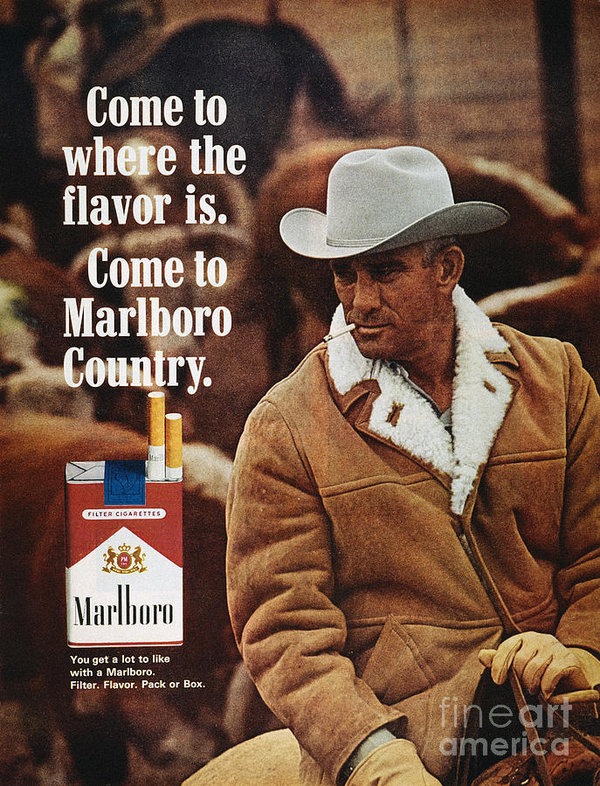
Exercise 4.4 “Of Mother nature and Marlboro Men”.

At the beginning of Deborah Brights essay Of “Mother Natre and Marlboro Men” she states that middle America think landscape is generally conceived of as an upbeat and wholesome sort of subject which, like mom and apple pie, stands indisputably beyond politics and ideology and appeals to ‘timeless values.”

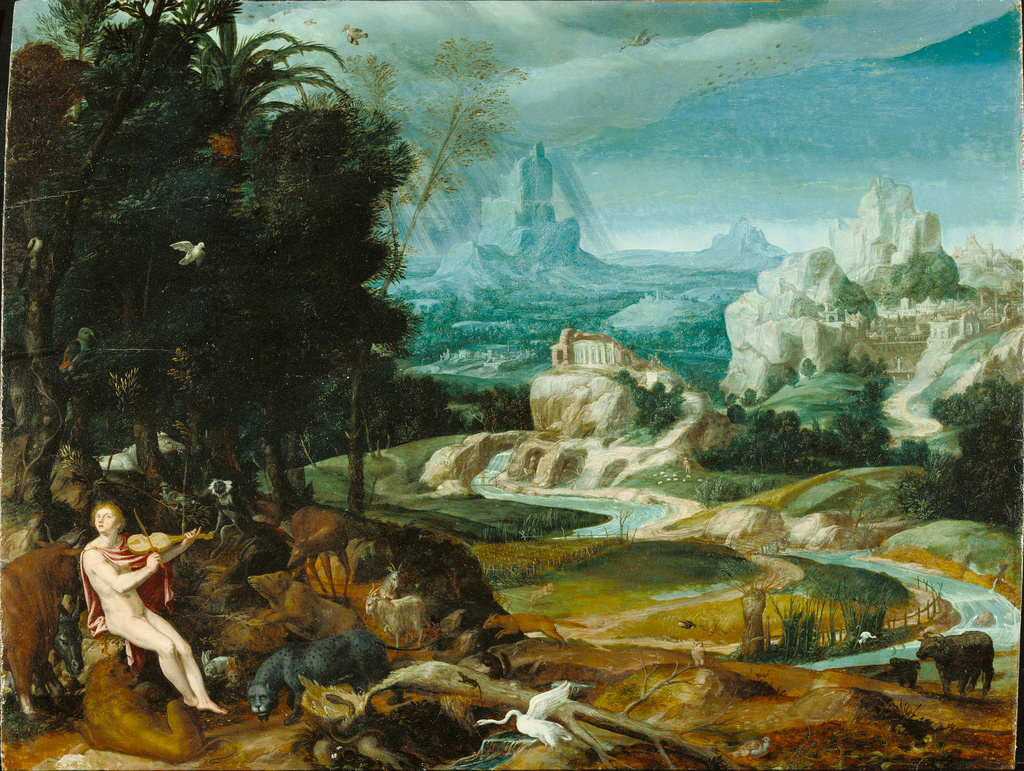
The taxonomic comes from European art history and refers to a painterly practice that gathered pace in the 17th and 18th centuries. They were either fields for noble actions or cultivated gardens inhabited by gods and or heroes.

In Holland new wealth celebrated property ownership. The English art world soon followed suit.

There were four types of landscape painting.

  1. Noble
Landscape with Orpheus (Unknown c1570)

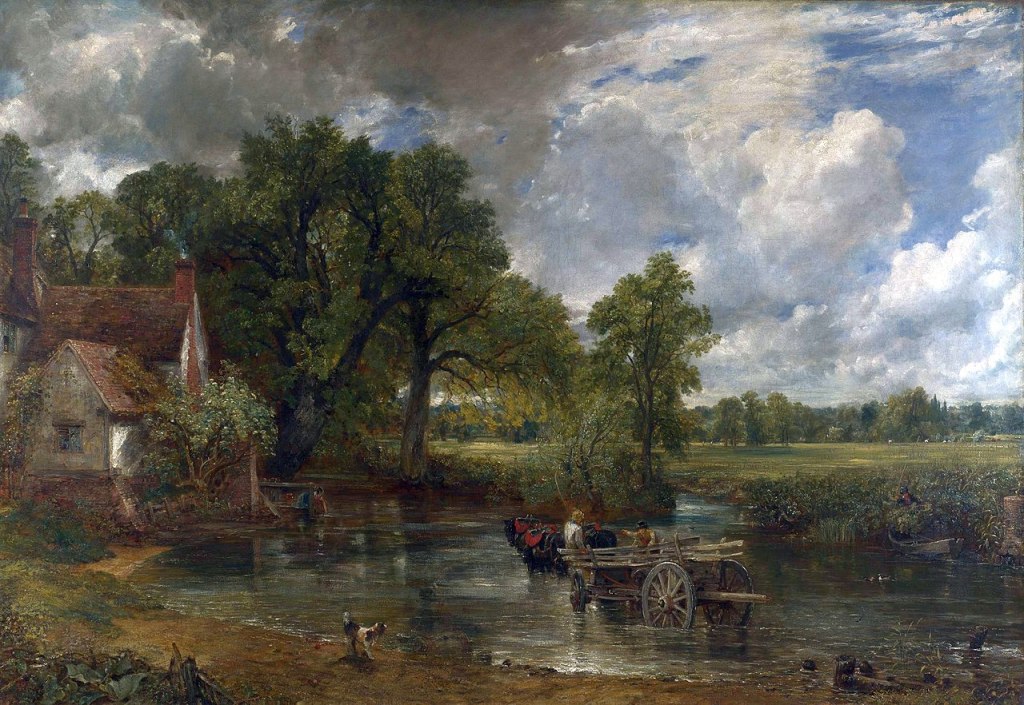
2. Picturesque.

John Constable Haywain 1821

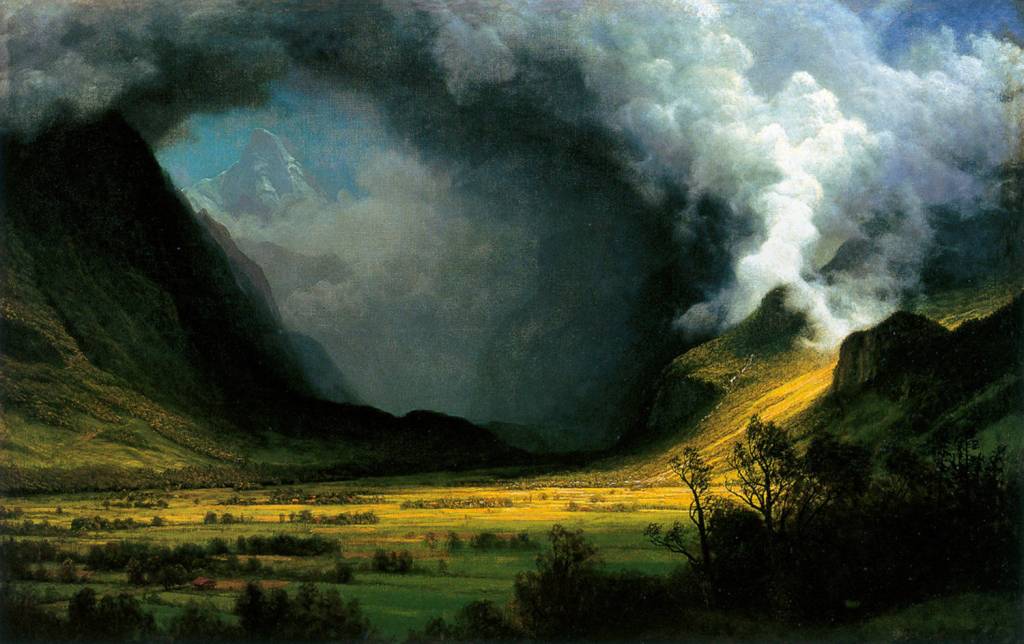
3.Sublime.

Storm in the mountains Albert Bierstadt (1870).

4.Mundane.

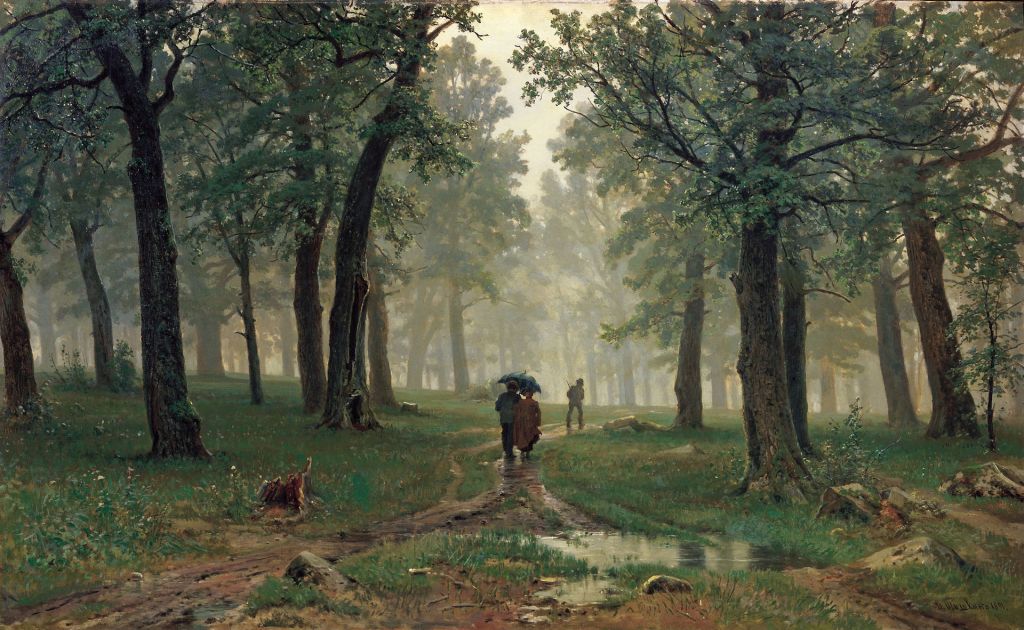
Rain in the Oak Grove Ivan Shishkin (1891)

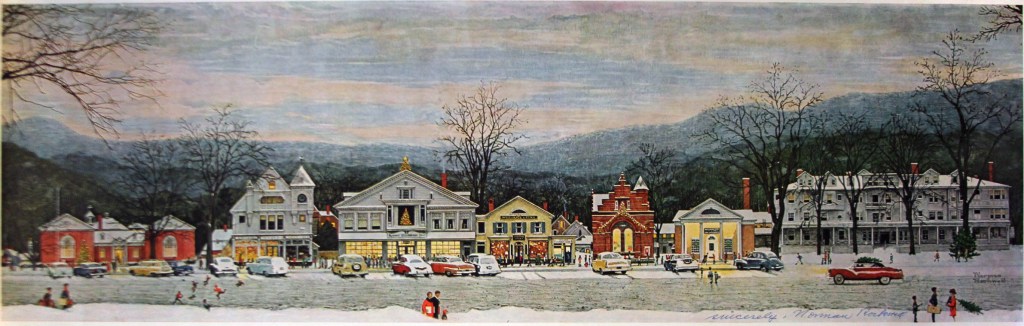
Later in America (6)Norman Rockwell painted a main street showing “small town America”. Middle America the ruling mercantile masses want to show their identity in a national context. LS Lowry did the same in the UK but for the working classes. It excludes minorities only showing “normal”, straight people, excluding many from this idyll. This progressive era shows the antidote is a nature experience over the unhealthy urban life.

Stocksbridge Main Street at Christmas Norman Rockwell (1967 Norman Rockwell Collection)

Wild places began to be seen as god’s gift to the American (White people) to be preserved as a gift for future generations. Kenneth Erikson points out these places are ceremonial with codes of conduct (Park rules).

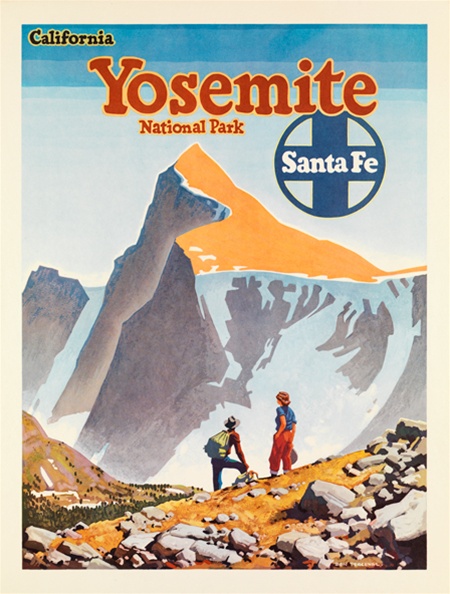
In 1908 69000 tourists went to worship in the eleven national parks by 1928 this had soared to 3,000,000. They were attracted by Posters, Postcards, Railroad adverts, Magazines and landscape art, not by the wilderness itself. The indigenous people were never shown as part of this landscape if they were they were a conquered novelty.

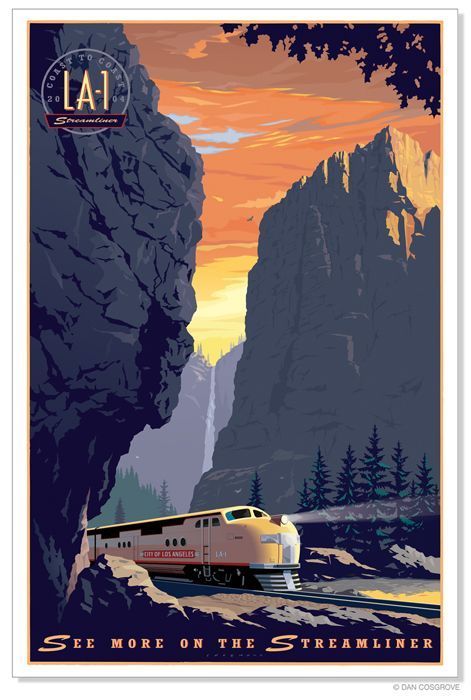
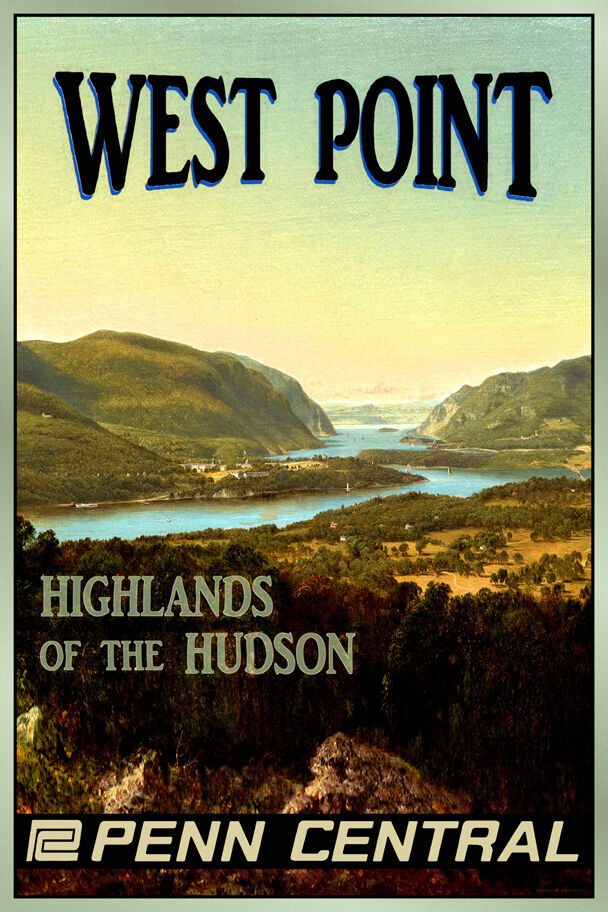
Railroads trumpeted their own individual routes as better than others using lavish posters and claims to do so. The demand for material to support this gave a boom to photography. Huge posters encouraged city dwellers to go out into the country to find the “Real Thing”.

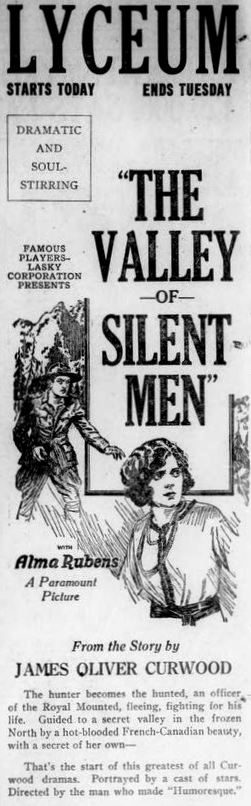
Cowboy movies used the wild landscape as a backdrop to the onscreen action. “A man must be a man just to survive”, read the poster for the film the “valley of the silent men (1922).” This countryside was used to sell things as diverse as cigarettes to presidents.

Newspaper Advert for screening of a film at the Lyceum (1922).

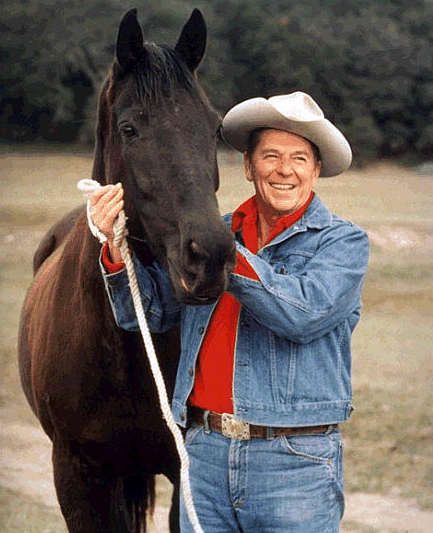
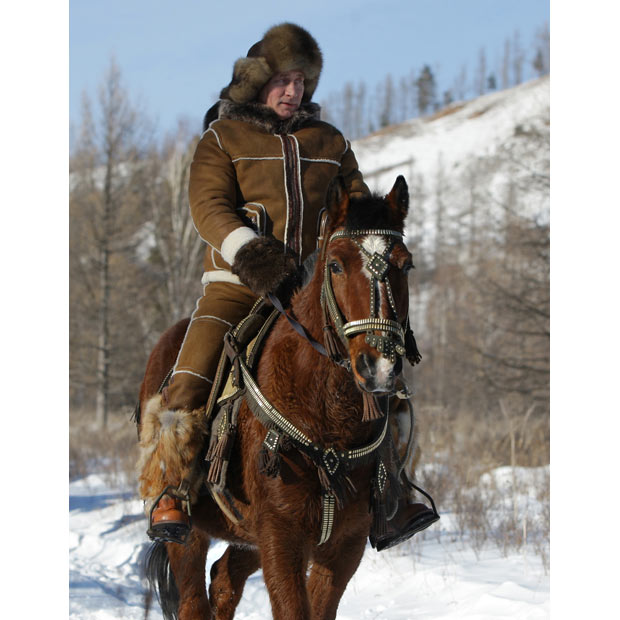
Like Marlboro Men posters used to sell tobacco Ronald Reagan in White Stetson rode horses and chopped wood to show he was a man of the nation. Putin does the same sort of thing in Russia riding horses with his shirt off or in furs in mountains.

Liberal ownership sells too, Camping equipment, Holidays, Walks, Bikes and Boots along with all the other paraphernalia we need to go into the wilderness. Even today you only have to look at Windermere to see city dwellers venturing out in Kagools and boots around the town some venture no further than the towns streets.

US art photography developed from the “straight photography” of Stieglitz and Weston. Ansell Adams took it one level further portraying a primordial Eden. Minor White reviewed Stieglitz work “Equivalence”; he said “a photograph is a metaphor for the feelings of the artist”.

Aperture school was overwhelmed by the curatorship of John Swarkowski. (Here is that name again). He respected the work of Timothy O Sullivan in the civil war. He didn’t show straight images but the feeling in the scene. He curatted “American Landscapes”, in this work he included two women Laura Gilpin and Dorothea Lange even though many more women were practising at the time. He used one image from each woman whilst using four each from Edward Weston and Harry Callahan.

New Topographics tried to capture the feel of a scene. Old tyres, broken concrete, Jet plane contrails and Oil installations. Showing the chaos that underlines the ordinary lives of Americans.

In the 1970s photographers tried to hold the companies back who were exploiting the landscape by destroying their resources. However the big galleries and museums were funded by the same companies that were exploiting the land. Making funding of Art projects difficult to obtain and muting any dissident voice which spoke against them. Landscapes contain resource does the re-landscaping after the resource is taken make taking them right?

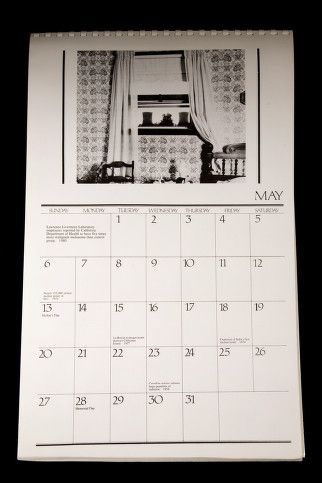
Lucy Lewent Three Mile Island Calendar (1964)

Images showing views “Three Mile Island” nuclear power plant and putting on a well researched calendar is a superb idea photographed by Lisa Lewenz. Selling the calendar for $6 made it available to all and bypassed the major sponsors of art. The voice wasn’t silenced.

The exclusion of women from the art world at this time wasn’t the same sort of prejudice. If we remove the big company sponsorship from art would it remove this censorship of art projects? The work should be on show for being good enough not because of who produced it. After all excellence has no race or gender.

However does running an all female issue of a magazine or competition put these old errors right. I think all the practitioners wanted their photographs accepted because of the merit of the work not because of the exclusion of others.

I chose to review Dorothea Lange’s photograph “Towards Los Angeles” in assignment four not because she is a woman but because it is a superb image.

Work Cited

Bierstadt, Albert. Gathering Storm in the Valley. 1891. Oil on Canvas. Nordsee Museum Husum.

Borzage, Frank. The Valley of the Silent Men. Black and White Cellulose, Western. Paramount Pictures, 1922.

Bright, Deborah. “‘Of Mother Nature and Marlboro Men.’” Accessed September 15, 2020.

Constable, John. The Haywain. 1821. Oil on Canvas, 130.2 cm × 185.4 cm (​51 1⁄4 in × 73 in). Room 34. The National Gallery, London. https://www.nationalgallery.org.uk/paintings/john-constable-the-hay-wain.

Leweng, Lucy. Views of Three Mile Island. 1967. Printed Calendar. Railroad Posters. 1960s. Varous On Magazine and Trains.

Rockwell, Norman. Stockbridge Main Street at Christmas. 1967. Oil on Board, 26½” x 95½”. Norman Rockwell Museum.

Shishkin, Ivan. Rain in the Oak Grove. 1891. Oli on Canvas, 203 x 124 cm (6’ 7.92″ x 4’ .82″). Tretyakov Gallery (Moscow Russian Federation).

Unknown. Landscape with Orpheus. 1570. Oil on Canvas, 35.6×45.7cm. 71.PB.64. John Getty Collection. http://www.getty.edu/art/collection/objects/604/unknown-maker-flemish-16th-century-landscape-with-orpheus-flemish-16th-century-about-1570/.