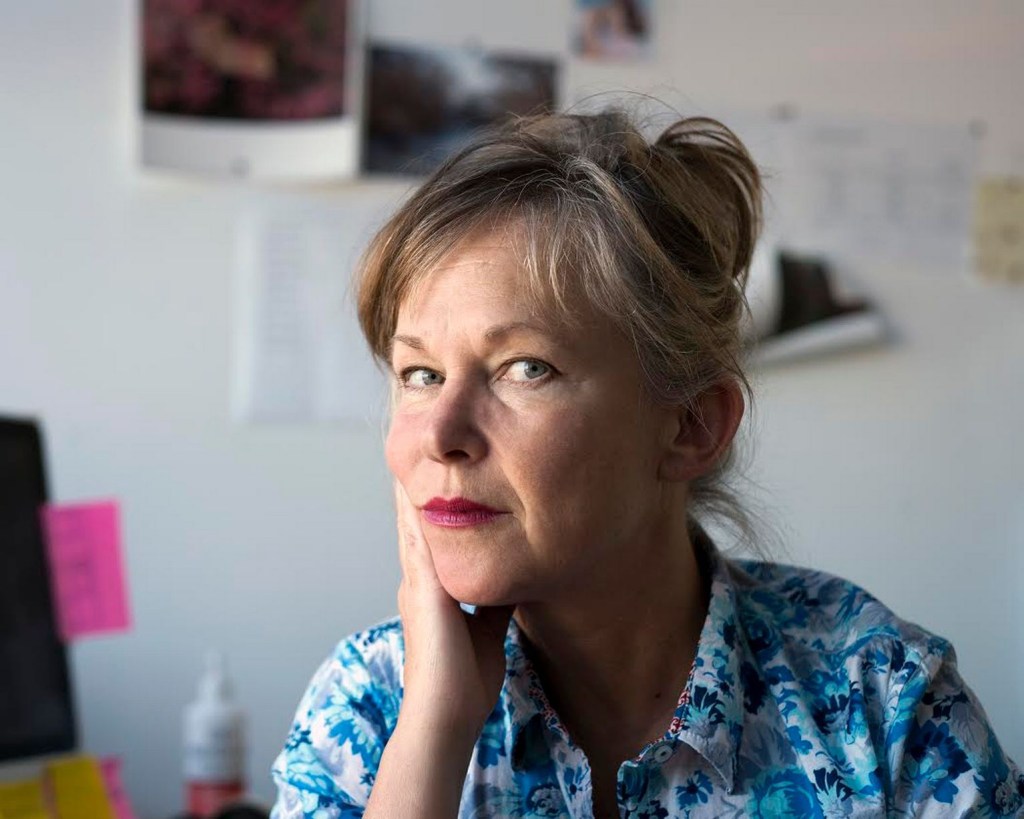
Research Helen Sear

Helen Sear.

During my work for Assignment 5 I found Helen Sear. She is an artist who states she was influenced by David Casper Friedrichs. I couldn’t move on until I had completed some research into Helen and her work as she was unknown to me.

Helen was born in 1955 in Worcestershire in sight of Wales. She has made her reputation from her studio in Monmouthshire, Wales. As a small girl her father used to go on long walks with her where he taught her about the countryside and nature.

She came to prominence in 1991 when her work was included in the British Council exhibition “De-Composition Constructed Photography in Britain”, this exhibition was popular in Latin America and Eastern Europe (1997).

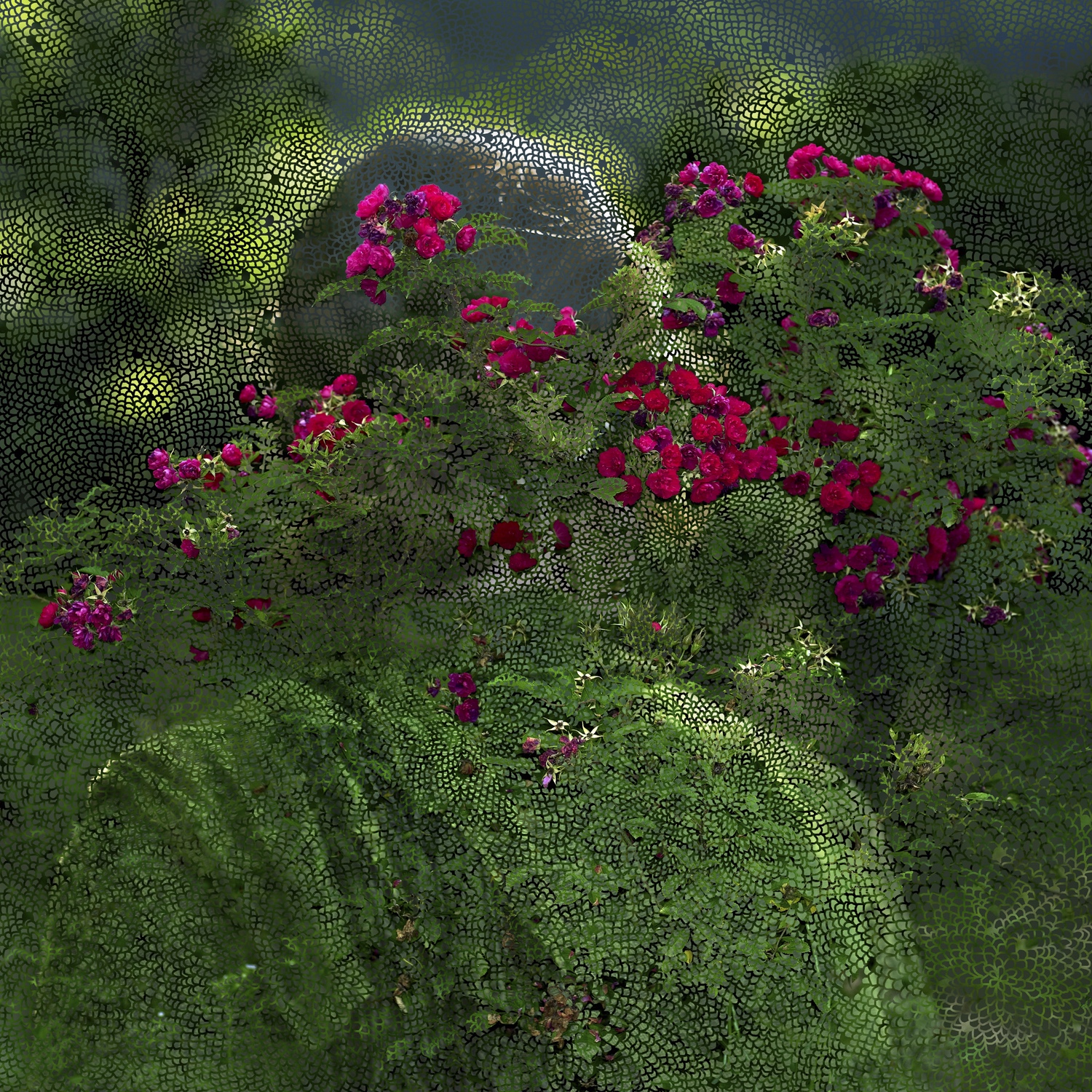
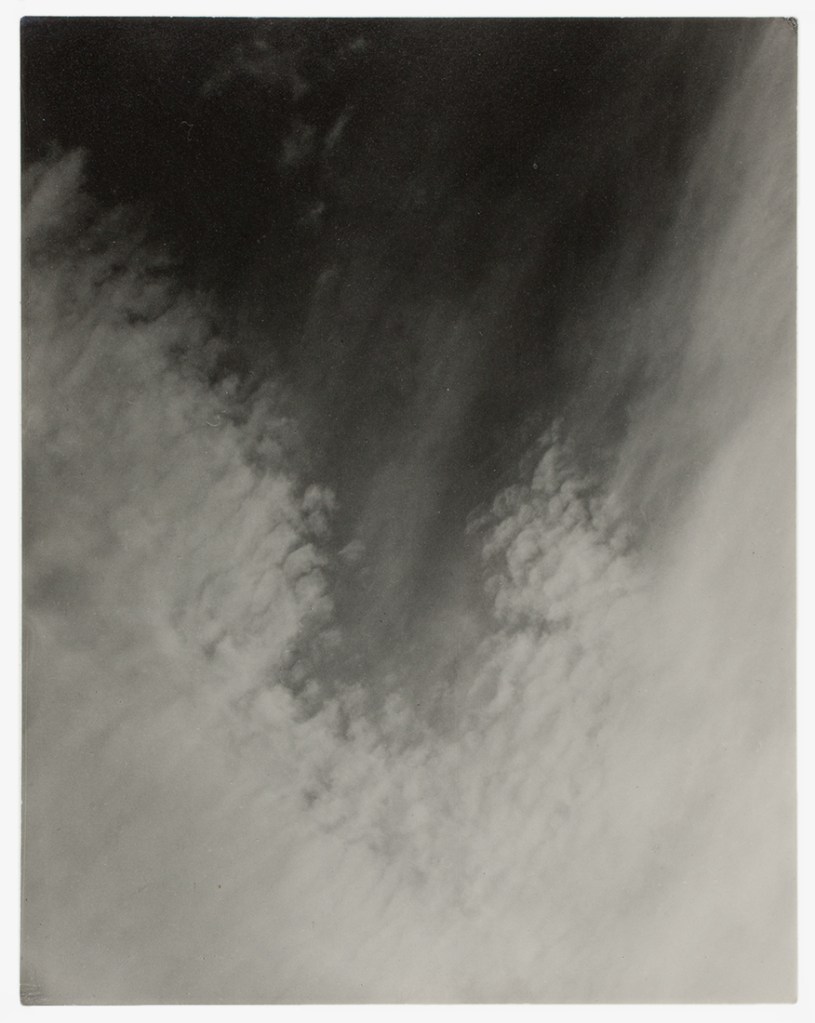
Artsy (2018) says of Sears work, “She explores her/our relationship with the natural world”.  Her work “Inside out” (Sear) reminds me of Friedrichs work with the subject back to camera Helen adds elements to make the photo painterly and dreamlike.

Sear describes her work as a “Double time of image making” referring to the time between taking the initial image and the time during which she superimposes her photographic images (Artsy, 2018).

She was educated at:

1975-1979 Reading university, BA Hons.

1981-1983 Slade School London, HDFA.

          2009 PhD University of Newport, Wales.

Jane Wainwright writing in says of her approach “I am trying to slow down the instantaneous of the camera” Wright continues about Sear “ She highlights the ordinary, making it extraordinary. Forcing the viewer to engage with the work and puzzle out the image”.

When Wainwright asked Sear if she had any particular artists or pictures that influenced her work she replied “I am interested in Romantic Painting particularly the work of Turner and perhaps the German romantics such as David Casper Friedrichs.

Pushed further she continues “The people who influenced me were in the end the ones who taught me at college. At the Slade artists like Tim Head and Helen Chadwick” (Wainwright, 2000).

Friedrich`s “Wanderer above a sea of fog” (1818) must have influenced Sear as it did me. However I can not find any specific reference to it doing so. When I look at Sears images I see a similar message as the one I wanted to portray however Sears images have added layers where mine are straight photographs. I want to experiment with this technique and will do so before I leave this research.
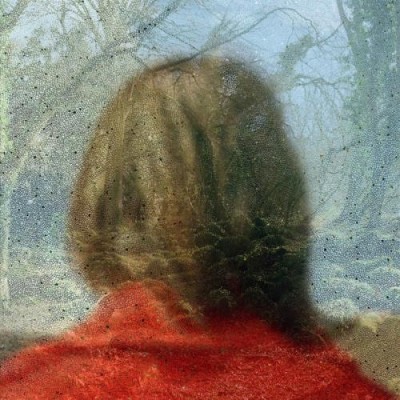
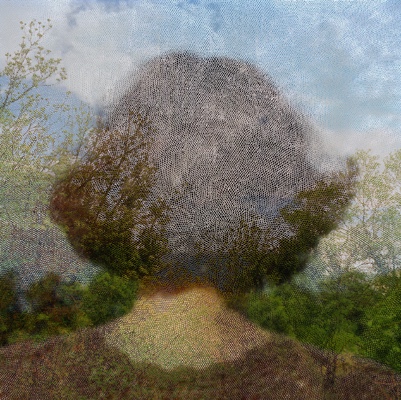
Valerie Reardon wrote off Sears’s body of work, “Sear draws on the Freud’s notion of the “unheimlich” the uncanny sense that what is hidden is also somehow ghastly. Jacques Lacan reworked this notion and came up with the term extemite a blurring of the line between interiority and exteriority which points to neither but is located where they coincide and become threatening”(1998).

This paragraph was challenging to me I didn’t understand the two words unheimlich and extemite. So I had to spend some time understanding them both. The former means Uncanny/weird and the latter means the lines become blurred and thus threatening. I can see this Angst in Sear’s images at first glance they look sweet but when you look and see the layers they take on new meaning which to me are somehow dark.

David Campany compares her work with Fox Talbot’s image of lace “Talbot placed black lace directly on to sensitised paper and exposed it to the sun, The lace appears white on a dark background it doesn’t look like a negative, the flat fabric is so well rendered by the simple technique. It is stoic and removed yet the light that touches the object then touches a receptive surface” (Campany, 2005). This is talking about the single layer Sear adds more layers to create her art.

Having looked at this work I thought that at first sight it seems simple. It is not, within the square frame are complex layers. The more I look and reflect the more the work asks me to think. I like Helen Sears work very much and I think I will have to explore the artists who influenced her.

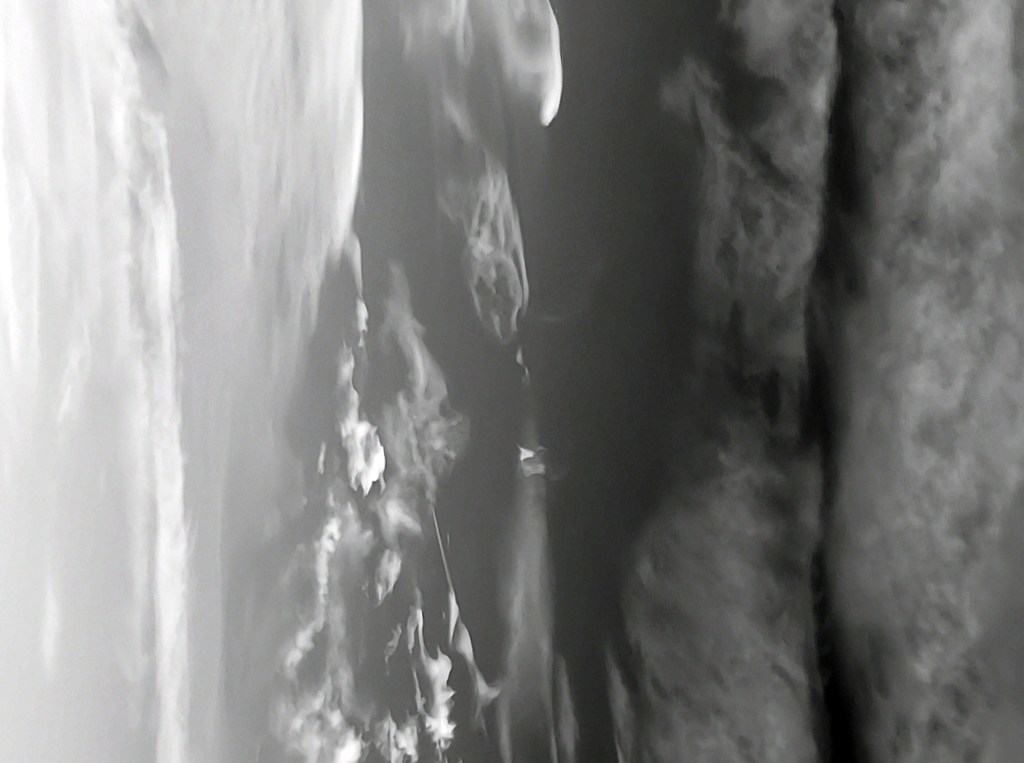
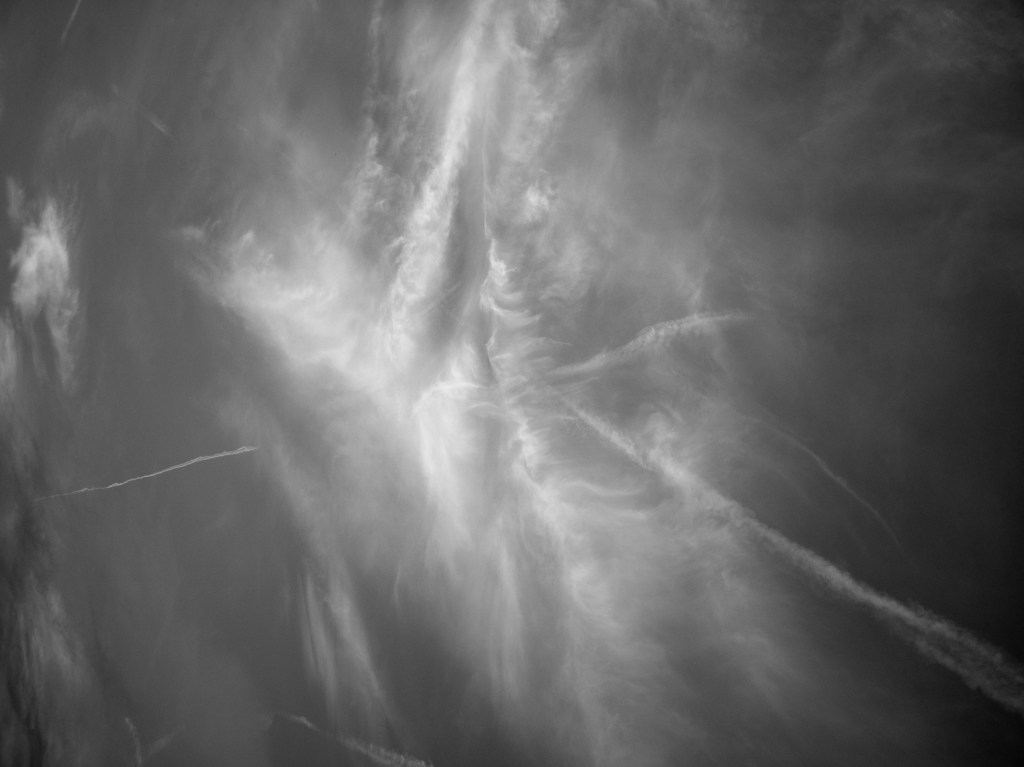
Earlier I said I would experiment with how I see Sears’s images and here is that work.

Work Cited

        Campany, David. “Helen Sear Inside View.” Photoworks, 2005. http://94.136.40.103/~helensear.com/wp-content/uploads/2016/02/Net-Effects-David-Campany-text-for-Photoworks-AutumnWinter-2005-2006.pdf.

        David Caspar, Friedrich. Wanderer above a Sea of Fog. 1818. Oil on Canvas. Kunst Museum.

        Reardon, Valerie. “Helen Sear.” Art Monthly, 1998. http://94.136.40.103/~helensear.com/wp-content/uploads/2016/02/art-monthly.pdf.

        Sear, Helen. Decomposition Constructed Photography from Great Britain. 1997. Photographic Exhibtion. Ludwig Museum Budapest.

        Inside Out. 1997. Photograph.

        Unknown. “Helen Sear.” Art. Artsy, 2007. https://www.artsy.net/artist/helen-sear.

        Wainwright, jean. “Romantic and Wholly Illusory, the Mythical Landscapes of Helen Sear.” Hotshoe, 2000. http://94.136.40.103/~helensear.com/wp-content/uploads/2016/02/helen-sear-hotshoe1.pdf.
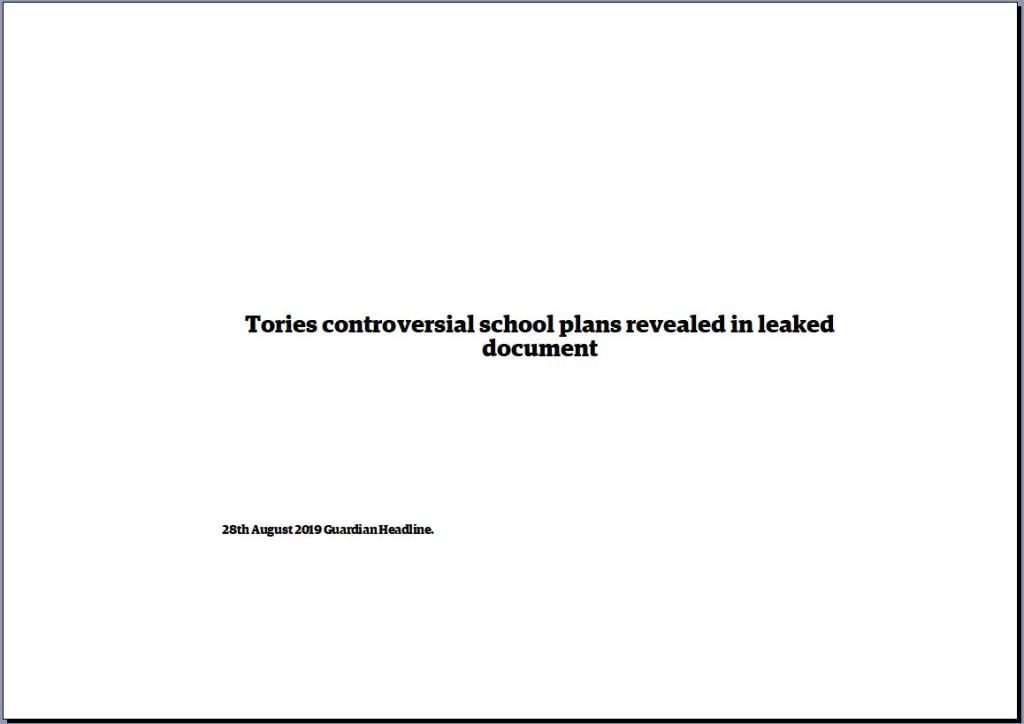
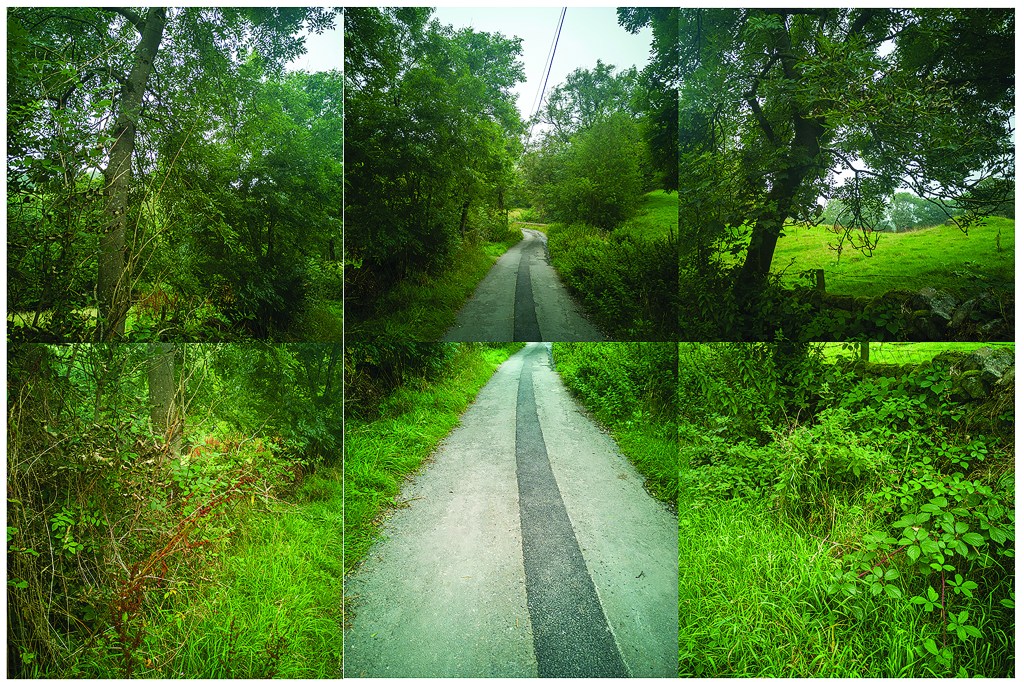
Assignment 6 Transitions.
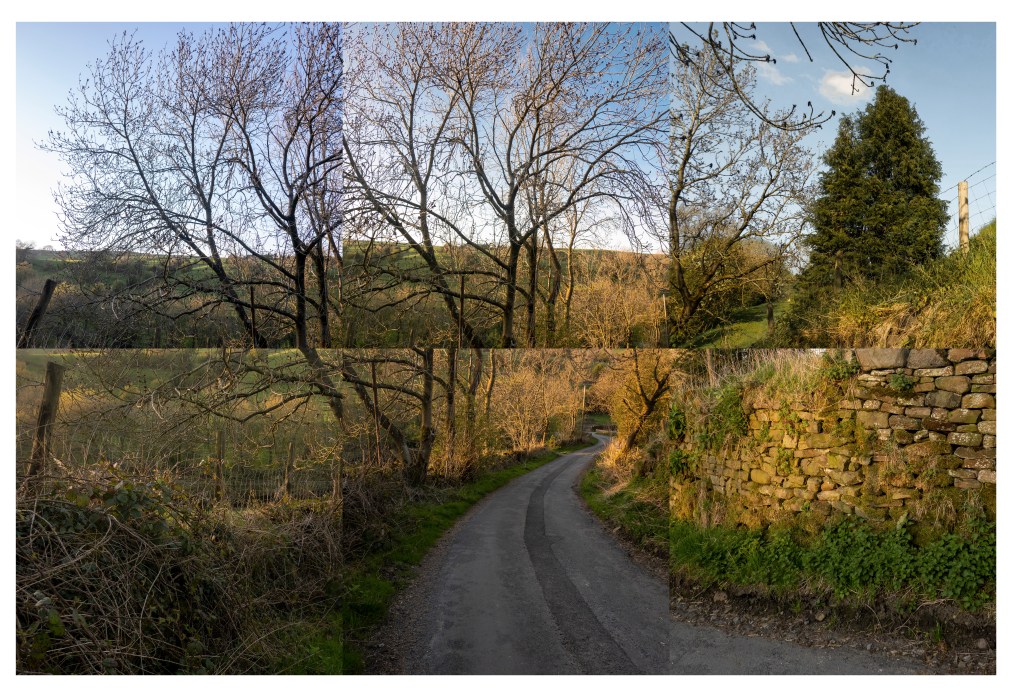
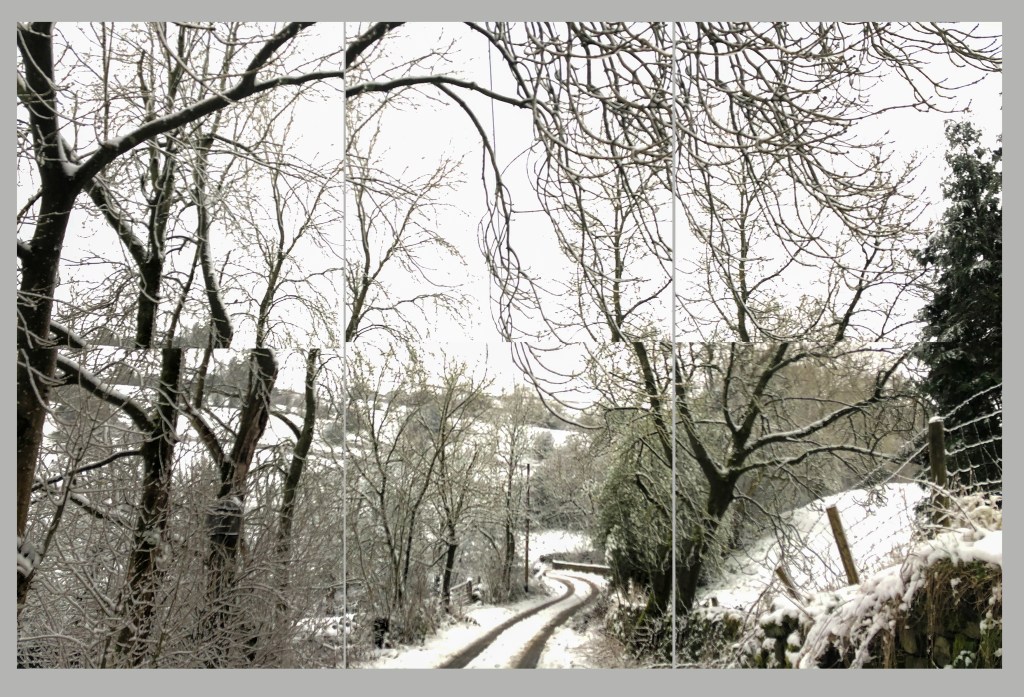
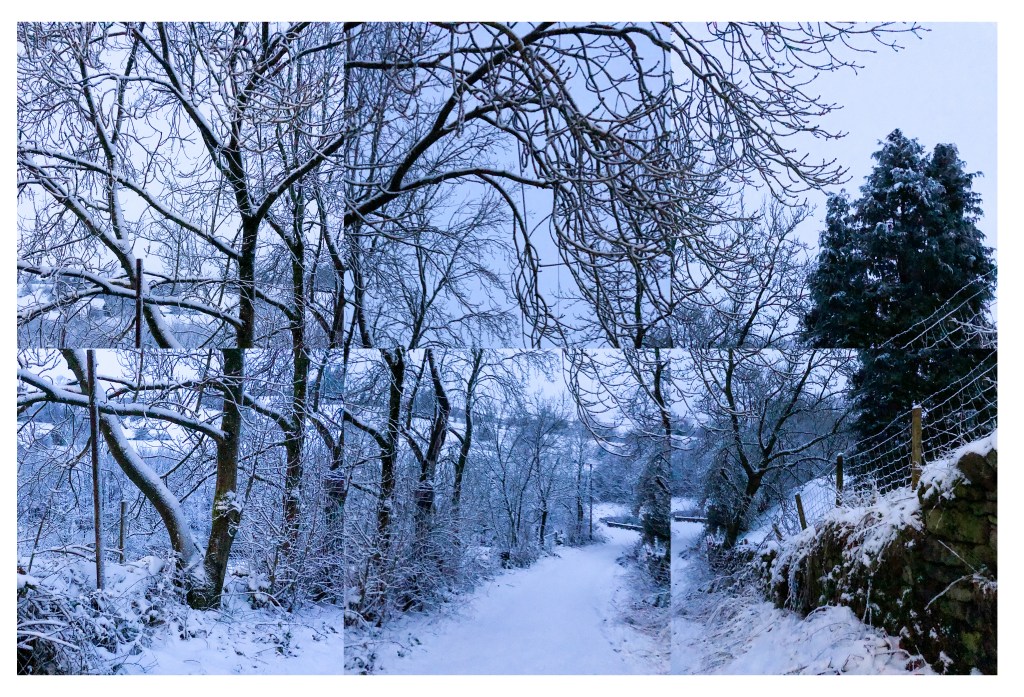
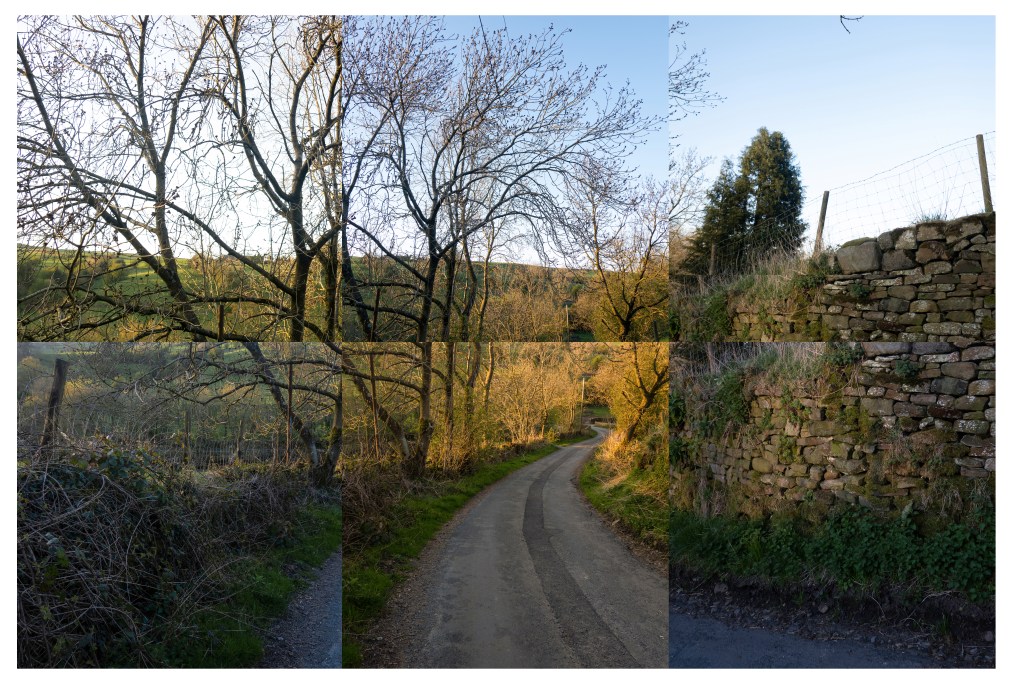
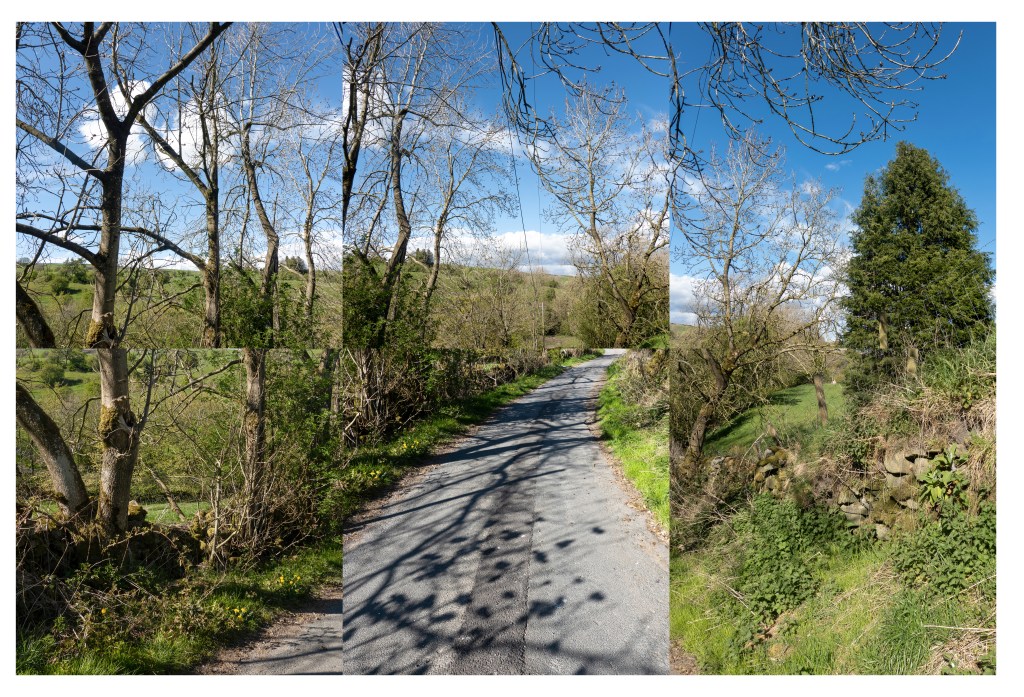
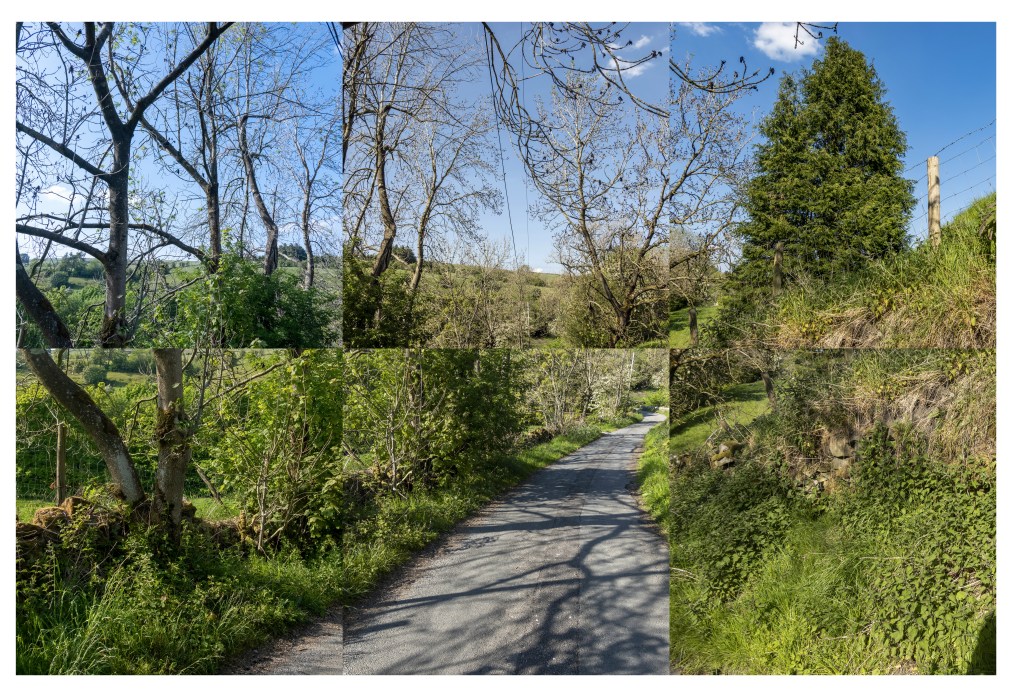
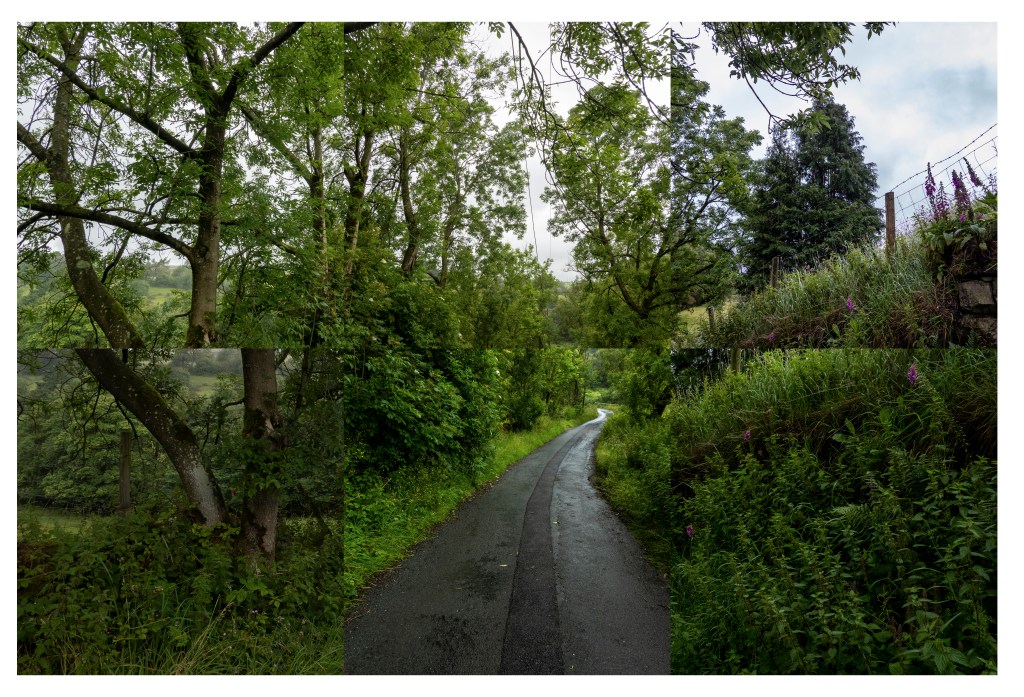
Transitions is a good title for this piece of work as I feel there have been many transitions in the months I have spent creating this work. Here I will think about some of these transitions, both in me and the landscape I chose to show. I would like to begin by writing about the reasons I chose Shop Lane for the work I completed.

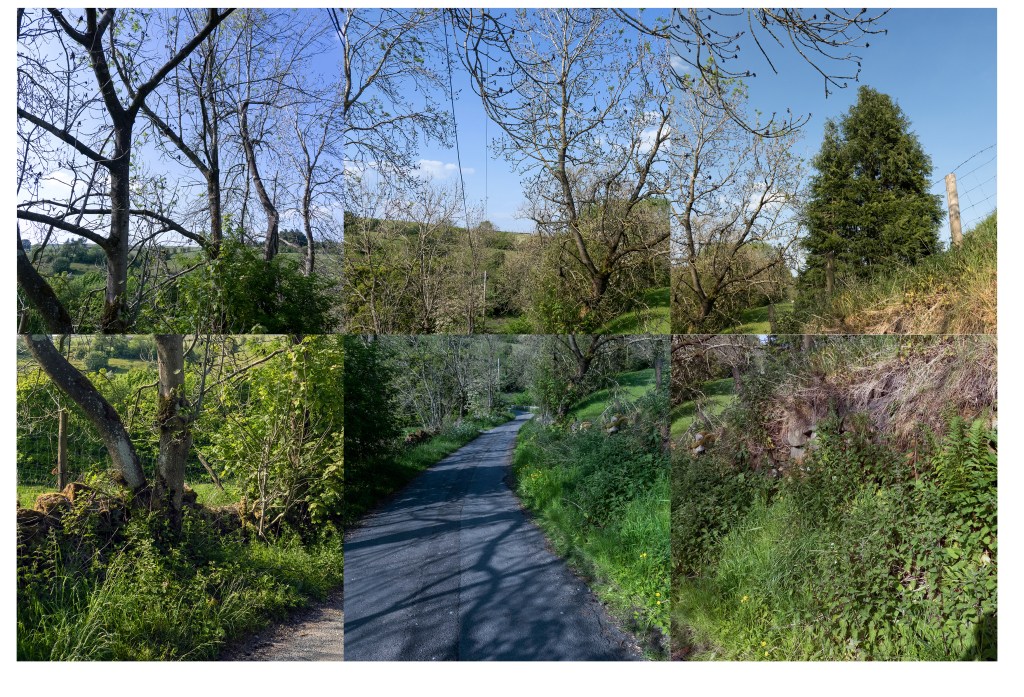
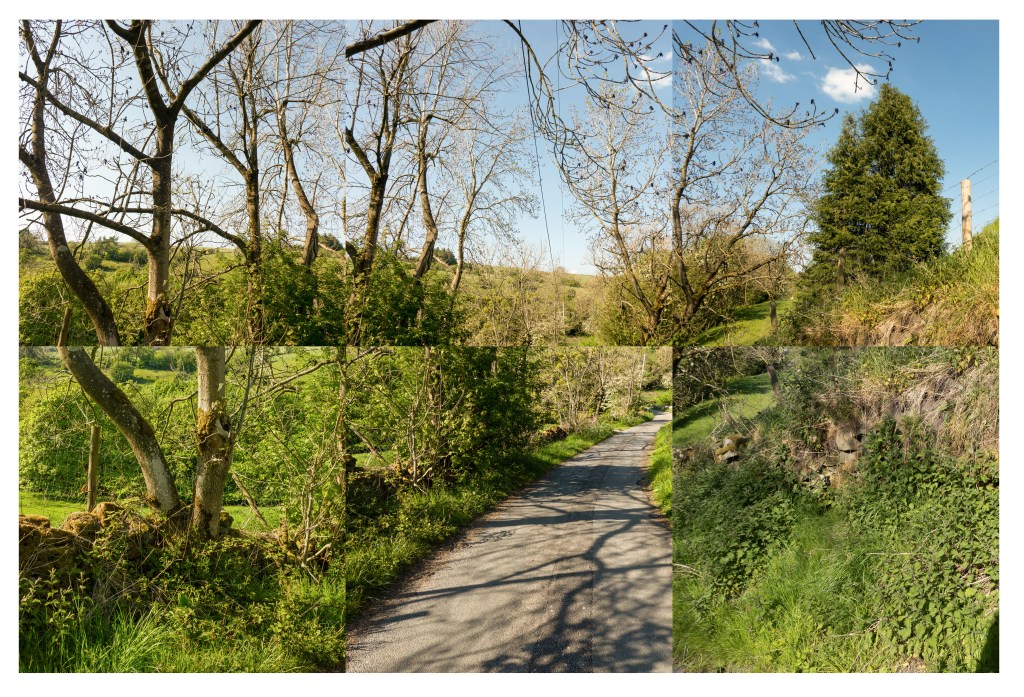
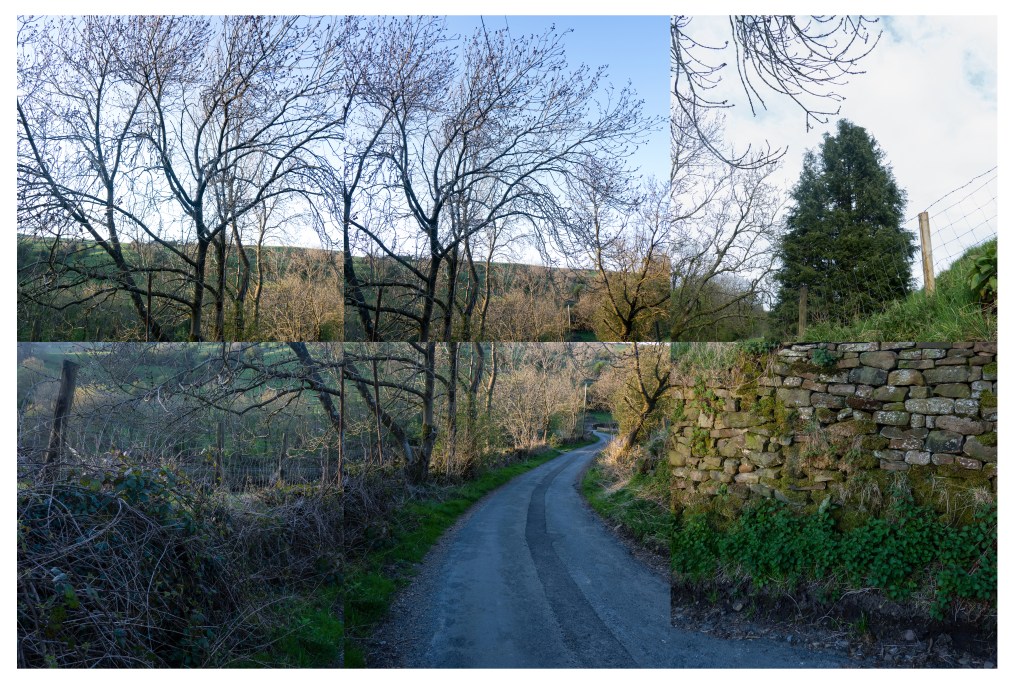
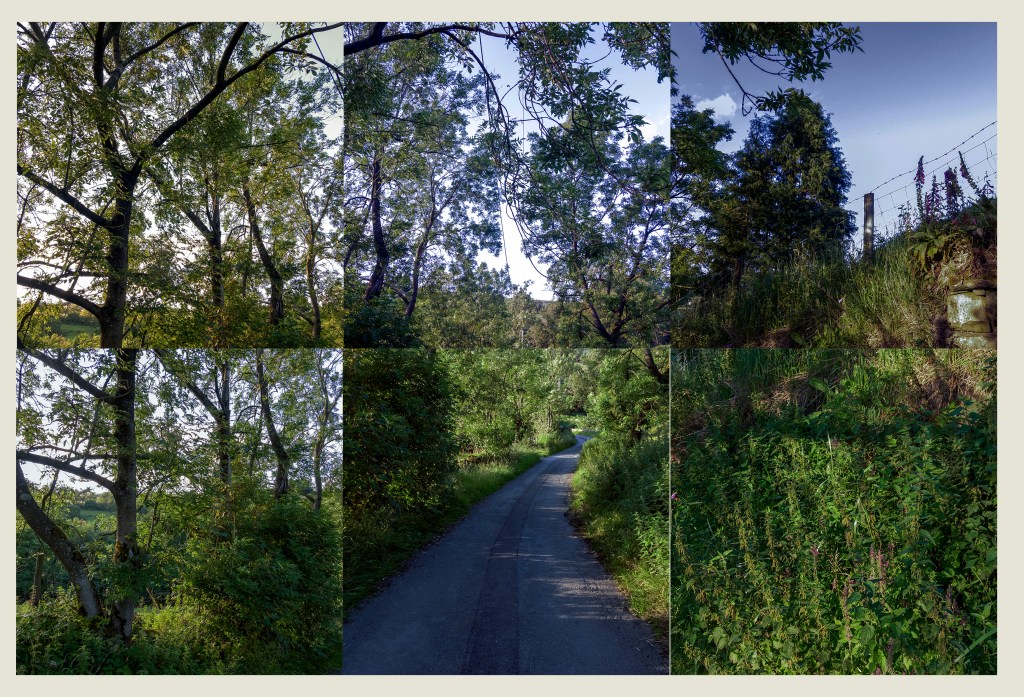
Shop Lane is about a quarter of a mile from home so easily reachable from home. I walk along it almost every day and I see the changes on a daily basis. It has many features which would allow me to work from the same perspective for each exposure. It is part of a dynamic system both naturally and shows its position in a man made environment which nature alters. Shop Lane has existed through all the traumas man has made since it was built in the mid 1800s but remains as a constant. This was the main reason I chose it, it says to me whatever the world is experiencing this road is present, constant and reassuring.

First the transition within the landscape. At the outset I had visions of showing the four seasons our nation is renowned for. Whilst my photos show the dynamic changes within the landscape they are not the four equal and distinct seasons I was expecting to capture. The weather was mild through the Autumn even into December, the leaves fell from the trees and blew away but the foliage in the undergrowth took advantage of the mild weather and stayed around. We had two spells of cold weather in January and February but not the prolonged spells I remember as a boy. This set of images shows just one year it is not enough time to make any conclusions so it may be interesting to continue this project for several years.

Next the transition within me. I have changed a lot throughout the period of time I have spent on transitions. The biggest change has to be the way I now write. I knew I would struggle with Assignment 4. I used a lot of time reading and practising writing and referencing. There is still room for me to improve and I will be working hard to do so. I read Umberto Eco, How to write a thesis, Eco, “How to Write a Thesis”. and Cite them rite, Pears, “Cite them Rite”, whilst spending time reading and practising writing with the Royal Literary Fund Unknown, “Royal Literary Fund”, an informative website for learning and practising writing.

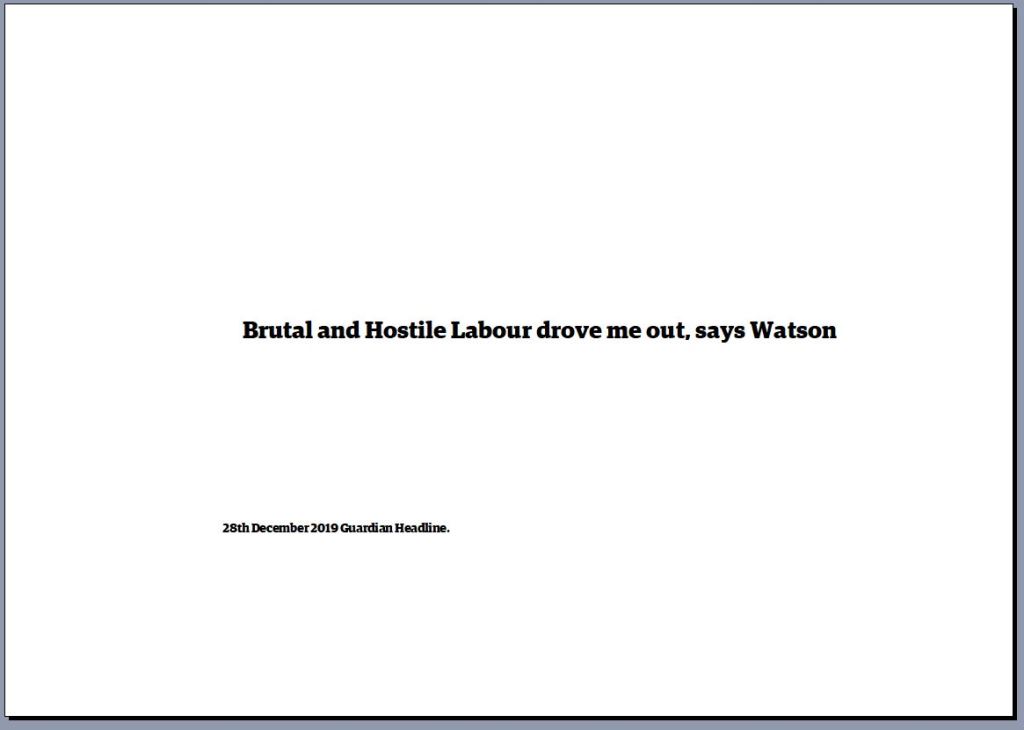
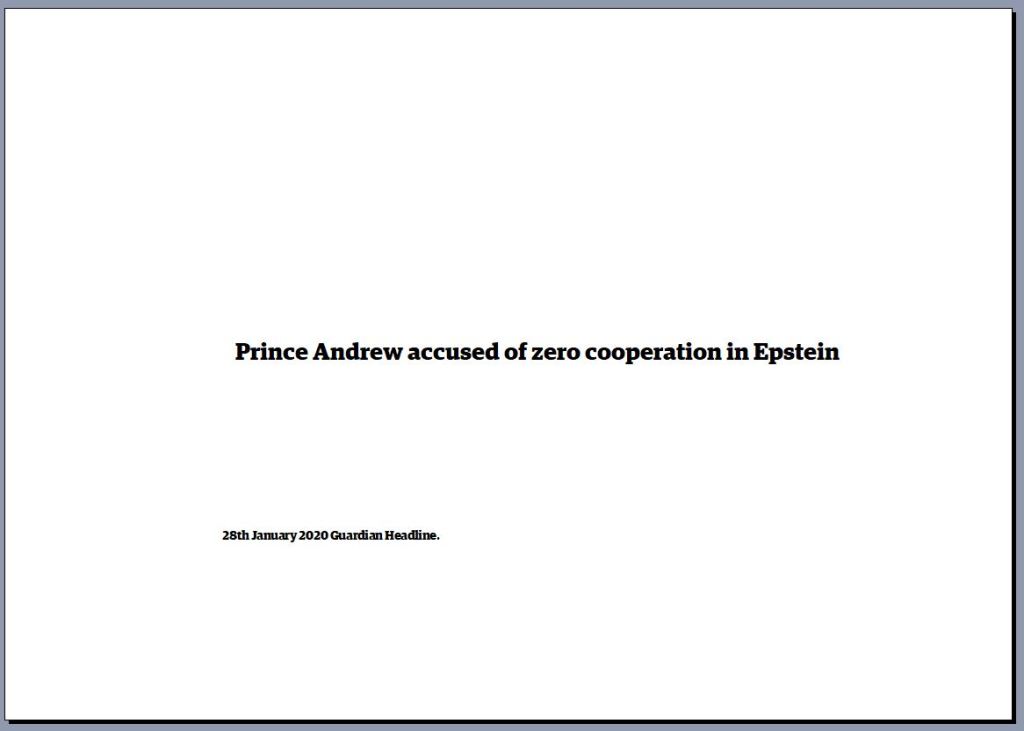
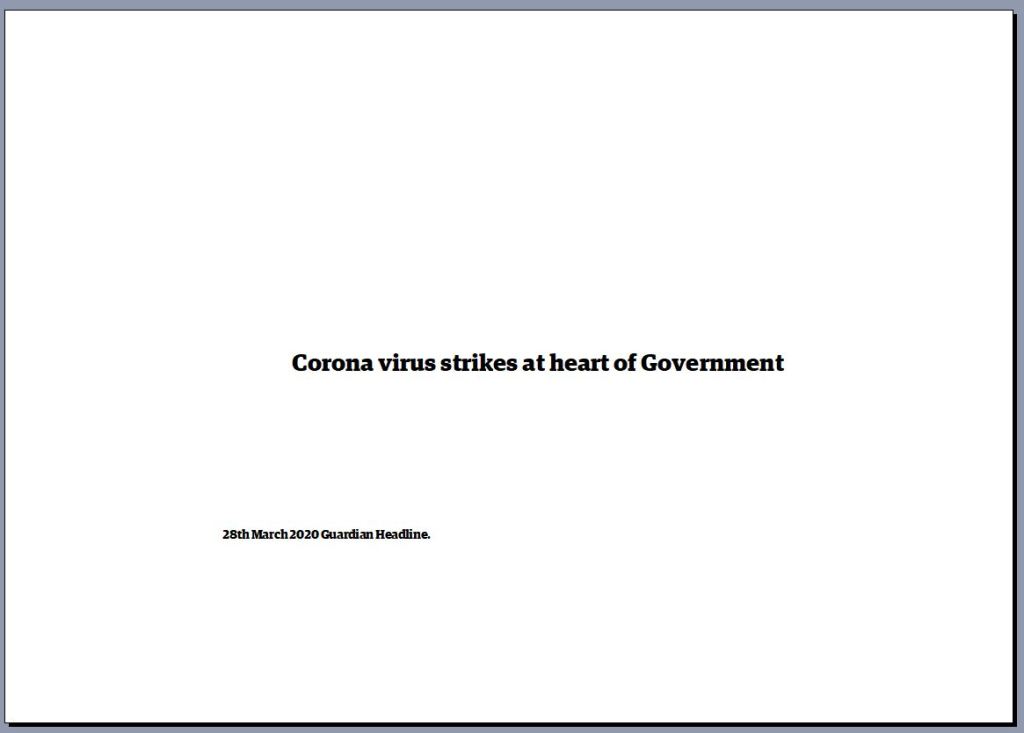
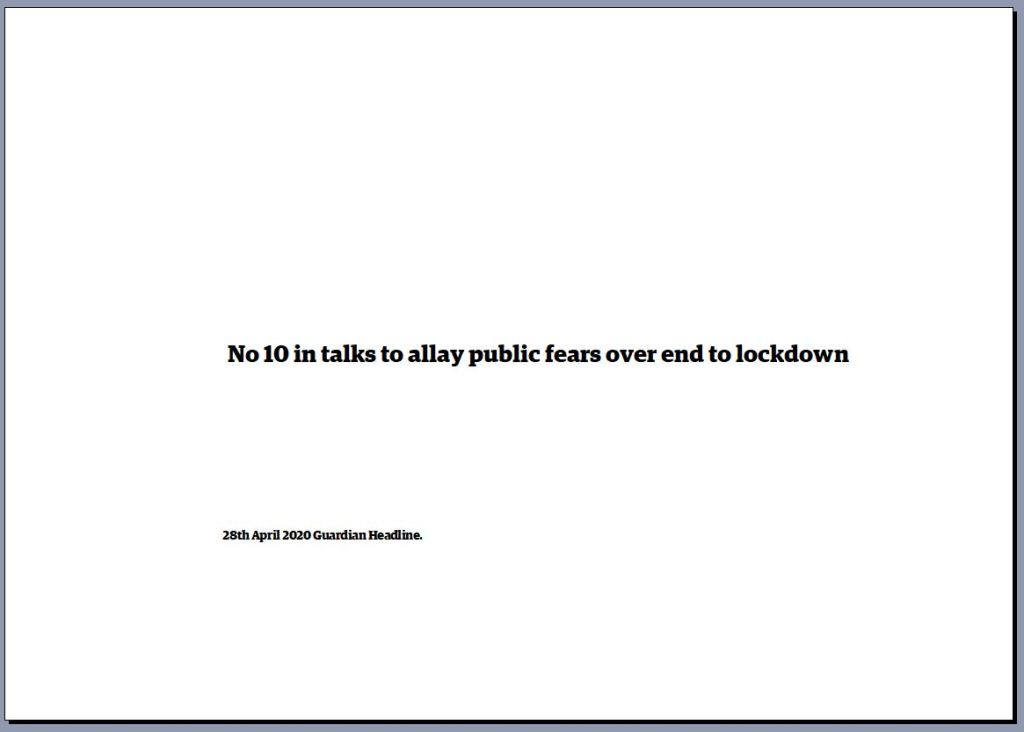
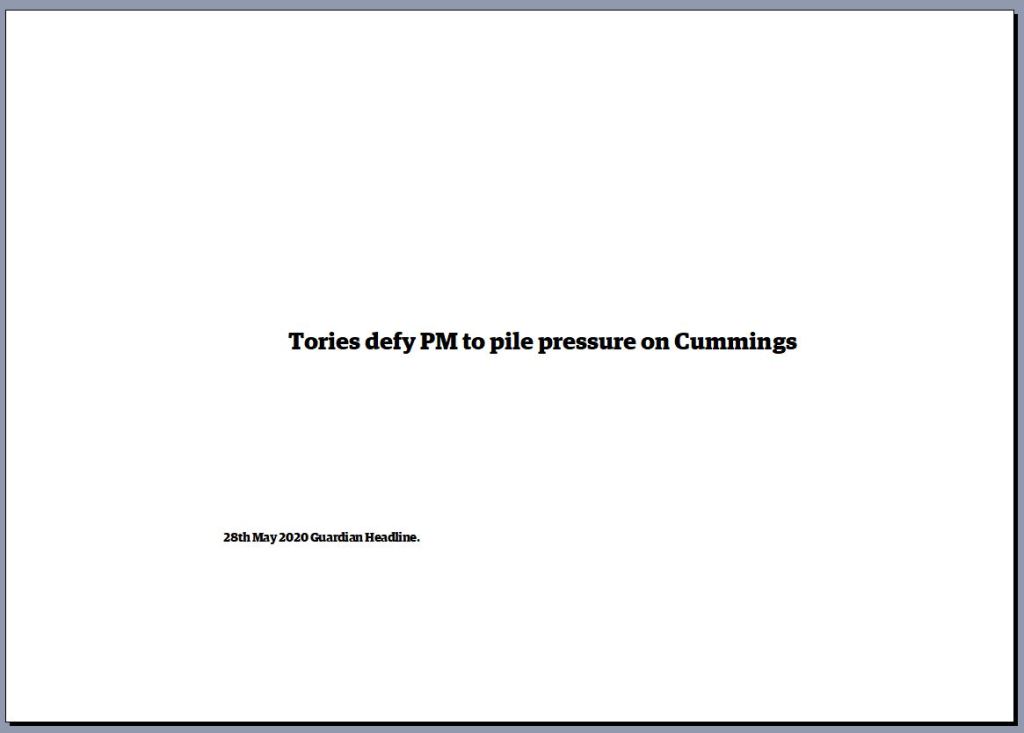
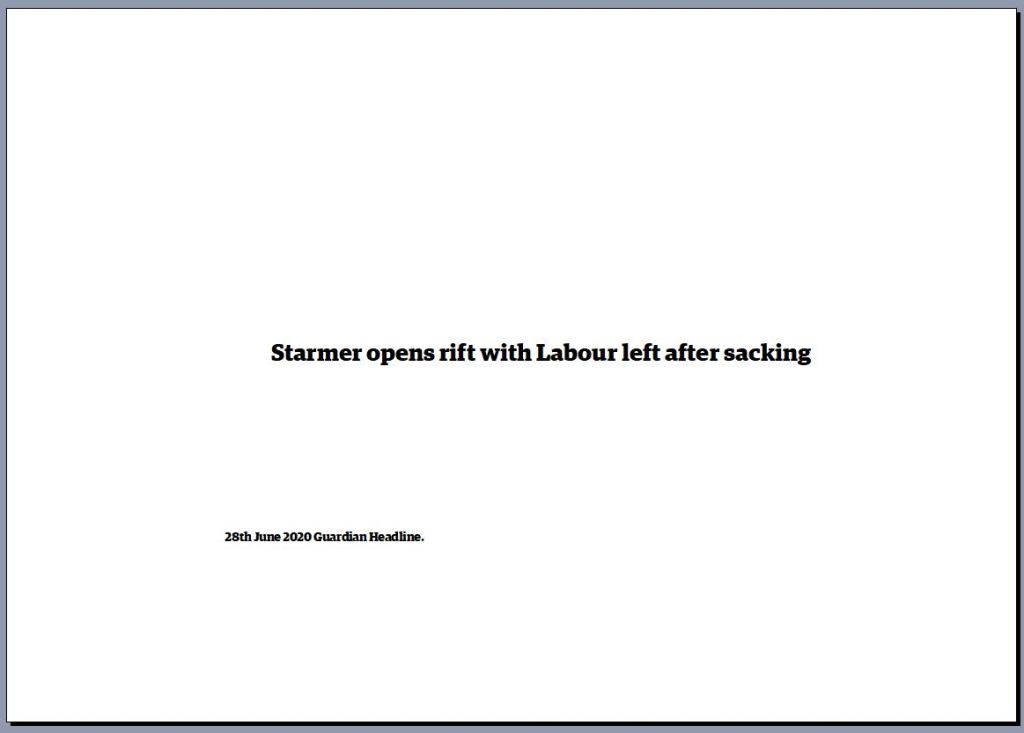
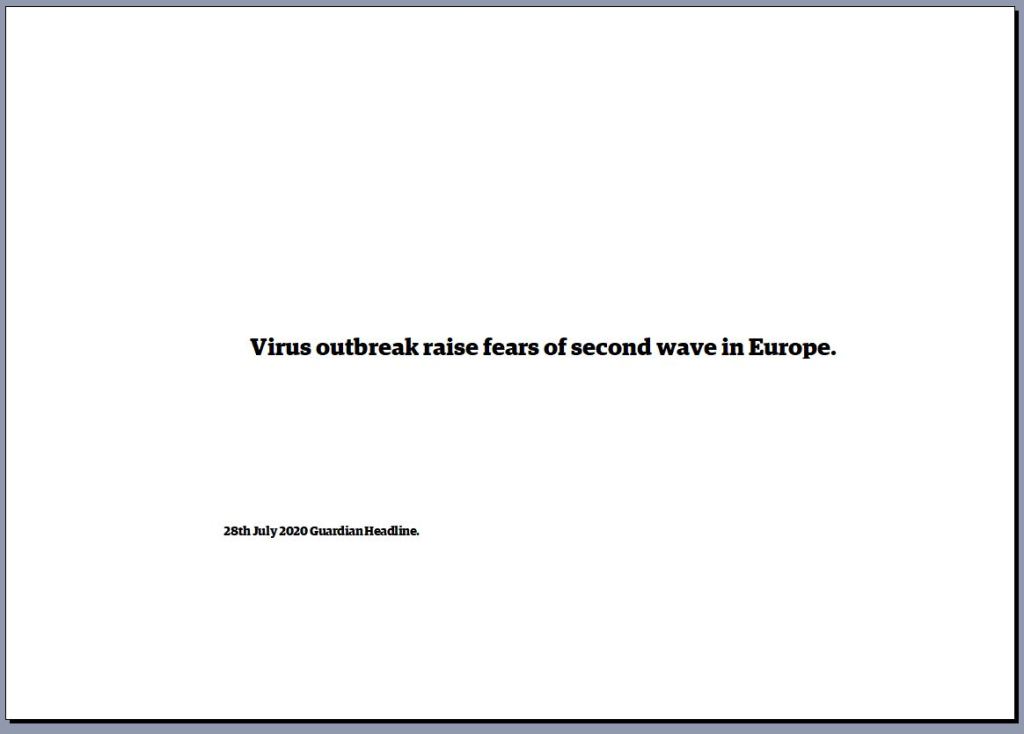
Finally the transition in the political world evidenced by the headlines I took from the Guardian newspaper Unknown, “The Guardian”, on the 28th of each month or if the 28th was a Sunday I show the headline from the previous Friday. When I started out I expected the main topic in the headlines to be Brexit with the odd curve ball such as a scandal or a disaster. It is no surprise that Covid 19 has been the main headline. In fact Brexit is only mentioned in one Headline with scandals in the Houses of Parliament and another announcing Prince Andrew not co-operating in the Epstein enquiry. The world is enduring a huge transition which I could not have foreseen at the begining. However the reassurance that places like shop lane endure, and all will return to equilibrium eventually is visible to me looking at the landscape all around

Taking these photographs has taught me to think how I can portray a message differently. A photograph iS a snapshot of time. Limited by the space in the frame.Taking the images monthly allowed me to show this dynamic system and how it changes. Using multiple views allows more space to be shown. With the outcome being this work shows the superficial change however my main message of reassurance is also their reinforced by the headlines. A single image would have been more difficult to show this message. I feel these images have allowed me to show the viewer time and space. Altering the perspective of both.

https://michaelgreenlevel2landscapeblog.photo.blog/2019/08/26/exercise-1-5-visualise-transitions/

My description of my initial thoughts and influences can be found here.

Work Cited.

Eco, Umberto. How to Write a Thesis. Second. MIT Press Translation Edition, 2015.

Pears, Richard. Cite Them Rite. 6th ed. Pear Tree Books, 2005.

Unknown. “Royal Literary Fund.” Academic. Royal Literary Fund, 2020. https://www.rlf.org.uk/resources/academic-writing/.

———. “The Guardian.” The Guardian. 28th of each month.

Anthropomorphism an introduction.

Definition: noun The attribution of human characteristics or behaviour to a god, animal or object.

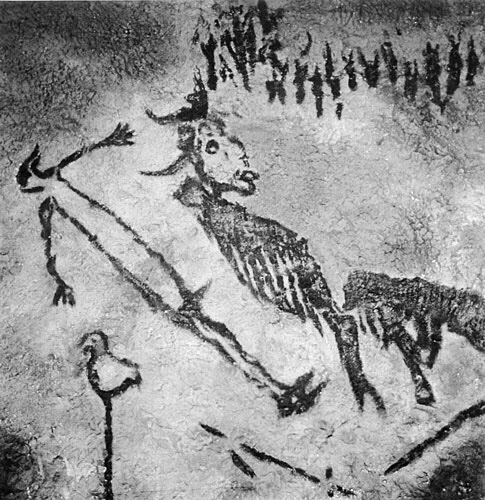
Earliest example I can find is of a god/mystic from a cave in France painted 40,000 years ago. Zeus Apollo and other Greek deities all had human characteristics too. Hindu animal gods all have human traits to enhance their mystic properties.

God or wizard from French cave art.

First recorded use of the word in western culture is 1745-55 for applying human traits to Christian god! Male image at that.

Aesop’s fables all show animals with human personalities and morals.

Literature has many examples mainly in children’s novels. Here are five fron just the last century.

1. 1865 Alice in wonderland Lewis Carroll.

2. 1894 The Jungle book Rudyard Kipling.

3. 1928 The house at Pooh corner A.A. Milne.

4. 1954 Lord of the rings J.R.R. Tolkien.

5. 1972 Watership Down Richard Adams.

All have been made into films mainly by Disney Studios. Most have some animation within them.

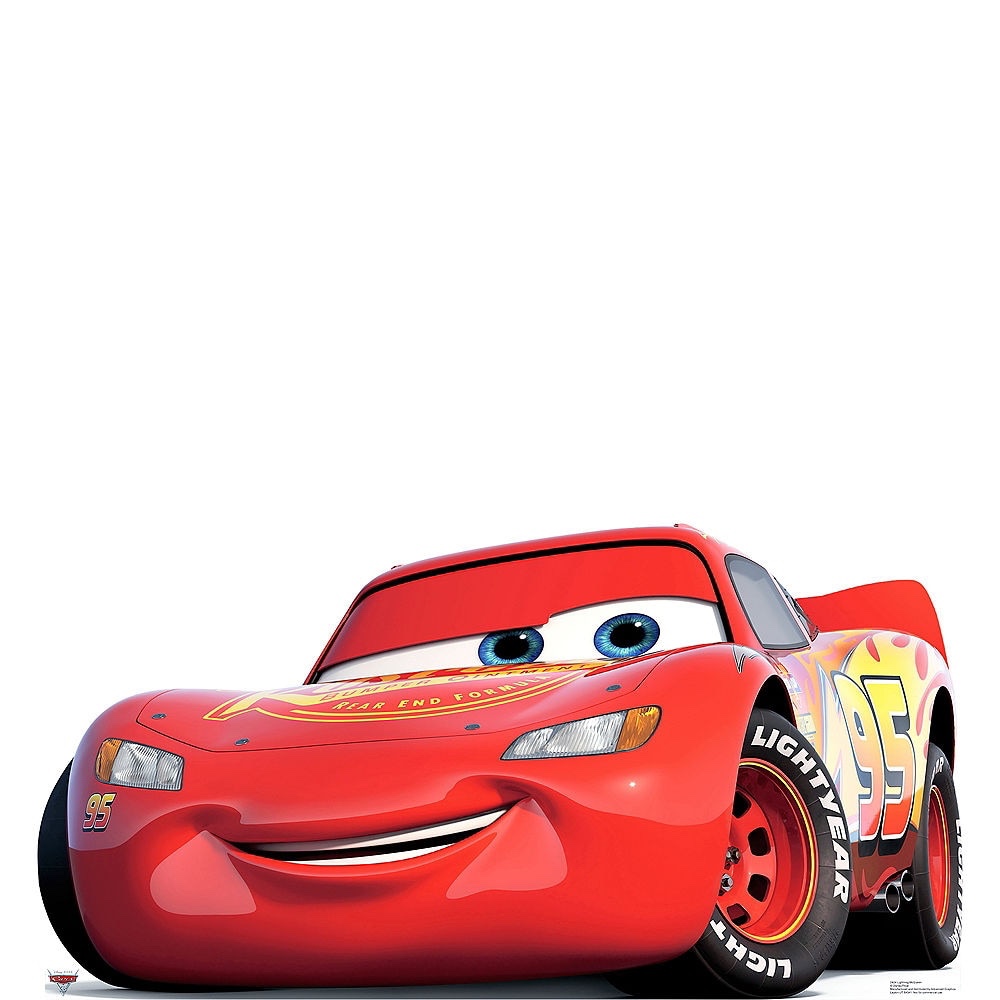
Recent films include Cars, Planes, and Toy Story 1, 2, 3, 4. which move away from showing animals to depicting objects.

Cars Animation of McQueen.

Car design itself is a science of face usage from Smart Car and its friendly face to Ferrari and its angry face. Even the Trabant has a face on its front. Online you can find pages of car face design tips.

Ferrari shows its anger beautifully.

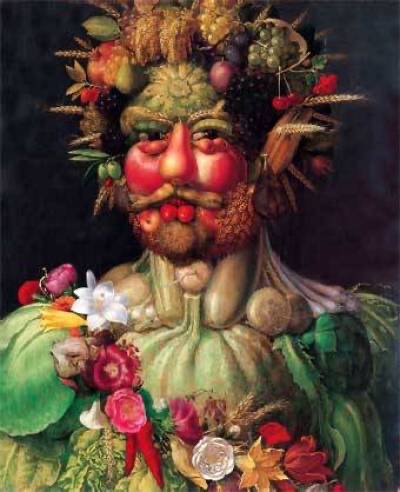
In art Giuseppe Arcimboldo uses inanimate fruit to form portraits the detail is sublime. Vegetables show the form and character of the subject. I wonder what they made of the images?

Giuseppe Arcemodi

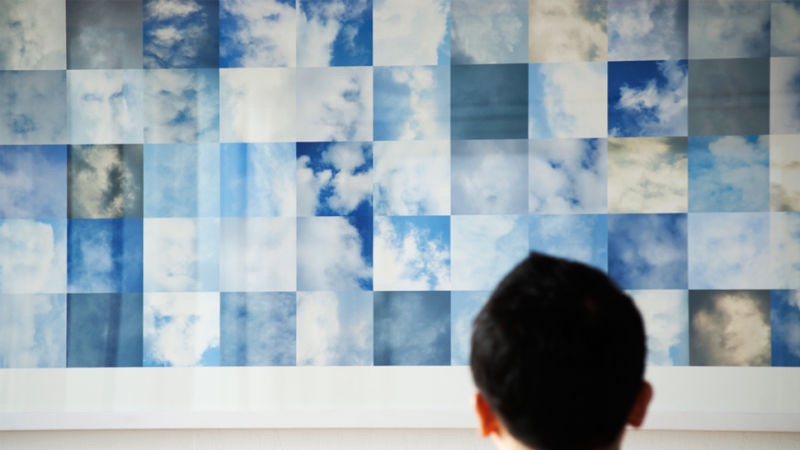
Shinseungback Kimyonghun used face recognition surveillance software to look at the clouds in the sky. From 40,000 captured images 1000 clearly show detailed faces. The images were displayed in Bradford. At first I didn’t see them but when you do it is amazing how much detail you see.

Shinseungback Kimyonghun cloud faces.

As children we do this, playing with our imaginations, we grow out of it! Let’s not, let us use our imagination like a child again, the world would be better for it.

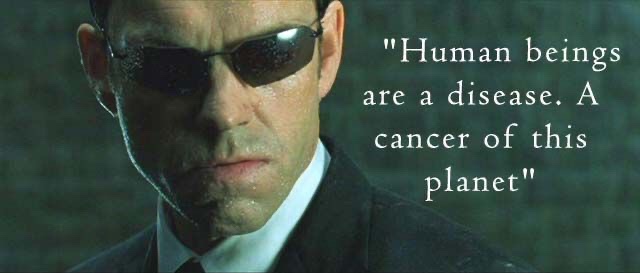
Finally…..for now! Agent Smith says in the Matrix “Humans are a disease Mr Anderson”. He is a Robot displaying feelings so even this pivotal scene in a film displays Anthropomorphism. It is everywhere look for yourself! What can you find?

Film quote from the Matrix by Agent Smith.

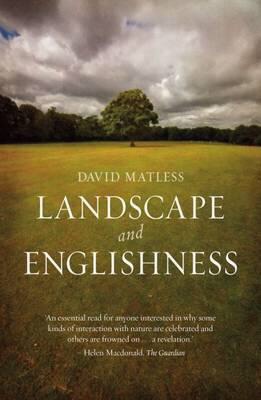
Review of David Matless book “Landcape and Englishness”.

(1)ISBN 978-1-78023-581-3

This book looks at what influences the landscape has had on the English being English in the post war years. The author has drawn from many sources, Art, History, Literature, Town Planning and Architecture to name just a few.

The book has many illustrations to support the written word, these are invaluable in helping the reader understand the visualisation which triggered the thought. An early example is the punch cartoon showing the ideal landscape sold to the soldier against the reality he returned to.

He draws from many sources even the AA road books from the 1950s. He discusses the way roads spread across the land then fill in with workplaces and homes. This made me think of the agent in the matrix movie who states “Humans are a disease, Mr Anderson”. (read about anthromophorcism here…………………………….).

Even the general fitness of the population is covered. Hiking and rambling being an ideal way to gain fitness and explore our landscapes. Related to this is a chapter on diet where the diet of Indians is examined at length comparing the varied diet of the healthy Indian with the poorer diet of Europeans with too much bread and processed food. Nothing changes.

All our landscapes are covered from the rural with Morris dancers and travellers to urban with its sprawl and centres of life.

This book is thought provoking and enlightening, I had never realised how much outside sources had influenced the way I see and use the English landscape. Plus the way that has been turned right around to influence what I will do to protect it.

David Matless has written with an easy to read style, with well informed sections that invite more in-depth research to explore the areas discussed. I am scouring second hand bookstores to find some of his source materials. This is a great book just to sit on a train and read.

Work Cited

(1) David Matless “Landscape and Englishness Reaktion Books London 1998.

Excercise 4.3 Subjective voice.

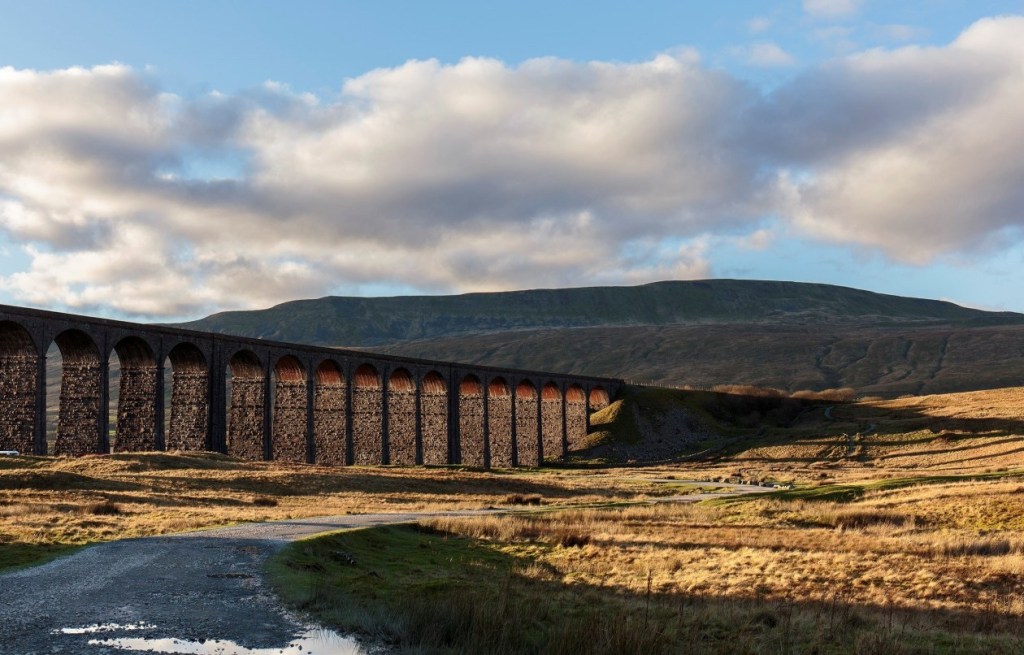
I was introduced to the landscape at the age of about eleven when I completed the Yorkshire Three Peaks walk. These three hills felt like Everest to me at this time.

Whernside.

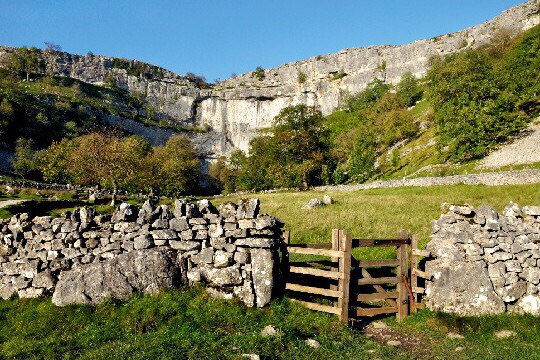
I went on to complete Duke of Edinburgh Bronze and Silver and had to complete proper hikes in both these awards. Navigating from Malham to Threshfield was a great introduction to using a compass.

Malham

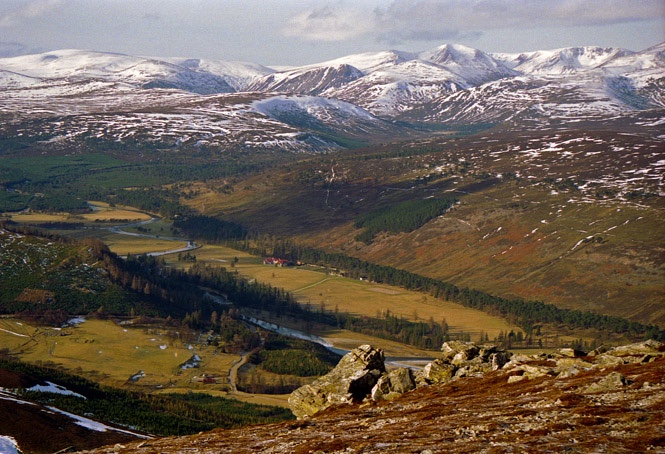
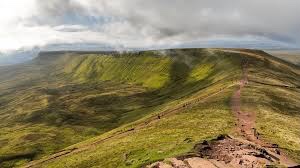
At Eighteen I joined the Navy and took part in the Ten Tor’s in Devon another real test. Then on to Four days survival training in the Brecon Beacons. Living from and with nature was a real test. I learnt so much about the landscape and myself through all of these experiences.

The Cairngorms
The Brecon Beacons

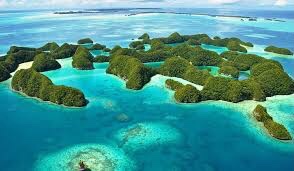
After leaving the navy I continued my diving and travelled all over the world pursuing diving. From the mountains of Scotland to the Rock Islands of Palau and countless landscapes and seascapes between I have seen some of this planets wonders. Note I say some.

Rock Islands Palau

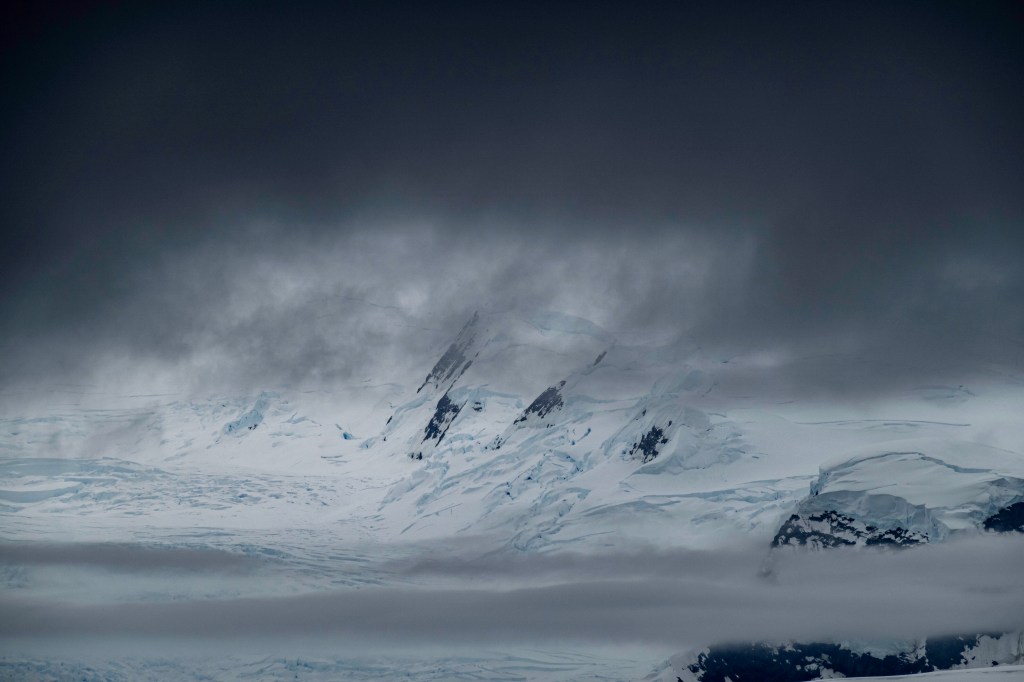
Recently I have been in Antarctica and the Arctic this takes me to the last wildernesses on our planet. These places have had a huge effect on my life, they are huge but oh so fragile.

Antarctica

I am no eco warrior but try to live my life to the best standards I can. Mending things rather than buying new. I walk to the shops instead of driving the car. I try to minimise the waste I produce to protect our fragile world.

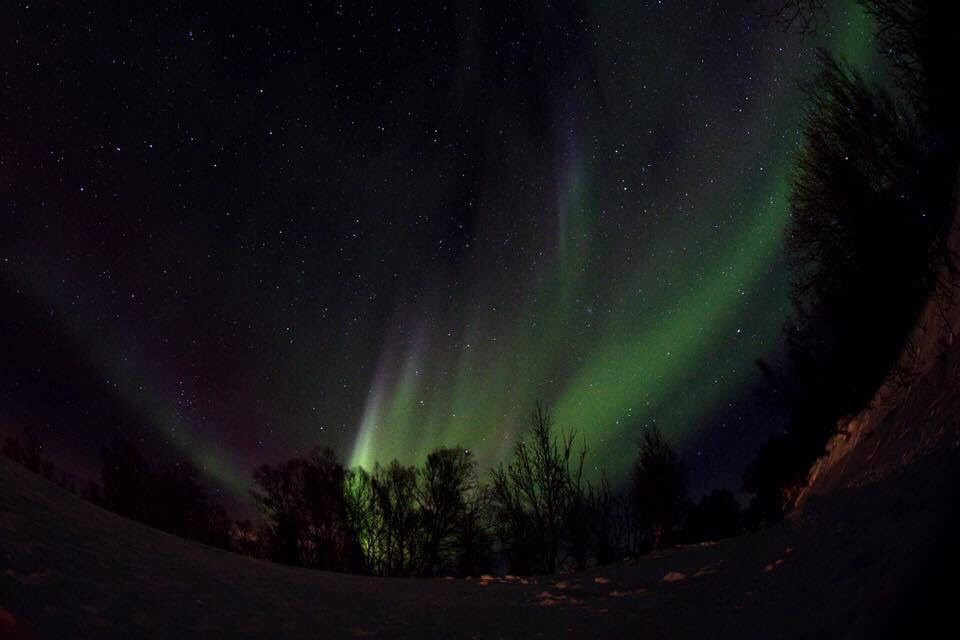
Northern lights.

Some of my best experiences have been sitting up, in my sleeping bag looking at a cloudless night sky. And watching the Northern lights in Norway and Greenland.

I am fascinated by the animals in these places but don’t want be a scientist. I just enjoy knowing they are out there.

The people I have met can teach us so much from the man in the jungle who knows which plant treats what, to the Micronesian sailors who use sticks to navigate the vast Pacific Ocean. I hate when good meaning westerners want to introduce air conditioning, Coca Cola and the internet they don’t need it……..in my opinion.

Exercise 4.2 Landscape for everyone.

Landscape was a route to levels of emotion which were acceptable without being too nationalistic. These words sum up for me how we are in England fiercely proud without wanting to offend.

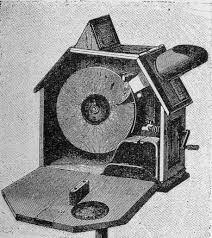
The Mutoscope imagined to look down on England’s history.

CFG Masteman wrote “looking down on England” in which he looks at landscape from the medieval jungle through the renaissance to the black blots of the industrial revolution. He uses a clever vehicle “the Mutoscope” for looking down on the landscape to see the changes in historic periods like a sped up film.

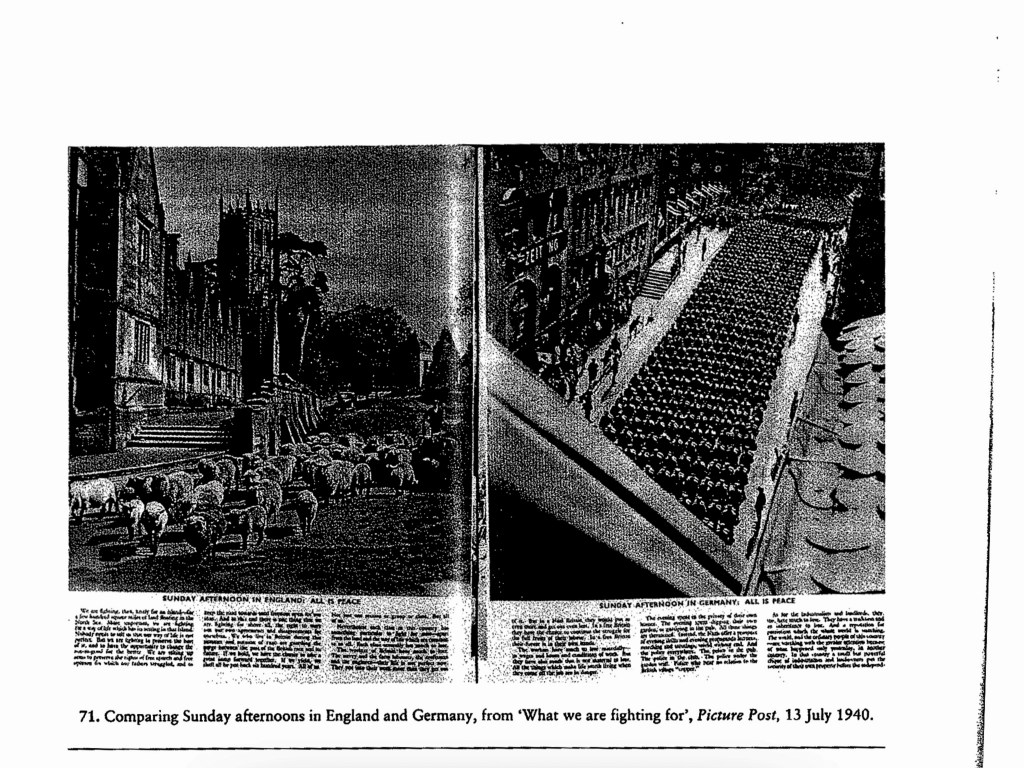
In 1940 the threat of invasion came from across the North Sea and Germany.

“Unconquered for a thousand years” is a phrase I find interesting as Germany talked about the Reich lasting a thousand years. We looked back they looked forward.

Patriotic propaganda talked about community in the village led by the Squire bringing people close to the past and nature. The inhabitants removed signposts and addresses from the scene to aid confusion to the enemy.

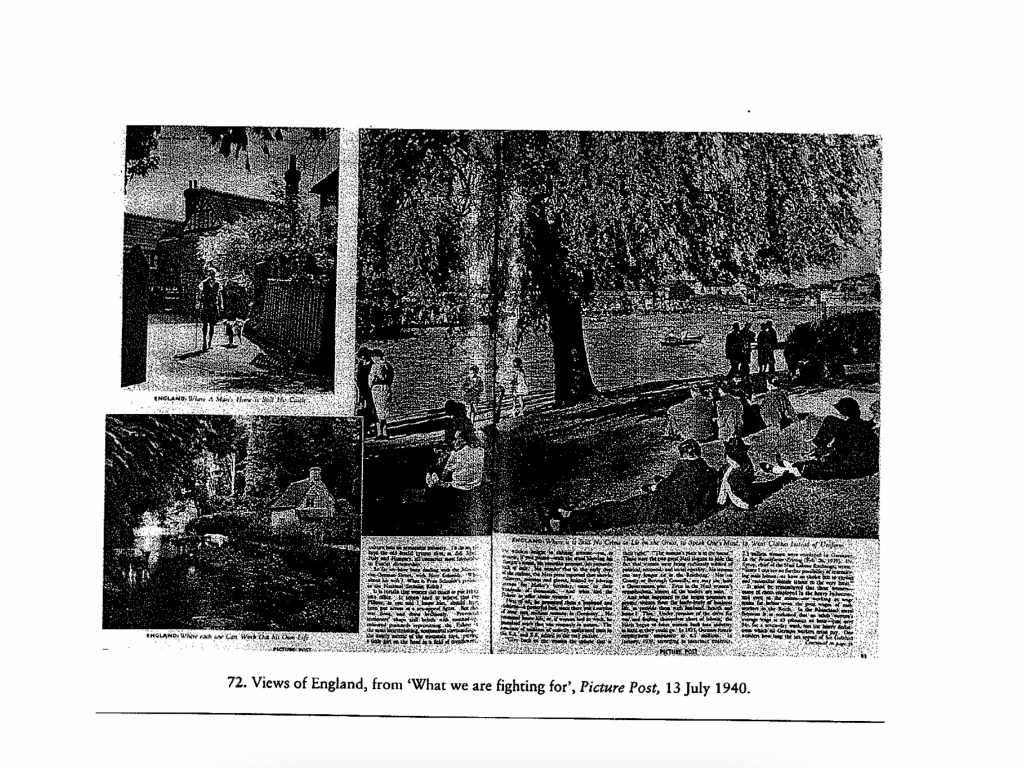
What are we fighting for.

The landscape became travelled through rather than enjoyed. Publishers such as the Pilgrim Library published books showing the idyll of previous landscape to remind people what they were were fighting for.

Picture Post juxtaposed photos showing a boy playing cricket in one then a young German boy in Hitler Youth uniform. Democracy against Militarianism. Another shows a half timbered cottage with the caption “England: Where a mans home becomes his castle”, all hint at what is being fought for.

What are we fighting for?

Civilians being bombed were shown with upturned faces showing their bravery and hinting at a brighter future once the turmoil had been endured.

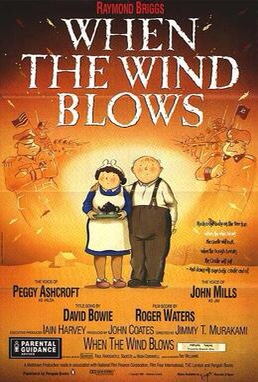
Completing this made me think of the illustrated book by Raymond Briggs called “When the wind blows”. The same emotions were used to show how a nuclear attack would effect our grandparents who were from a simpler time. This made me want to absolutely defend them.

Promotional poster for the animation of the book.

Excercise 2.6 Edgelands

After reading the two short essays Wire and I am struck by the endless possibilities this approach offers. The two essays cover such topics as Cooling stations, Wind Turbines, Cold War buildings and wire fences. All linked by being on the edge of Society in one way or another. Services that we want to keep close enough to use but distant enough to be not seen. The second link I saw was barriers, razor wire and pointy fences.

The work around Greenham Common and the Hush House were interesting to me. Making me think of textile mills locally that are now unused.

If I walk a mile through my local area noting these types of things I get the list below.

1. Walls (Drystone).

2. Walls (Mortared).

3. Waste bins.

4. Derelict farms.

5. Ancient boundaries.

6. Old industrial sites.

7. Wire fences.

8. Wind turbines.

9. Litter Bins.

So spending 20 minutes wandering around looking has produced eight topics that could easily be projects and long term ones at that.

Reading of the sites that were edgelands in the time of writing some of the ones I know such as Tinshill cooling tower are now not on the edge they are part of the town. It could be interesting to find old edgelands within our towns.

Work Cited

(1) Wire Farley, P. and Roberts, M.S. (2011) Edgelands, Journeys into England’s True Wilderness.

(2) Power Farley, P. and Roberts, M.S. (2011) Edgelands, Journeys into England’s True Wilderness. London: Vintage Books

Response to Feedback for Assignment 1. Look UP!

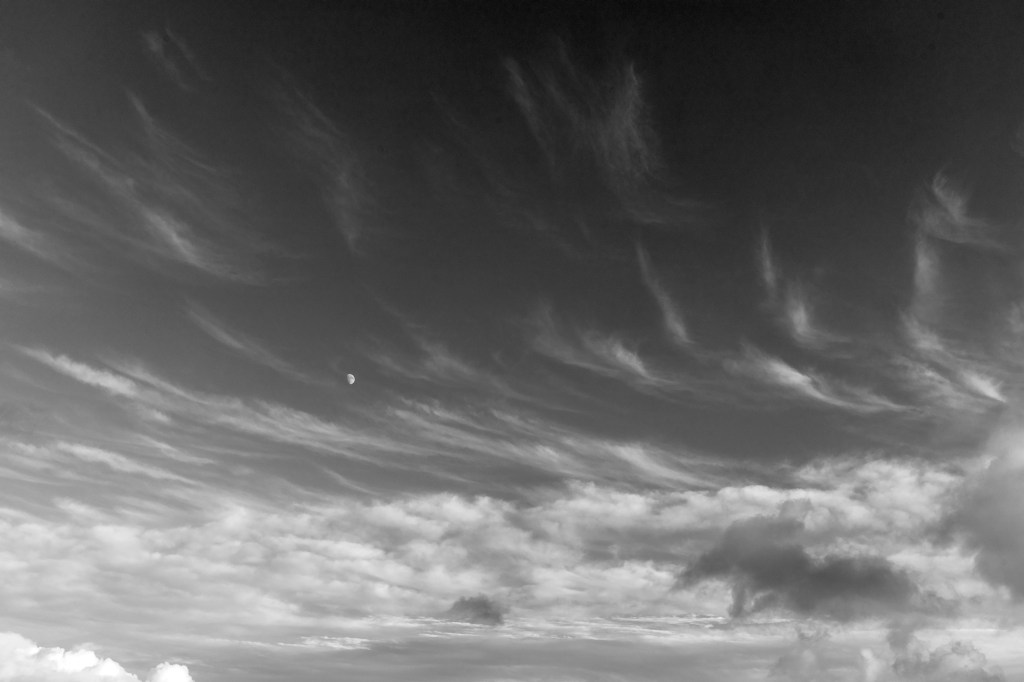
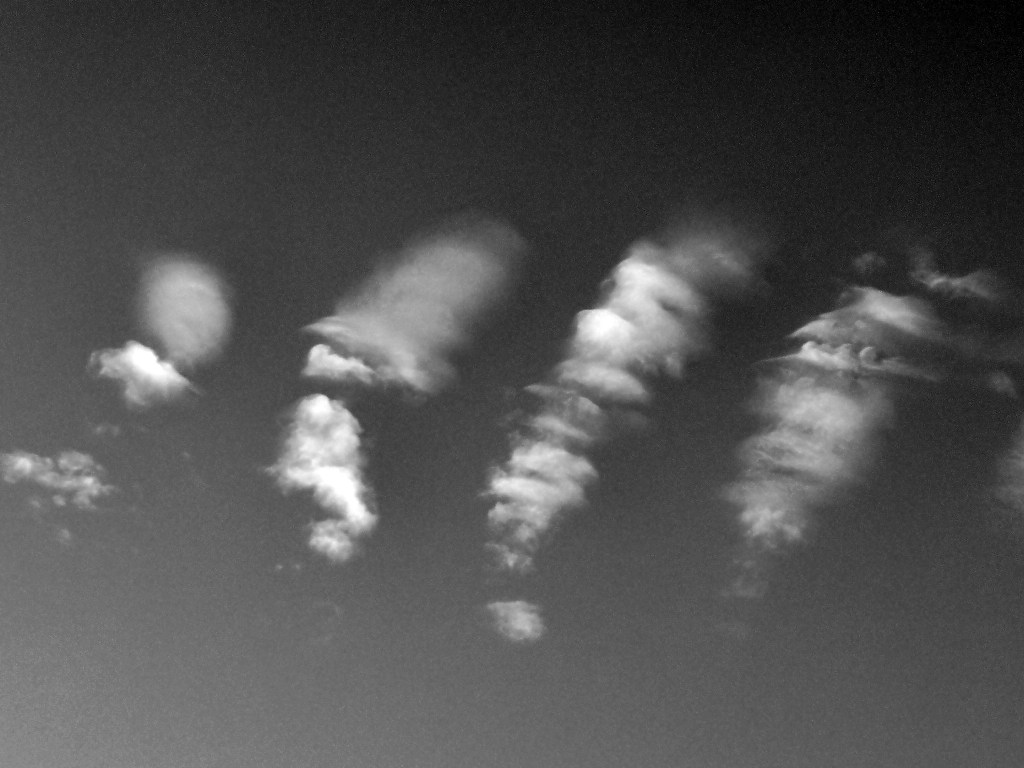
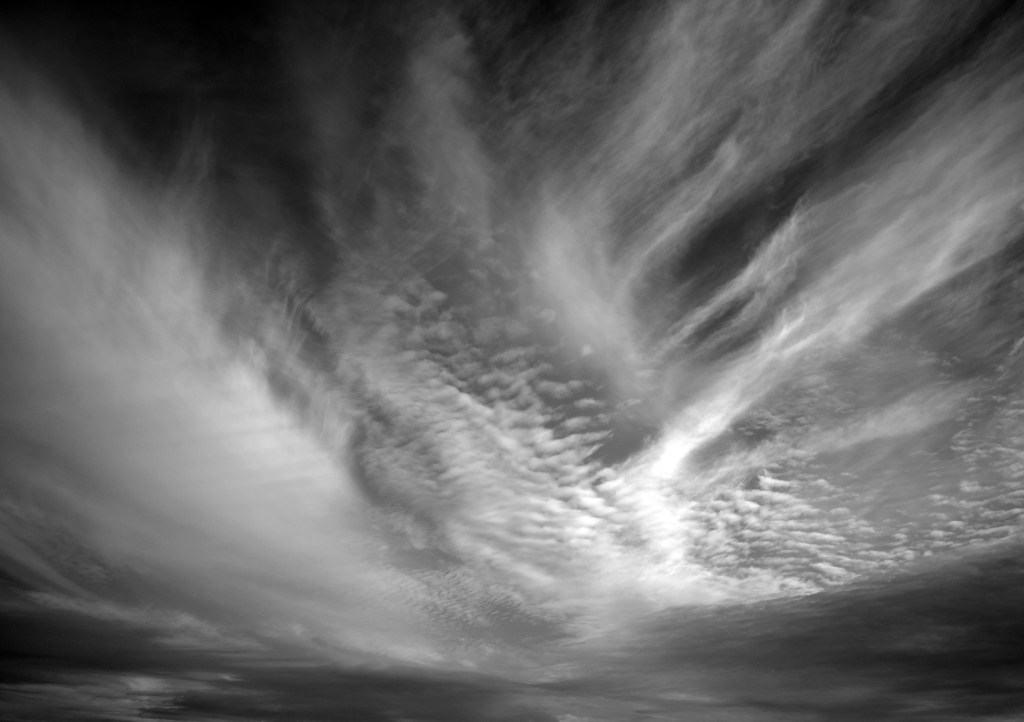
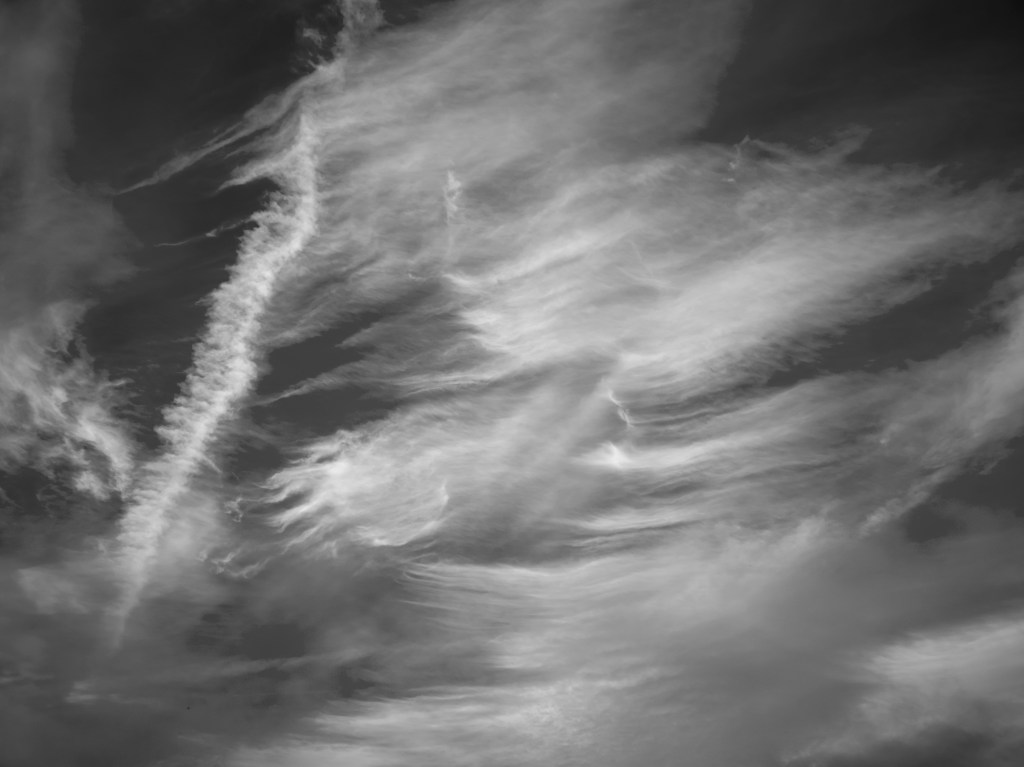
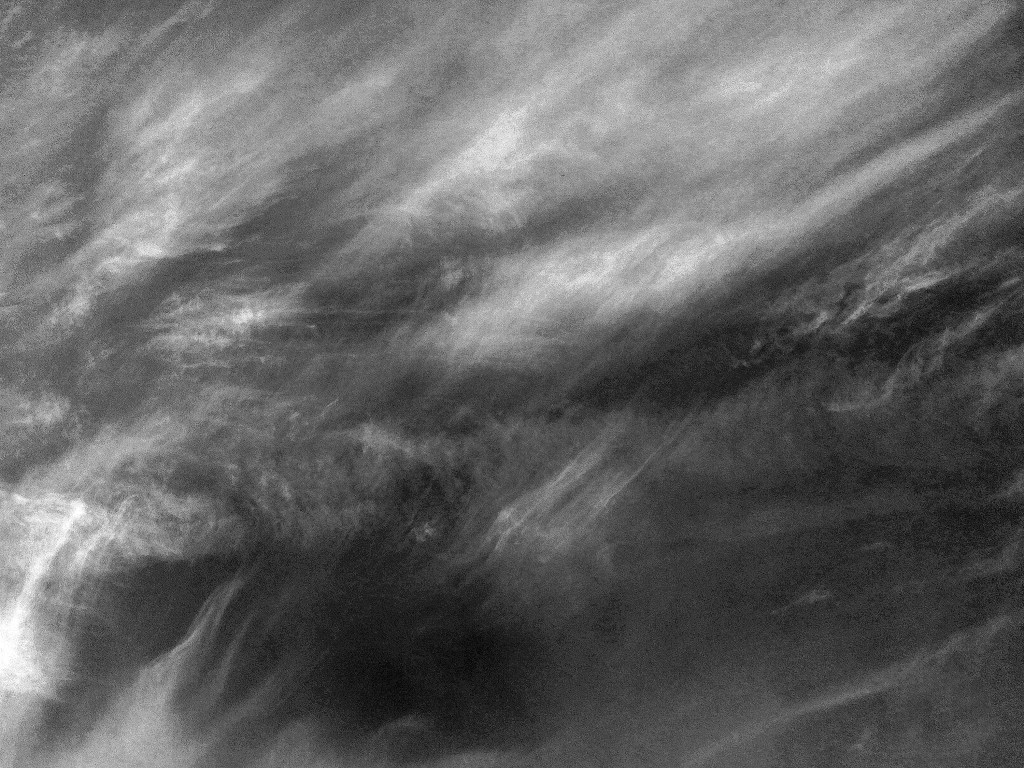
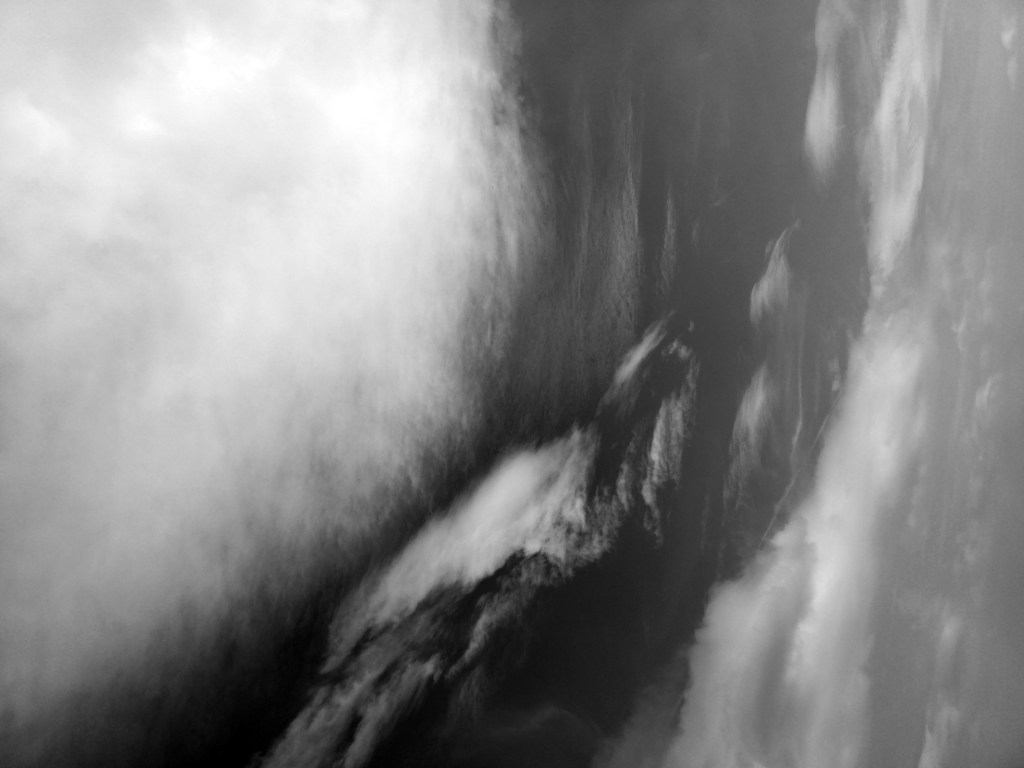
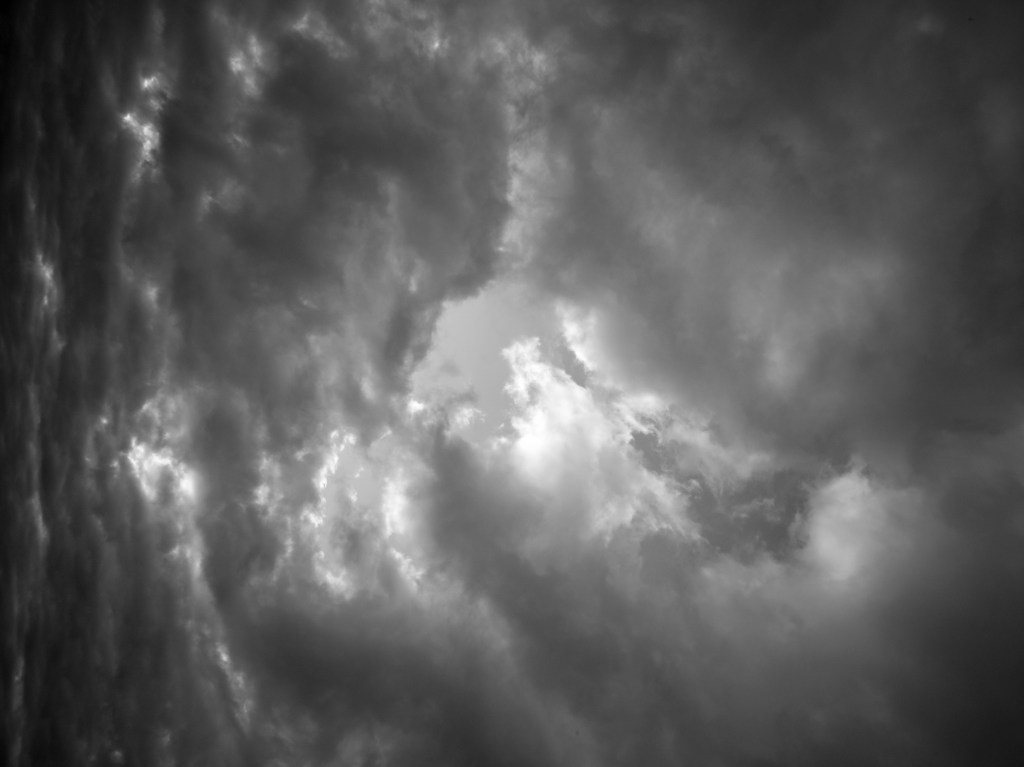
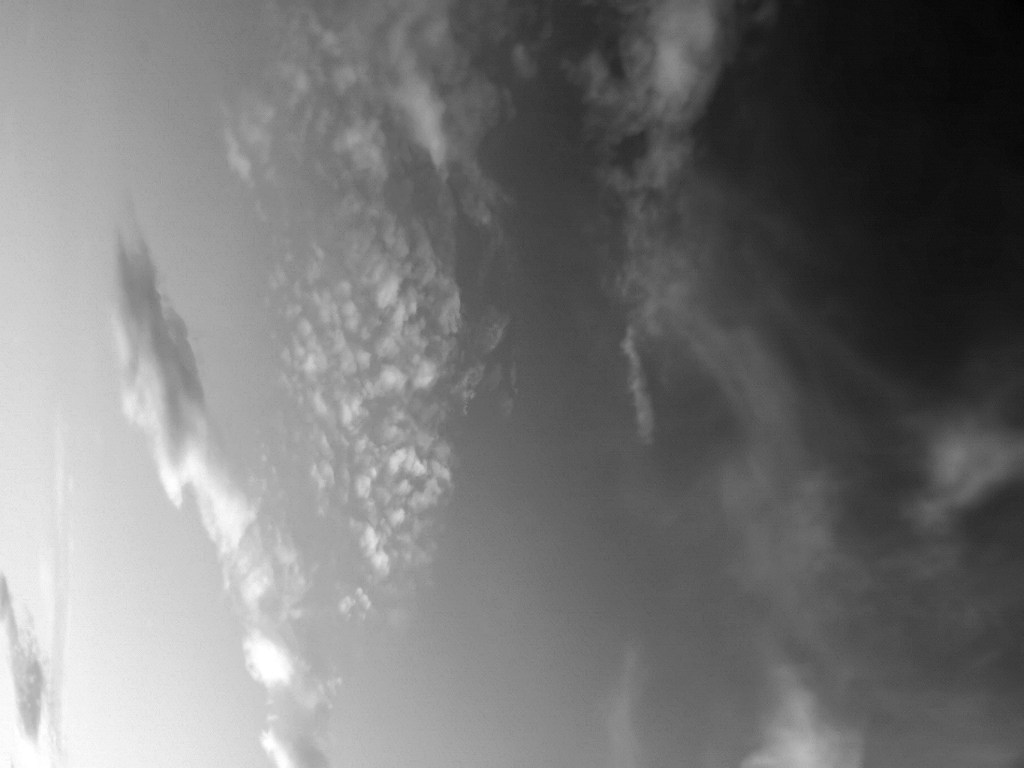
In considering my first assignment in the Landscape course I have been pondering why my shots are sublime to me. I look at the photos I took and I still see the sublime in them. What am I seeing?

I agree with my tutors comments in his feedback and fully understand the difference between the picturesque and the sublime. Do my offered photos have that wildness and savagery that it needs to be sublime?

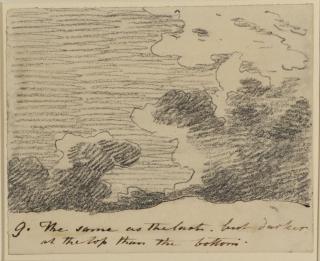
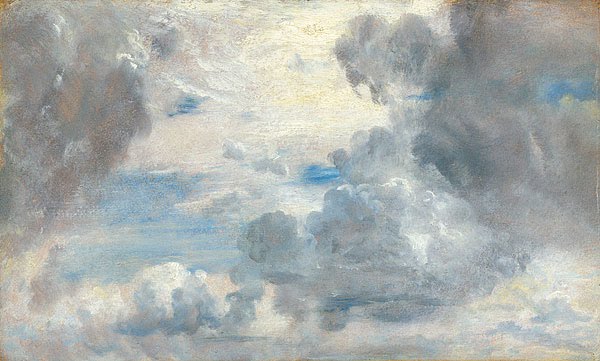
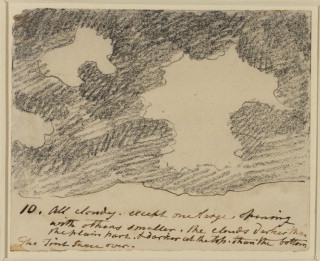
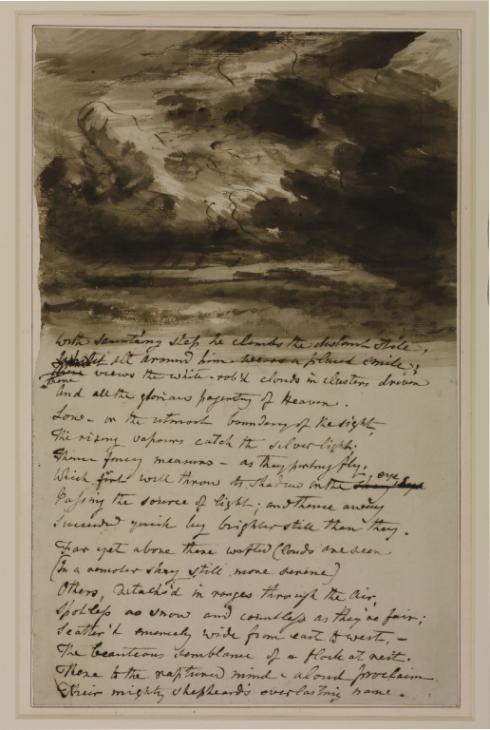
Listening to (1)Radio 4 I heard a piece about (2)John Constable and his cloud sketches which he completed in 1821. He drew and painted these sketches as practise for his paintings to come. He did the majority of these sketches from Hampstead Heath as his wife recovered from illness. Constable was so successful at depicting the clouds that one member of the Royal Academy said “When I see Constables clouds I reach for my raincoat”. They range from simple sketches through watercolours and then full oil paint.

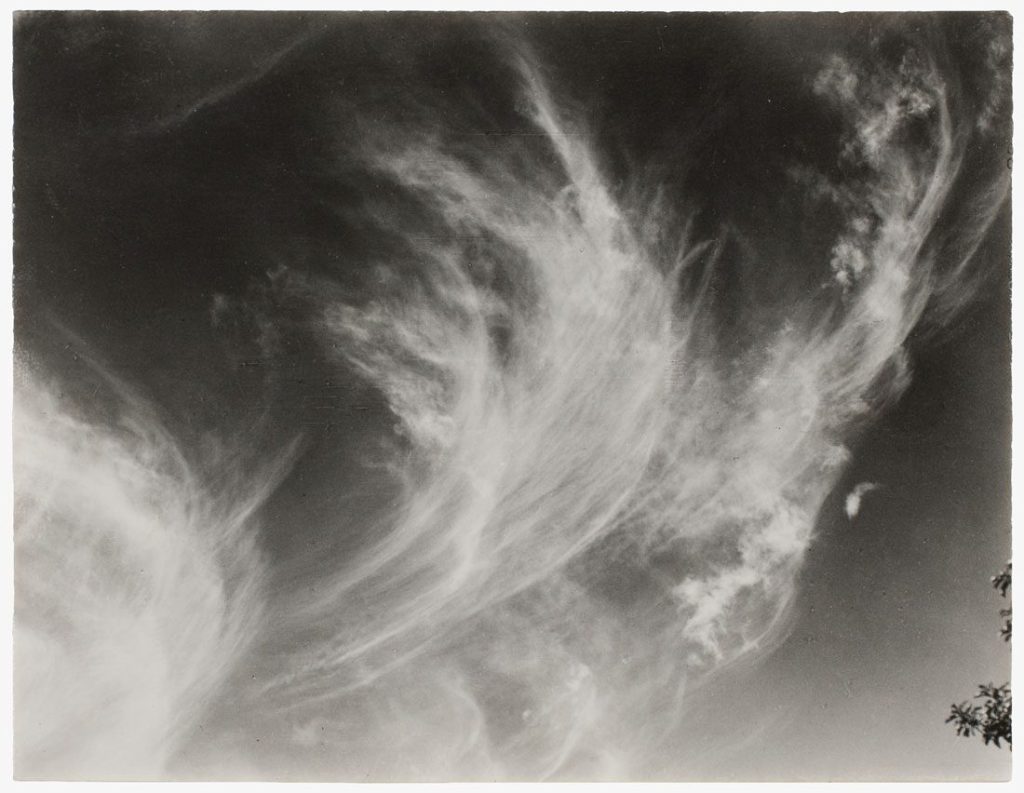
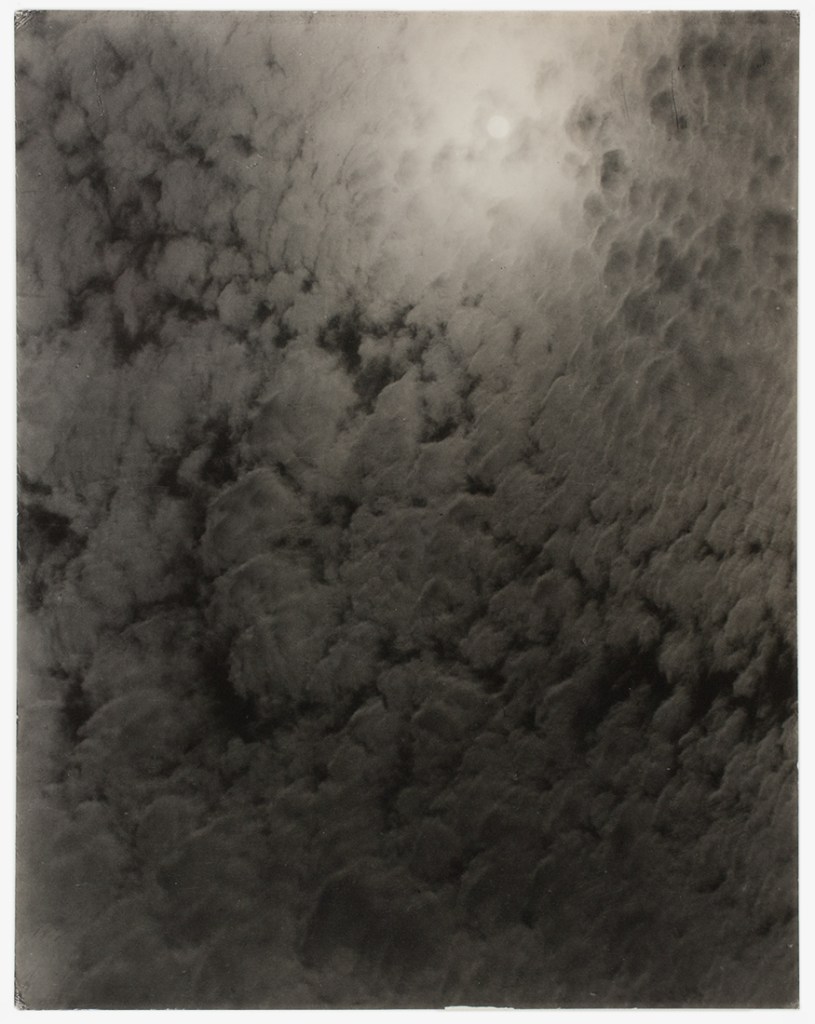
(3)Alfred Stieglitz also created a series of photographs entitled “Equivalents”. He did it to show his technical ability at capturing a difficult subject whilst making art. These works are considered by some to be the first abstract depiction of photographic art having no real subject. Viewers found this fact challenging to see. Stieglitz knew precisely what effect he had created saying to one viewer who asked “is this water?” he replied “Why does it matter”. Knowing he had created the question in the man’s mind.

(4)Ansell Adams said in 1948 seeing “Equivalents was his first intense experience in photography”.

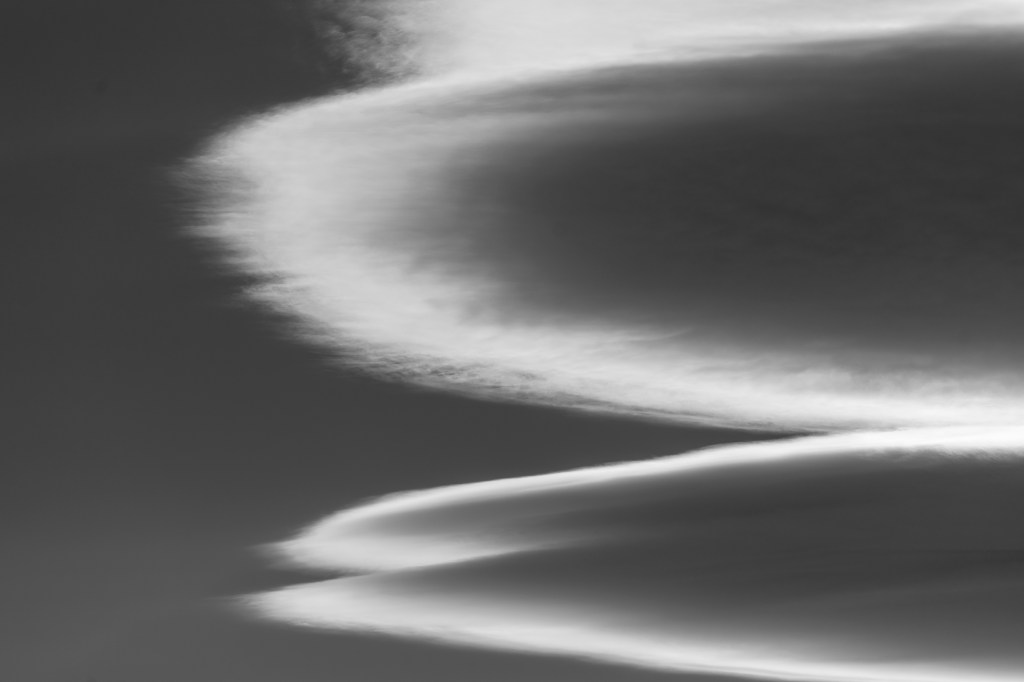
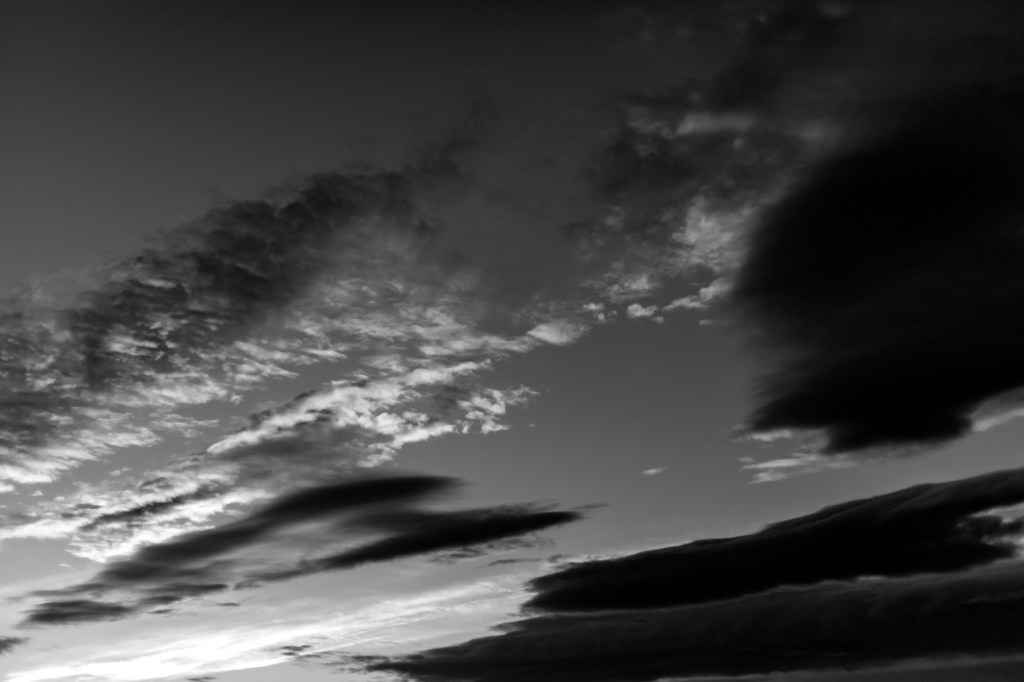
I have been taking pictures of the sky in monochrome for the last few months not knowing of Constables sketches but being aware of Stieglitz work and in fact responding to it.

My tutor in Identity and place had told me to look in completing one the exercises; this was an inspiration for me starting recording these photographs. Contemplating the photos offered in response to assignment one of this course I realised I was trying to show this big sky, however I had let the physical landscape overpower the sublime element. I had tried to show too much. I should have captured just the sky and its amazing clouds. They are natural and wild and make me feel small.

This lesson is invaluable thinking about the fourth assignment writing a 2000 word essay. I must be on my guard and ensure I don’t try to cover too much but narrow my sights onto a smaller target and complete the essay well.

Works Cited

(1)Blatchford, Sir Ian. Art of inovation. Performed by Dr Tilly Blyth. Radio 4, London. 26 September 2019.

(2)Constable, John. “Cloud Sketches.” Royal Academy. Constable Clouds above Hampstead Heath. London, 1821.

(3)Phillips, Sandra. Art in America. New York, 2008.

(4)Stieglitz, Alfred. “The Equivalents.” MoMA. Equivalents. New York, 1921.

Exercise 2.5 Text in Art

I don’t want to give away my work for Assignment two so some of my explanation here may seem vague, stick with me all will be revealed later in the project.

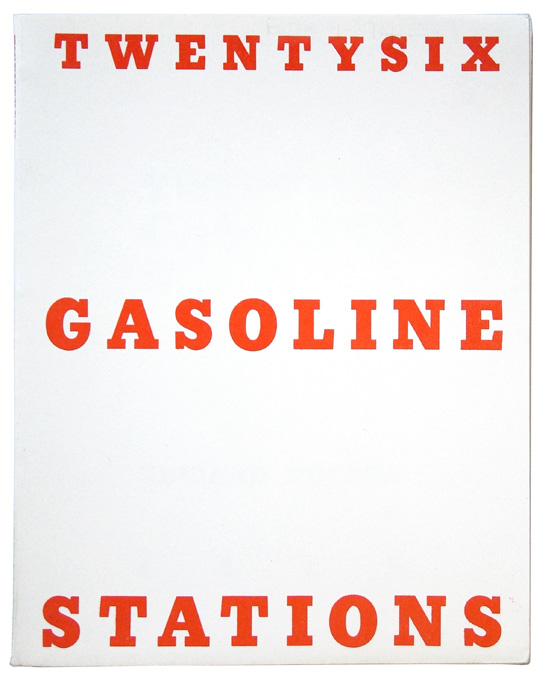
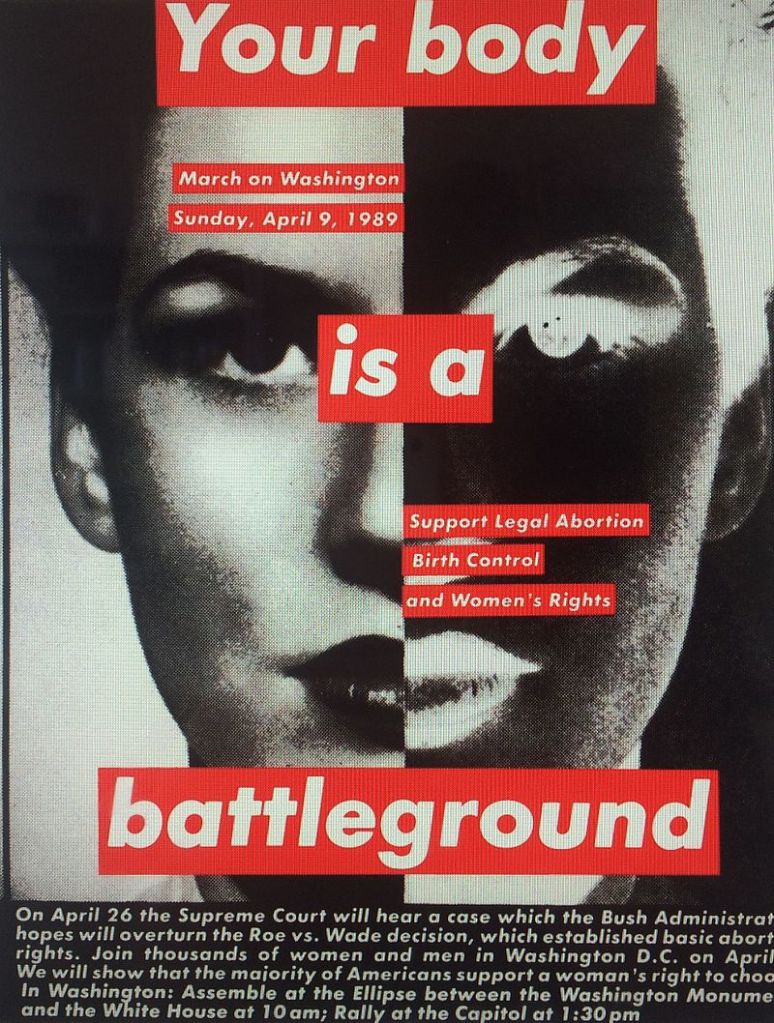
In the brief we are asked to look at the work of Ed Ruscha, Barbara Kruger and Mark Kitchener. I did so and was amazed to find I had seen their work around over the years in magazines and online. Below is an example of each artists work except Mark Kitchner whose work I couldn’t find.

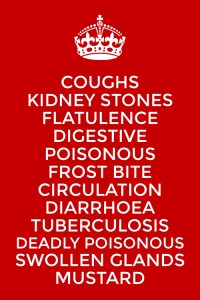
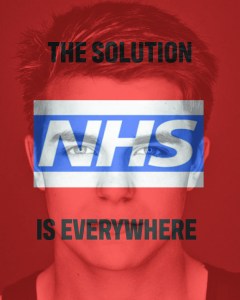
So looking at the work of these two artists I thought about my planned work for assignment 2. It works well together as I have 12 pieces I will display. The words relating to each work well displayed in an Ed Rusha Style. I thought completing the list with the recognised “Keep Calm” would add an official almost Health Department warning feel to it. The second one is my mock up of a poster to support the end of the project. You will have to wait for the assignment to be complete to see the outcome………SORRY!!! However the clues are all there on the posters just look and think.

Excercise 2.1 Territorial Photography

After reading Joel Snyder essay (Landscape and Power, 2002) Territorial photography we are asked to review two photographs of our choice from two of the mentioned photographers.

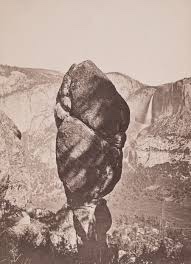
Agazzis rock with Yosemite Falls. Carleton Watkins 1851.

Carleton Watkins (Watkins, 1851)” Agassis Falls with Yosemite Falls” ,is an albumen Print on glass. It is high quality. The composition is obviously influenced by Watkins experience as a painter. The main subject, the rock is shadowed but shown with fine detail. The whole picture is sharp.

Thinking about Snyder, discussion of him taking photos to show that the wildernesses was being tamed whilst remaining untouched. You see this with the waterfall and the rock. However if you really look you can see roads, buildings and people.

It could be a high quality advert enticing you to go see. What you don’t see are the indigenous people, they are gone.

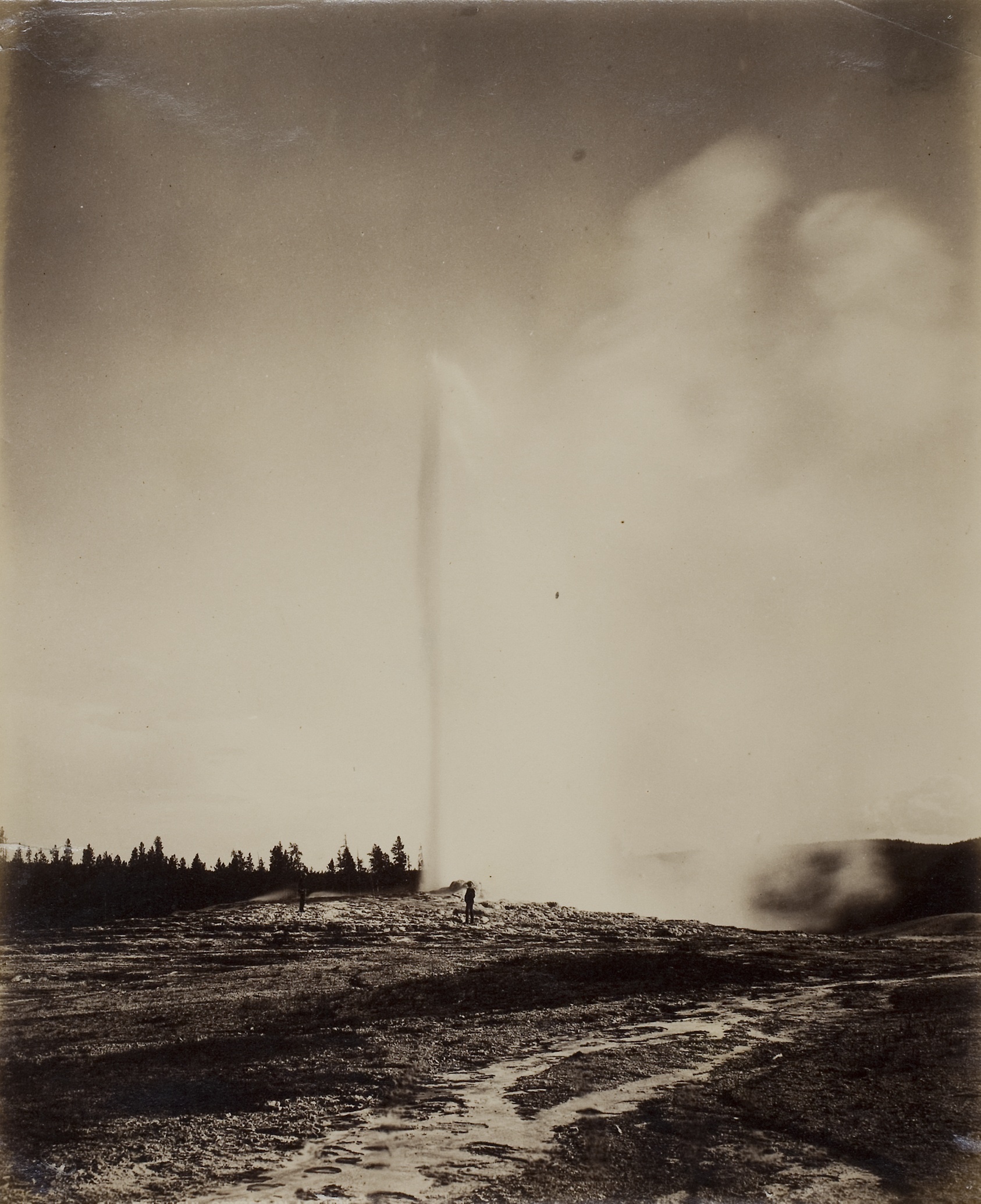
William H Jackson Old Faithful. 1871

William H Jackson, “Old Faithful” a huge Albumen Print 21cm x 17.5cm on paper. It is a high quality Print with good tone although some of the black tones are too dark. Jackson spent his time on surveys scientifically recording the central area of the USA. This photo was taken on Ferdinand Hayden’s Geographical Survey. It shows Old Faithful geyser erupting. steam blowing away from the main column of steam. He can’t resist though placing an assistant in Perl in front of the geyser. This adds scale and maybe is a reaction t being told his photos could not be used to provide measurements.

Neither Snyder nor Jackson were particularly celebrated at the time but are recognised as important practitioners now. They took similar photographs however they were for different purposes. Watkins showed the wildnerness being tamed and being used by the white man. Jackson wanted to show an untamed wilderness there to be explored and discovered.

I think I fall into the latter category.

References

Snyder, Joel. Territorial Photography. 2nd ed. Vol. Landscape and Power. University of Chicago Press, 2002.

Watkins, Carlton. Agazzis Rock with Yosemite Falls. 1871. Albumen Print from large glass plate. John Getty Collection.

William H Jackson. Old Faitful. 1871. Albumen Print from large glass plate. Art institute of Chicago.