When I think of a picturesque painting I see a calming scene one which shows gentle curves with smooth water or perhaps a gently running river. Trees will be somewhere in my picture but they will be in their prime unruffled in bloom. (1)John Constables Haywain is a perfect example of what I would have in mind.
Having read (2)”Landscape and Englishness” by David Matless I realise that I have been pre-programmed to have these visions in my head. This vision of the picturesque was implanted in both the world wars to give the combatants something to strive to return to. The cartoon showing William Smith returning from the war is a great example of the kind of work used to get men to question this idea on their return from the war.
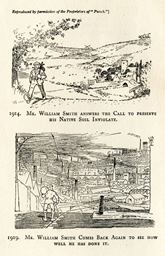
I don’t think about picturesque photos being of urban areas or god forbid industrial areas. But why not? they are part of our picturesque landscape. Artists have captured great images of both the urban and industrial areas of our cities. (4)Peter Mitchell traveled around my home town of Leeds and took photos of the change coming to the city. Recording the old and the new with a none judgemental eye. His work is an important document of the city and whilst not my initial idea of picturesque, it is stunning.
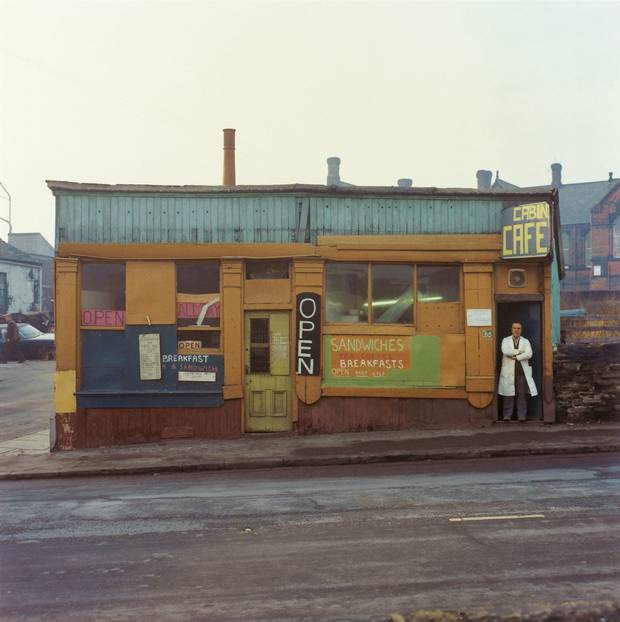
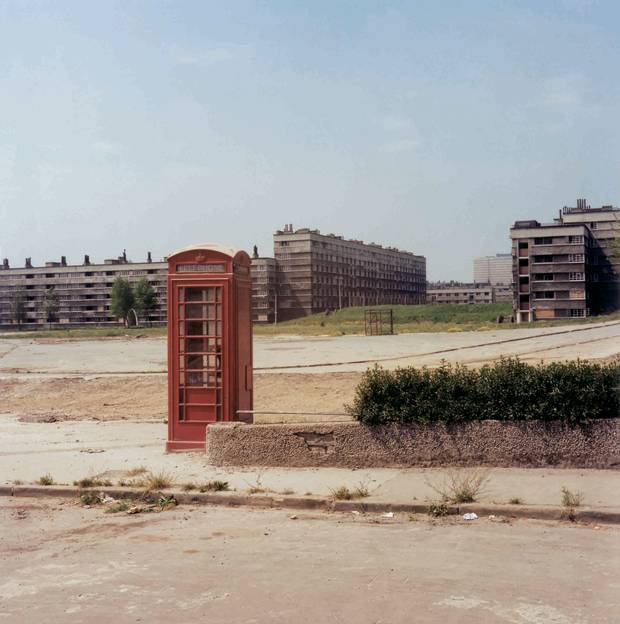
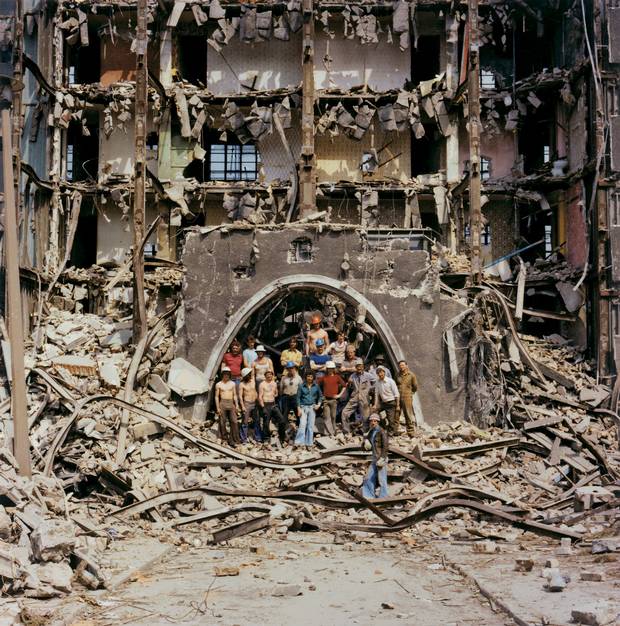
All of these photos are challenging but are picturesque. I have focused on them because they are the opposite of what I would have thought of when I began this course.
They work so well because they are challenging like the face of an elderly person with all the wrinkles and lines. These lines make the portrait more interesting. Likewise the derelict nature of the sites photographed make them picturesque.
I will challenge my work going further into this course to show images which challenge whilst being great pictures.
Bibliography
(1)Constable, John. “The Haywain.” National Gallery. 1800. London, 1745.
(2)Ellis, William. “William Smith comes home from the war.” Punch Magazine. England and the Octopus. London, 1928.
(3)Matless, David. Landscape and Englishness. London: Beakton Books, 1998.
(4)Mitchell, Peter. “Photos of Leeds.” Strangely familiar. Leeds Books. Leeds, 2018.
 Michael Green Landscape Studies