After a delay when my tutor and I kept missing each other due to my adventures down South. I finally received an email from him with some areas to work on.
1. Research Anthropomorphism.
2. Add reference to environments having no emotions.
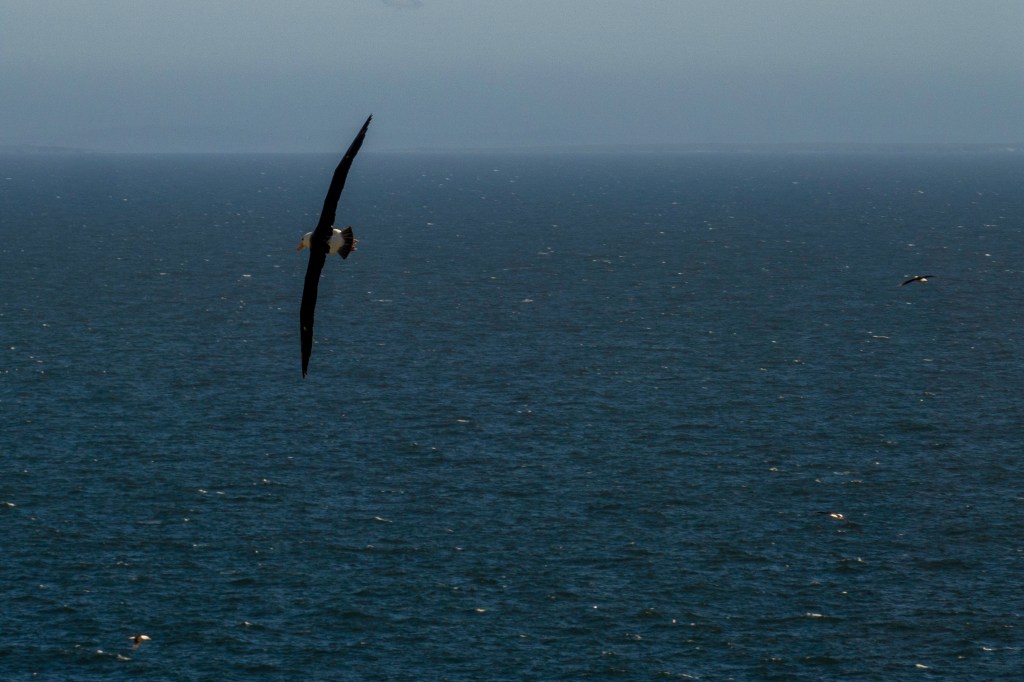
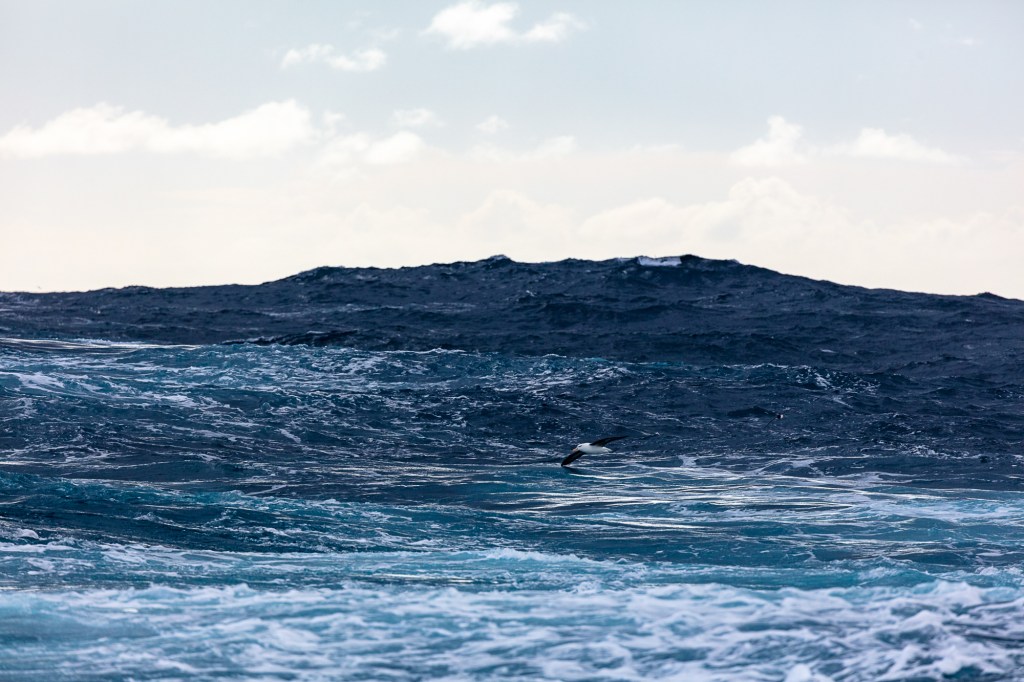
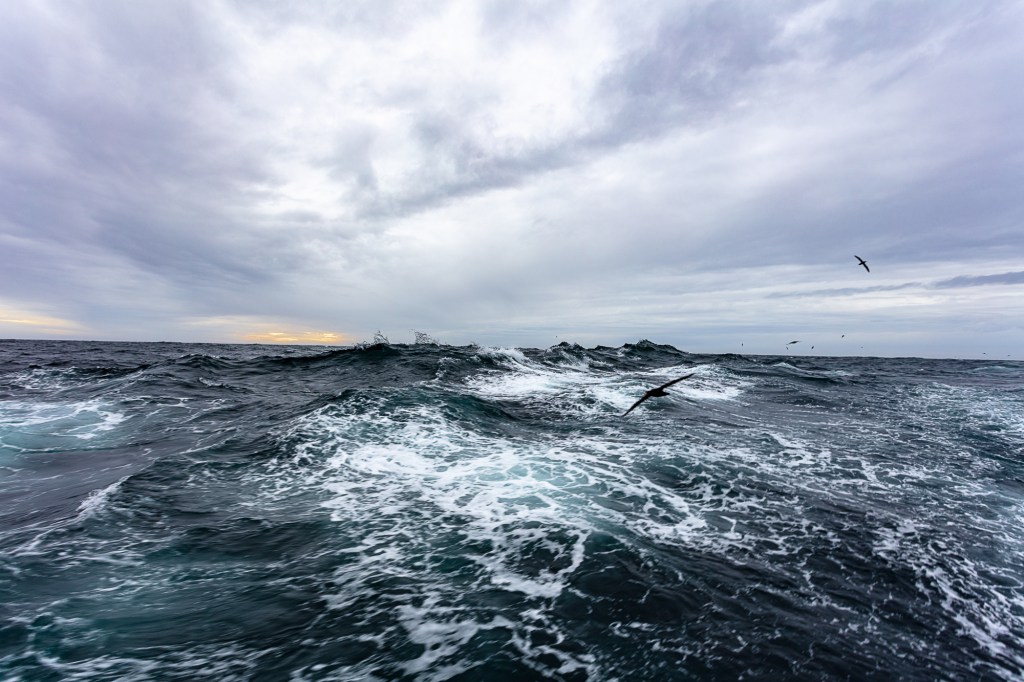
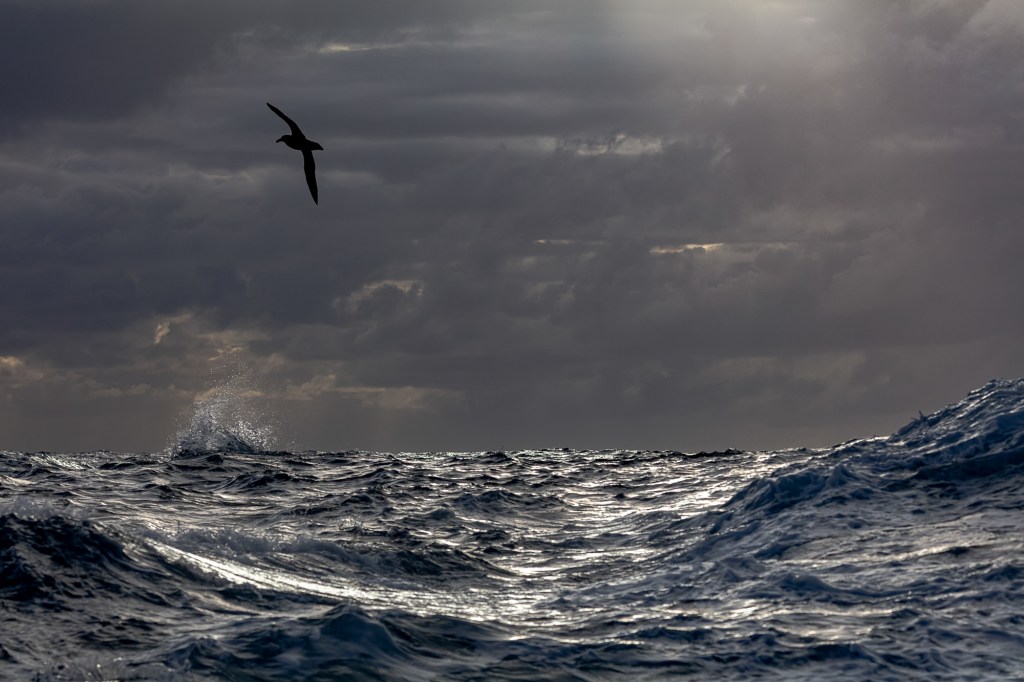
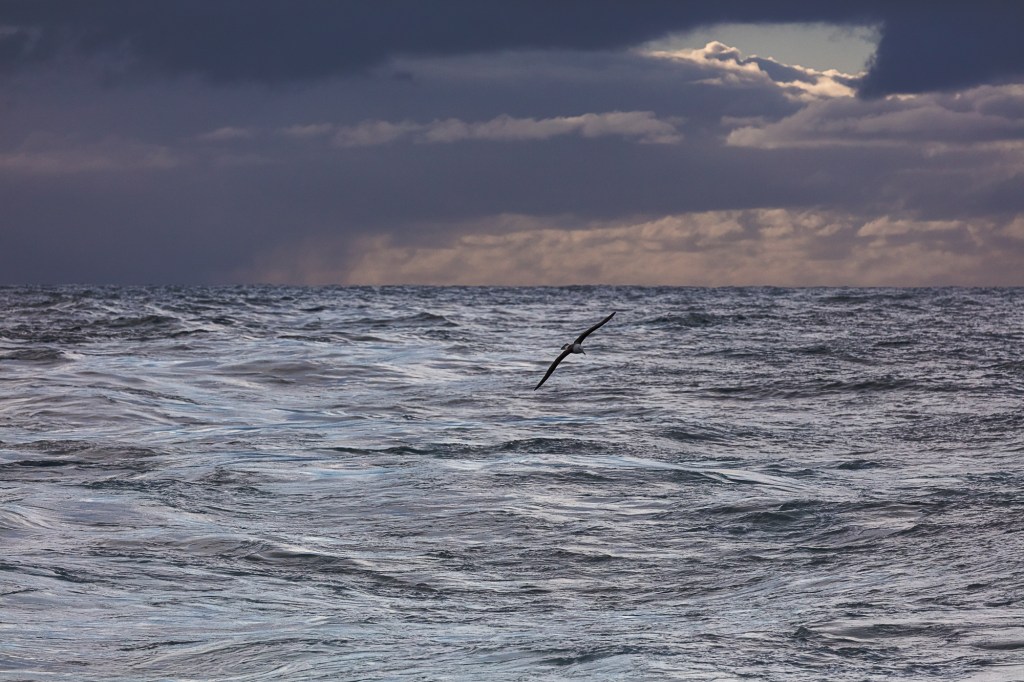
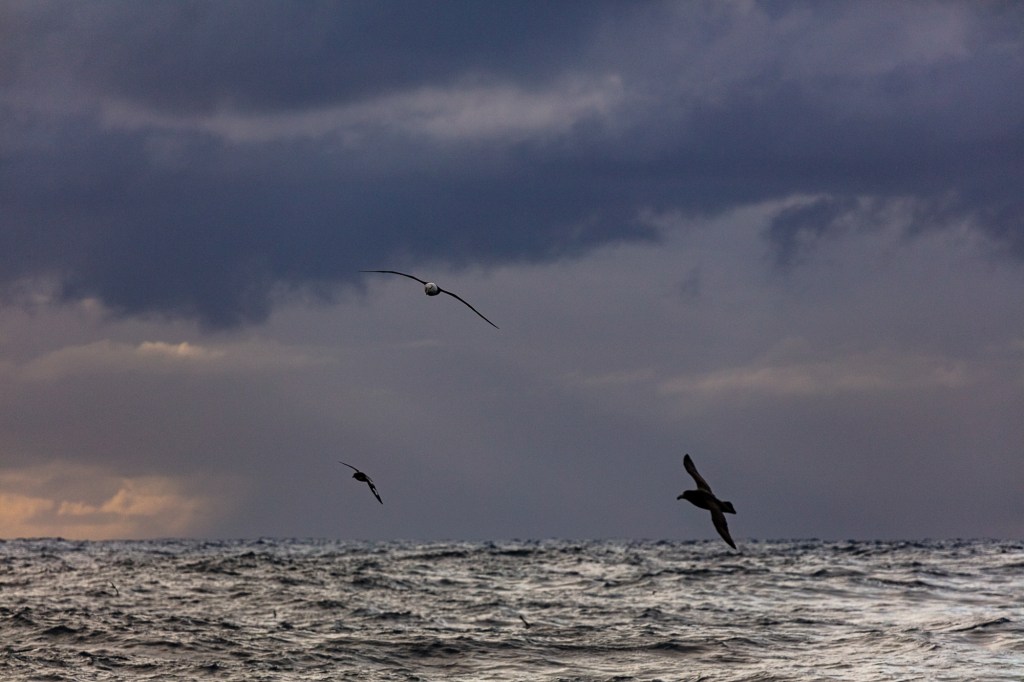
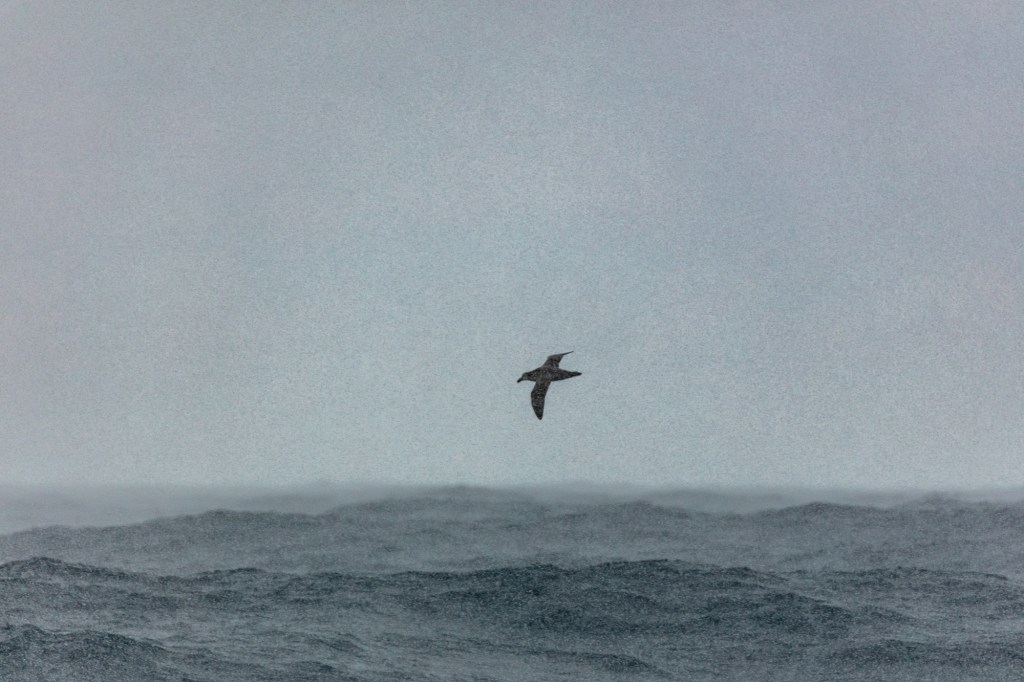
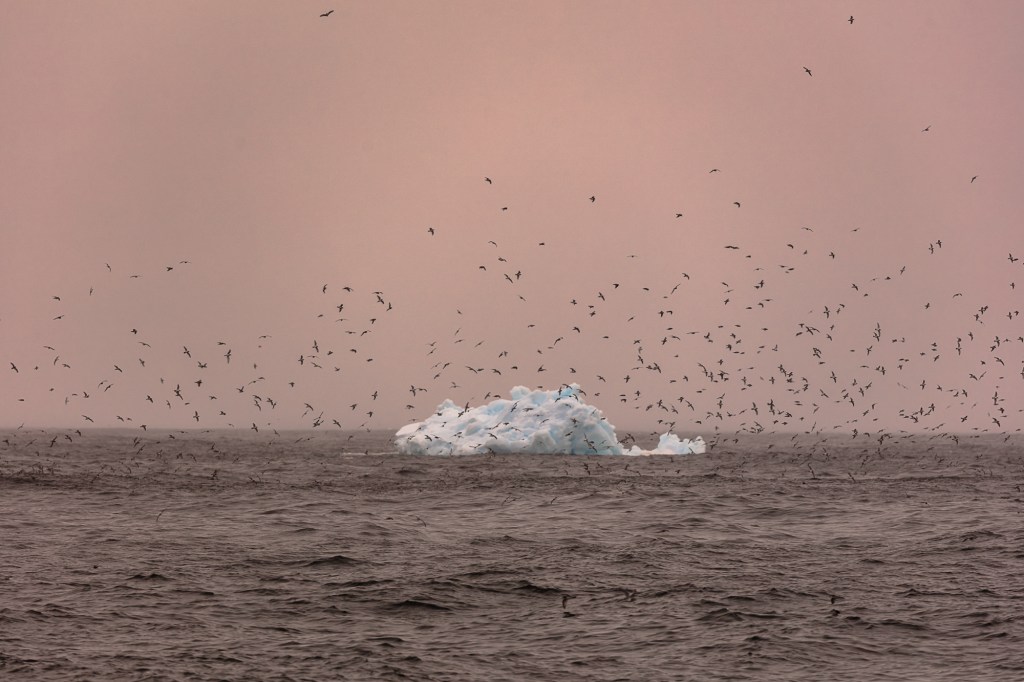
3. Identity of the birds in my photos.
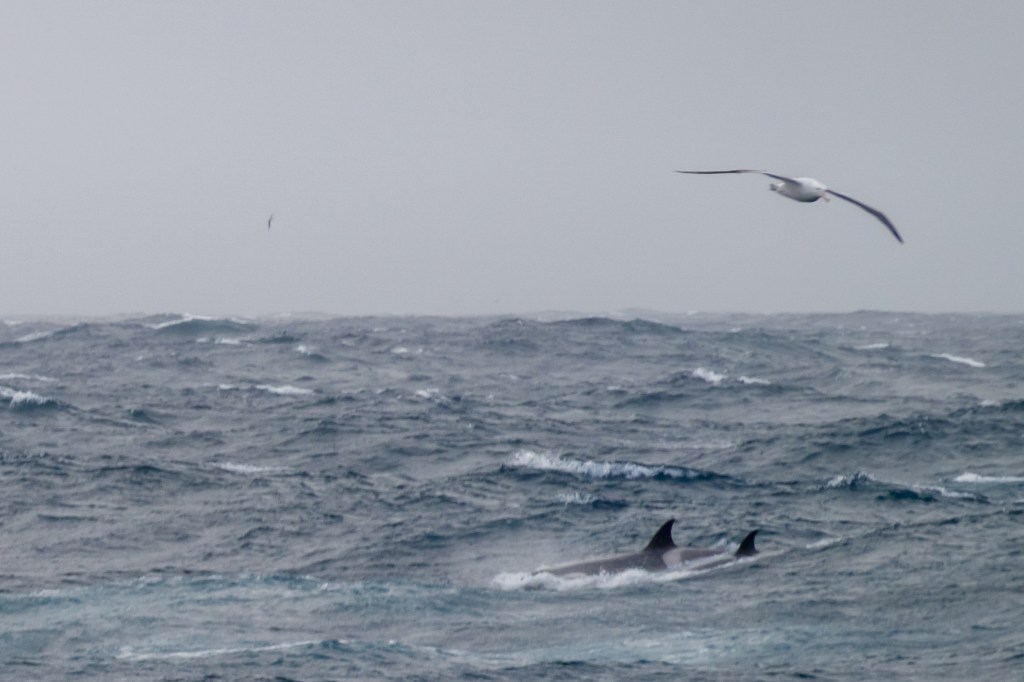
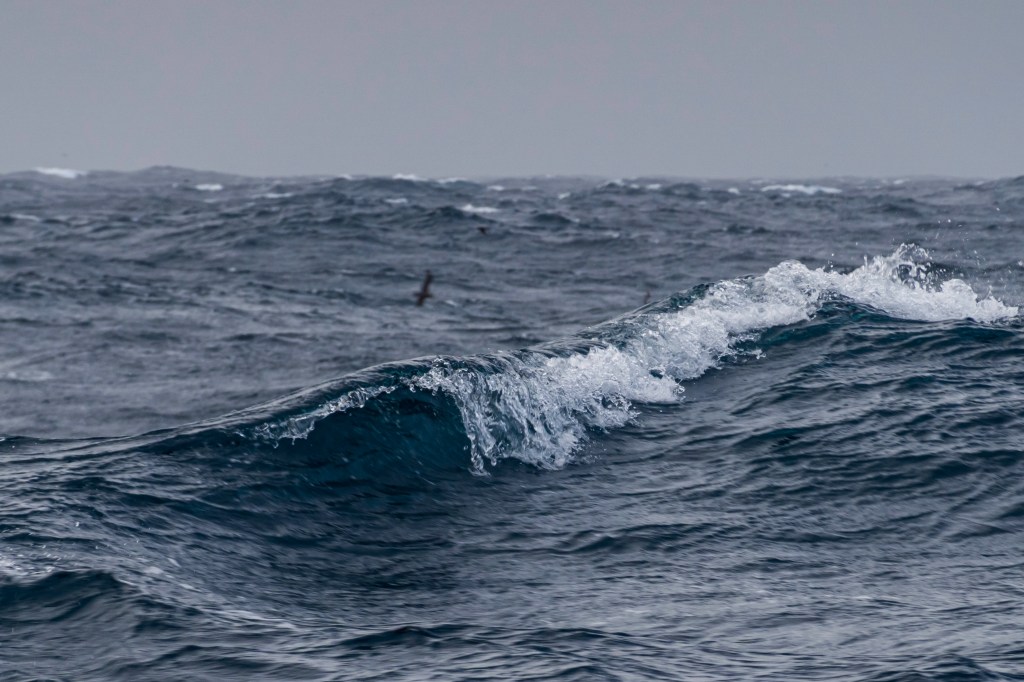
4. Replace the shots for “That melted the wings wax”, “It was spring” and “A farmer was ploughing his field.
5. Read Derek Gregory “Between the book and the lamp”.
6. Write about the books I have been reading to research the course so far.
7. Add reference to other posts to link my work.
Over all my tutor liked my work and his suggestions added to the overall effect of the images and the words.
At first I didn’t agree with changing the image for the farmer ploughs his field. But on looking through my images and reviewing the painting again I realised that this line has to have the third element. So I replaced with a shot with a bird and a whale. The whale being the third element (The Farmer).
My work clearly states that things don’t have feelings so I am a little unsure what my tutor wants me to add. I will take this up with him on my return.
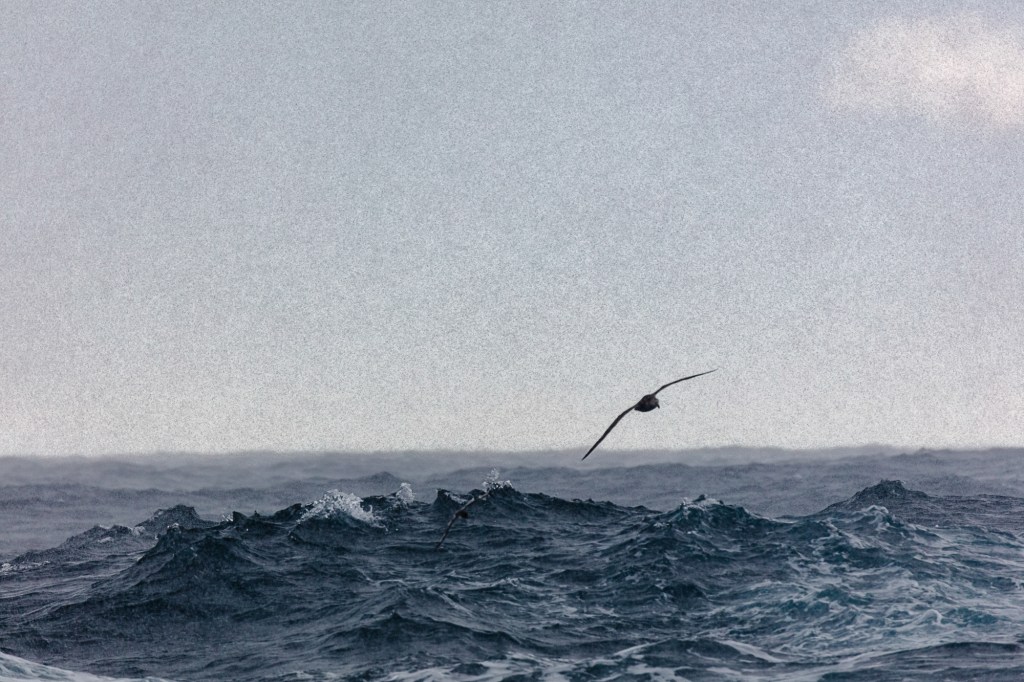
The birds in the shots are all either Petrels or Albatross. The final shot shows Wilson’s Storm Petrels which are the size of swallows and amaze how they survive in such a inhospitable place.
I have downloaded Gregory’s essay and will read and review it shortly.
Likewise I will add general reviews over the coming weeks of the books and such like I have researched to help my work develop. These I will publish shortly.
I added a link to my work so viewers can find background information about the events that inspired this assignment.
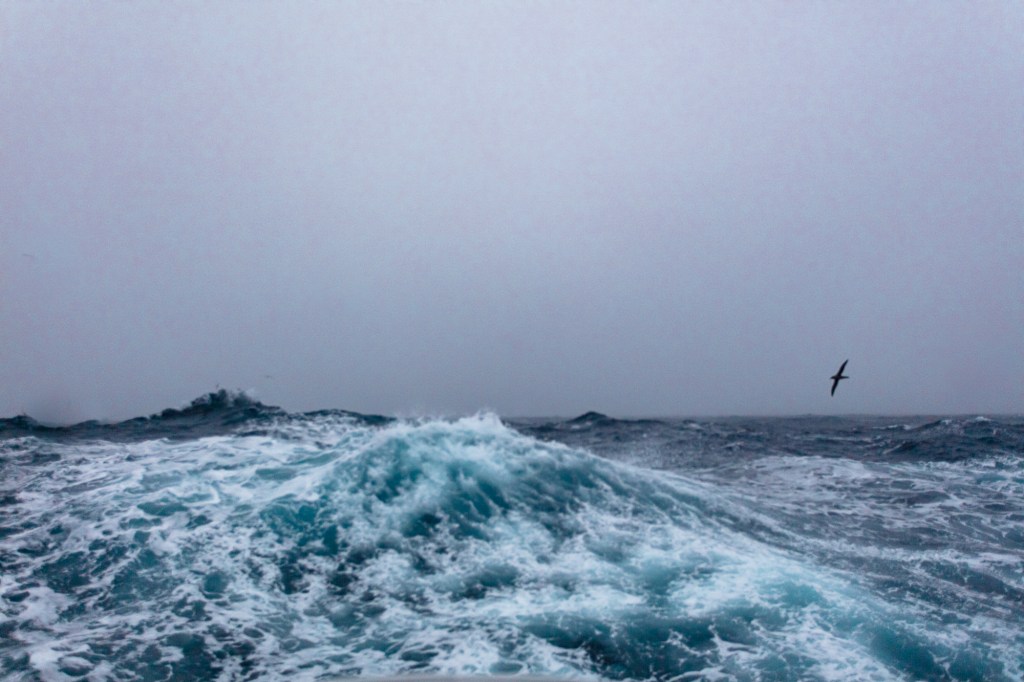
Below are the three pictures I added in response to my tutor feedback.
After completing my research and experiencing the end of our trip witnessing the indifference the place we were inhabiting showed to mankind I want to show the following things.
1. The many states of the sea.
2. The ease in which nature inhabits this space.
3. The indifference I feel this space shows to mankind.
This space becomes a place when someone or something passes through and briefly becomes part of its existence. Humans have technology that they rely on, This technology soon becomes useless when we over rely on it.
Helen Keller said “Science may have found a cure for most evils; but it has found no remedy for the worst of them all — the apathy of human beings.” (1903) We have GPS, EPIRB, Immersion suits not to mention ships and aircraft however when the elements want to take us they will.
When a wilderness takes us we use terms such as “Evil” or “Violent”. After my experience I think the best way to describe the conditions we encountered is indifference, it has no emotion it just is.
It seems strange now that I had been researching Peter Breugel the Elders painting “Landscape with the fall of Icarus”. (Breugel) A painting depicting the way humans show indifference to the suffering of others and how no matter what technologies we employ (Wings) we cannot master the elements we encounter.
The paintings I have researched show the sea in its different states and use it to embroider the story they are depicting.
Picasso described his art thus “The artist is a receptacle for emotions that come from all over the place: from the sky, from the earth, from a scrap of paper, from a passing shape, from a spider’s web” (1928).
I want to to show some of the emotions I experienced during the harrowing hours searching the sea for the 38 lost souls. Lost in a plane crash a few miles from the ship I was on. See my research here https://wordpress.com/post/michaelgreenlevel2landscapeblog.photo.blog/560 The inhabitants of this space were indifferent to the suffering of the poor people.
My twelve seascapes all show flight and mastery of the elements we humans with all our equipment, skills and endeavours can never hope to emulate.
This space is one of the largest on the planet it is the Drake Passage part of Southern Ocean below the tip of South America called Cape Horn. Named not because it looks like a animals horn, but after the town in Holland that the explorer William Schouten came from Hoorn in 1616 (Schouten).
This massive space becomes a place when the planets animals including us inhabit it even the most fleeting moment. The position we inhabited on the fateful night of the 10th of December 2019 became the resting place for 38 souls when their C130 transport plane crashed on its way to King Edward Island, Antarctica. This work is a tribute to these lost people.
Bruegels painting shows the indifference of man to the suffering of others. I was amazed by the indifference the worlds media showed to this disaster. I could only find two small articles about the crash one on the BBC news website and one On the Chilean government site. Again showing the indifference of the suffering of others.
Words taken from William Carlos Williams Poem “Landscape with the fall of Icarus” (1962).
According to Breugel when Icarus fellIt was springA farmer was ploughing his fieldThe whole pagentaryOf the year was tingling nearThe edge of the sea concerned with itselfSweating in the sunThat melted the wings waxinsignificantly off the coast there wasA splash quite unnoticedthis was Icarus Drowning!
Work Cited
Keller, Helen. The story of my life. Tuscumbia Alabama: Ladies Home Journal, 1903
Elder, Peter Breugel The. Landscape with the fall of Icarus. Royal Museum of Fine Arts, Brussels.
Picasso, Pablo. “Quotation.” MoMA. Madrid, January 12, 1928.
“Cape Horn.” Cape Hoorn William Schouten. Amsterdam: Globe Press, 1618.
Williams, William Carlos. Landscape with the fall of Icarus. Performed by William Carlos Williams. Pictures from Breugel and other poems, New York. 1962.
 Michael Green Landscape Studies