Assignment 5 Rework.

Whilst discussing my work for assignment 5 it was pleasing to hear my tutor liked the work and was great when we explored the work and found areas for improvement. After our video meeting I set to work completing the following work to fine tune the assignment.

First I corrected the spelling of Evaluation in the title this had been auto corrected to evolution and I had missed it when proofreading. This is my first learning to be more attentive to detail when checking my work so errors are eradicated.

I also added a short piece of writing about what I felt photography added to my work compared to painting.

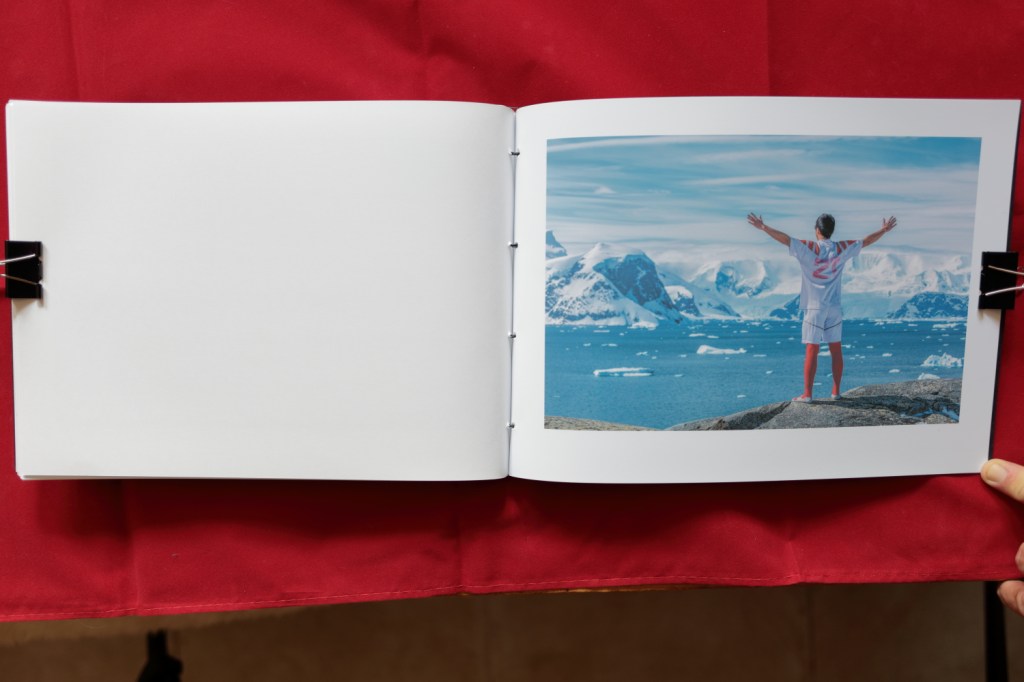
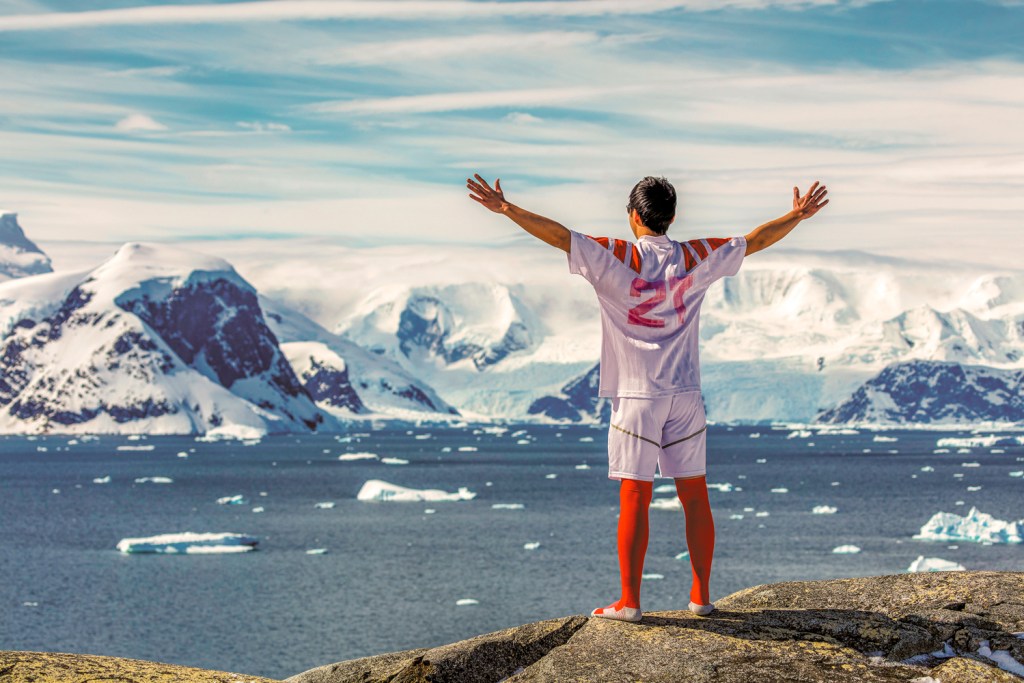
My tutor asked me to look at the series and ensure all the photographs fit within it. After some time looking at the book I felt the photo of the man in football kit didn’t fit. It wasn’t spontaneous, the subject must have planned to take off his outer garments and be in his football strip. Therefore I removed this from the book.

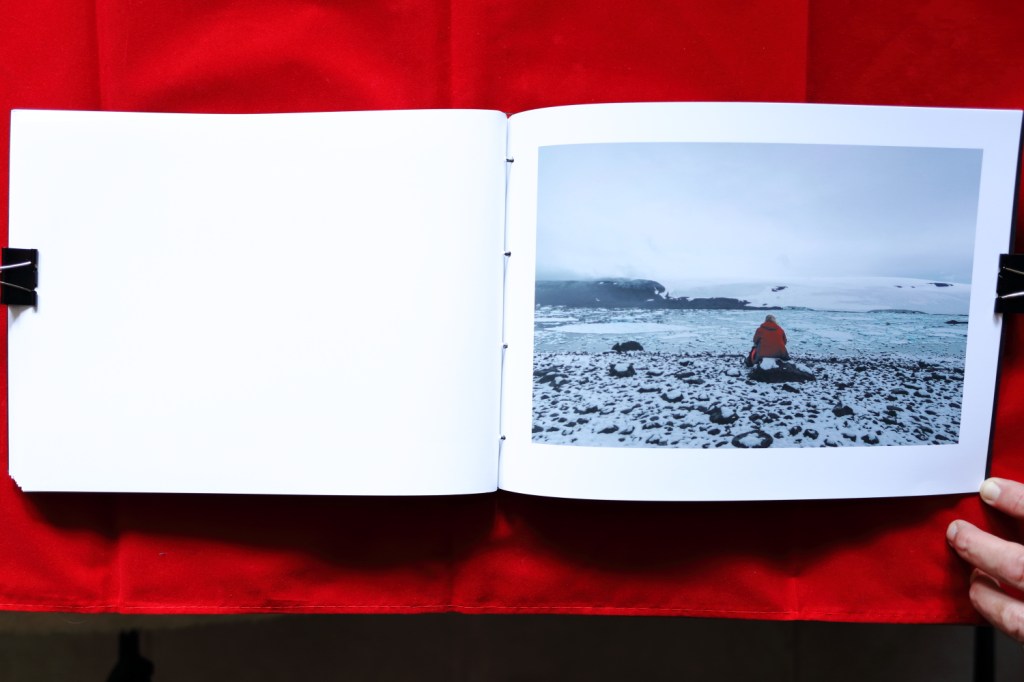
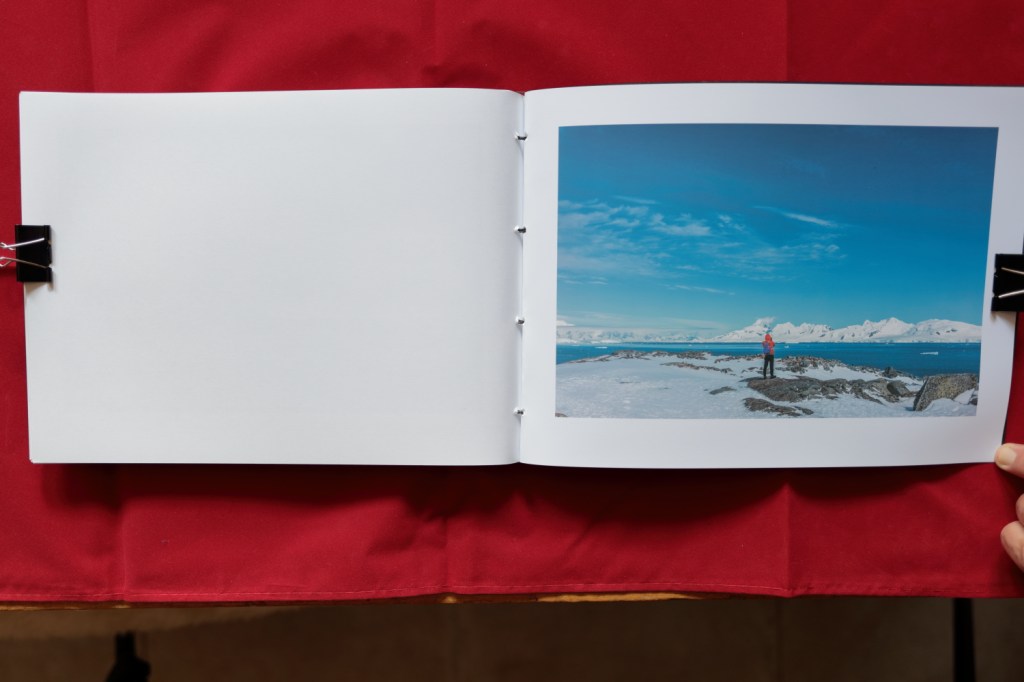
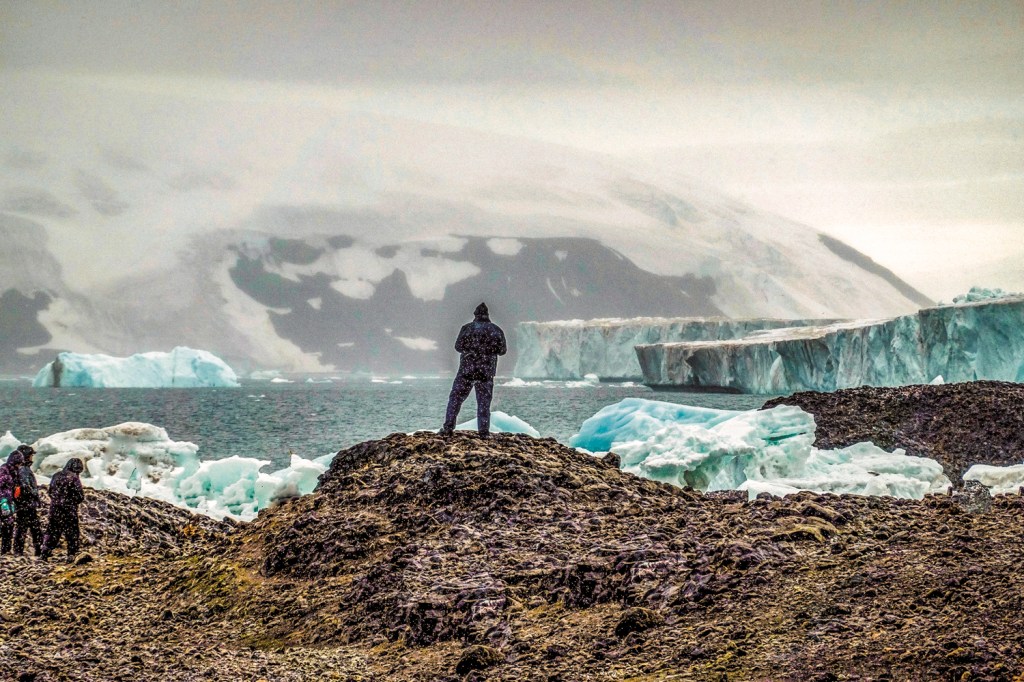
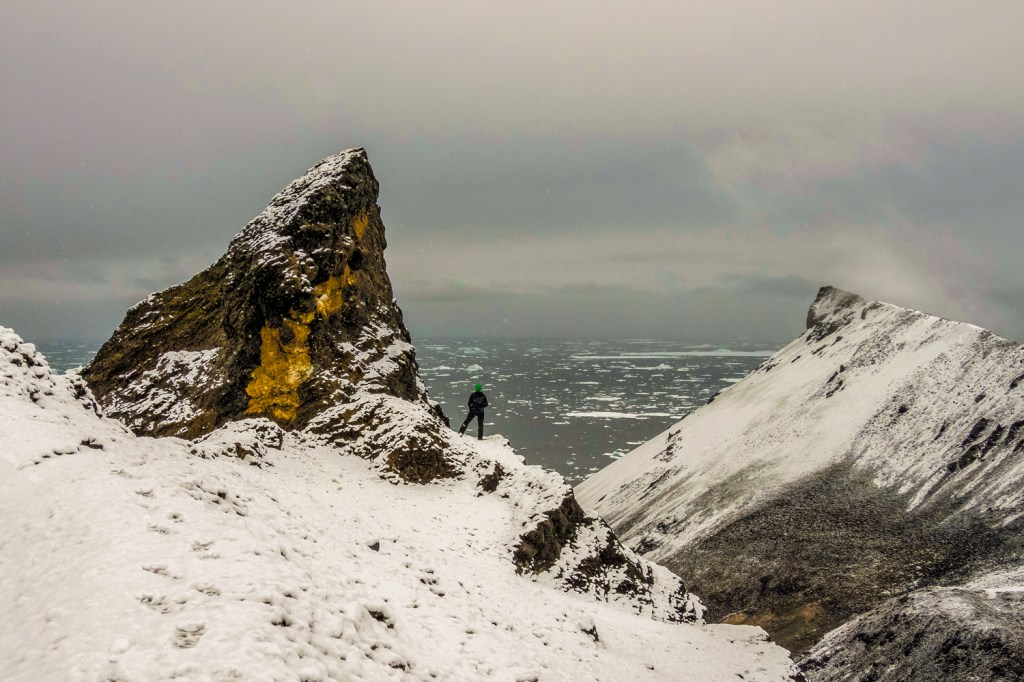
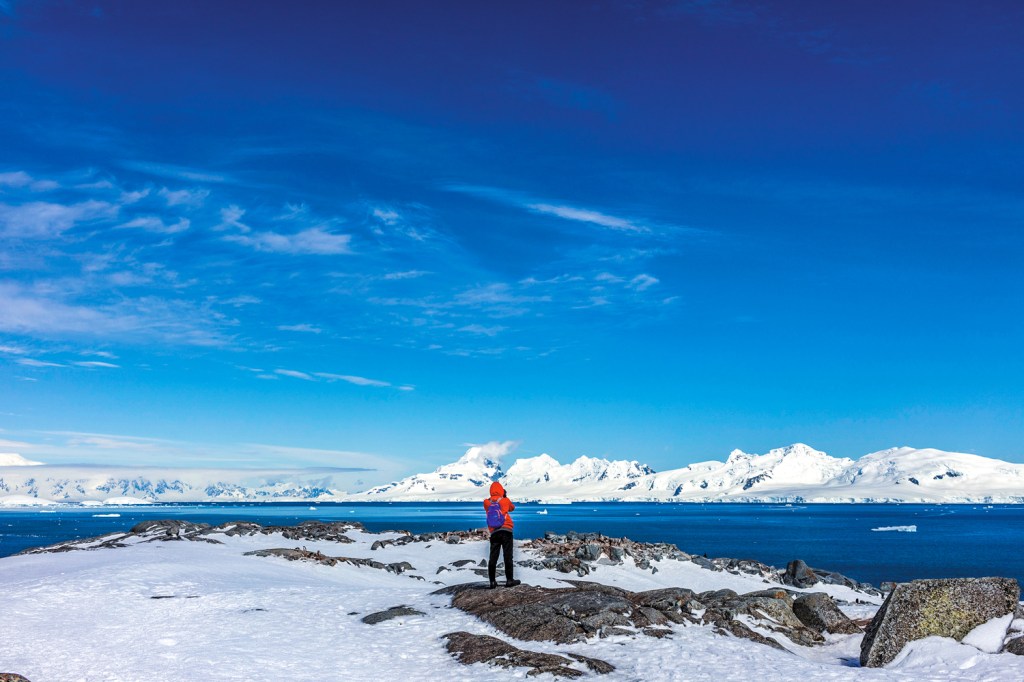
I also reprinted the image of the man stood on the large rock. My tutor was correct I had burned the subject to show texture in his clothing, it detracted from the shot. So I included the original exposure in the re-stitched book. I feel it fits better within the series my tutor was right.

Making a video showing the work in the finished book was a new challenge. I made it from the point of view of my eyes looking at the book as the pages are turned showing each page being turned. This was a hard process, getting the angle of the book so it was parallel to the lens was vital. If this wasn’t achieved the perspective was off and detracted from the video I wanted to show the viewer. Using a tripod made the whole process easier to set up.

My learning log doesn’t allow video, so I will provide a link to it on my dropbox so anyone can see it. I will also include the video for assessment at the relevant time.

https://www.dropbox.com/s/r8bn30a9ym8f2vf/1080p.mov?dl=0

Looking at the Artist Statement I agreed that it could be more critical and added more work to the statement. I explained the urgency I had had to work. Not having the time to ponder before the critical moment passed. This was one of the hardest parts of producing this work. The moment lasted a few seconds and I had to be ready.

In the explanation of the process of Japanese Stab Binding I had included the photographs from Portsmouth University (Batey, 2014) I removed these photos and referred to them instead. Providing a link to the work so any reader can see the process I used. Experimenting with a gallery of me re-stitching the book proved difficult, my attempt is not as clear as the photos from Portsmouth University`s site.
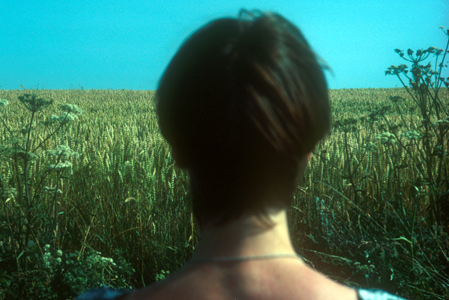
Untitled Landscapes Trangmar 1985
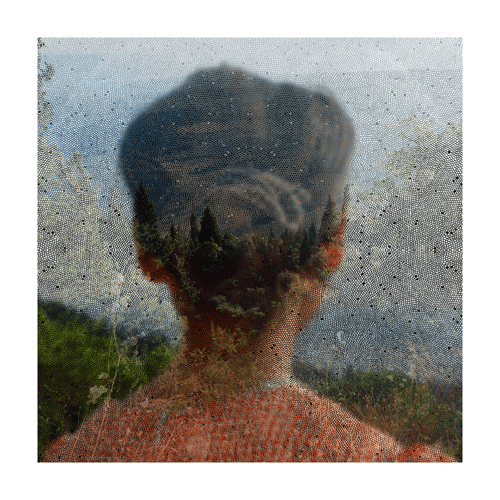
Inside the view Sear 2014.

My tutor pointed me to the work of two artists first, Susan Trangmar and her work “Untitled Landscapes” (suetrangmar.com, 1985) shows women looking into the landscape. Each image invites us to look past the back of the viewer into the landscape. The subject is placed so the blind spot is emphasised. This makes me wonder what I am not seeing I start to make stories based on what I am shown and what I cant see. Intriguing and puzzling at the same time. I was unsure if the different scale of the subject worked within the series.

I looked at Helen Sears work focusing on “inside the view” (HelenSear.com, 2014). This work also shows people looking into a landscape., Sears shows two images combined into one, then she adds a third element a layer of fabric. Adding this fabric layer creates a different mood or feeling to each image. I have looked at these images in different mood and they make me feel different reflecting my mood.
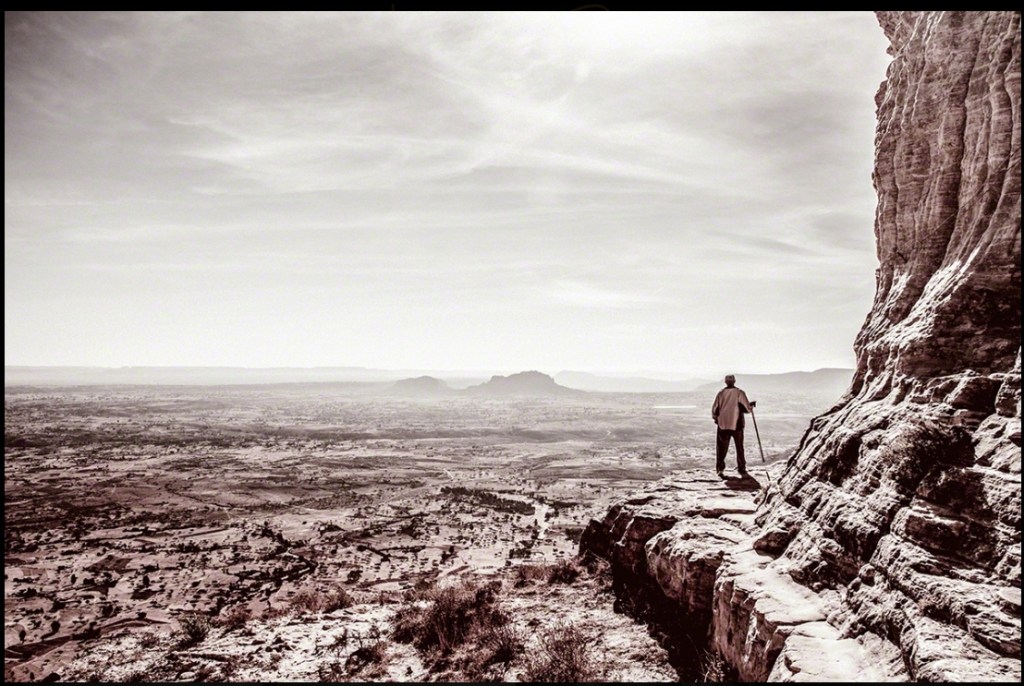
Horizon Lennon 2012
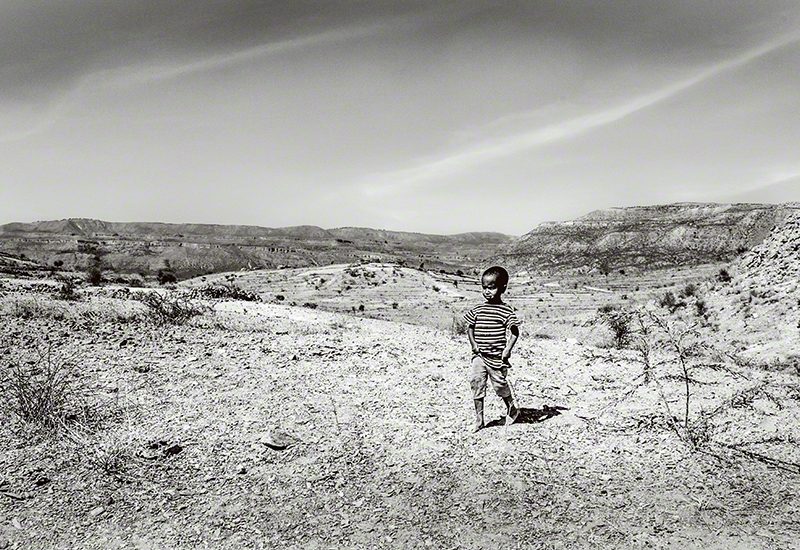
Boundless Lennon 2012

Whilst looking at the work of these two artists I found work by Julian Lennon (Lennon, 2014). He showed many techniques in his work but two shots showed similar emphasis on the big landscape with people looking into it (Horizon, 2014) (Follow, 2014). A third though has the subject looking out of frame into the camera. (Boundless, 2014).  This was challenging to look at, I cannot decide whether I have become accustomed to seeing people looking into the frame. This image seems to bounce my gaze back out of the frame.

This assignment stretched my learning in many ways. I learnt new skills, looked at varied ways of approaching the same technique and considered my work in new ways. It was completely satisfying and most importantly enjoyable.

Work Cited

Batey, Jackie. “Portsmouth Universit Japanese Stab Binding.” Portsmouth Illustration Bookbinding Illustration, July 12, 2014. https://bookbindingtutorials.wordpress.com/2014/12/07/japanese-stab-binding-4-hole/.

Lennon, John. “Julian Lennon Photography,” 2014. https://www.julianlennon-photography.com/.

Lennon, Julian. Horizon. 2014. Silver Gelatin, 83x127cnm. https://www.julianlennon-photography.com/.

Lennon, Julian. Boundless. 2014. Silver Gelatin, 80x127cm. https://www.julianlennon-photography.com/Jula.

Sear, Helen. “Helen Sear.” Helen Sear, 2014. https://www.helensear.com/.

Trangmar, Susan. “Untitled Landscapes.” Susan Trangmar Art, 1985. http://susantrangmar.com/.
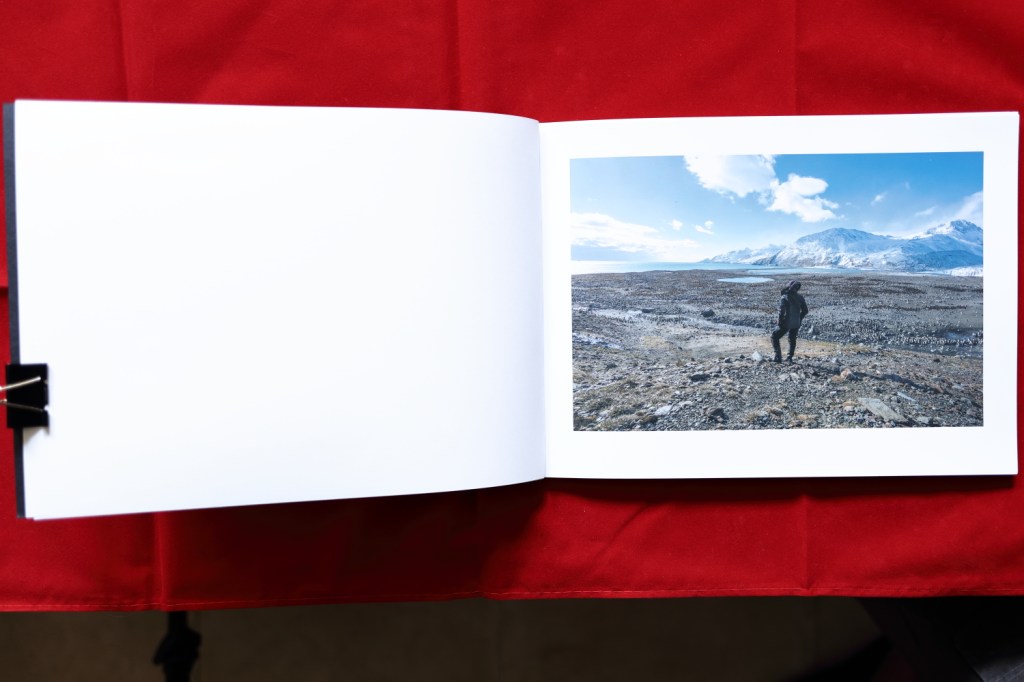
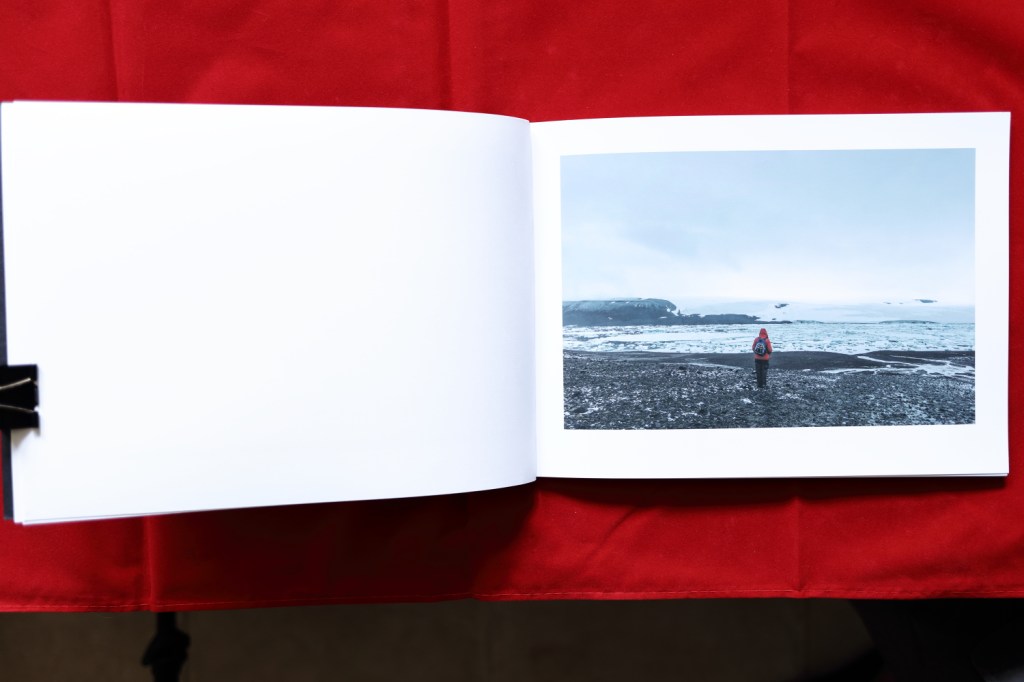
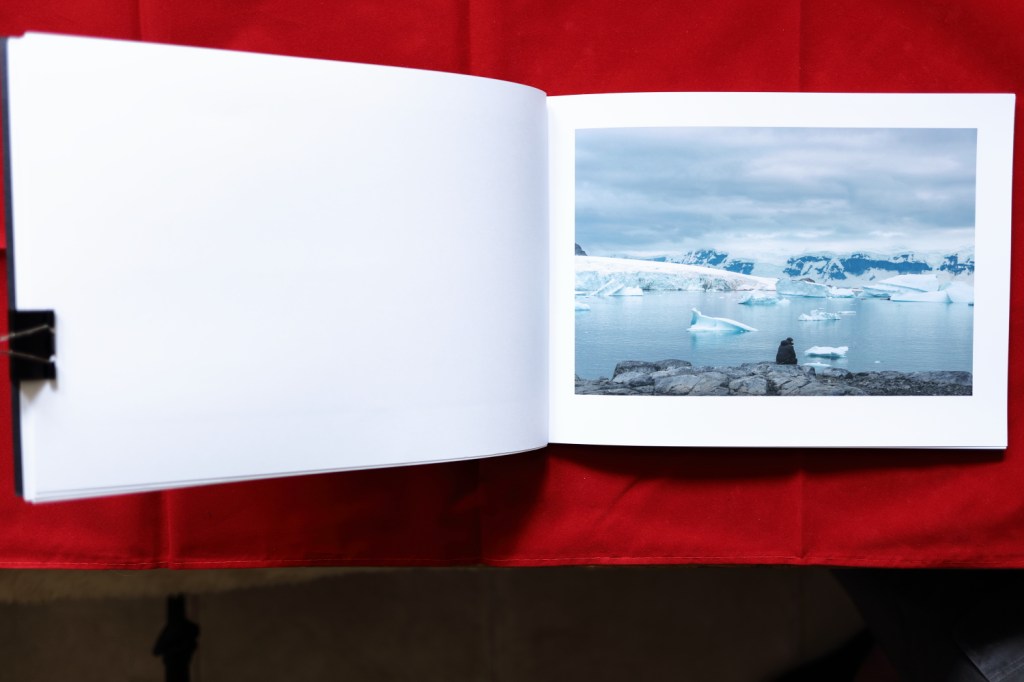
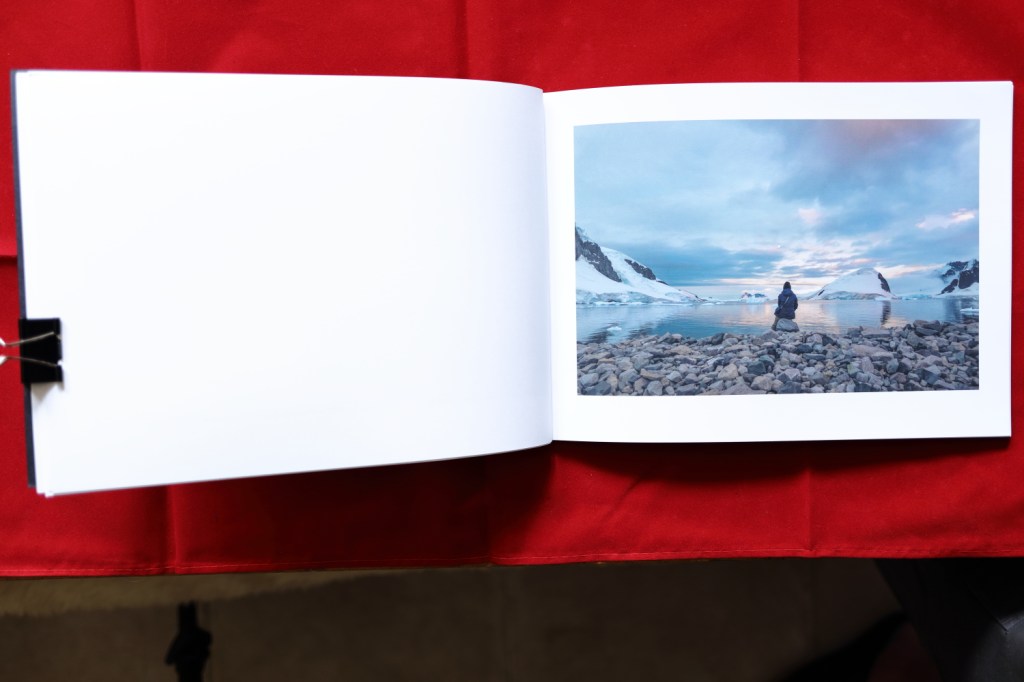
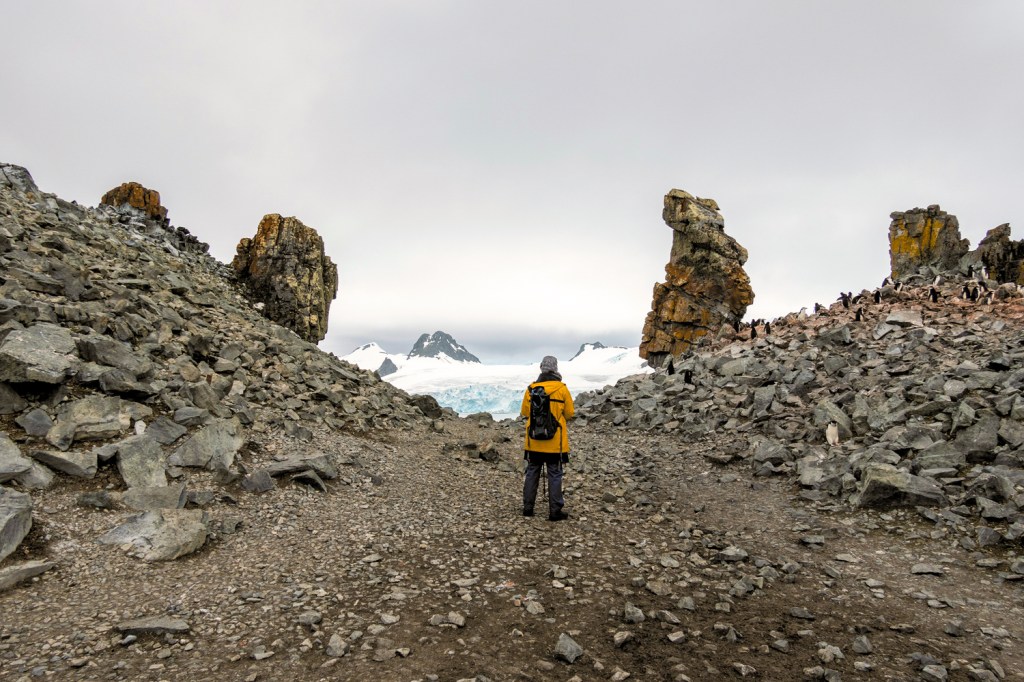
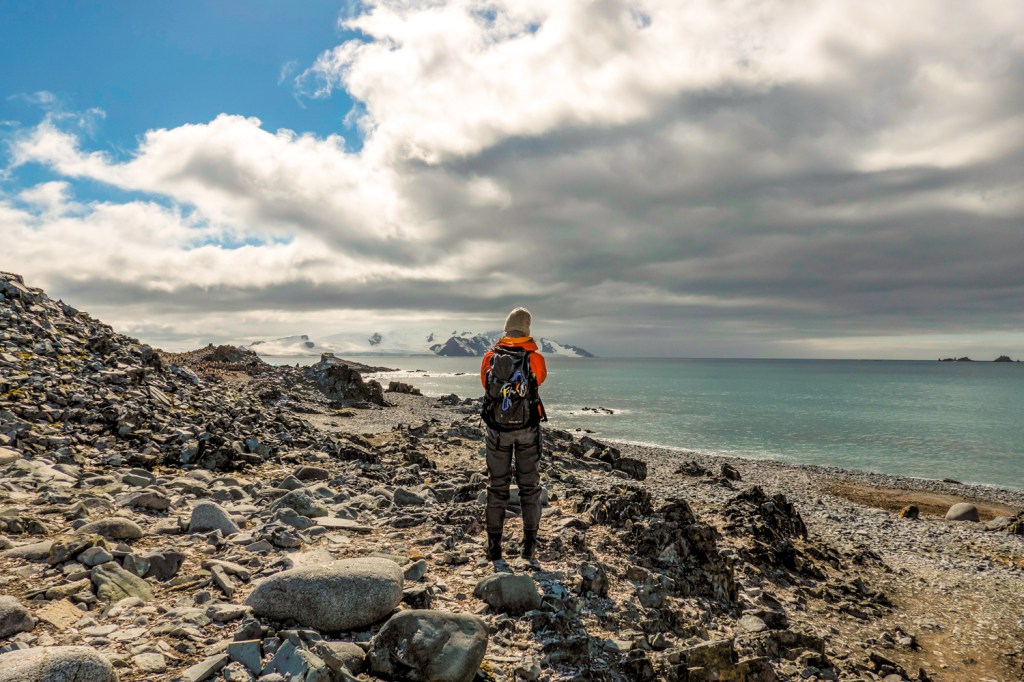
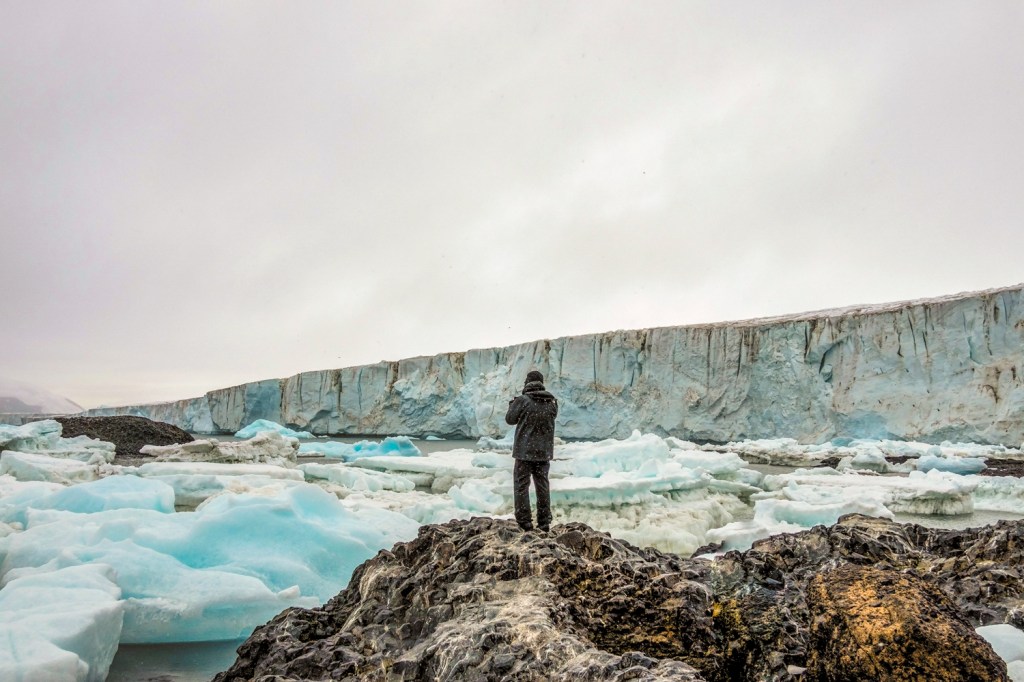
Assignment 5 The Photos

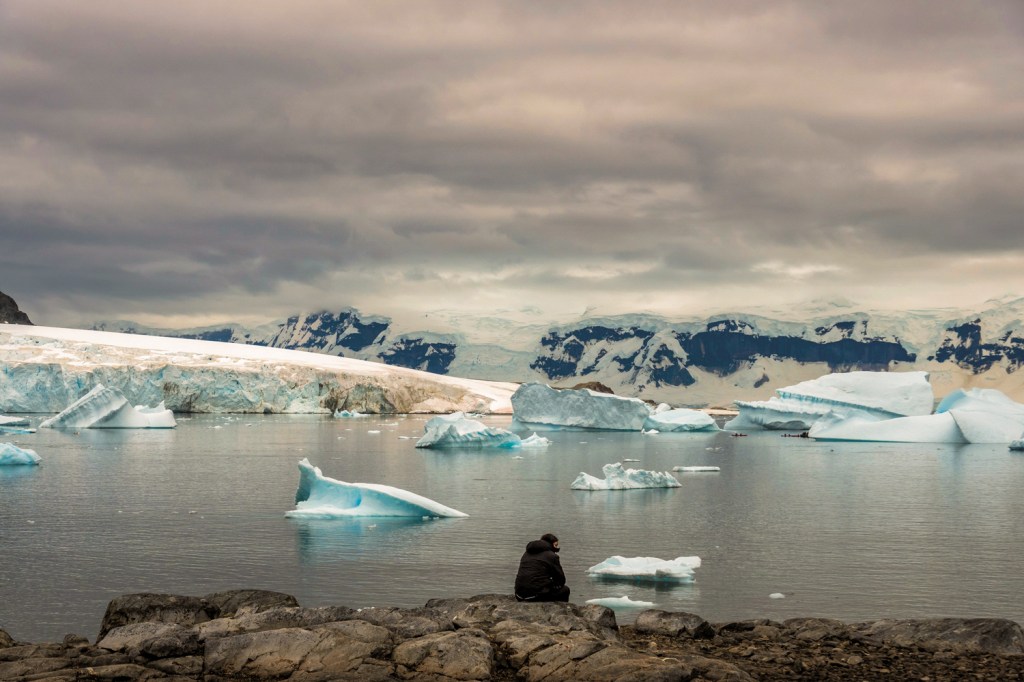
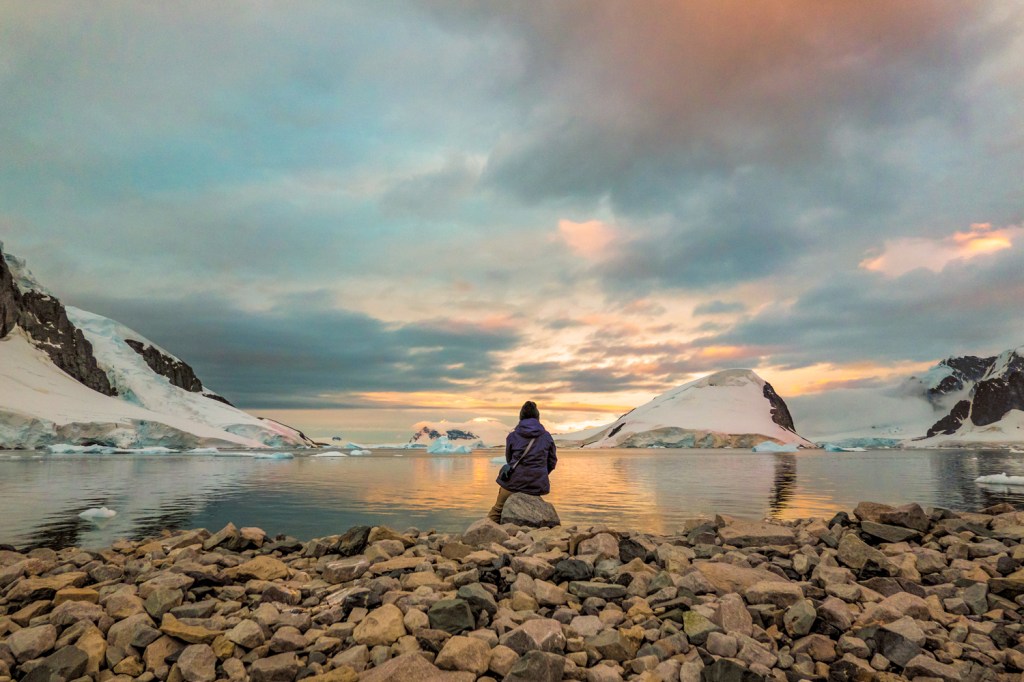
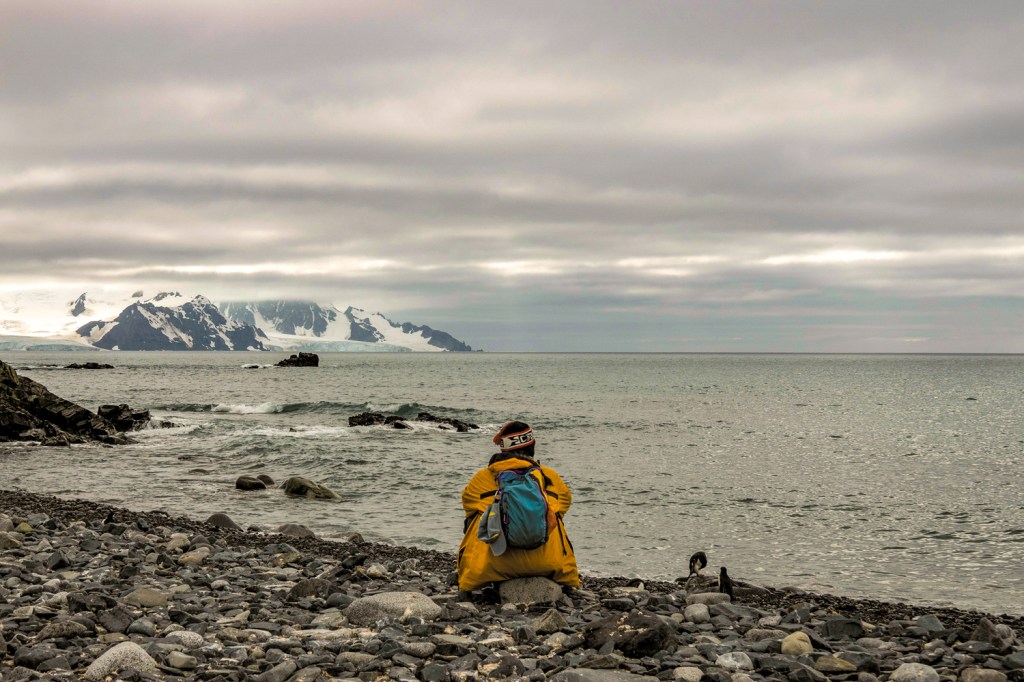
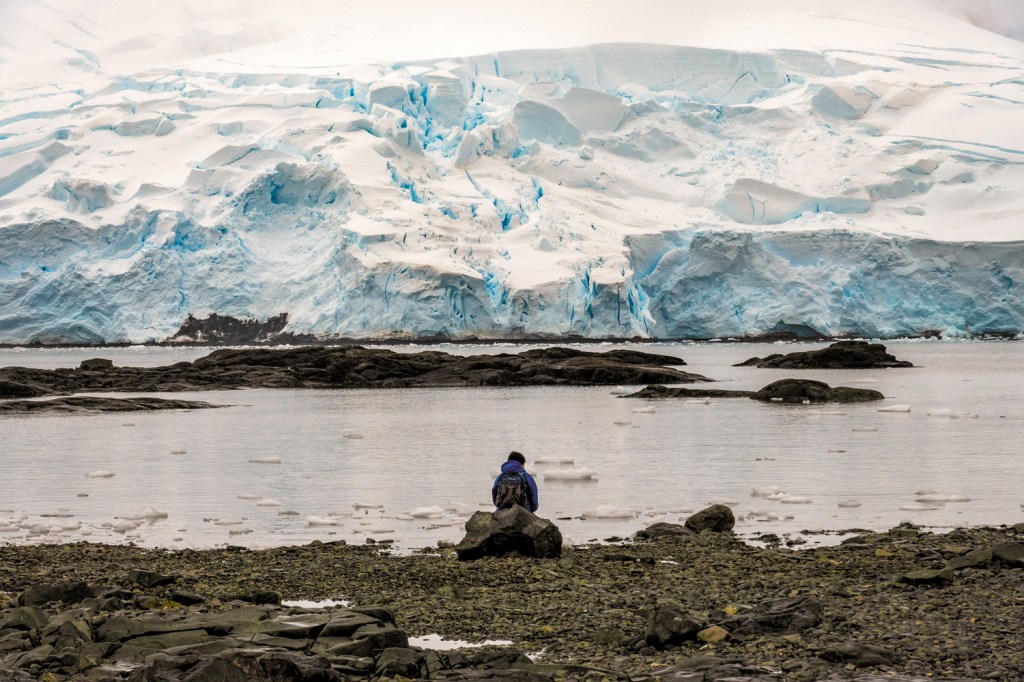
Work inspired by the work of Caspar David Friedrich.

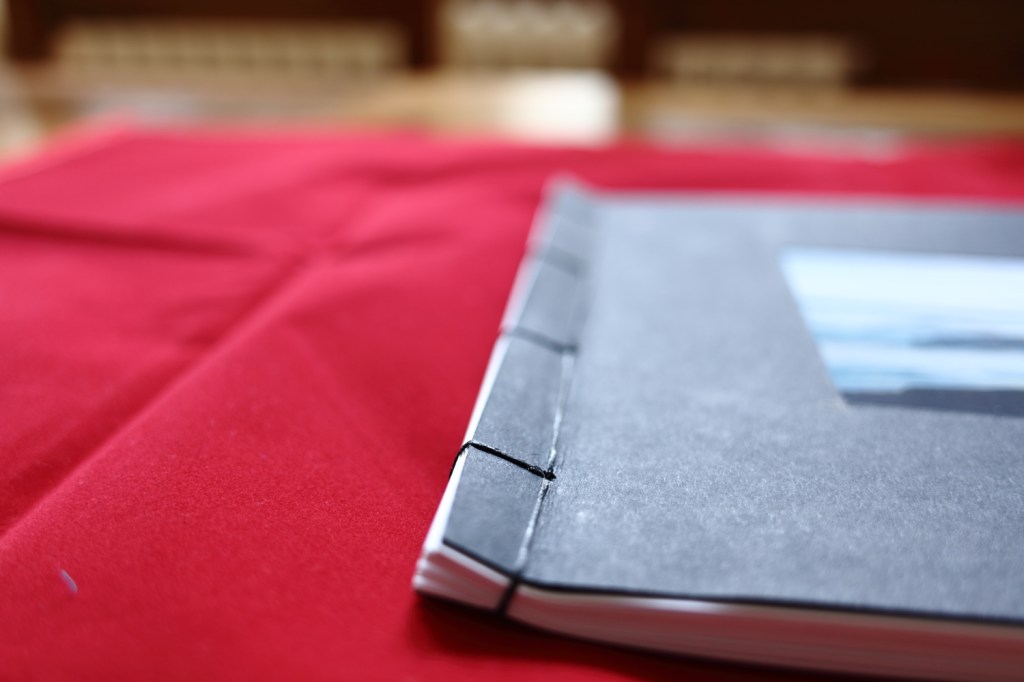
All the time I was away I planned on showing my work in a large book printed by Blurb. My tutor challenged me to learn Japanese Stab Binding and make my own book so taking control of the whole process from beginning to end.

I planned to send the finished book to my tutor but CoVid19 put a stop to this. As I returned from Antarctica the whole world was closing down. Buenos Aires and Sao Paulo were like scenes from a war film with coffee shops closing and people leaving as quickly as possible.

The problem I have of not being able to send my book to my tutor is a small one compared to the problems of others. I am glad I can find a solution to my insignificant problem by creating digital copies of my book.

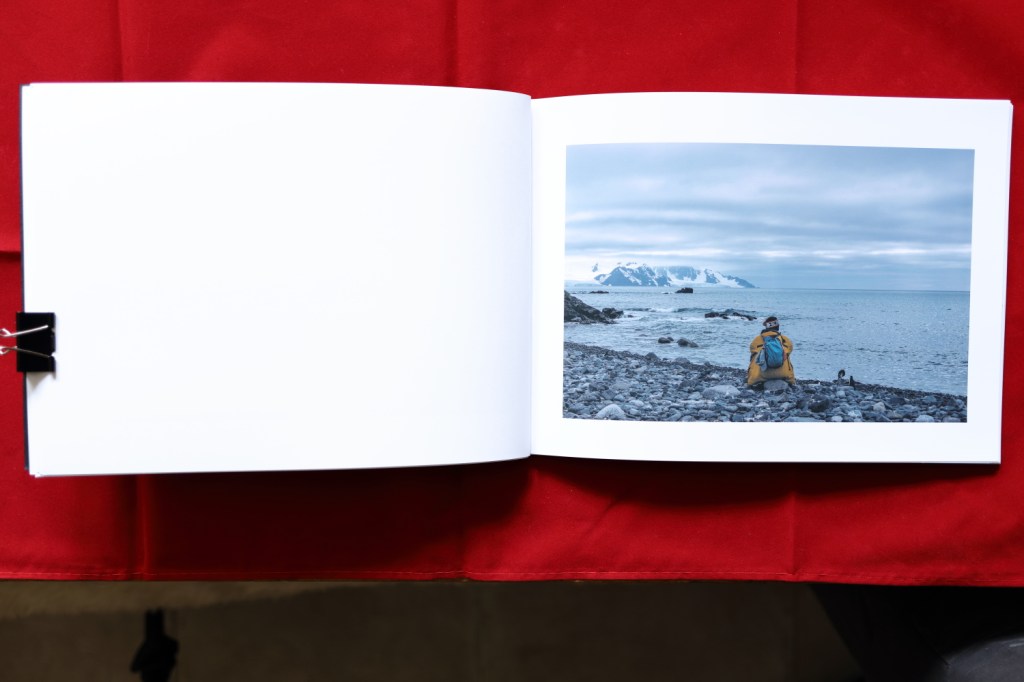
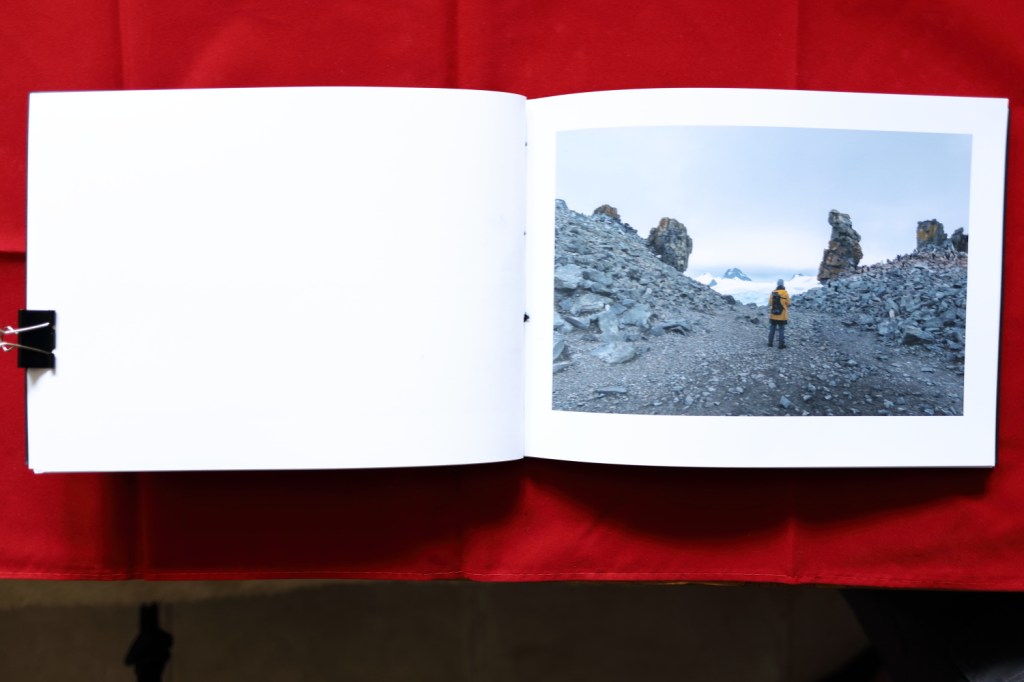
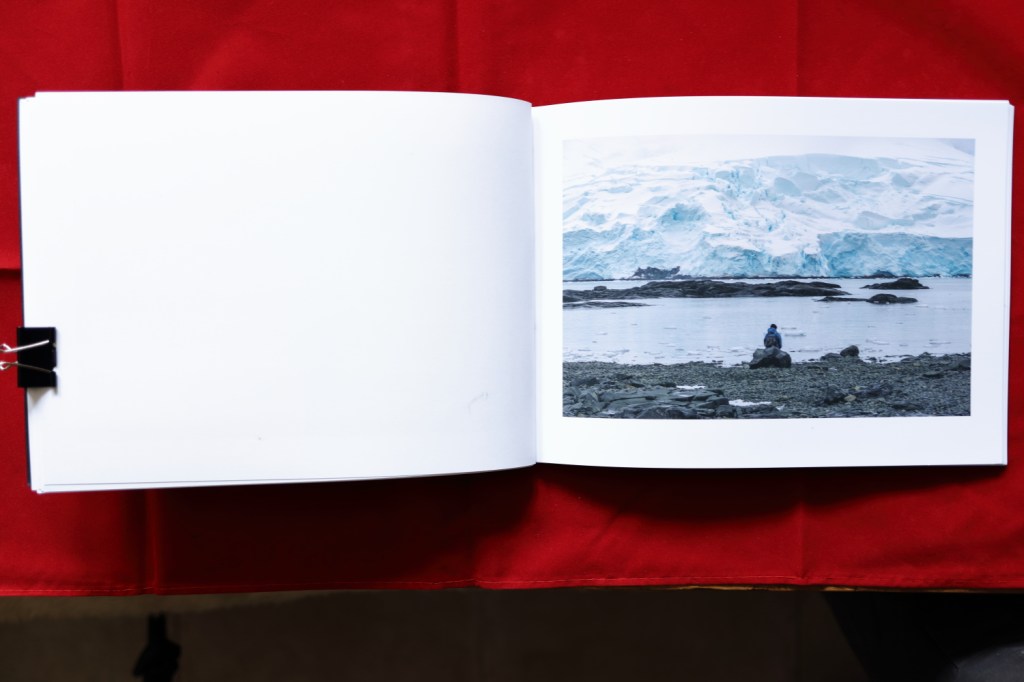
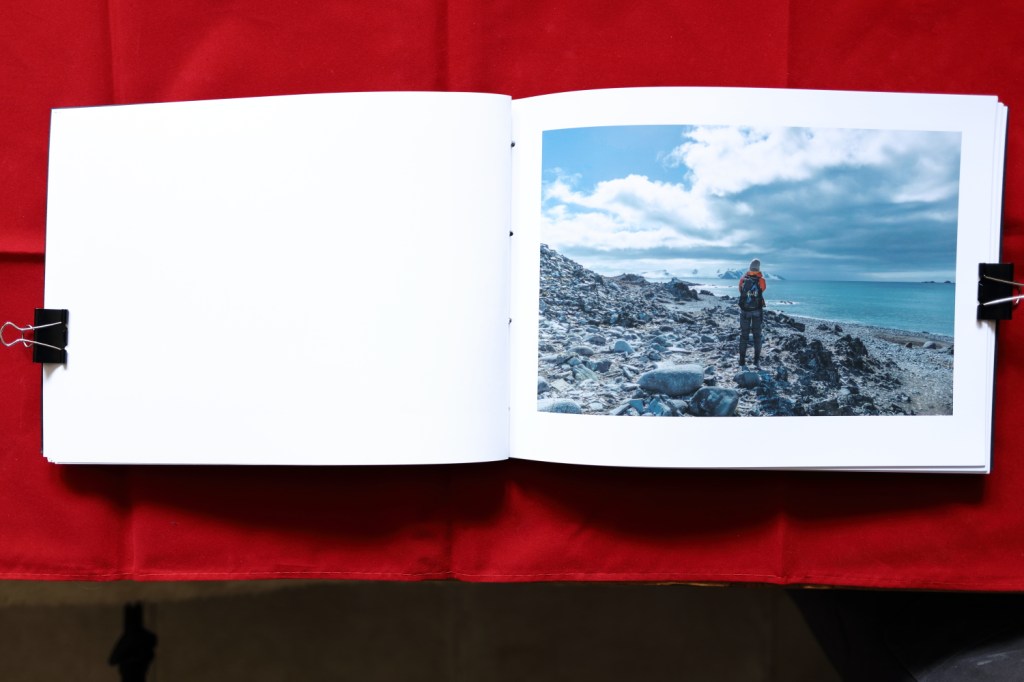
My solution is to photograph the book I and send the images to show the book. I will also include the images as they are on my computer so you can see the images in more detail if you would like to. Finally, I include the contact sheets of the set of images I took with this project in mind.

For the other pages from my learning log here are the links to each page.

Proposal for assignment 5

https://wordpress.com/view/michaelgreenlevel2landscapeblog.photo.blog

Research for assignment 5

michaelgreenlevel2landscapeblog.photo.blog/2020/06/04/research-for-assignment-5-work-influenced-by-caspar-david-friedrich/

Evaluation of my work.

https://michaelgreenlevel2landscapeblog.photo.blog/2020/06/04/assignment-5-evalualtion-of-my-work/

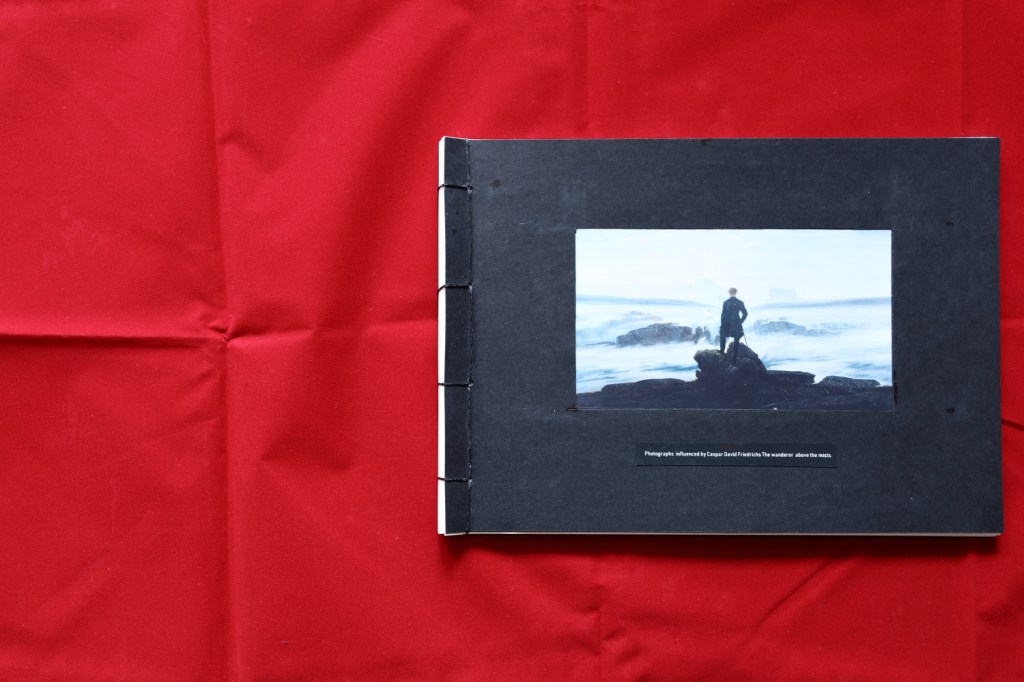
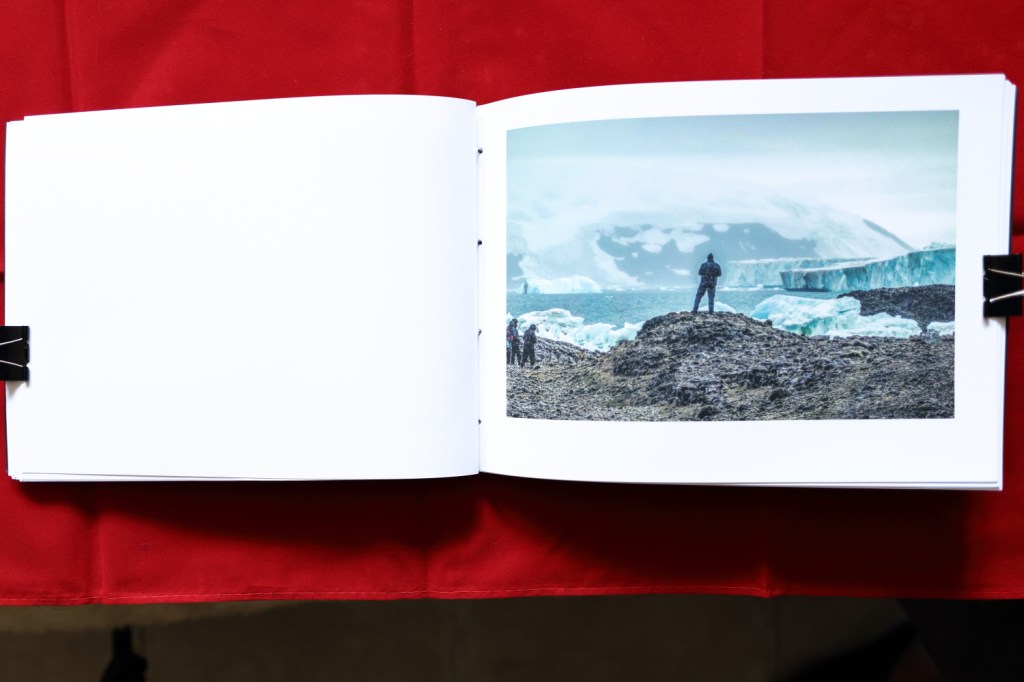
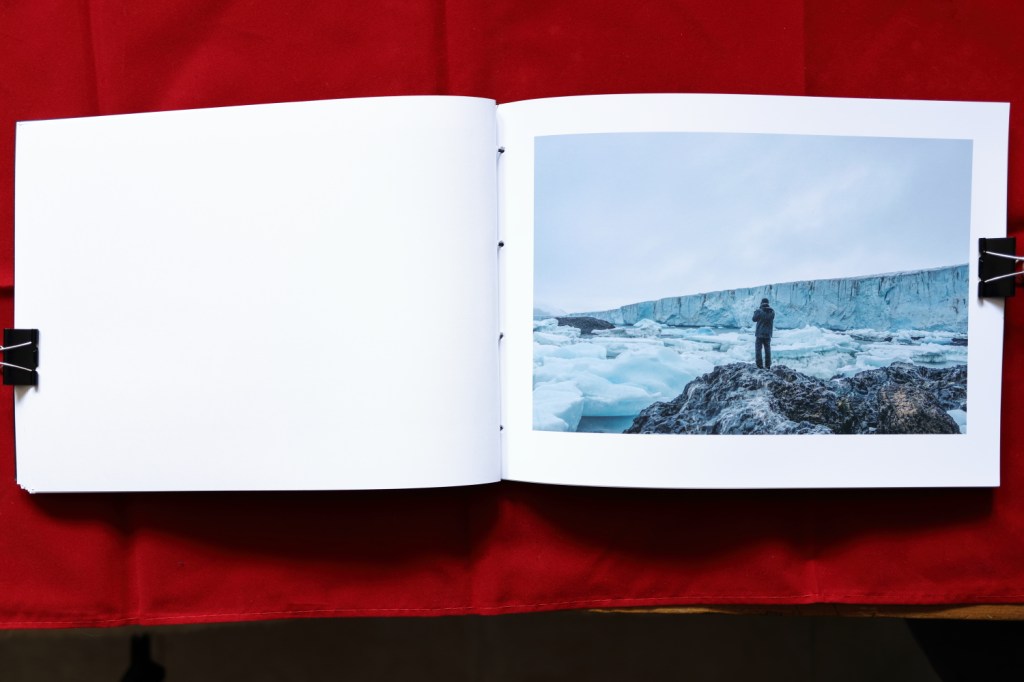
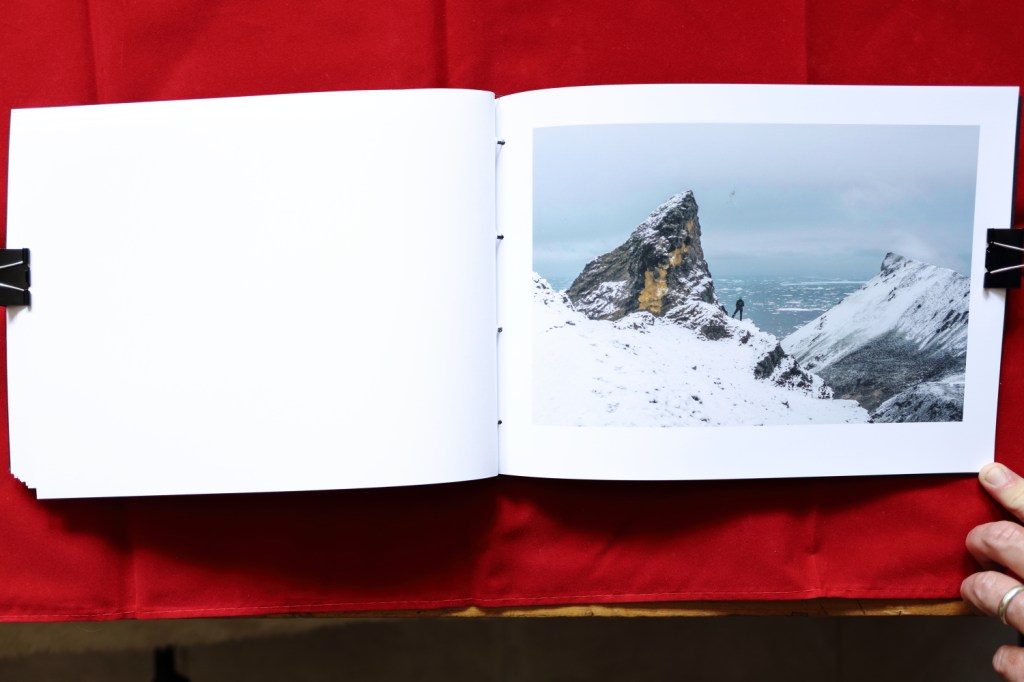
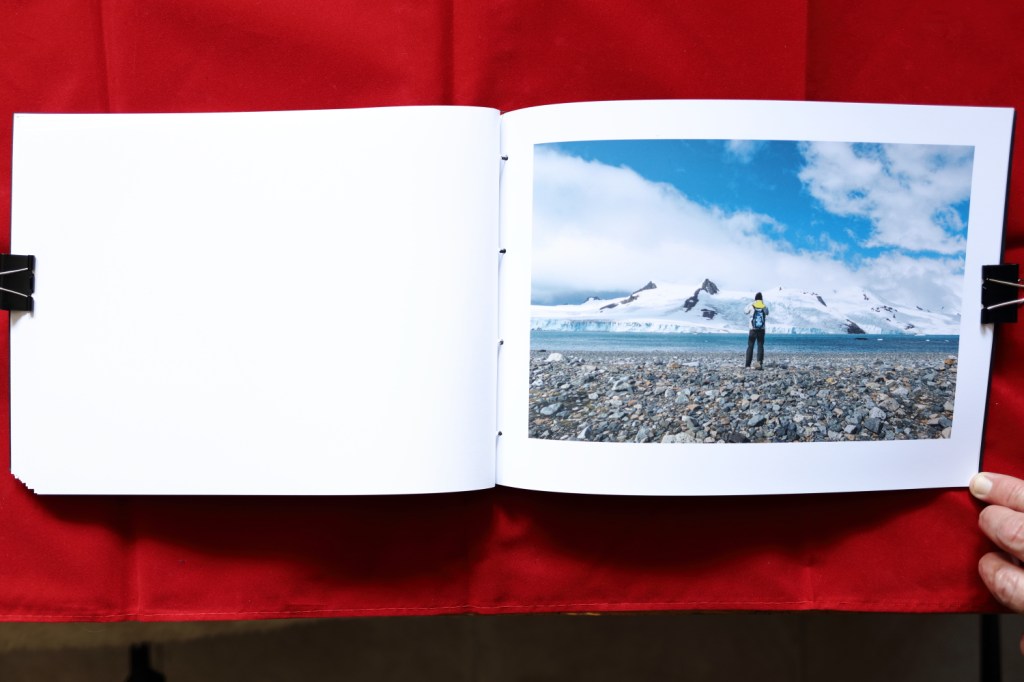
First here are the photos of the bound book I made for this assignment.

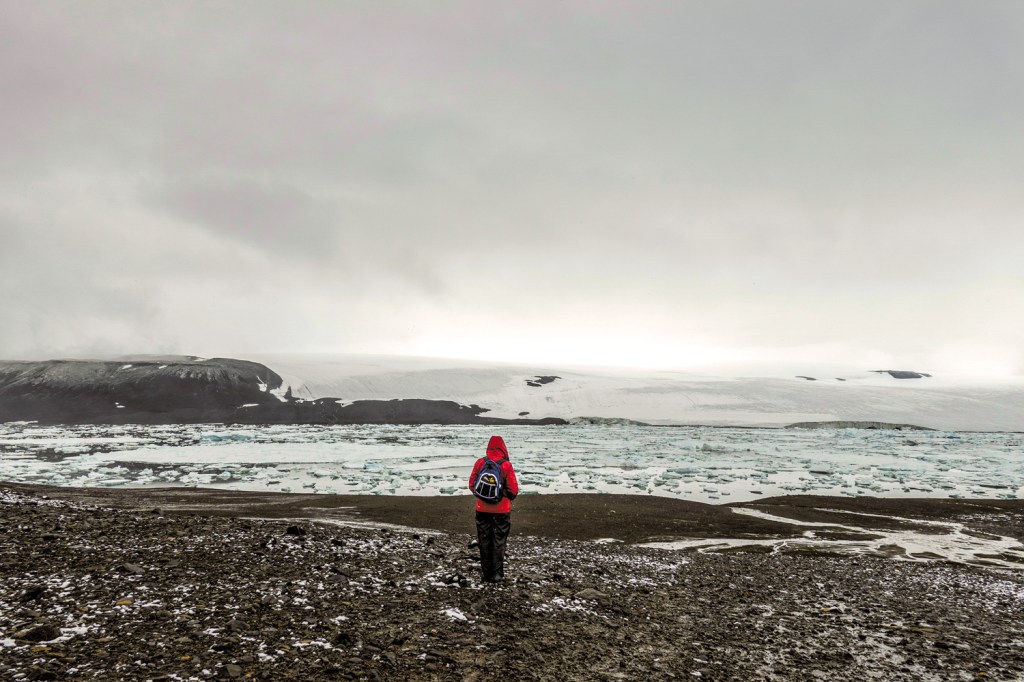
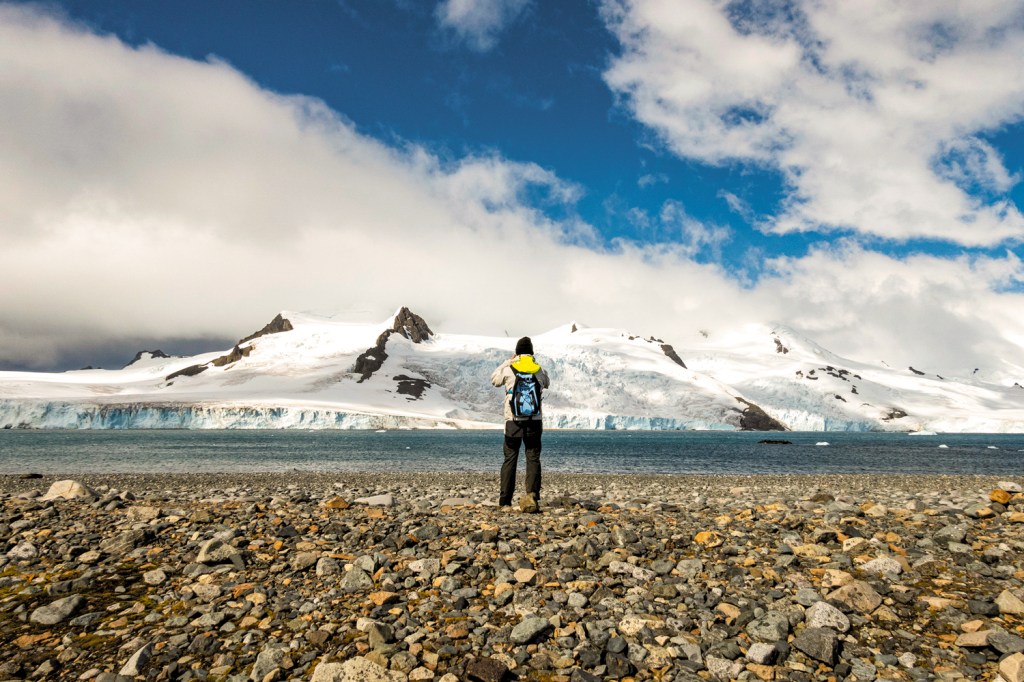
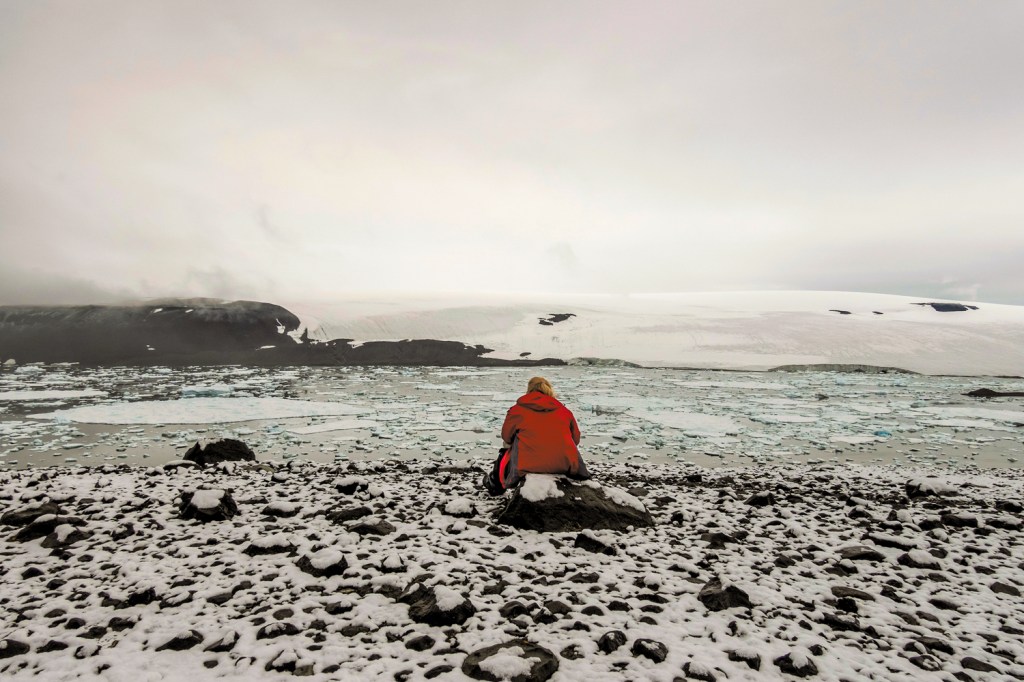
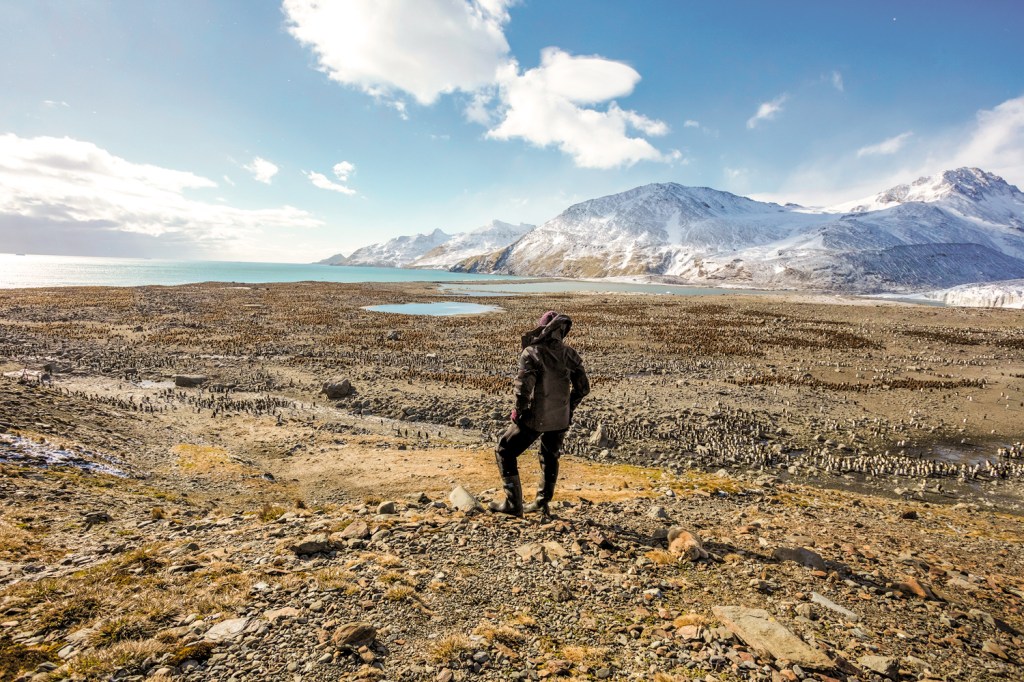
Next are the photos as individual exposures for you to look at the detail.

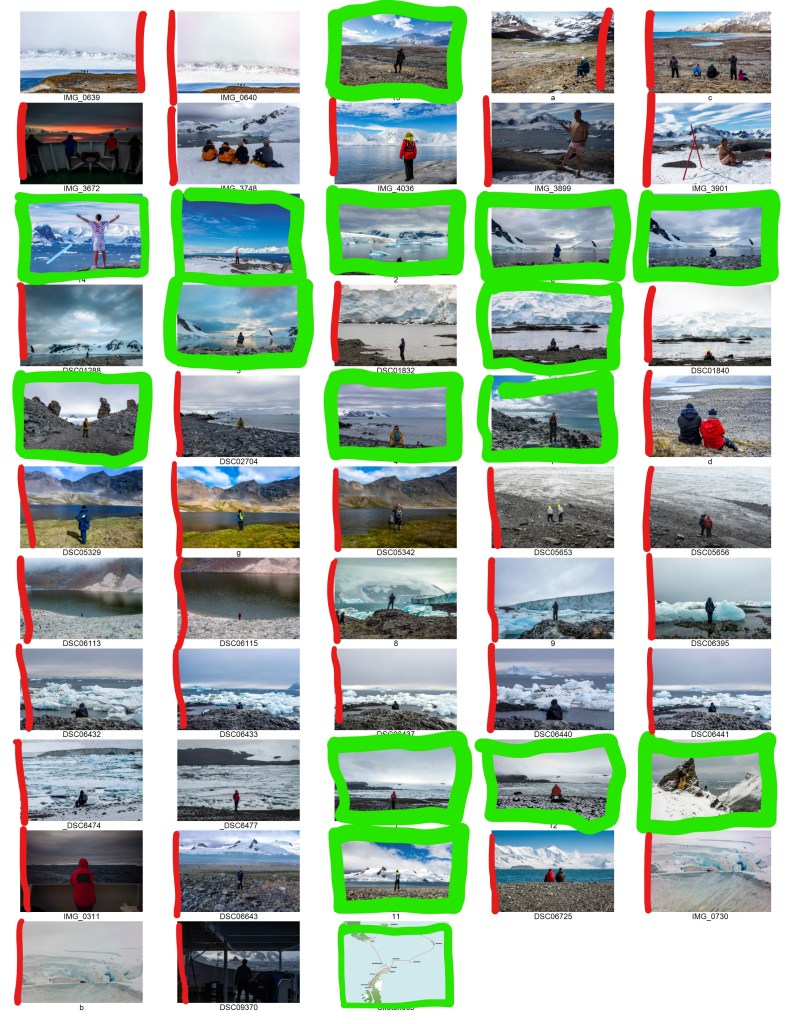
Finally the contact sheet showing all the exposures I took for this project. Green means they are in the book red means they are not.

This image has an empty alt attribute; its file name is inkedassignment-5_li.jpg
Contact sheet showing my chosen and set aside exposures.

Assignment 5 Evaluation of my work.

Michael Green

515037

Landscape, Place and Environment.

Assignment 5

Evaluation of my work.

Response to Caspar David Friedrichs The wanderer above a sea of fog (Friedrich,

Photography is different to painting as the instrument captures what is in front of the lens, editing allows you to bring out the features within the photographs. Painting allows the artist to add features or change perspectives to apply the sublime to a drawing or painting. I tried to capture peoples reaction to a sublime scene in front of them. Friedrich could add people to the scene back in his studio. Creating rather than recording.

I have seen a spiritual reaction to the landscape in Antarctica. Not a religious spirituality but people in a wilderness setting being stopped in their tracks and responding to it by sitting or standing then staring, spending time taking in their feelings.

I have spoken to many of these people after they enjoyed their experience. People from all parts of the globe and of different faiths. They all use words that are related, insignificant, small, overwhelmed, amazed, moved and best of all transcendent. The way they just stop and stare makes me think of Friedrichs painting of the wanderer. One person who had terminal cancer and had only a short time to live said this experience had given their whole life meaning. They could leave this life now fully enlightened.

Friedrich said “All authentic art is conceived at a sacred moment and nourished in a blessed hour, an inner impulse creates it, often without the artist being aware of it”. (Friedrich, 1837). The painting certainly shows a sacred moment captured in time, I have certainly missed many of these moments just has the quote says.

The Theologian Ludwig Gothard Kosegarten who influenced Friedrich said “Nature is Christ’s Bible” (Kosegarten, 1815) again a religious connotation which I tried not to portray in my work.

Anslem Kiefer. Fig 4 Occupations Tate Modern London 1969.

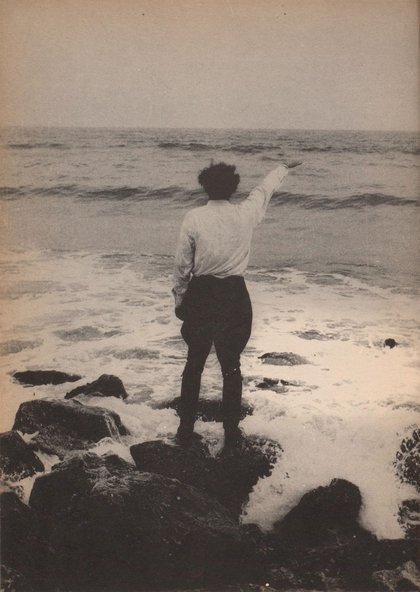
It was easy for the Nazis to hijack Friedrichs work he showed Germanic themes, Aryan people looking at the distant horizon was employed to show Germany looking across difficult times to a brighter horizon. In the 1960s Anselm Kiefer completed “Occupations” (Kiefer, 1969)  a body of work based on the Sieg Heil salute used by the Nazis. He posed at various relevant sites including one at the German coast which echoes “The Wanderer above the fog” (Friedrick, 1818). Keifer who had seen the romantic in the ruined cities after the war countered what the Nazis brought to Germany. I certainly didn’t want to portray these ideals.

My work consists of 15 exposures taken from 60 shots taken. They are influenced by Friedrichs work but not copies of it. I wanted to capture the feeling not the painting. When I proposed this work initially my tutor encouraged me not to produce a photobook but to take control of the whole process. He suggested Japanese Stab Binding.

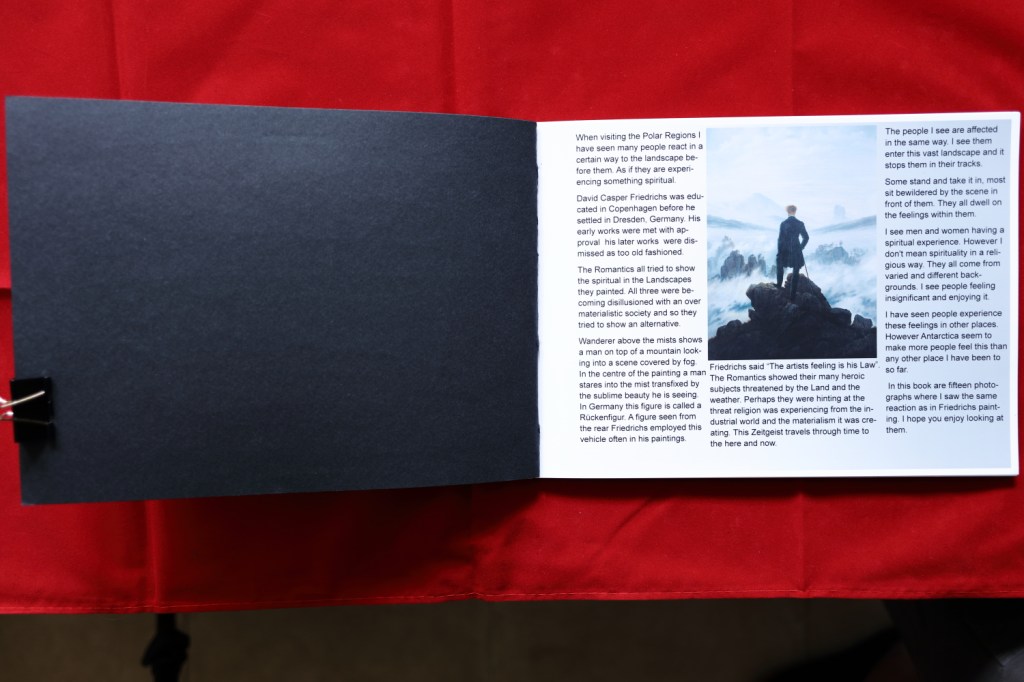
This meant I had to learn a new skill and after practising by making a small notebook I progressed to producing the A4 book for this assignment. I enjoyed this learning immensely and I like the finished book. I even made a window for Caspar David Friedrichs painting to feature.

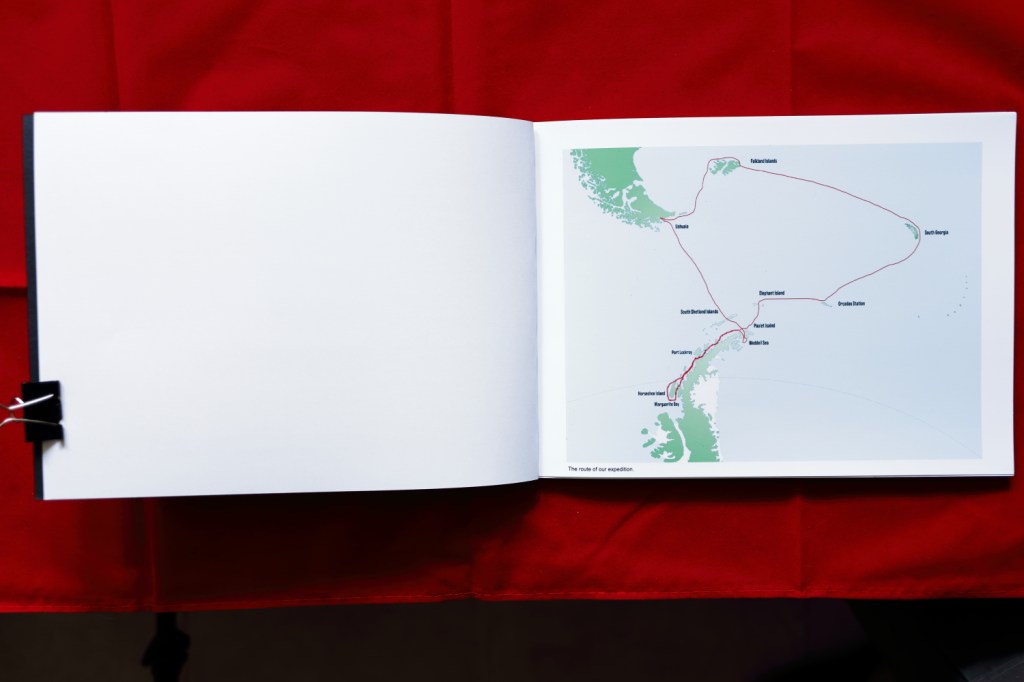
Both my tutor and I like maps so it seemed sensible to include a map of where the images were taken. I added a page of text to give the viewer some idea of where the inspiration for the work had come from before they looked at the finish result.

I enjoyed the whole process but seeing people experiencing the landscape was the most enjoyable. Placing myself where I thought people would stop and then waiting made me think of Henri Cartier Bresson and the decisive moment. Then back at home, the process of producing the book was extremely satisfying.

If I was to approach this work again I would think more about lighting. The weather was not kind to me with many overcast skies. However with the right setting on my camera they add a mood to the exposures. I didn’t include the exposures that showed a man who stripped to his underpants and sat down in the snow and cried. Or the skateboarder who got out his board and did jumps from a rock. They didn’t fit the brief of the Rucksfigur. Finally I change the painting on the cover by changing it from a portrait layout to a 3:2 Landscape format, this takes away from the height Caspar David Friedrich wanted to portray in his painting.

If I was to change anything I would change the weight of the paper I used to a lighter figure. The thickness of the paper restricts opening the book. It doesn’t restrict when observing the book normally. However when I photographed the pages it was hard to get the paper to lay flat meaning the photographs of the work have a distortion. This is only a small thing caused by not being able to send the work in for looking at normally.

I feel the finished work achieves the things I set out to achieve. Showing the spiritual experience that nature gives. Without affecting the adventure the subject was enjoying. The finished book feels right and shows the exposures as I envisioned at the start. Opening each page shows a new experience, a new reaction or a new adventure.

Works Cited

Friedrich, C. D. The Wanderer above the sea of fog. Kunsthalle, Hamburg.

Kiefer, A. Occupations. Tate Modern , London.

What Great Paintings say. (2010). Koln: Taschen.