In considering my first assignment in the
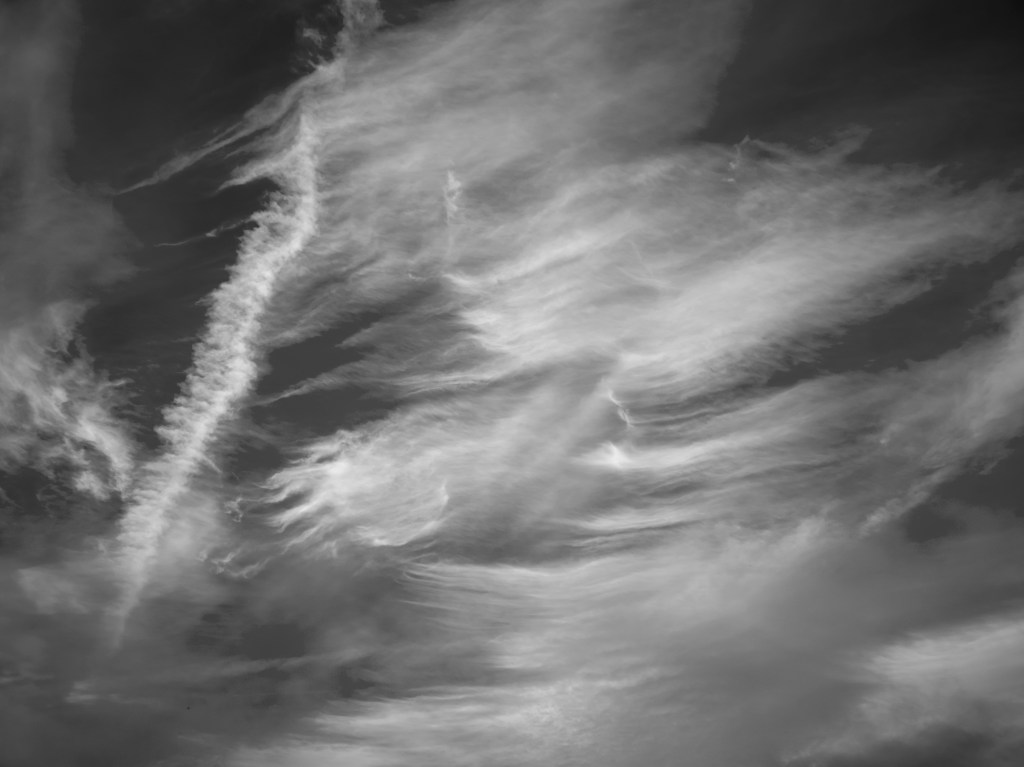
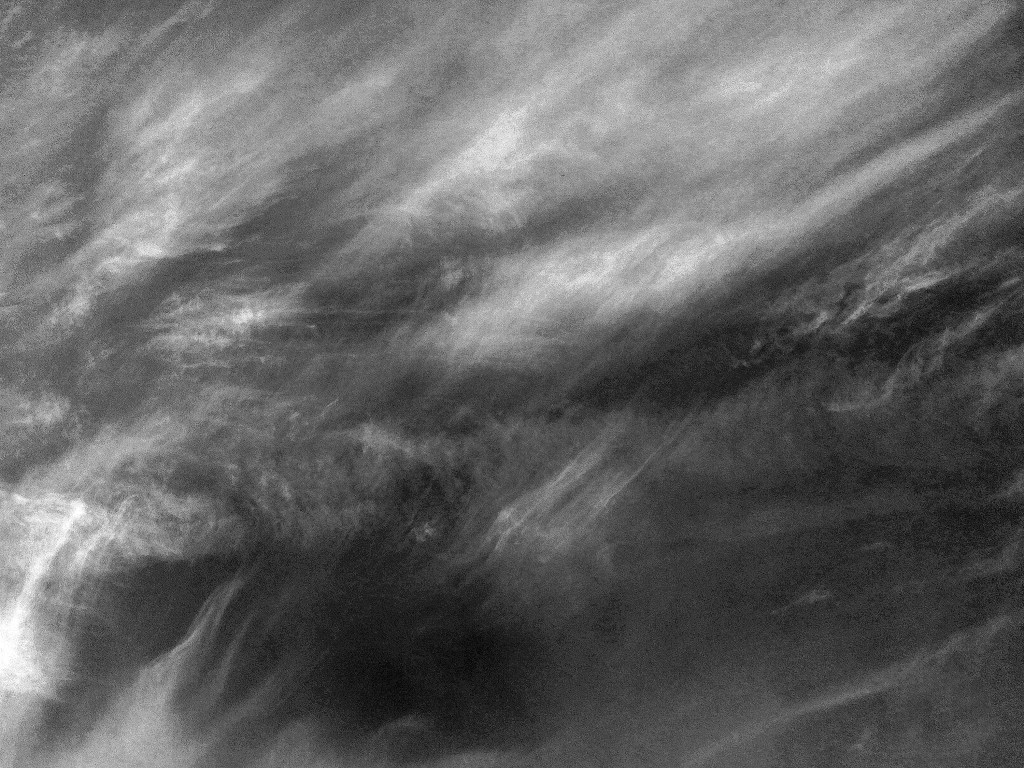
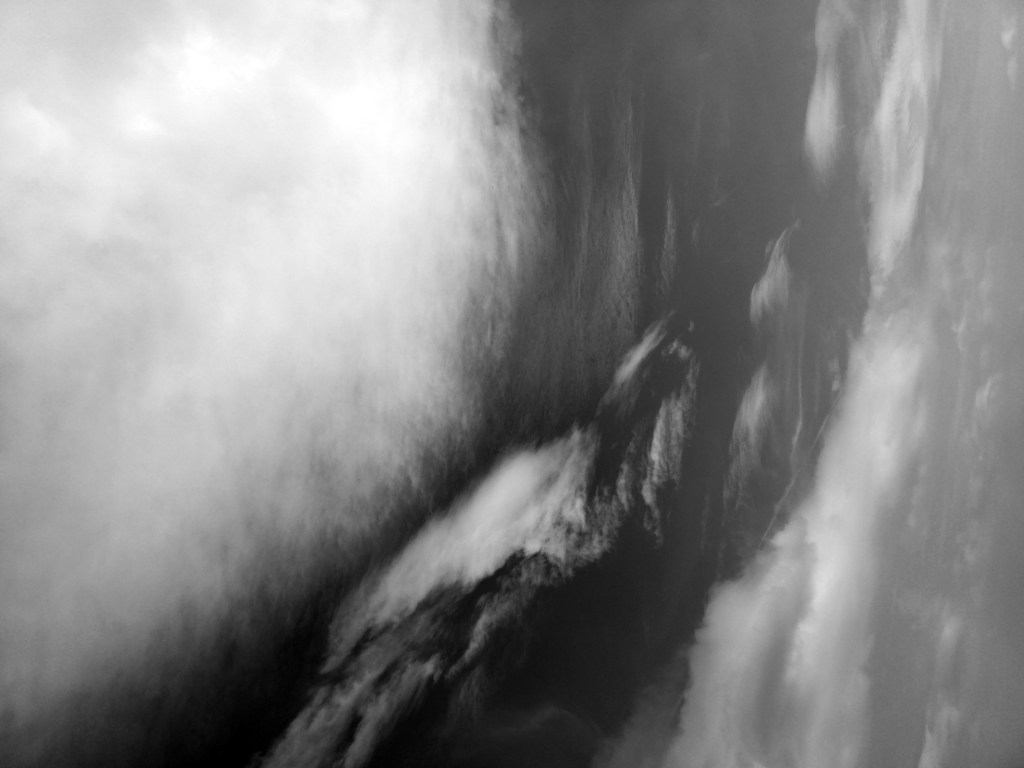
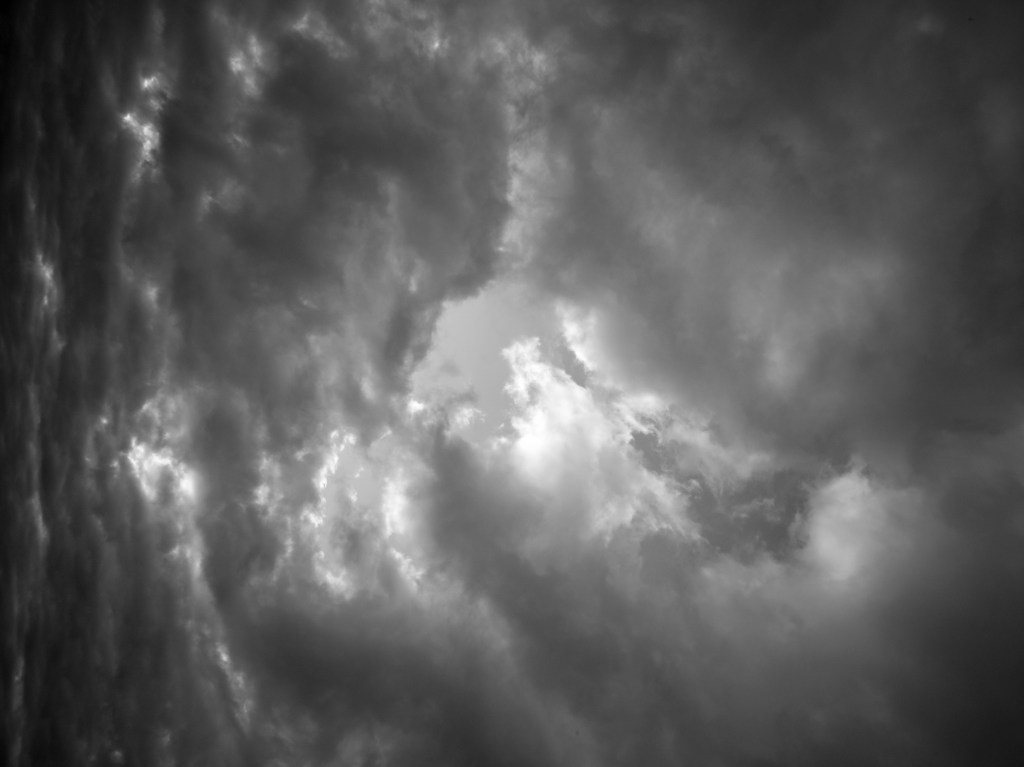
Landscape course I have been pondering why my shots are sublime to me. I look
at the photos I took and I still see the sublime in them. What am I seeing?
I agree with my tutors comments in his feedback
and fully understand the difference between the picturesque and the sublime. Do
my offered photos have that wildness and savagery that it needs to be sublime?
Listening to (1)Radio 4 I heard a piece about (2)John
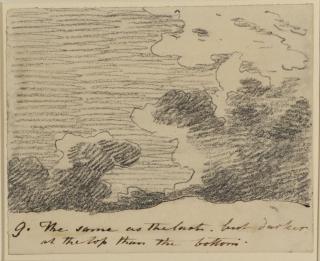
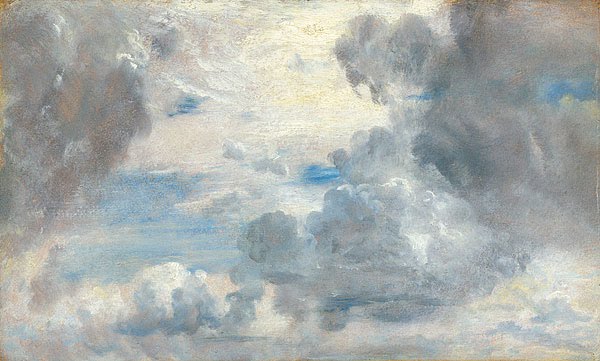
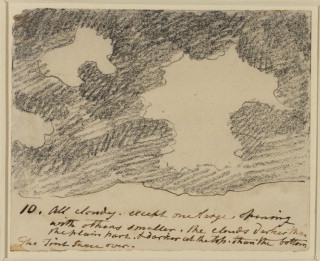
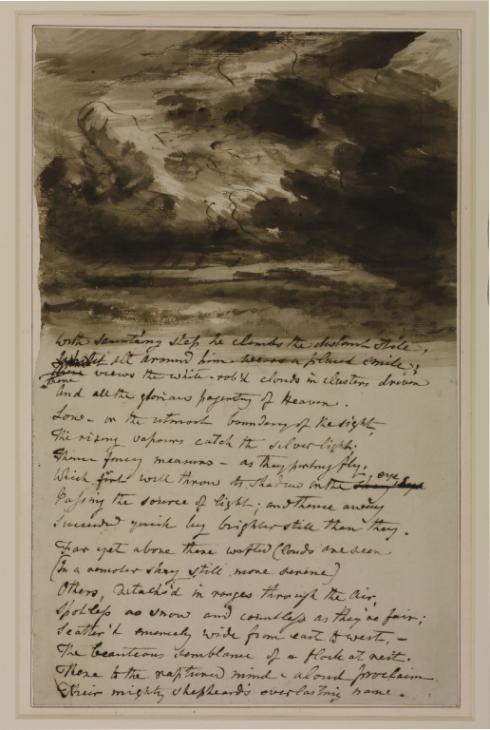
Constable and his cloud sketches which he completed in 1821. He drew and
painted these sketches as practise for his paintings to come. He did the
majority of these sketches from Hampstead Heath as his wife recovered from
illness. Constable was so successful at depicting the clouds that one member of
the Royal Academy said “When I see Constables clouds I reach for my raincoat”.
They range from simple sketches through watercolours and then full oil paint.
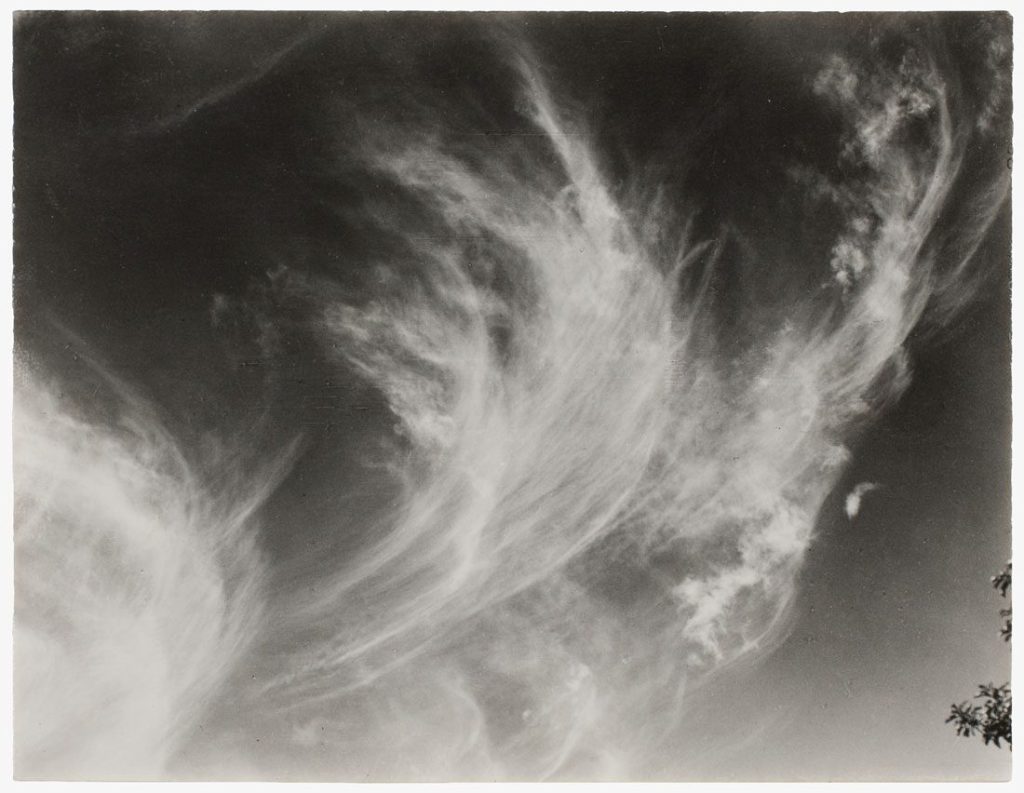
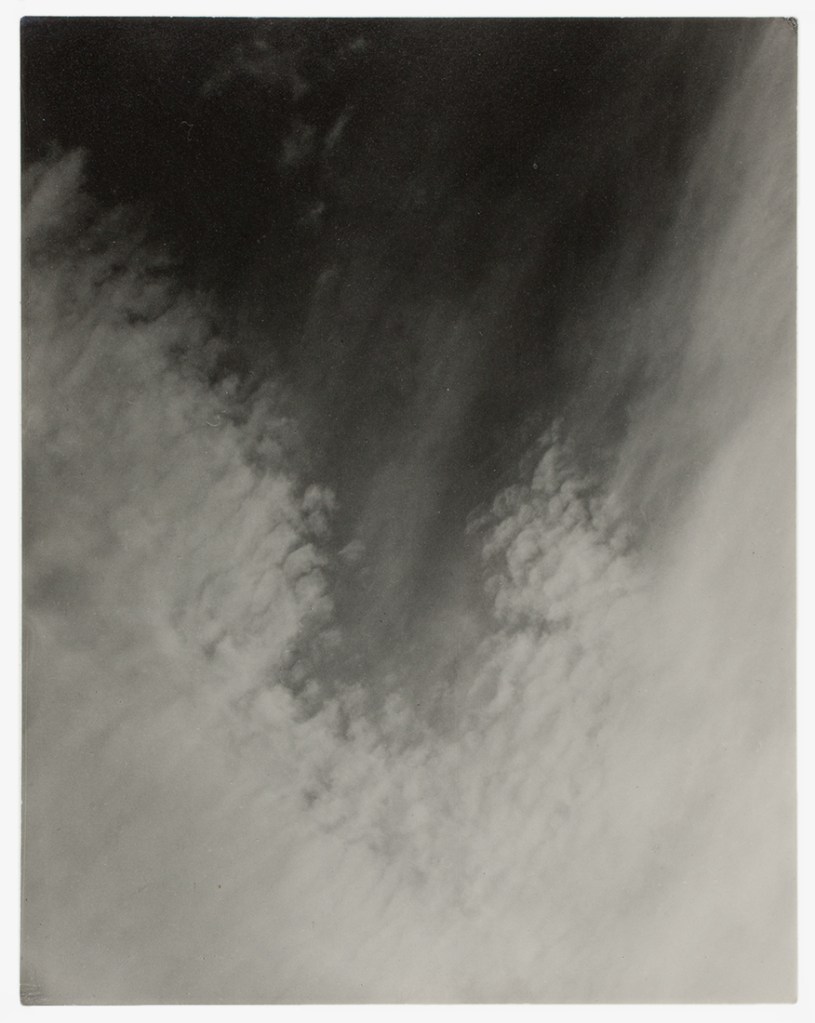
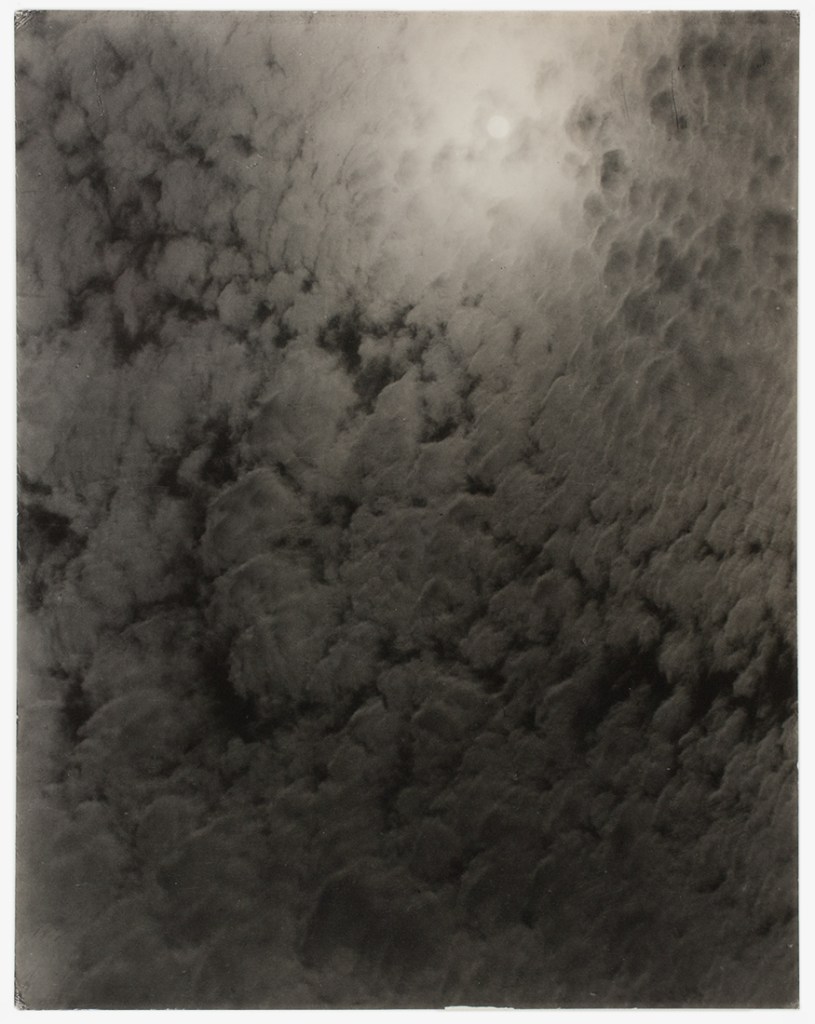
(3)Alfred Stieglitz also created a series of
photographs entitled “Equivalents”. He did it to show his technical ability at
capturing a difficult subject whilst making art. These works are considered by
some to be the first abstract depiction of photographic art having no real
subject. Viewers found this fact challenging to see. Stieglitz knew precisely
what effect he had created saying to one viewer who asked “is this water?” he
replied “Why does it matter”. Knowing he had created the question in the man’s
mind.
(4)Ansell Adams said in 1948 seeing “Equivalents
was his first intense experience in photography”.
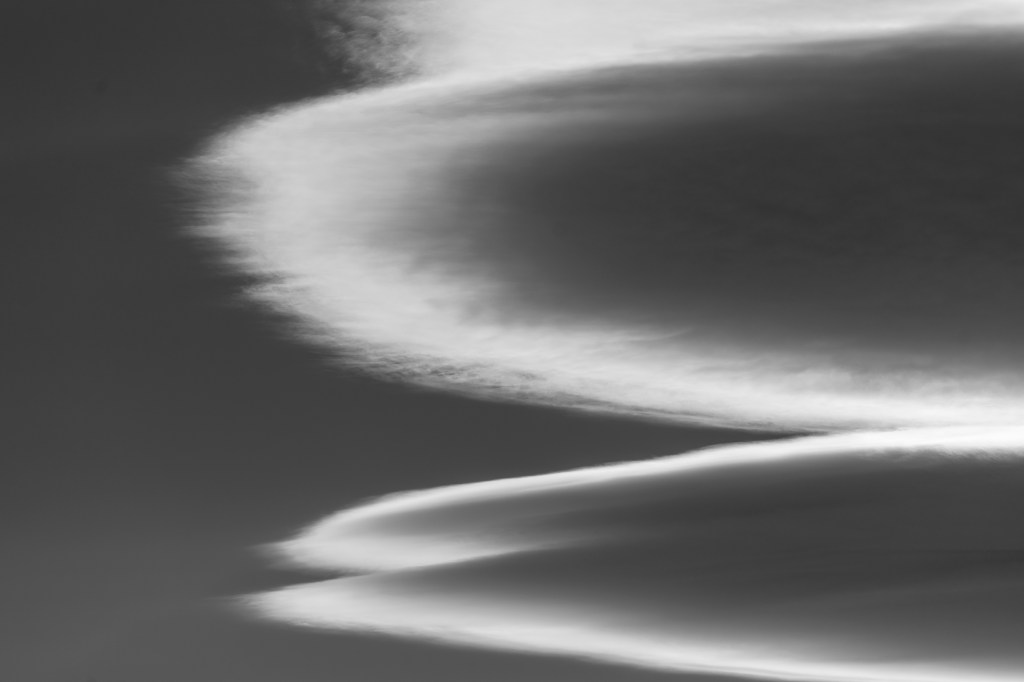
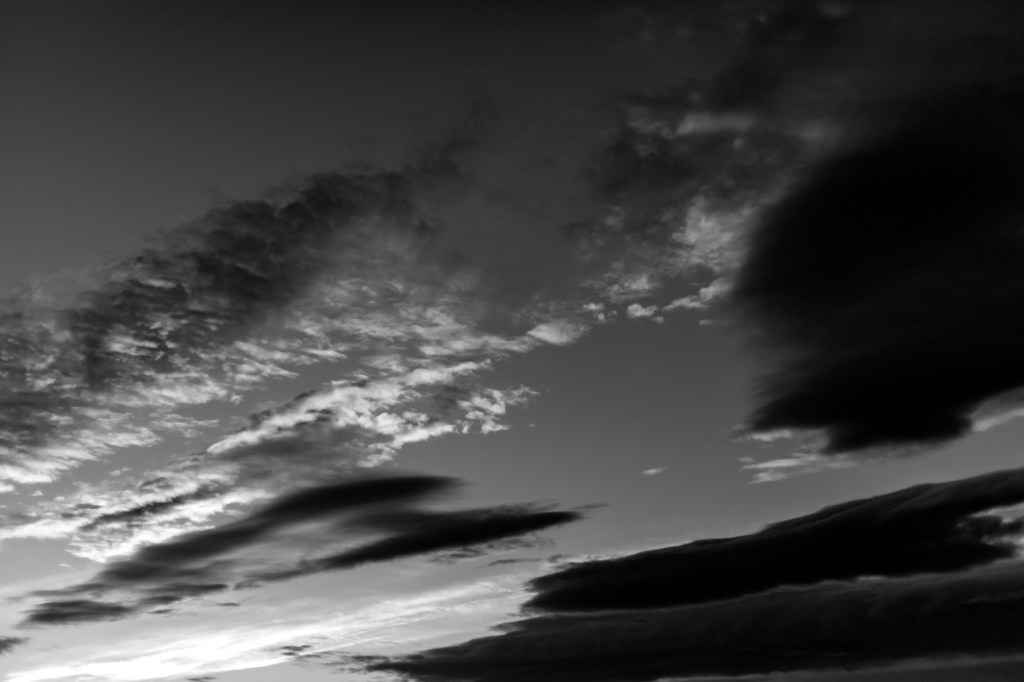
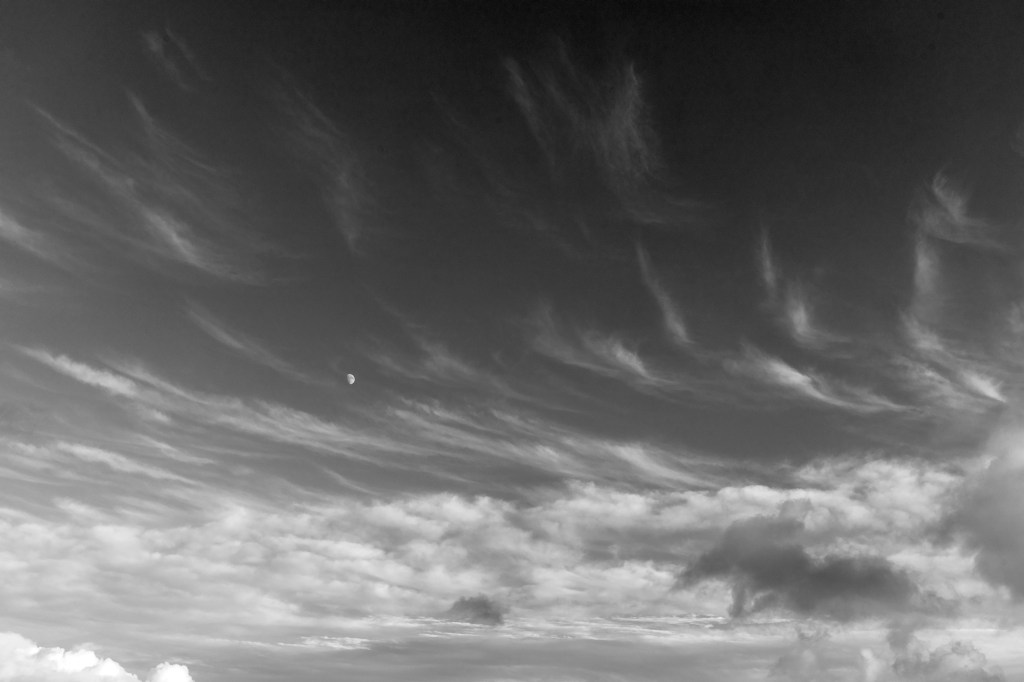
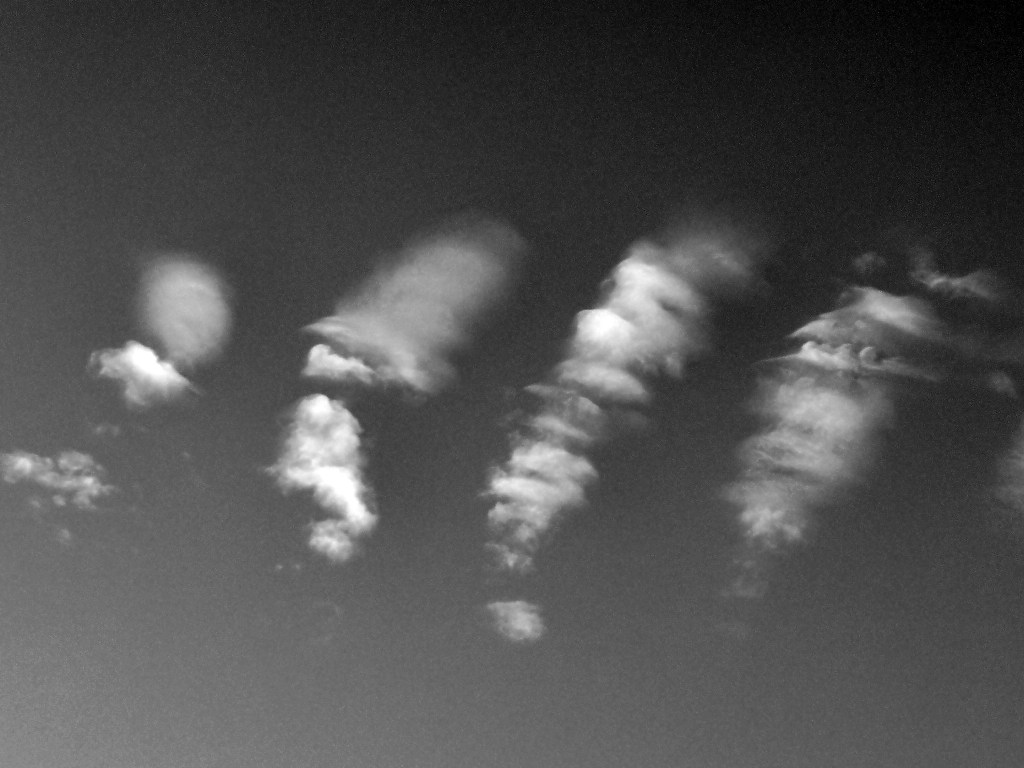
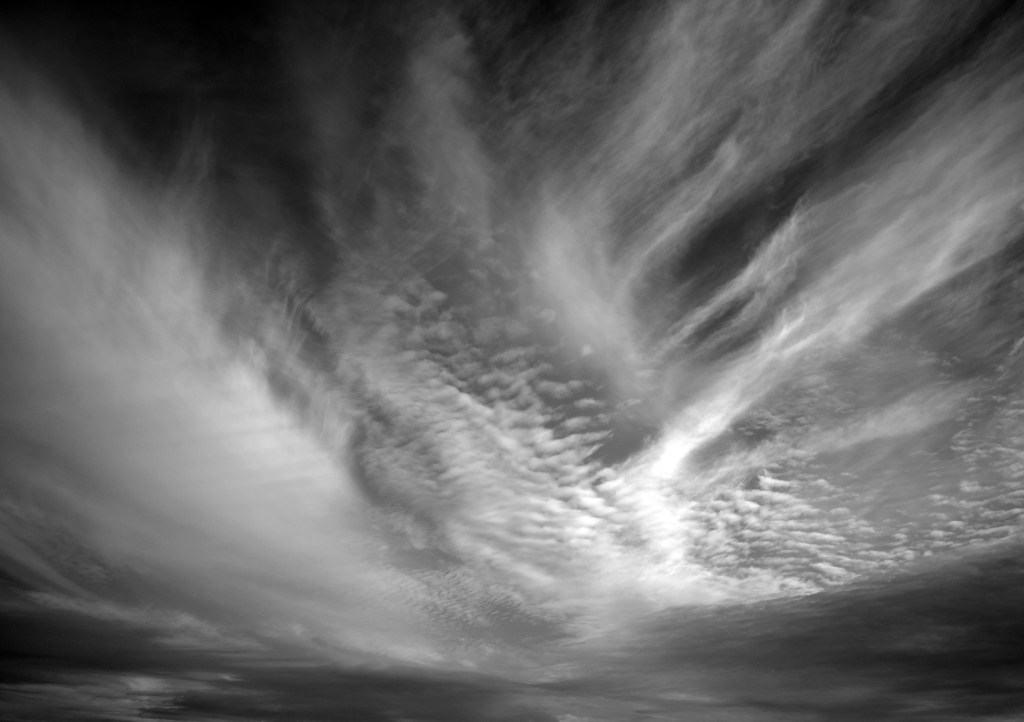
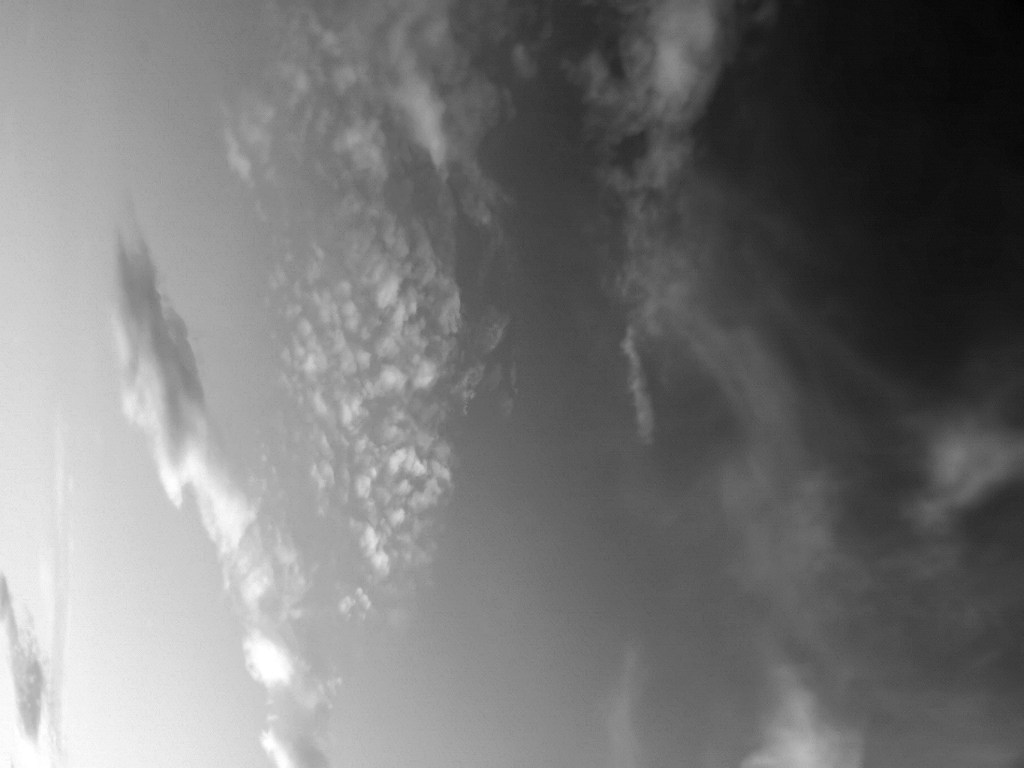
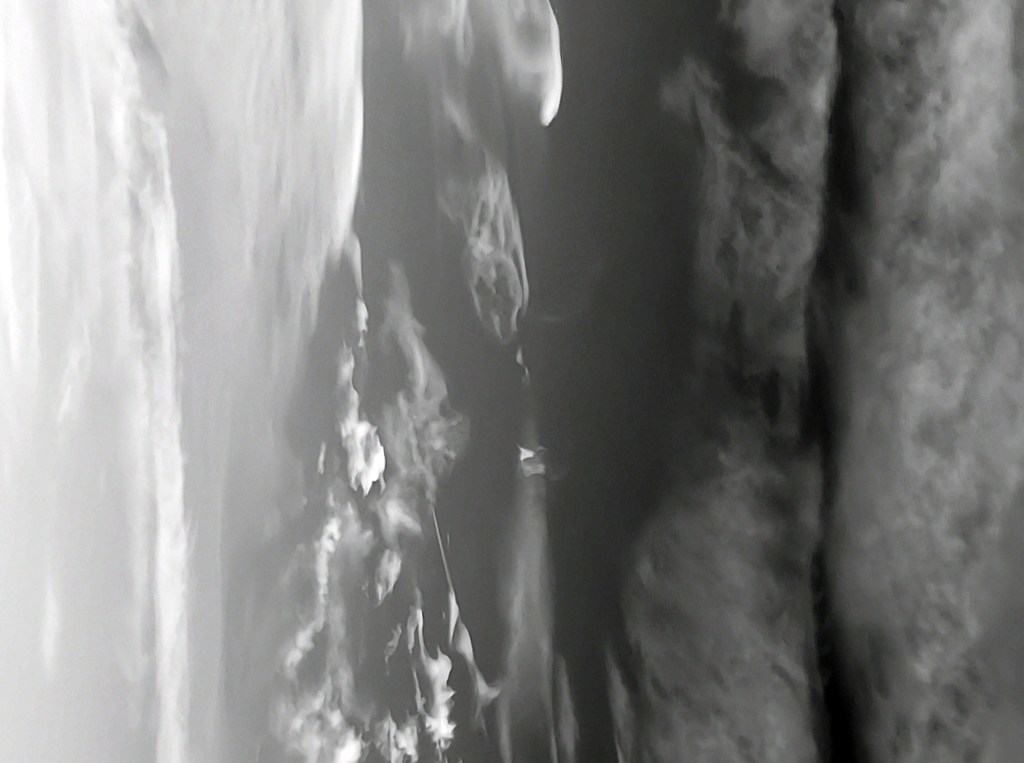
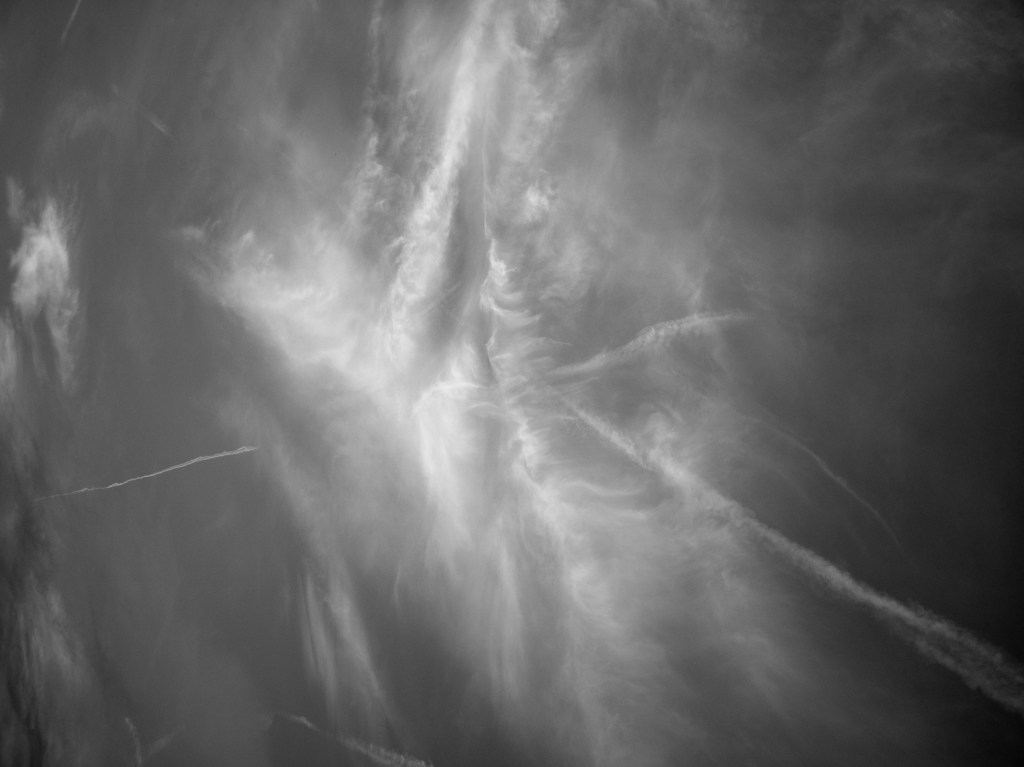
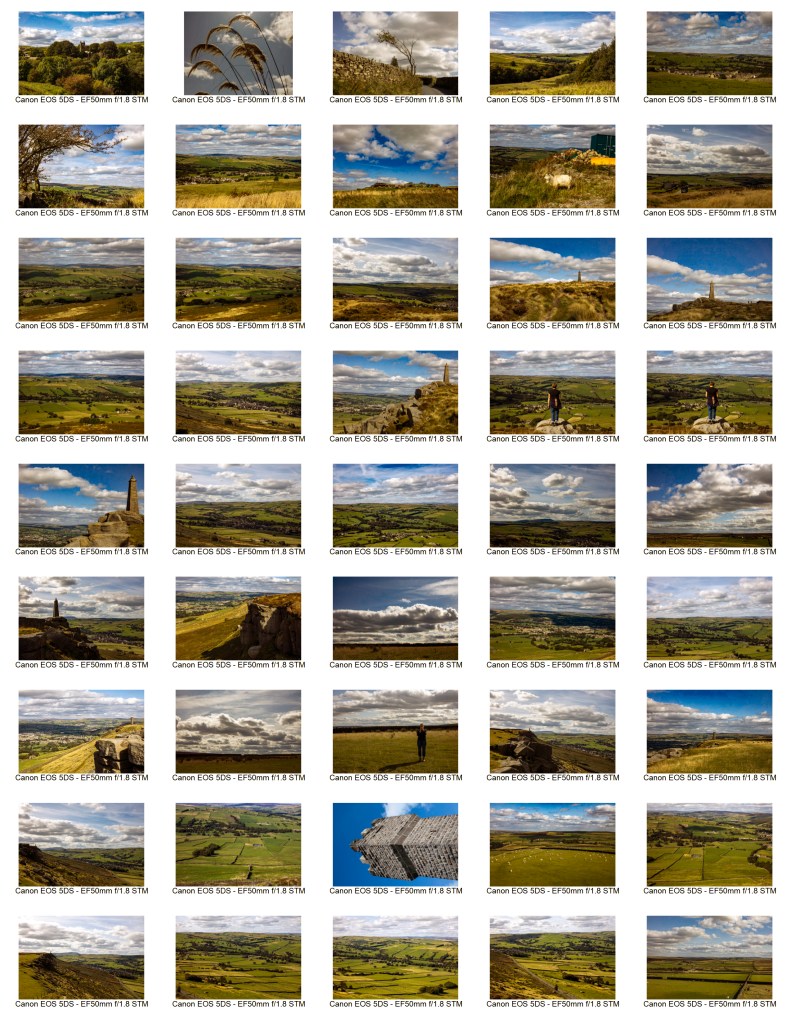
I have been taking pictures of the sky in
monochrome for the last few months not knowing of Constables sketches but being
aware of Stieglitz work and in fact responding to it.
My tutor in Identity and place had told me to
look in completing one the exercises; this was an inspiration for me starting
recording these photographs. Contemplating the photos offered in response to
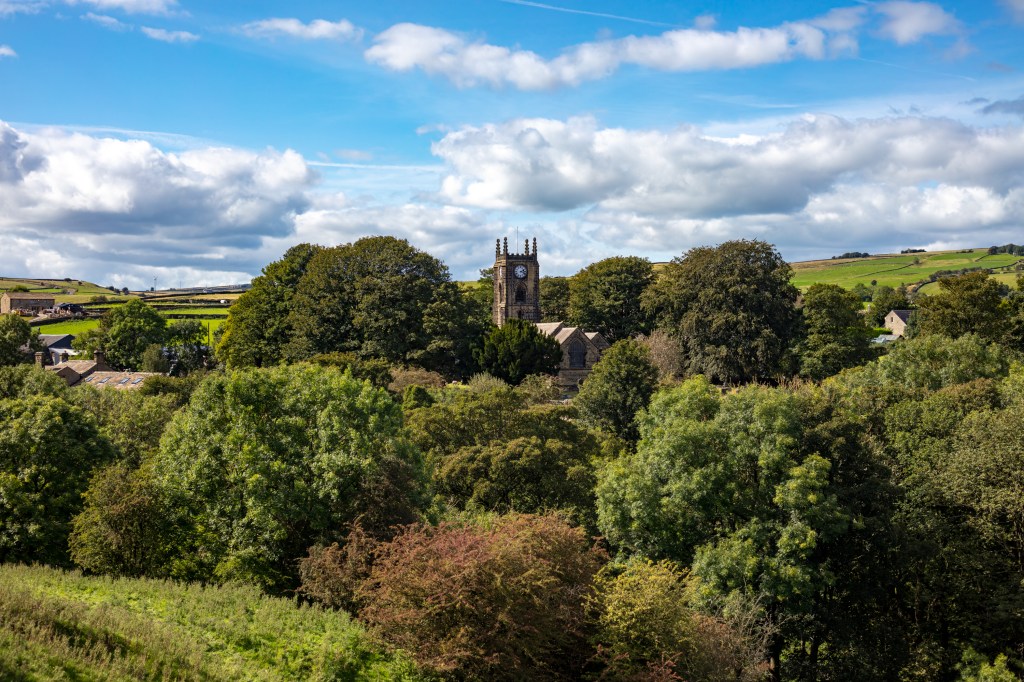
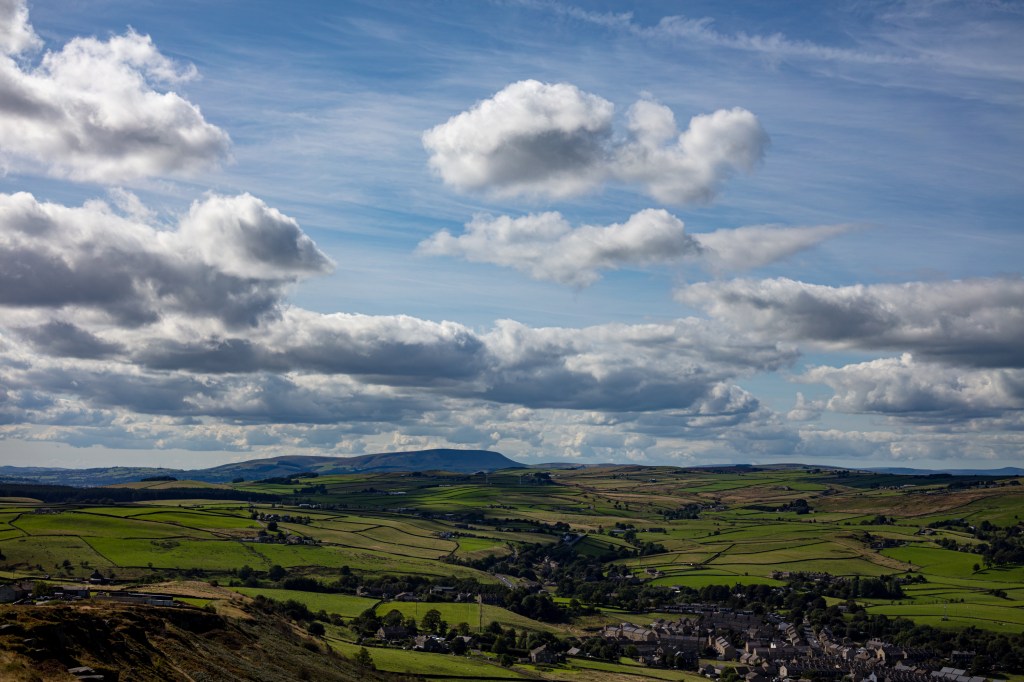
assignment one of this course I realised I was trying to show this big sky,
however I had let the physical landscape overpower the sublime element. I had
tried to show too much. I should have captured just the sky and its amazing
clouds. They are natural and wild and make me feel small.
This lesson is invaluable thinking about the
fourth assignment writing a 2000 word essay. I must be on my guard and ensure I
don’t try to cover too much but narrow my sights onto a smaller target and
complete the essay well.
Works Cited
(1)Blatchford, Sir
Ian. Art of inovation. Performed by Dr Tilly Blyth. Radio 4, London. 26
September 2019.
In
considering this brief I wanted to show what attracted me to live in this
landscape. With its rolling hills and big skies. In reading further through the
course materials and the books I wanted to get up high to get a perspective I
saw in a lot of the artists i looked at. I will explore this more, later in the
course.
In this
first part of the course we have looked at beauty and the sublime both words
are subjective but both have a language within landscape and the arts. I look
forward to developing new ways of looking to see this beauty in areas outside
of the norm. This language talks of capturing the peace of the landscape in
pastoral pictures or capture sublime pictures in untamed weather in a
wilderness.
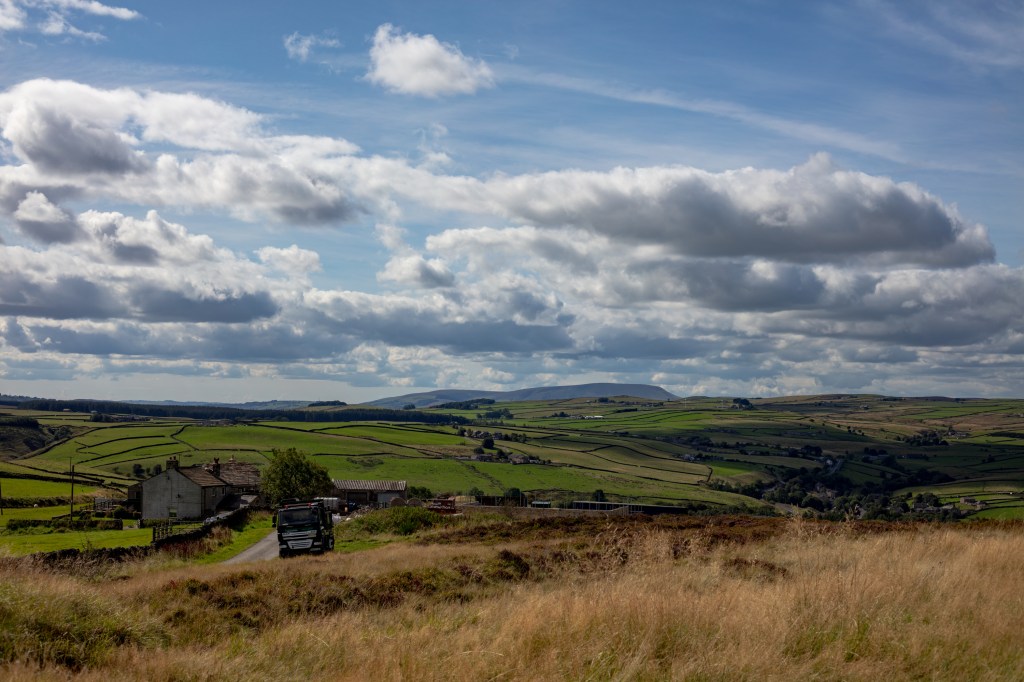
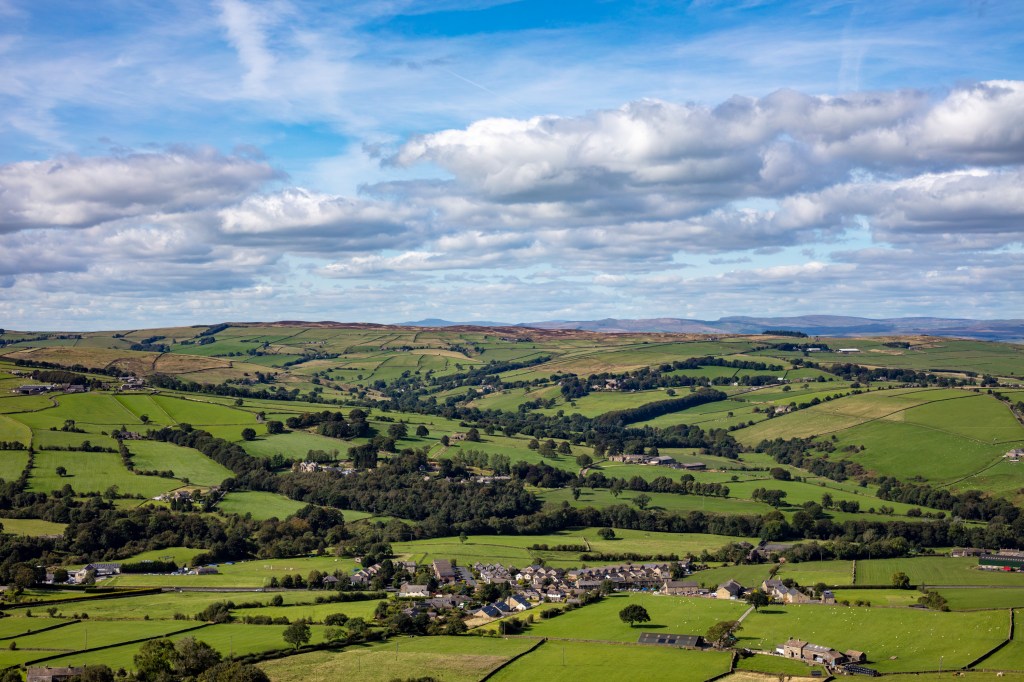
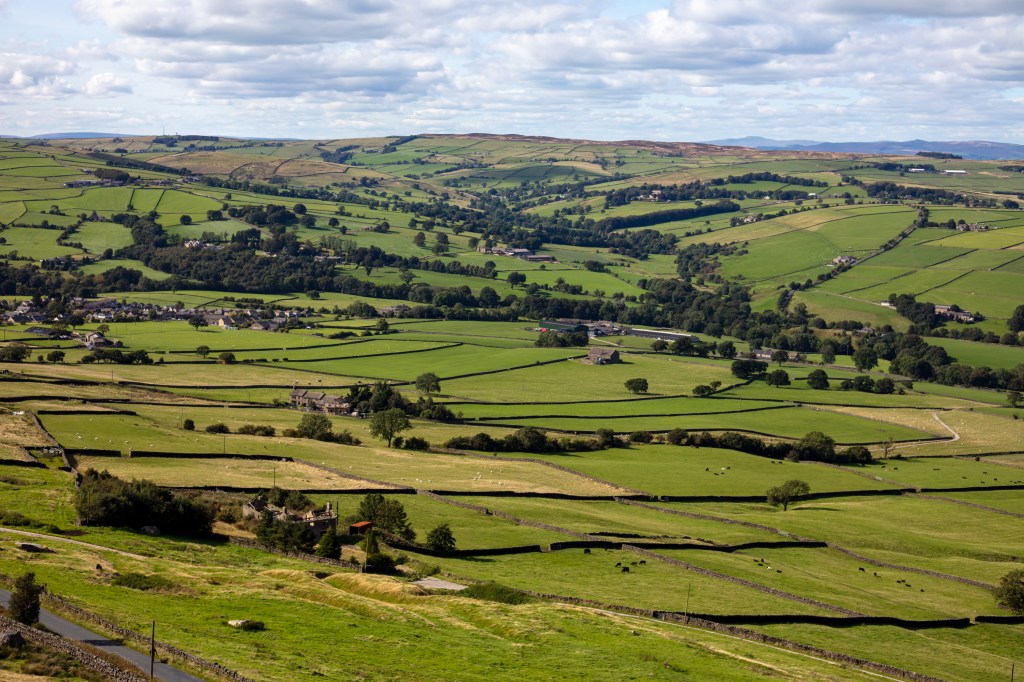
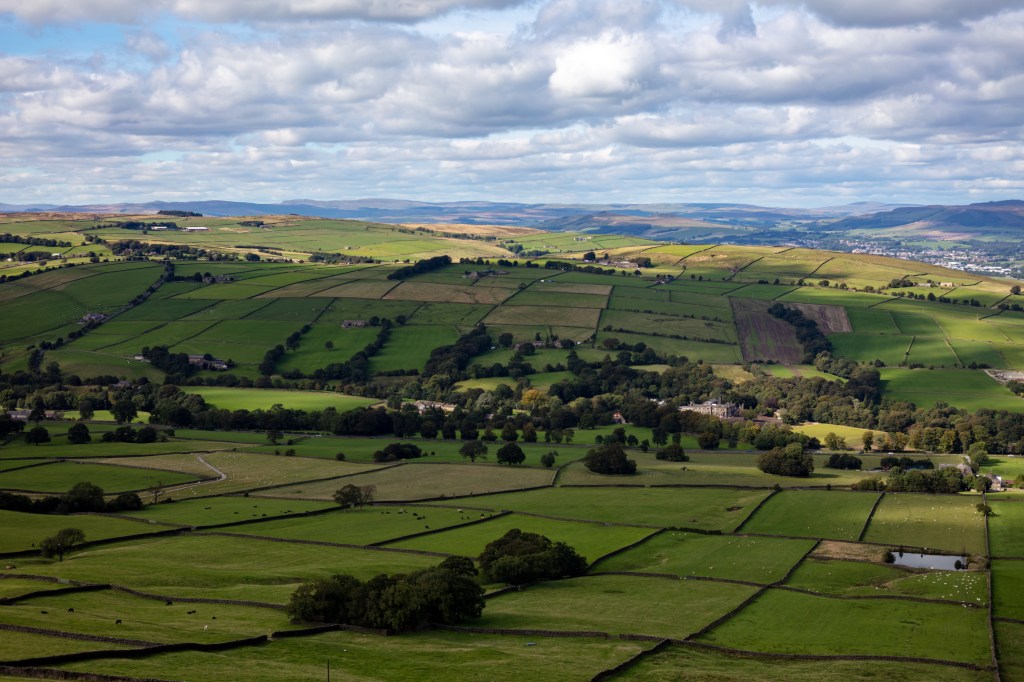
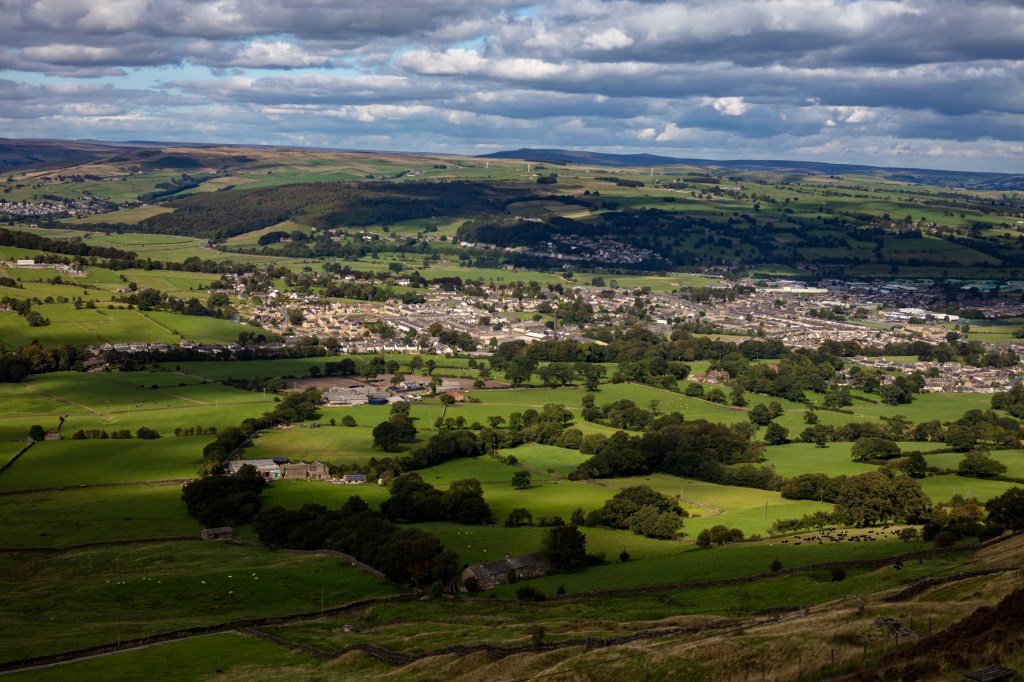
In looking
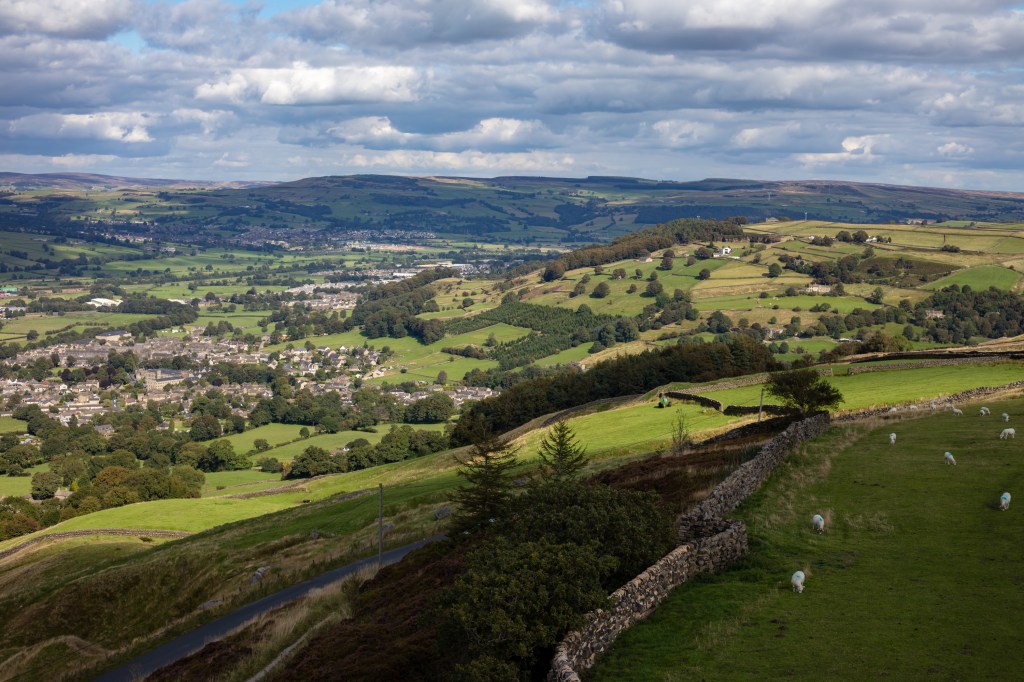
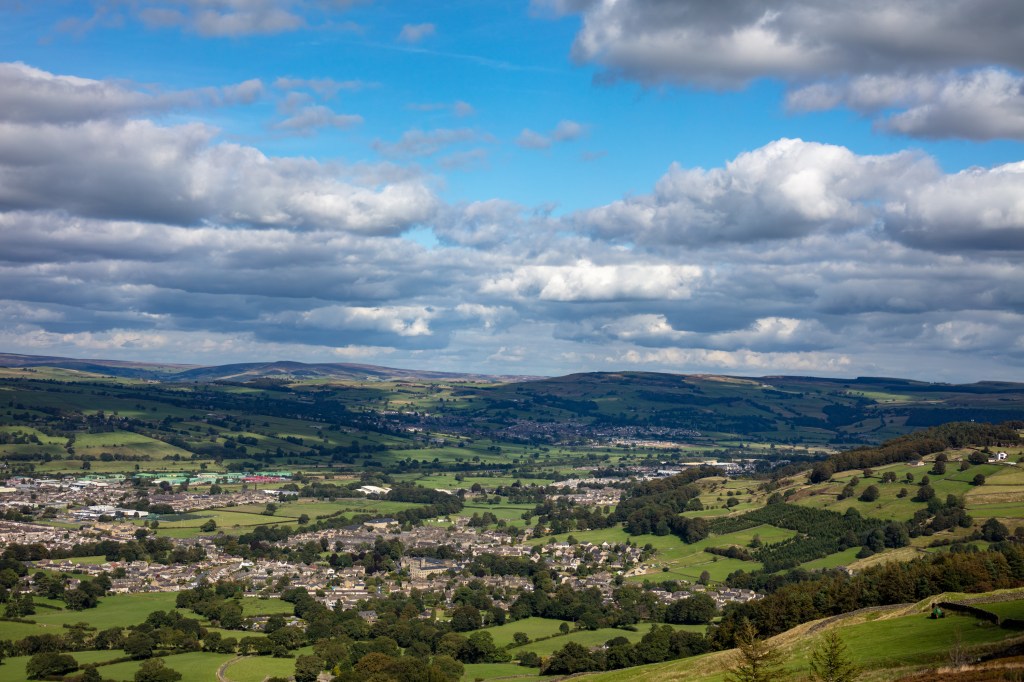
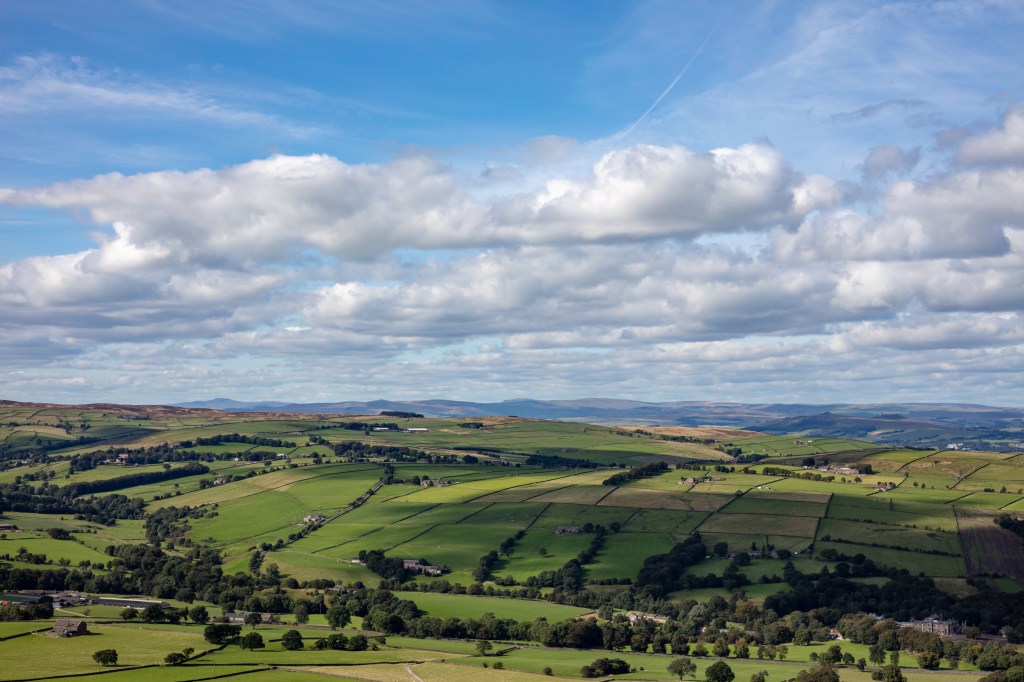
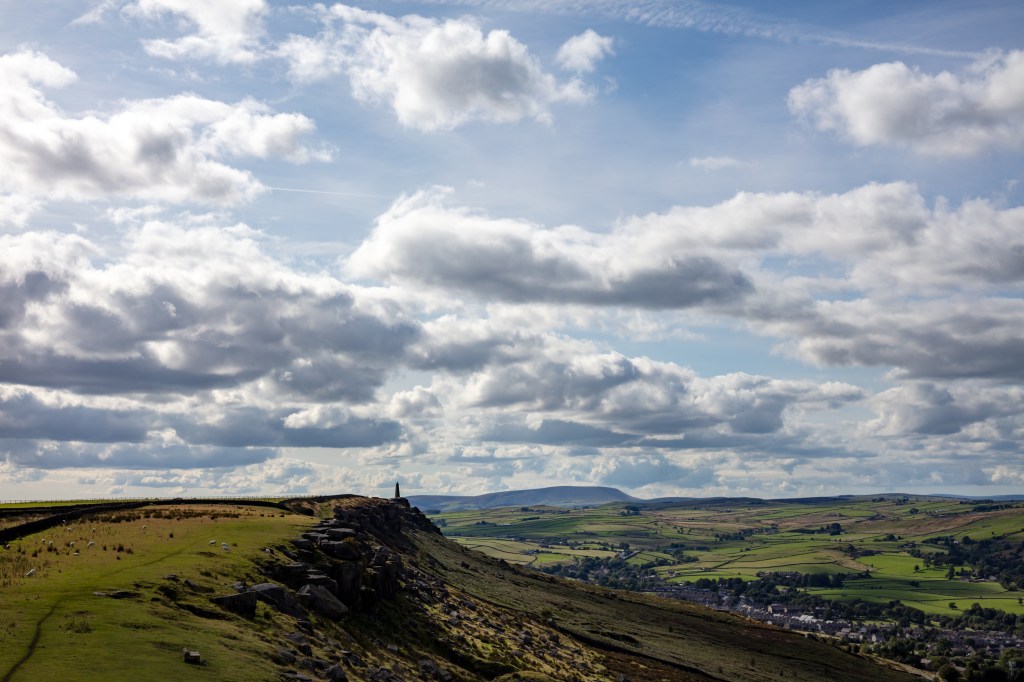
at these exposures i feel their strength is the sharpness showing the detail of
the cricket match to the distant hills of Pendle, Ingleborough or Pen y Ghent
in equal measure. To improve them I could have used a longer lens to get into
the detail however this would have changed the sublime element in the pictures.
I am going to develop this further by capturing some details of life for future
works.
Technically
I realised I wanted a wide shot. I have an 8mm fisheye but this would have been
too wide relegating the village to a small area of the exposure and making the
hills just a straight line. I also have a 400mm lens but this would have put me
into the detail which I felt didn’t fit the idea I had for the brief. So i
decided to use my 50mm prime whilst it can be opened to f1.8 this lens is at
its best at F5.6 this gives sharpness front to back.
I looked at
landscapes by Turner, Gainsborough, Friedrich`s and others but the one i liked
most was Paul Nash his work before the first world war is wonderful. It calms
me and sums up the English countryside. It has the rolling hills and then the
strange trees, wonderful. I looked at
his later work and you can see how the First World War changed him. However he
still used trees to tell his story. I see lots of trees in our landscape but
don’t want to just use one I want to use them to lead the eye through my shots.
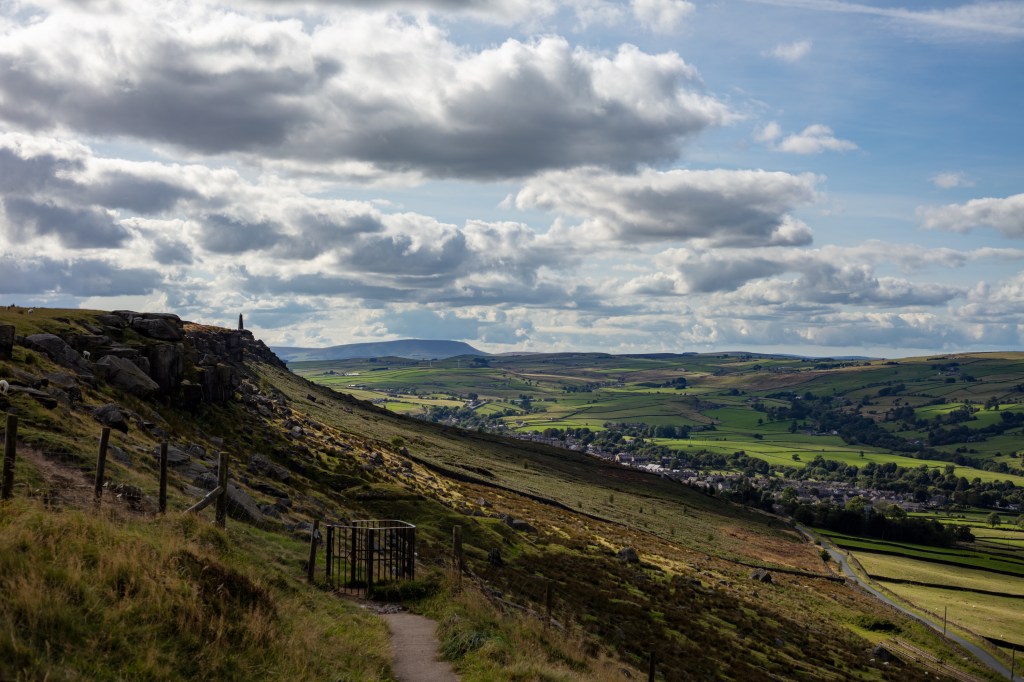
In a lot of the paintings I looked at I could see that the eye of the artist was in midair (discounting Gainsborough) he painted portraits in a landscape. This perspective is possible because a painter uses his/her imagination. Edward Burtynsky puts his camera under a drone. I can do neither with my camera however I can climb a hill then up a pinnacle to gain even more height to achieve the same perspective. My outcome must be one which shows the whole but takes your eye through the picture seeing the details as you go.
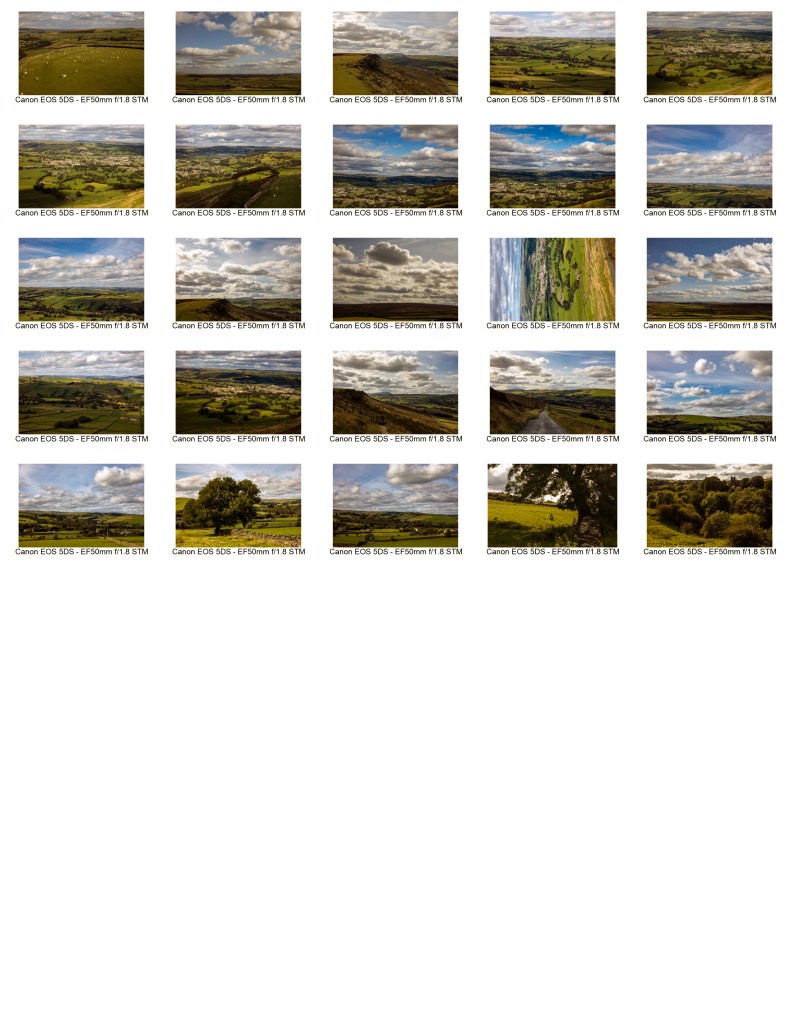
Cowling Church.Ascent of the crag with Pendle Hill.Cricket in the valley.Pendle HillAncient Field Boundaries.The White House.Sutton.Looking to Ingleborough and Pen y Ghent.Wainmans Pinnacle and Pendle Hill.Malpass House in ancient woodland.Crosshills in dappled light.The way home..
What is beauty or the sublime in respect to art. First what is the meaning of these two words. They are both often use in fact they are used too often. Football commentators scream “sublime shot”, I have described soup as sublime. And beauty is definitely in the eye of the beholder. What we see as beautiful in the west the east see the same thing differently.
So here the Oxford Concise Dictionary definition of the word beauty:
NOUN combination of qualities, such as shape, colour, or form, that pleases the aesthetic senses, especially the sight.
You can see straight away that this
code of beauty is already subjective you can start to add your interpretation
straight away. When you read these words what do you see? A person, a shape or
a scene. These seven letters create so much in our minds it is a powerful word
with different meaning between cultures, countries and people.
Here is the dictionary meaning of
the word sublime:
ADJECTIVE
Of very
great excellence or beauty.
VERB
elevate to a high degree of moral or spiritual
purity or excellence.
“let
your thoughts be sublimed by the spirit of God”
I
have included both the adjective and the verb as I felt both were relevant in
our art world. As an adjective it adds gravitas to the beauty of an object. I
find it interesting that I immediately put this together with female ideas. Is
this just me or is it in our society?
The
verb adds a spiritual connotation to the word which fits our use here on a
landscape course. When used it implies the presence of beauty to a level that
would please the gods.
Darvia. Julian Bell Tate London 2010
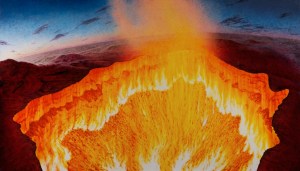
The word sublime has almost been overused In art I read an essay by Julian Bell on the Tate website entitled “contemporary art and the sublime”, in this essay Bell describes a painting he produced after visiting site at which the Russians had drilled into the ground prospecting for oil and gas. After deciding to burn off the excess gas they created an inferno which Bell saw as a vision of hell. He painted an 8 foot canvas. He compares what he has done to the work of (J Wright, Tate, 1776) . He compares the use of light in both pieces of work and says ‘such a light as that of the sun, immediately exerted on the eye, as it overpowers the sense, is a very great idea’. He means the light of the sun adds a sublime element to both works. When you look at both the bright sun of the infernos hits you like strong sunlight and overpowers the senses.
Vesuvius erupting with a view of Naples bay. Joseph Wright Tate 1776.
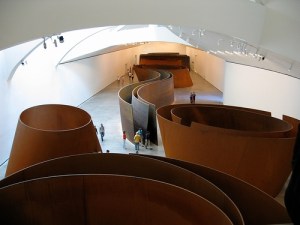
Next he discusses spaces that overpower the senses citing Richards Serras (Serras, R, Gugenheim Balboa, 2000) huge copper spaces in the Balboa Guggenheim Museum. You enter this installation and feel lost within it. The individual visitor is left to interpret the artwork for themselves. You must explore your feelings within this artwork.
Copper. Richard Serras (Balboa Gugenheim, 2000)
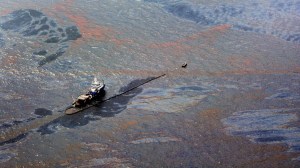
He looks at an artist I explored earlier Edward Burtynsky and takes his work “Oil Spill 2” (Tate, 2010) he calls this work “Industrial Sublime” and I understand why it overloads our vision and takes some understanding once you see what it is, it makes us question mans place in the sublime.
Edward Burtzynsky Oil Spill2Tate 2010
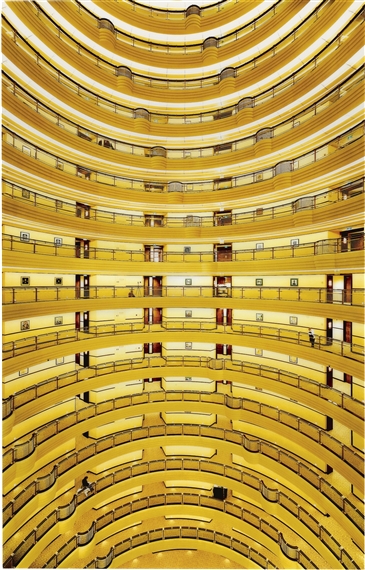
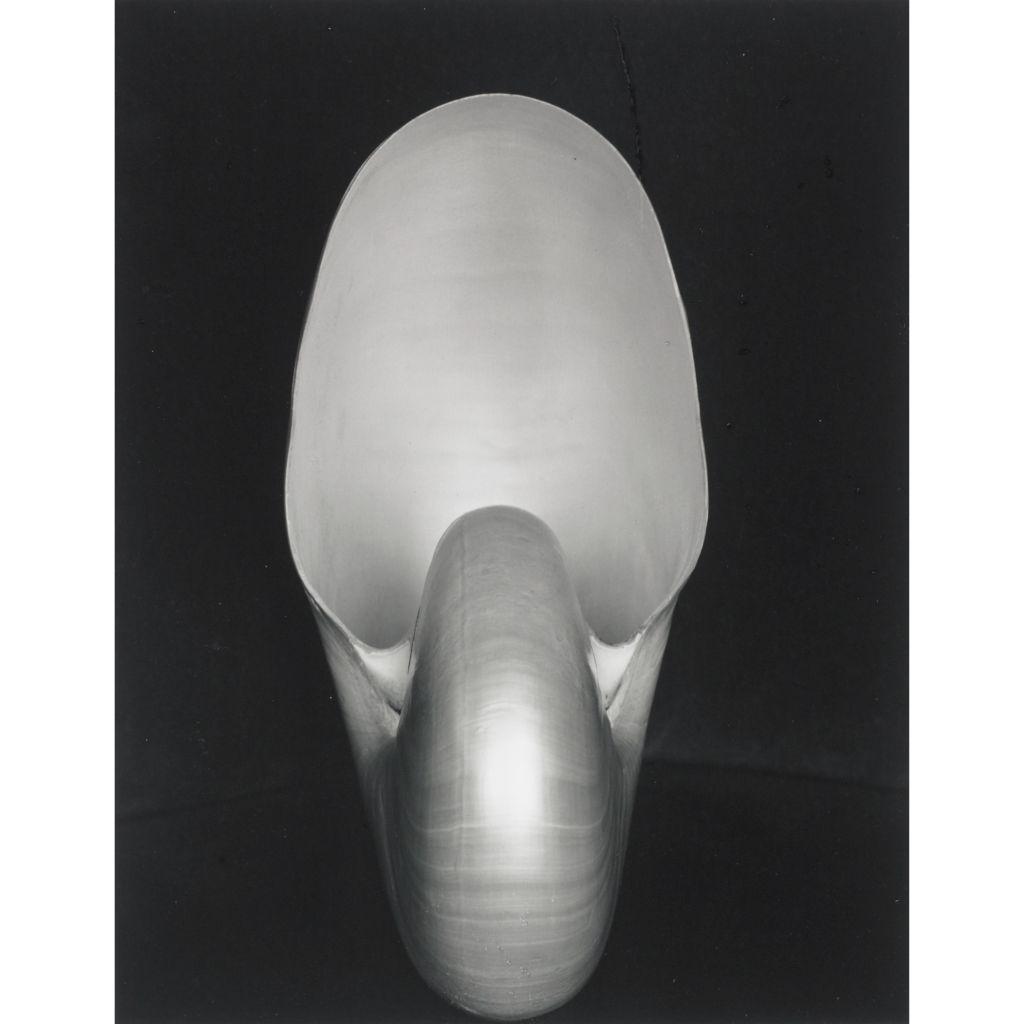
Next he looks at mathematical sublime and Andreas Gurskys (Gursky, Berlin, 2000), photograph “Shanghai 2000”. It is just a photograph of the inside of a building however it has just as much structure and sublime beauty as Edward Weston’s (Nautilus, MoMA, 1936) photograph of a Nautilus shell. It holds your eye and overwhelms your vision.
Andreas Gursky Shangai 2000
Edward Weston Nautilus MoMA 1936
This essay has made me realize that we can easily use this
word. But to get the best from it we need to challenge our senses. My challenge
to myself is to see if I can overload my senses in my local are and create some sublime photographs on an
ordinary day.
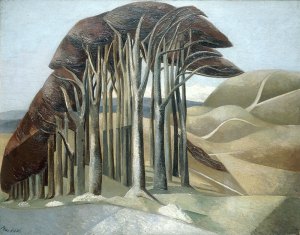
I like trees they add mystery to a landscape I am not the first to feel this Paul Nash said before the first world war tainted his eye “Trees are like beautiful people”. (P. Hendon, Art History) This might explain why his later paintings show broken trees maybe to represent the broken destroyed people he didn’t show. His trees add a sublime element to his paintings however they are painted.
Paul Nash Trees (PHendn, 2001)
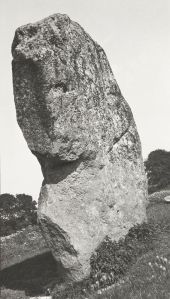
He also captured photographs one was of a stone at Avebury Circle called Avebury Sentinel )P Nash, Tate, 1936) He took his photographs with a Kodak type 2 camera. They were taken to be used as sketches for his later paintings. Looking at the this photograph I see the trees I see in his paintings they give even a photo taken to record a large stone a different element. He looked for hidden elements in his paintings and you can see it in his photographs too. He couldn’t help himself.
Paul Nash Avebury Sentinel .(Tate, 1933)
I want to capture the open space where I live with its big
skies and the trees of the area. These elements create a sublime landscape that
changes minute by minute and day by day.
I have been reading a book by David Matless entitled Landscape and Englishness. In it I have been reading about the landscape I have taken in my shots for this assignment. I found this quote apt “If those men and women who, as my letter-bag so cleverly proved, are starting out in their thousands to discover rural England will see it not merely as a pretty picture but as a living thing……”.
This is what I want to show in the 12 shots I present..
References
Bell, Julian. Darvia. 2010. Oil on Canvas. Tate London.
Burtzynsky, Edward. Oil Spill2. 2010. Digital Colour Photograph. Tate London. Gurskys, Andreas. Shanghai 2000. 2000. Digital Colour Photograph. Berlin.
Hendon, Paul. Paul Nash Outline The Immortality of I. 20, n.d.
Hornblower, S, A Spawforth, and E Eidinow. The Oxford Classical Dictionary. Oxford Press, 2012. Morton, HV. In Search of England. Methuen & Co Ltd London, n.d.
Paul, Nash. Avebury Sentinel. 1936. Oil on Wood. Tate London.

 Michael Green Landscape Studies