After a delay when my tutor and I kept missing each other due to my adventures down South. I finally received an email from him with some areas to work on.
1. Research Anthropomorphism.
2. Add reference to environments having no emotions.
3. Identity of the birds in my photos.
4. Replace the shots for “That melted the wings wax”, “It was spring” and “A farmer was ploughing his field.
5. Read Derek Gregory “Between the book and the lamp”.
6. Write about the books I have been reading to research the course so far.
7. Add reference to other posts to link my work.
Over all my tutor liked my work and his suggestions added to the overall effect of the images and the words.
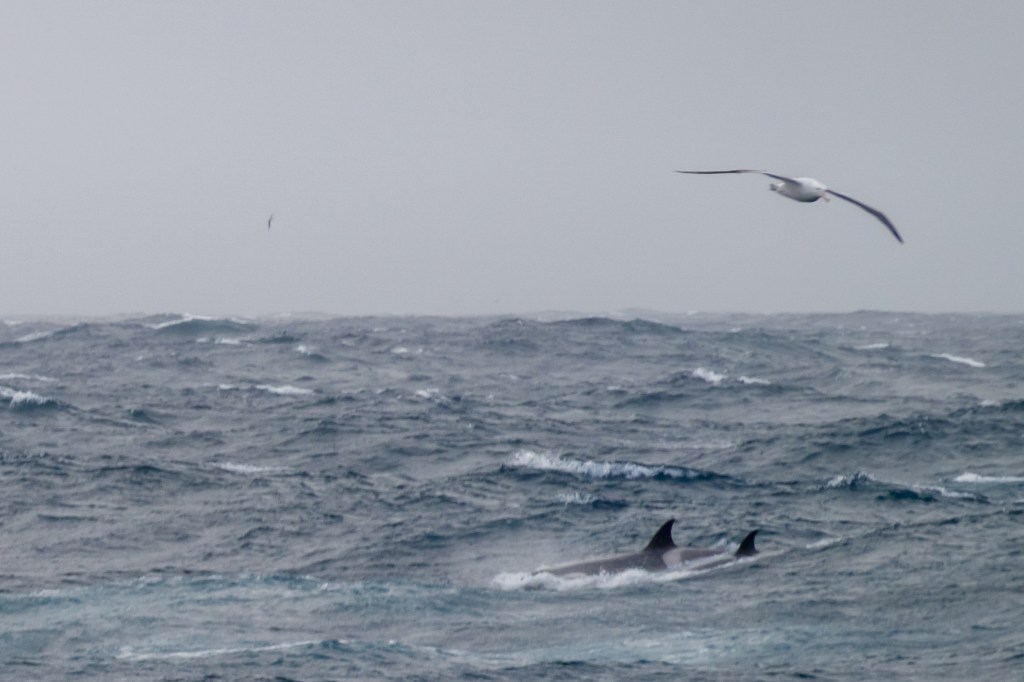
At first I didn’t agree with changing the image for the farmer ploughs his field. But on looking through my images and reviewing the painting again I realised that this line has to have the third element. So I replaced with a shot with a bird and a whale. The whale being the third element (The Farmer).
My work clearly states that things don’t have feelings so I am a little unsure what my tutor wants me to add. I will take this up with him on my return.
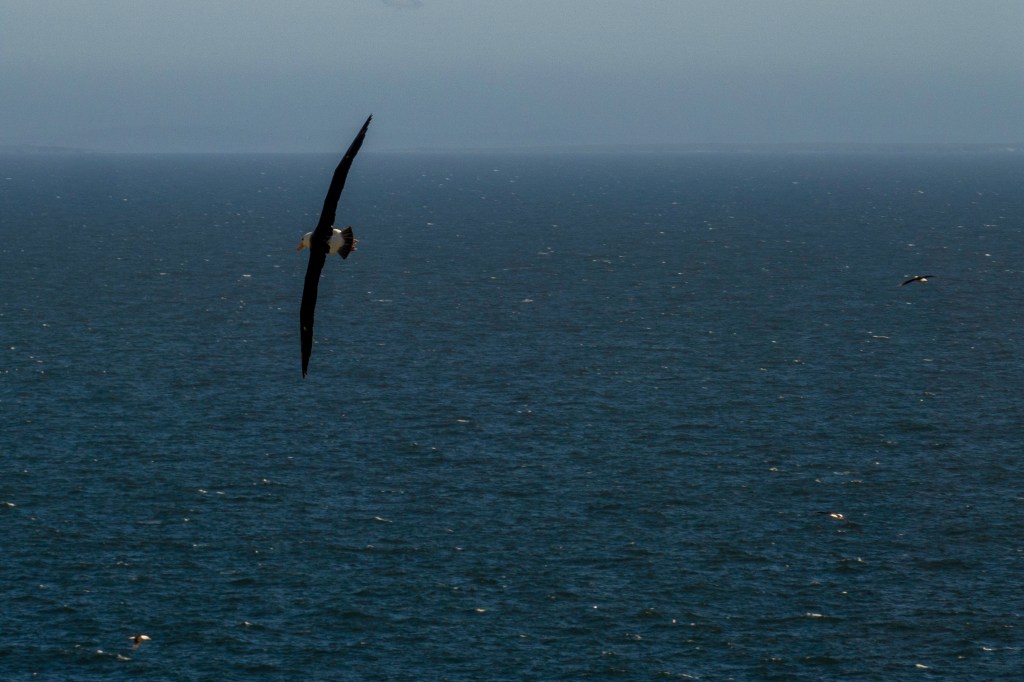
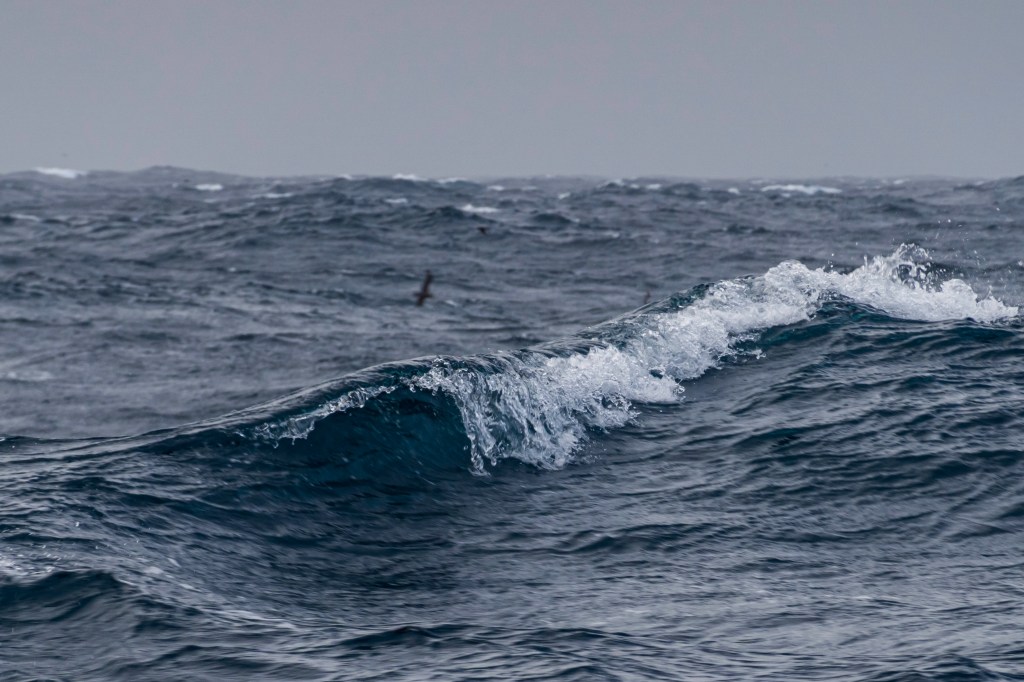
The birds in the shots are all either Petrels or Albatross. The final shot shows Wilson’s Storm Petrels which are the size of swallows and amaze how they survive in such a inhospitable place.
I have downloaded Gregory’s essay and will read and review it shortly.
Likewise I will add general reviews over the coming weeks of the books and such like I have researched to help my work develop. These I will publish shortly.
I added a link to my work so viewers can find background information about the events that inspired this assignment.
Below are the three pictures I added in response to my tutor feedback.
For my research into this assignment I considered a journey I was about to make across the Drake Passage in the South Atlantic one of the biggest spaces on this planet. I thought there must be something about this space that could inspire me.
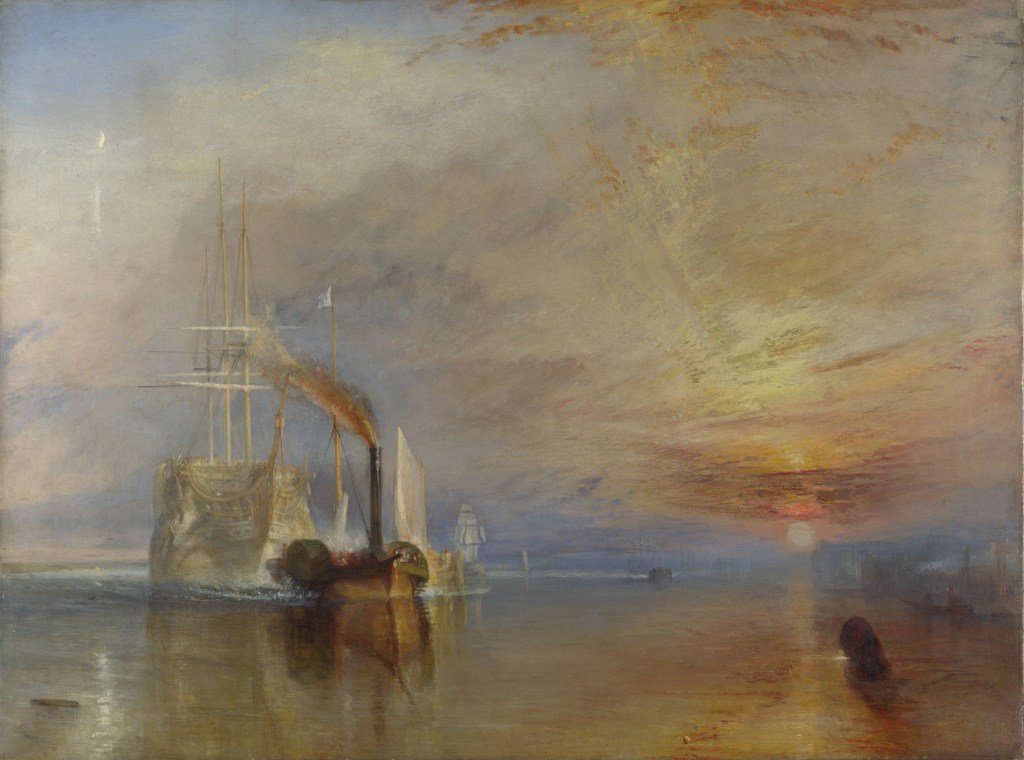
I looked at Maritime landscapes and liked three (1)JMW Turner The Fighting Temeraire. (2)Theodore Gericault The Raft of the Medusa and (3)Peter Breugel the Elder Landscape with the fall of Icarus
The Fighting Temeraire is a peaceful painting at first glance however on consideration it shows what must have a been troubling time for the Victorian people as sea travel transitted from sail to steam. The real scene should show two tugs but Turner showed this leviathan being towed into oblivion by just one. Hinting at the might of steam over the fragility of wind and sail. It is much smaller than the Temeraire which served Britain well at the Battle of Trafalgar. Turner was getting old when he painted it and it could show that Turner was thinking about his own mortality. Turner painted the Temeraire with its sails and masts when it fact it was a hulk with no masts. He wanted to depict her in all her glory. The painting clearly shows the end of the old system and the rise of a new industrial age. Depicting this with a setting Sun and a Rising moon. However this picture is too calm to inspire work from where I am heading. The sea is like a mirror reflecting the calm sky and the sunset.
JMW Turner The Fighting Temeraire.
The second picture I considered was painted by Theodore Gericault entitled The Raft of the Medusa. It shows the crew of the French Frigate Medusa at the moment of rescue. The survivors are deranged with thirst and starvation. Suffering so badly that they have resorted to canabilism. One suprising thing is the negro at the head of the mast leading the way to salvation. Gericault was showing that if you persevere you can move from despair and no hope to salvation rescue and hope. The sea is shown menacing, rough and the violent sky has menace also .One amusing thing clearly on show is the fact that the artist couldn’t paint feet so you will not find any in this painting unless its covered by another person or bandaged. If I was to pursue this for Assignment 3 I would need to use models and probably wont have time to pose them.
Theodore Gericault The Raft of the Medusa
The Third painting I looked at was purported to be by Peter Breugel the elder. Whether he painted it or not it is a superb painting with humour and a story.
Icarus the son of Daedlus stole his fathers wings made of feathers stuck with wax. He ignored his fathers warnings as he tried to climb higher than other men and crashed into the sea and drowned.
The painting shows the figure of a farmer in the foreground his red tunic hints at danger. Then you see a sheperd tending his flock. Your eye searches for Icarus but next you see a fisherman fishing from rocks on the shore and a ship with full sails and the crew working to control the ship. Where is Icarus? He should be by the setting sun the heat of which makes the drama unfold. Then under the ship you see a leg stuck out of the sea. At last Icarus and his demise are visible. A shock to find the main player shown as an insignifant bit player in a corner.
It is beautifully painted with strong colours and detail on every part of the canvas. It has humour all the people your eye sees are indifferent to the plight of Icarus. This is the paintings message it invites us to consider how we are indifferent to the suffering of others. With a second message of men who try to climb to higher levels than ordinary men usually take a tumble back to earth. The sea is depicted symbolically in a state of calm, it has played no part in Icarusses demise.
You can, I am sure think of men/women like this politicians, officials, colleagues at work. All try to climb to heights and most fail, then if we are not careful we are indifferent to their suffering even turning our backs on them.
The artist is extremely clever showing the whole story in one scene, (4)John Berger describes this process “In a painting all its elements are there to be seen simultaneously. The spectator may need time to examine each element of the painting but whenever he reaches a conclusion, the simultaneity of the whole painting is there to reverse or qualify his conclusion. The painting maintains its own authority”.
Landscape with the Fall of Icarus by Bruegel, Pieter the Elder (c.1525-69)
DISASTER
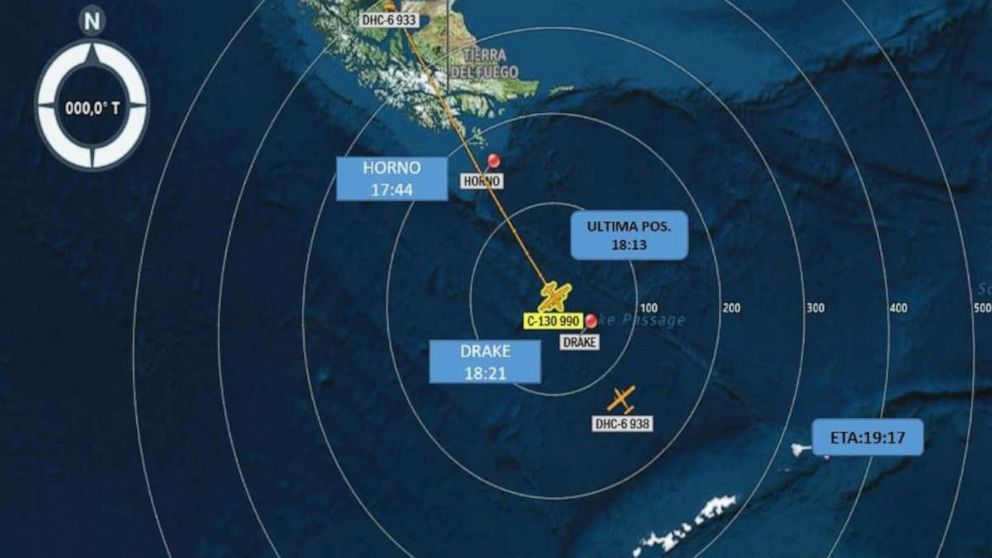
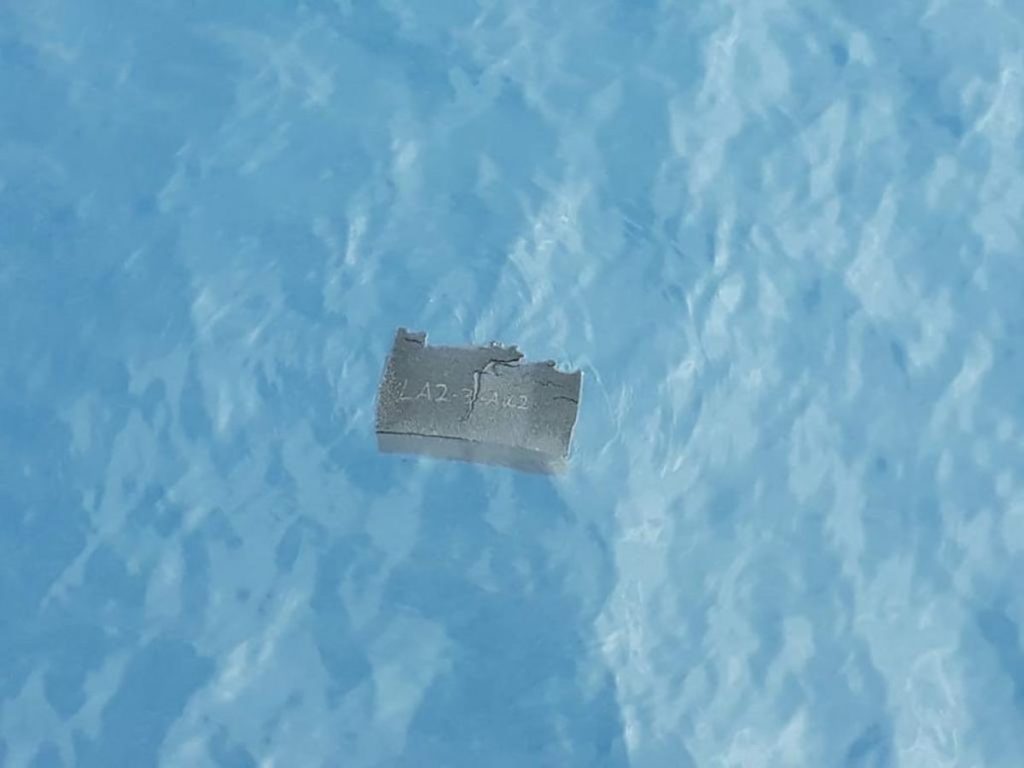
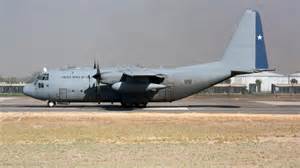
As I was considering this assignment onboard the ship a Chilean C130 Hercules crashed twelve miles from the ship. We spent the next 24 hours searching the sea in 60 mph wind and 5 metre waves in the pitch black of night and gloom of the Drake. We saw a light flash 4 times over a couple of minutes. 38 souls were lost in an instant. After the Chilean navy had taken over the search it seemed to fit into all my thoughts and research I had completed for this assignment.
Images showing detail of the disaster in the Drake Passage.
In my work I want show the space of the sea and how it becomes a place to the birds that inhabit it. The different states of the sea will show its different moods. Combining the two will show it is indifferent to human efforts and the technology we use to go into this space. These animals fly all their lives and look to be most relaxed when the elements are at there most extreme. I want it to be a tribute to these 38 lost souls.
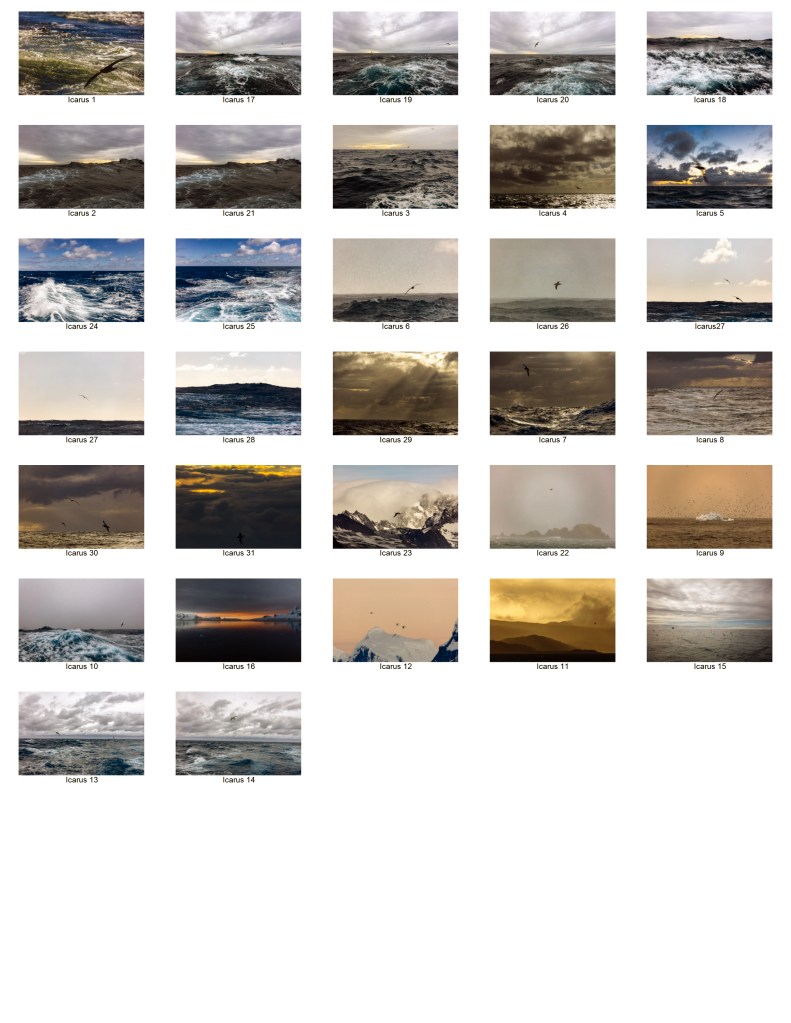
Below is my contact sheet of 30 exposures from which I chose 12 in tribute to these 38 lost souls.
Contact sheet for Icarus.
Bibliography
(1)Turner, JMW, and John William Turner. The Fighting Temeraire. National Gallery, London.
(2)Gericault, Theodore. The Raft of the Medusa. The Louvre, Paris.
(3)Elder, Peter Breugel The. Landscape with the fall of Icarus. Royal Museum of Fine Arts, Brussels.
(4)Berger, John. Ways of seeing. London: Penguin, 1972.


 Michael Green Landscape Studies