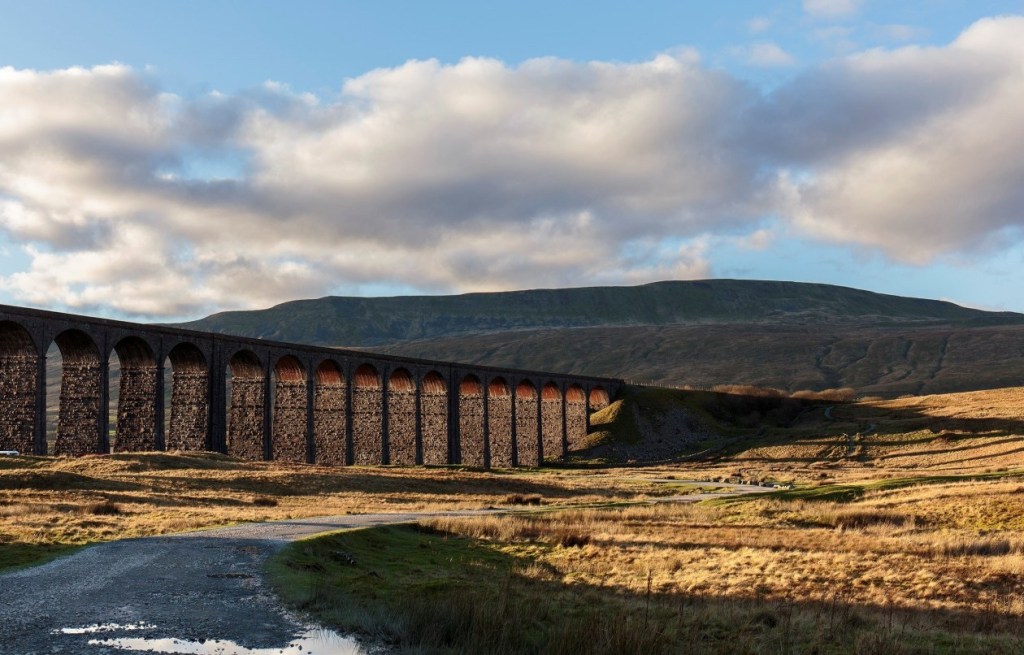
I was introduced to the landscape at the age of about eleven when I completed the Yorkshire Three Peaks walk. These three hills felt like Everest to me at this time.
Whernside.
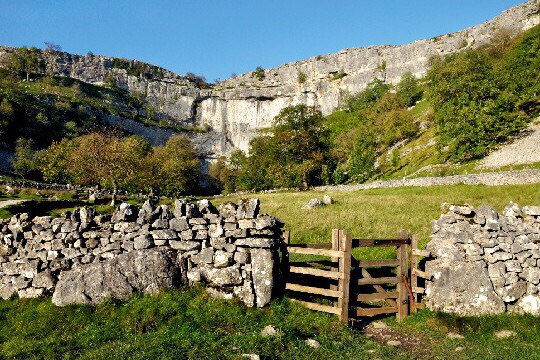
I went on to complete Duke of Edinburgh Bronze and Silver and had to complete proper hikes in both these awards. Navigating from Malham to Threshfield was a great introduction to using a compass.
Malham
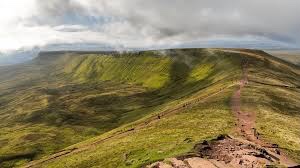
At Eighteen I joined the Navy and took part in the Ten Tor’s in Devon another real test. Then on to Four days survival training in the Brecon Beacons. Living from and with nature was a real test. I learnt so much about the landscape and myself through all of these experiences.
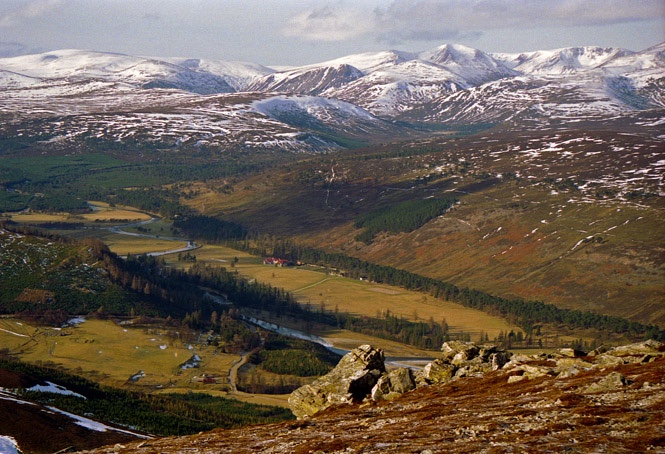
The Cairngorms
The Brecon Beacons
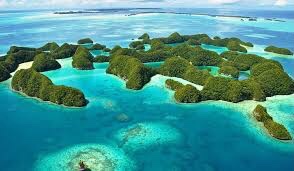
After leaving the navy I continued my diving and travelled all over the world pursuing diving. From the mountains of Scotland to the Rock Islands of Palau and countless landscapes and seascapes between I have seen some of this planets wonders. Note I say some.
Rock Islands Palau
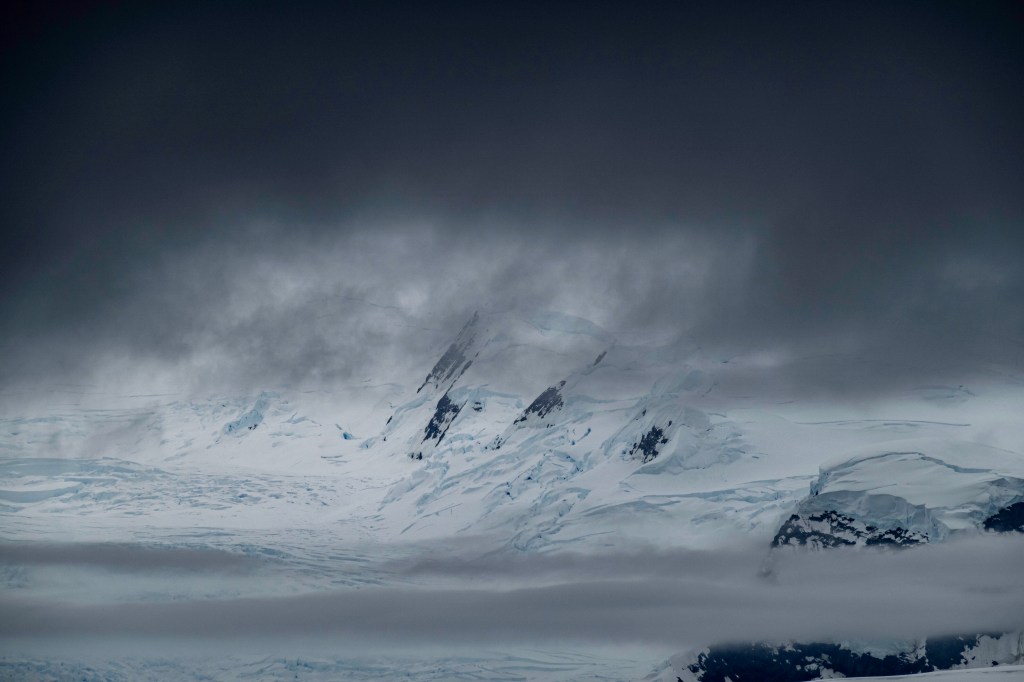
Recently I have been in Antarctica and the Arctic this takes me to the last wildernesses on our planet. These places have had a huge effect on my life, they are huge but oh so fragile.
Antarctica
I am no eco warrior but try to live my life to the best standards I can. Mending things rather than buying new. I walk to the shops instead of driving the car. I try to minimise the waste I produce to protect our fragile world.
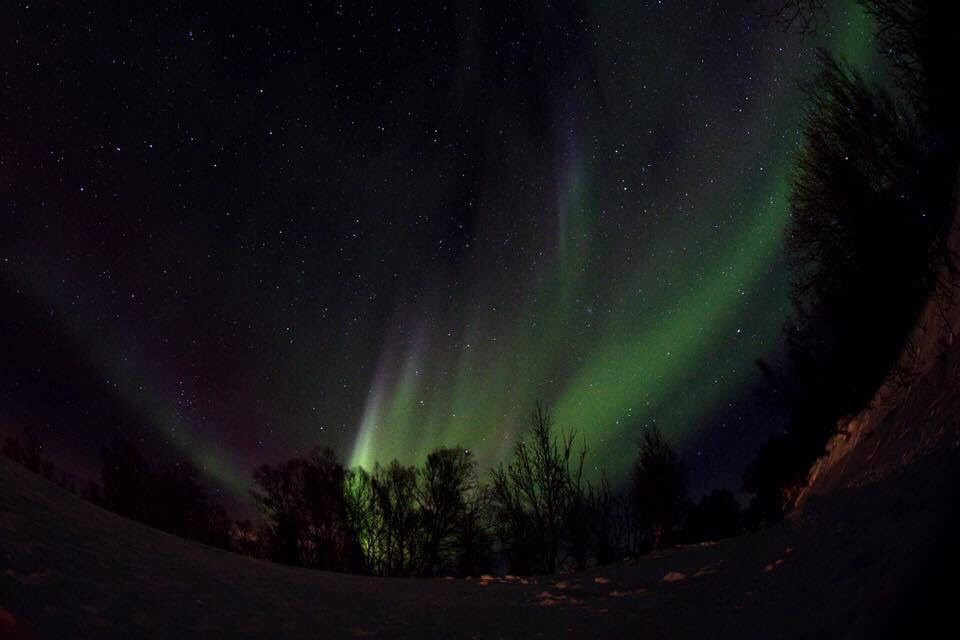
Northern lights.
Some of my best experiences have been sitting up, in my sleeping bag looking at a cloudless night sky. And watching the Northern lights in Norway and Greenland.
I am fascinated by the animals in these places but don’t want be a scientist. I just enjoy knowing they are out there.
The people I have met can teach us so much from the man in the jungle who knows which plant treats what, to the Micronesian sailors who use sticks to navigate the vast Pacific Ocean. I hate when good meaning westerners want to introduce air conditioning, Coca Cola and the internet they don’t need it……..in my opinion.
Landscape was a route to levels of emotion which were acceptable without being too nationalistic. These words sum up for me how we are in England fiercely proud without wanting to offend.
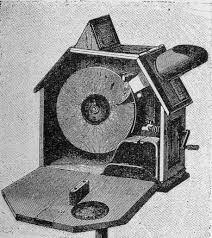
The Mutoscope imagined to look down on England’s history.
CFG Masteman wrote “looking down on England” in which he looks at landscape from the medieval jungle through the renaissance to the black blots of the industrial revolution. He uses a clever vehicle “the Mutoscope” for looking down on the landscape to see the changes in historic periods like a sped up film.
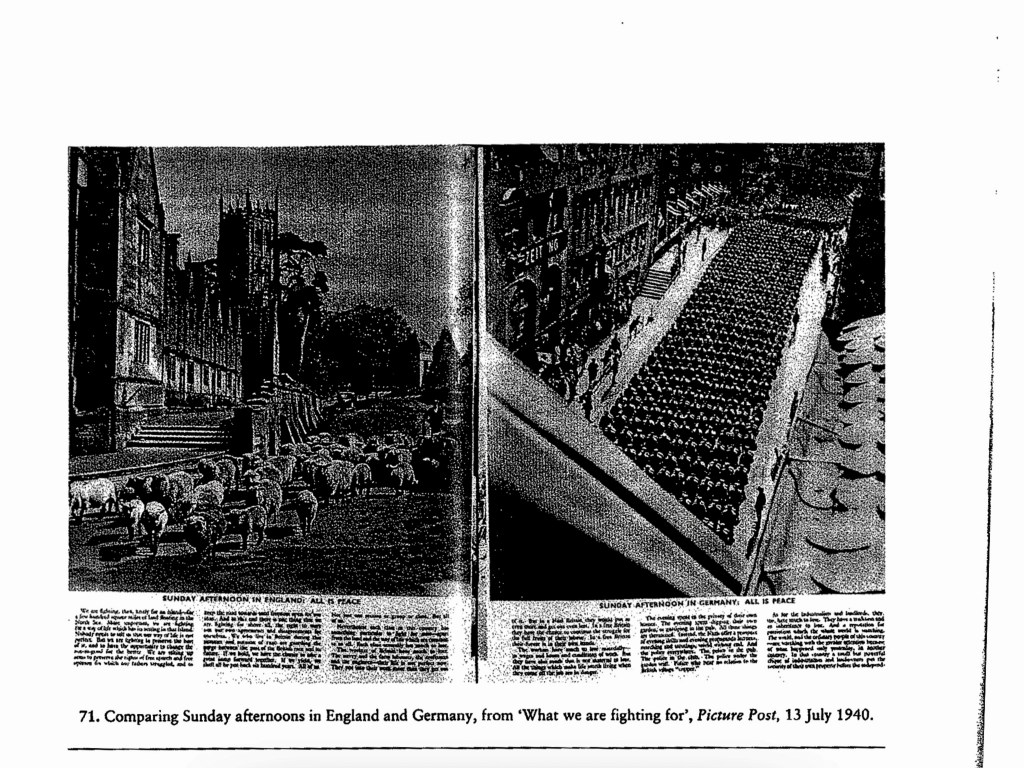
In 1940 the threat of invasion came from across the North Sea and Germany.
“Unconquered for a thousand years” is a phrase I find interesting as Germany talked about the Reich lasting a thousand years. We looked back they looked forward.
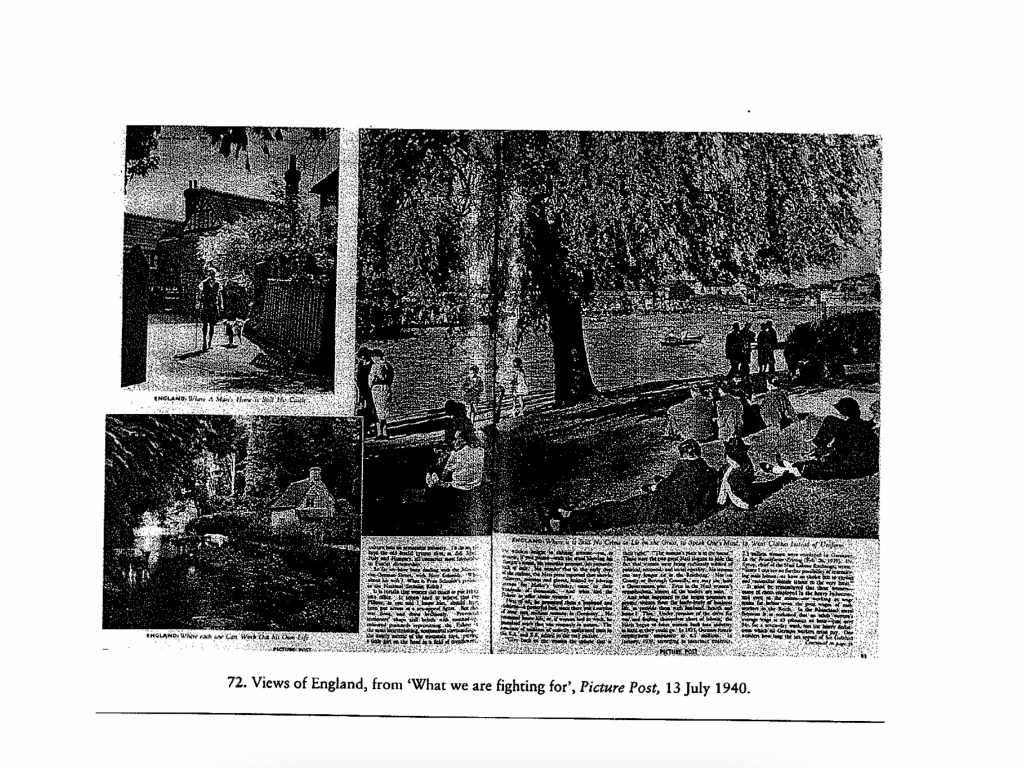
Patriotic propaganda talked about community in the village led by the Squire bringing people close to the past and nature. The inhabitants removed signposts and addresses from the scene to aid confusion to the enemy.
What are we fighting for.
The landscape became travelled through rather than enjoyed. Publishers such as the Pilgrim Library published books showing the idyll of previous landscape to remind people what they were were fighting for.
Picture Post juxtaposed photos showing a boy playing cricket in one then a young German boy in Hitler Youth uniform. Democracy against Militarianism. Another shows a half timbered cottage with the caption “England: Where a mans home becomes his castle”, all hint at what is being fought for.
What are we fighting for?
Civilians being bombed were shown with upturned faces showing their bravery and hinting at a brighter future once the turmoil had been endured.
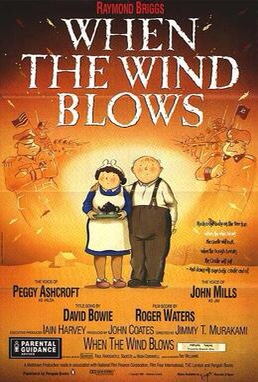
Completing this made me think of the illustrated book by Raymond Briggs called “When the wind blows”. The same emotions were used to show how a nuclear attack would effect our grandparents who were from a simpler time. This made me want to absolutely defend them.
Below is my email to my tutor to announce my plan for my critical review. I will now start to work on this review for publication in April 2020.
Hi David I hope you are well and had a good break at Christmas and the New Year. I am now ready to leave for my part 2 of my epic trip down South this time I am Assistant Expedition Leader to South Georgia, Falklands and Antarctic peninsular. You obviously didnt have time to respond to my Assignment 3 but not to worry I will be taking all the stuff i need to continue with part four. My critical review will be on Dorothea Langes photo “Towards Los Angeles”, I will be able to see this on my trip to Route 66 in October. However my work will be with you in April when I return. I will get email from time to time so would be grateful to read your thoughts on the work I have completed recently. I also reran Assignment 2 taking your suggestions in to my work. Thanks for your help and guidance. Yours sincerely Michael Green.515037 — My Websites for my Blogs are: https://michaelgreenoca.wordpress.com https://michaelgreenidentityandplace.wordpress.comhttps://michaelgreencandn.wordpress.comhttp://michaelgreenlevel2landscapeblog.photo.blog
David Bates essay (Bates, 2010) “The memory of photography” discusses lots of different aspects of memory aides from the written word on a notepad to the way we use technology to help us store memories. We tend to mimic our body parts to enhance our bodys functions, we mimic the eye with glasses or cameras and our ears with ear trumpets and hearing aids. Recent technology that allows us to store the vast numbers of images are hard disks and memory chips which mimic part of our brains function.
He catogorizes this in two way Natural Memory the brains natural capacity to remember and artificial memory any device developed to aide our memory.
This could be a page in a notepad about which he says “In that case the surface upon which the note is preserved the pocket-book or sheet of paper, is as it were a materialized portion of my mnemic apparatus, which I otherwise carry about with me invisibly. I have only to bear in mind the place where this “memory” has been deposited and I can then “reproduce” it at any time I like, with the certainty that it will have remained unaltered and so have escaped the possible distortions to which it might have been subjected in my actual memory.” (Freud, 1925).
Throughout the essay he references Freud and his ideas around childhood memories effecting us throughout our lives. But he starts with Freuds ideas around the way humans try to improve on their body parts saying (Freud, 1925) “With every tool man [sic] is perfecting his own organs”. Using motors to enhance muscles lenses to improve sight and hearing devices to analyse sounds differently.
Talking about the cultures that employ photography Freud wonders how using these memory aides will effect our Phsychy “
Derida wonders if our internal memory (Brain) will be short circuited by all the new technology. (4)”Because of the upheavals in progress affected the very structures of the psychic apparatus, for example in their spatial architecture and in their economy of speed, in their spacing and of temporalization, it would be a question no longer of simple continuous progress in representation, in the representative value of the model, but rather of an entirely different logic.”
Once we create these technologies and begin to store images on them then a new problem arises. Just putting images on a hard drive creates an archive it is then up to us how organised this archive becomes. How do we organize? It has always been the most difficult part of photography for me. Derrida wonders (Derrida, 1995) “If these external sources are matched by the inside memory” or how we can make the two match in the future.
When we archive things we create Libraries, Museums and Galleries this creates a new issue. We must be careful how and what we show or we will influence our viewers thoughts.
Le Goff argues (Le Goff, 1992)Commemoration finds new means: coins, medals, postage stamps multiply. From about the middle of the nineteenth century, a new wave of statuary, a new civilization of inscriptions (monuments, street signs, commemorative plaques on the houses of famous people) floods Europe.
He then thinks about our family albums and says “The portrait gallery has become democratic, and each family has in the person of its head, its official portrait-maker. To photograph one’s children is to make oneself the historiographer of their childhood, and to create for them, as a sort of inheritance, the image of what they have been . . .
We can apply this thought to all manner of photography be it public, state, scientific or from any social group. We are creating archives of what has been then deciding how it is shown and therefore remembered.
Bates then discusses Mnemic memories and looks at one photo imparticular this photo is by Fox Talbot and is of Trafalgar Square being constructed Bates states it appears in a book he remembers called (Talbot, 1844) “The Pencil of Nature”. He chose it as it shows Le Goffs principle of memorializing people and incidents and the photograph itself being a memory device. He links it to a childhood memory of living in Portsmouth and visiting Nelsons flagship victory. It is interesting to learn later that the photograph doesn’t appear in the book at all.
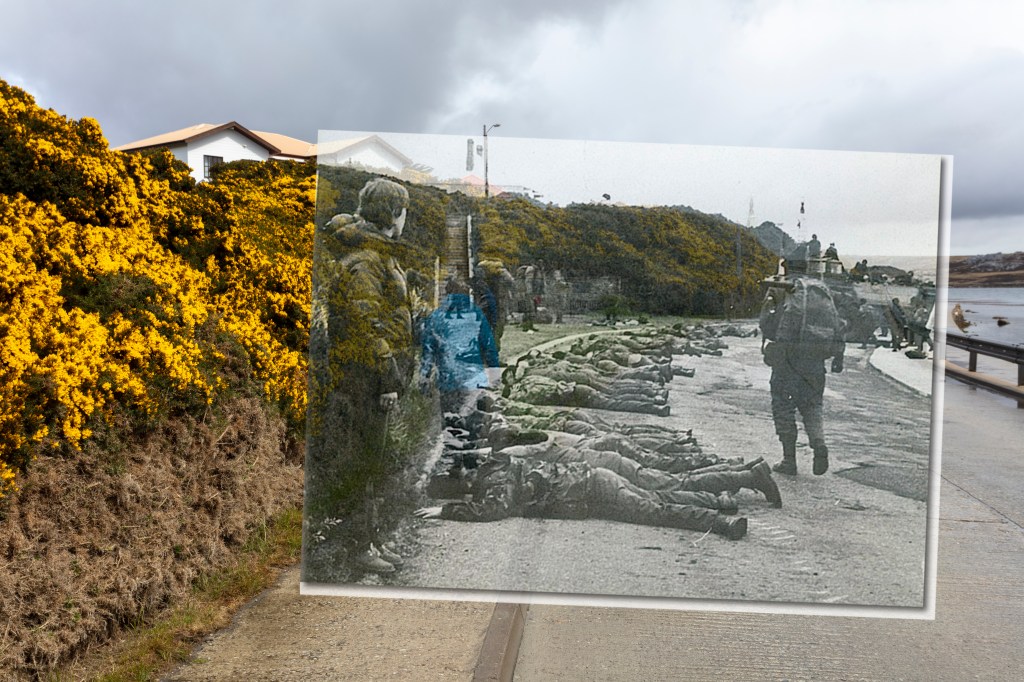
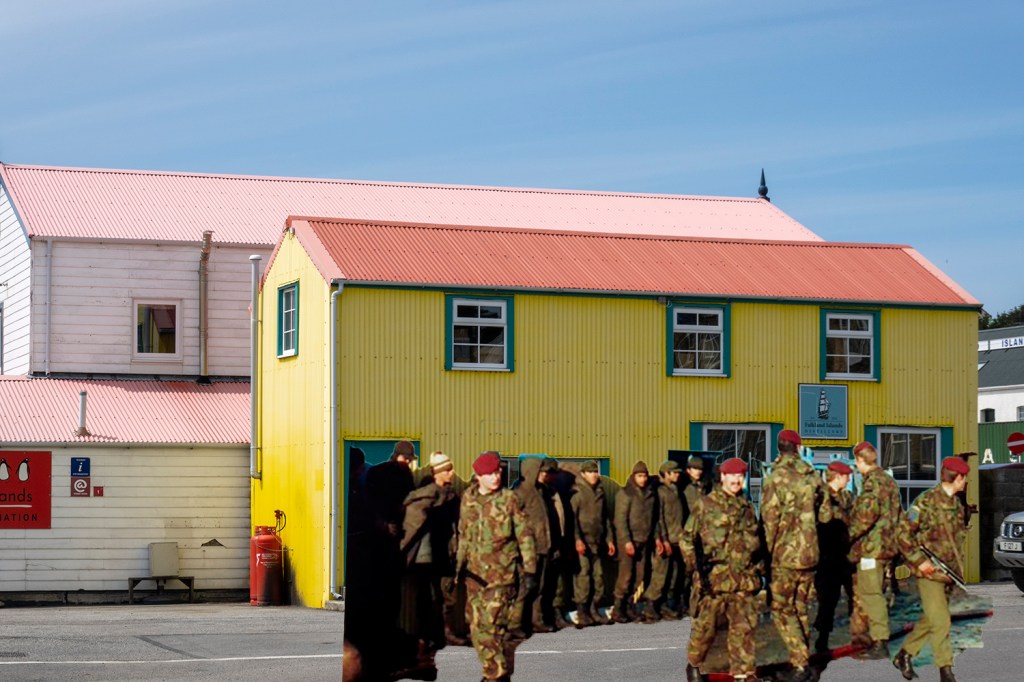
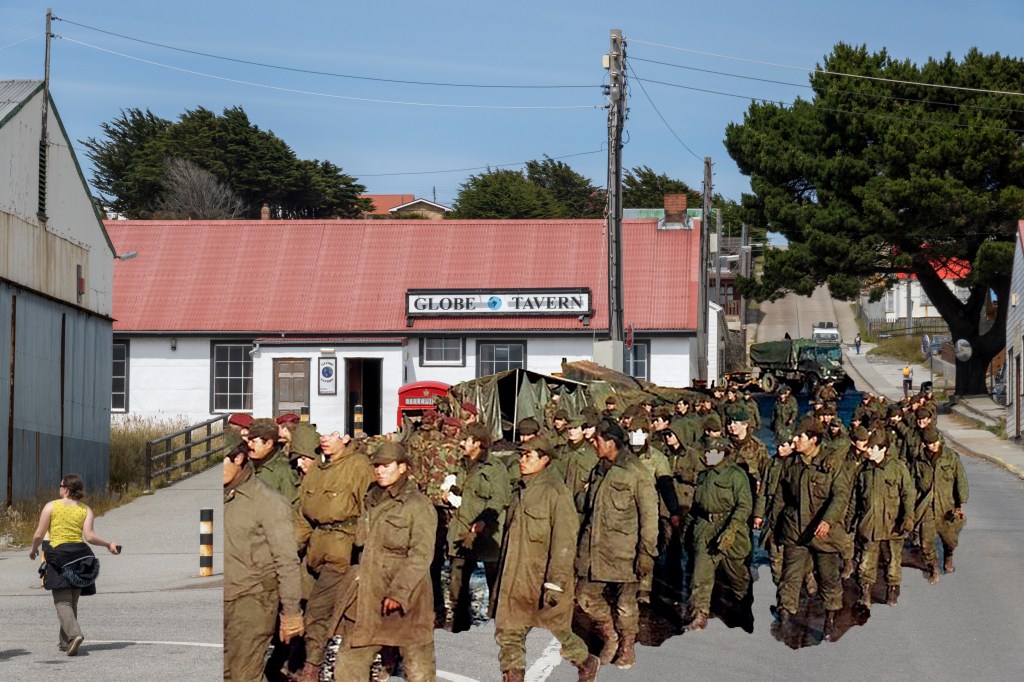
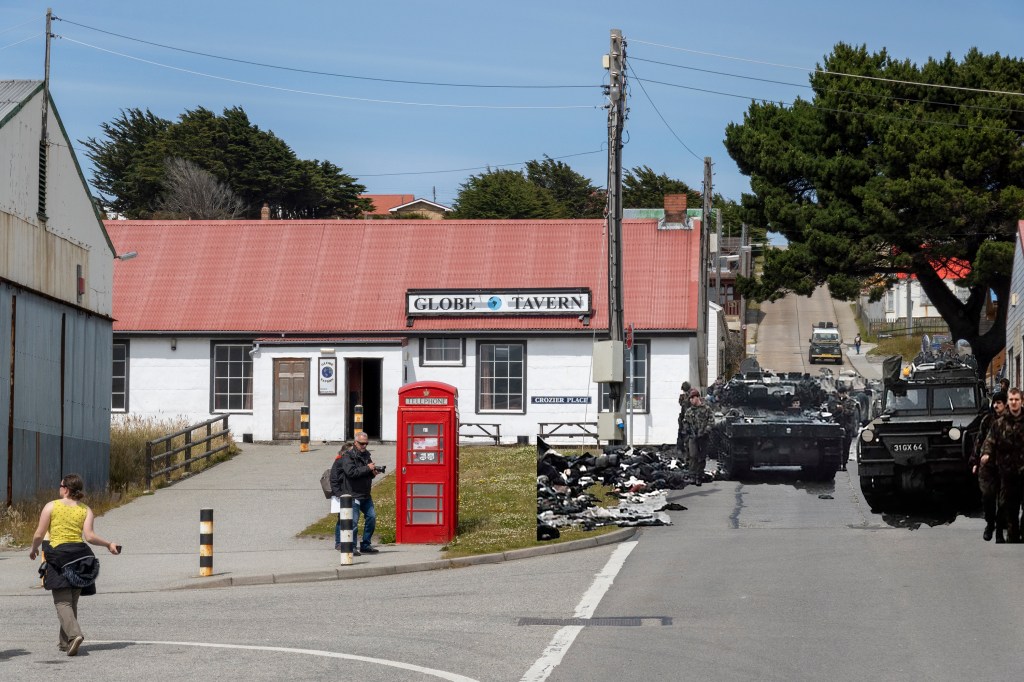
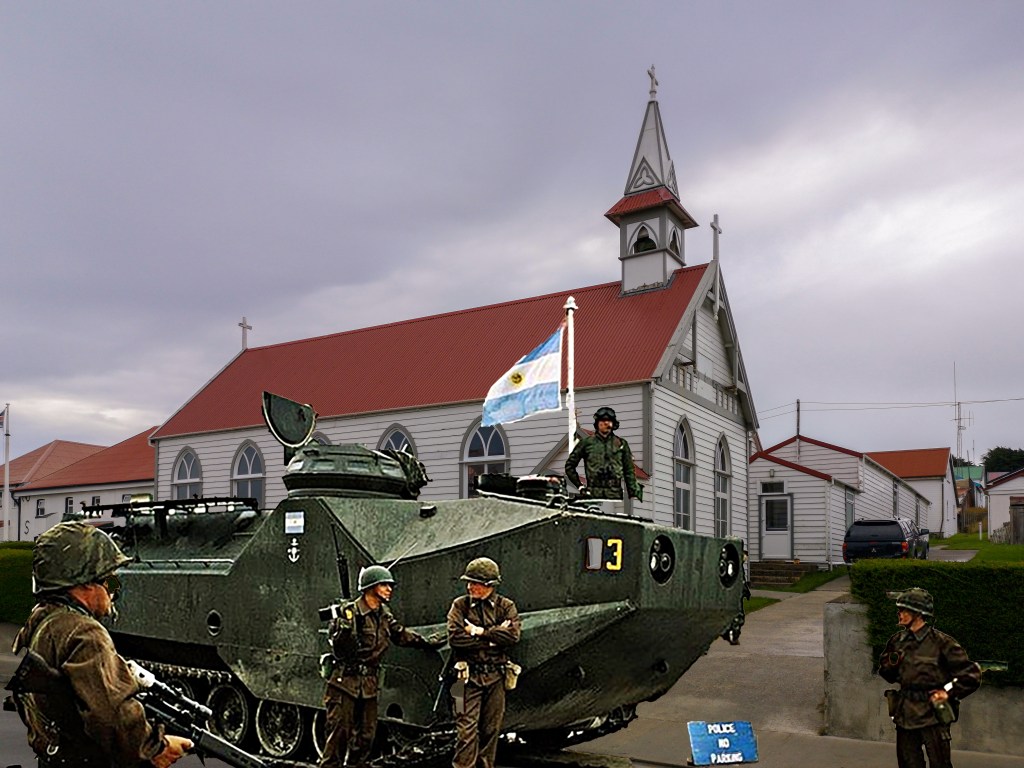
On my recent visit to Port Stanley I walked to the memorial for the naval battle in world war one. I remembered it from my time there in 1982. As I walked along I had a memory of a photo of the marines lying on the ground having surrendered. I took a snapshot and was amazed to find how accurately my mind had positioned the shot not seen for thirty years. My memory knew I was in the right place.
On a subsequent visit the Gorse had been on fire and whilst destroying part of the house just visible the greatest danger was from exploding ordinance left by an Argentinian anti aircraft gun where the gorse now grows. Once more man makes a mess and doesn’t cleanup after they have finished.
Marines laid in the road in Port Stanley a photo from memory.Para troopers guard Argentinian prisoners outside the Gin Shop (2020)Prisoners march past the Globe Tavern (2002)Globe Hotel with tanks and debri of war (2020).Armoured car parked in front of church 1982 photo on 2020 revisit.
Works Cited.
Bates, David. “The memory of photography.” Photographies 3:2, 2010: 243-257,.
Derida, Jaques. Archive Fever A Freudian Impression. Chicago and London: Chicago and London Press, 1995.
Freud, Siegmund. “The Mystic Writing Pad.” 1925: 429.
Goff, Jaques Le. History and Memory. London: Oxford, 1992.
Talbot, William Fox. The Pencil of Nature. London: Longman, Brown, Green and Longmans, 1844..
When we moved to our new home three years ago we wanted to find a local Public House to have a meal. We found the Black Lane Ends on trip advisor which had just changed its name from The Hare and hounds.
When I looked online for hostelries in our area I noticed mention of a murder at the pub, I decided to do some research to find out about the story.
In 1862 Betty Moore left her husband Walker and moved into the pub to work for her cousin. After six weeks Walker went to the pub to plead with her to return home when she didn’t he slit her throat and she bled to death yards from where I ate a meal.
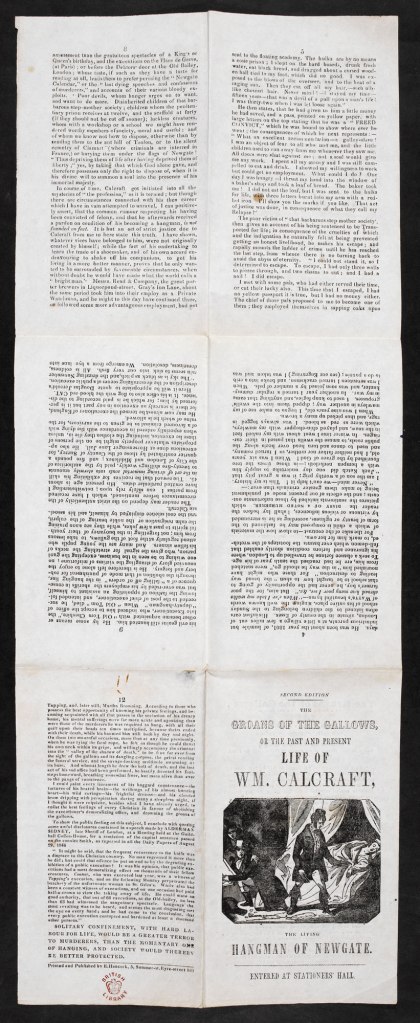
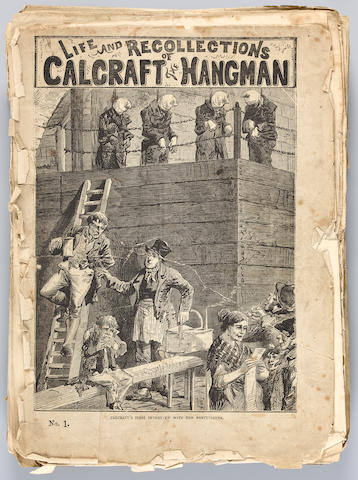
Walker was sentenced to death and his executioner was to be one William Calcraft who used the “Short Drop” method of execution. This meant minutes of agony strangling to death.
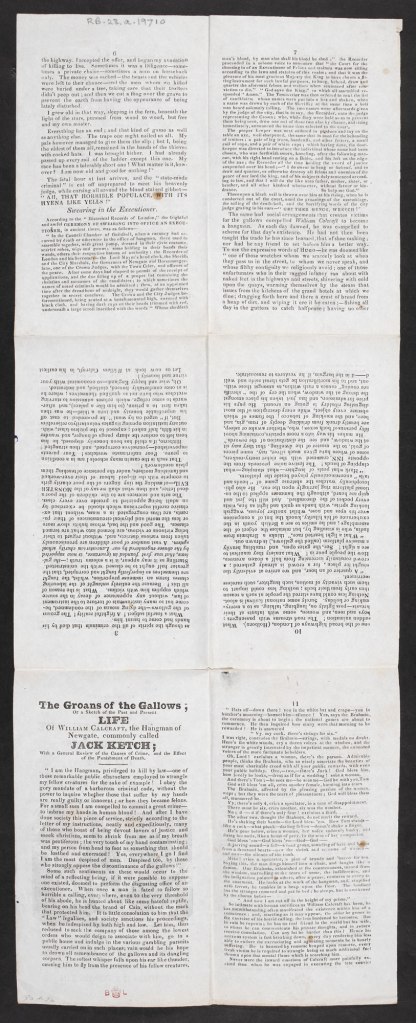
Calcrafts Journal. (1875).
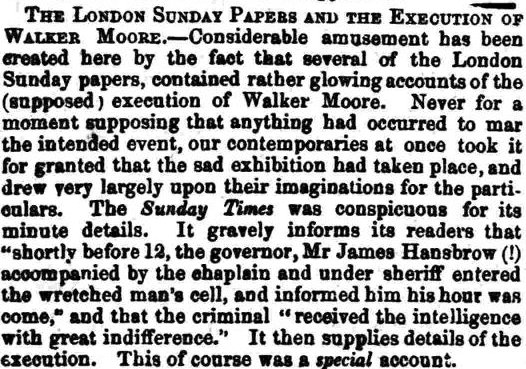
On August 30th 1863 the sentence was carried out but the rope snapped so Moore was returned to his cell. He requested a visit to the toilet where he drowned himself in the cistern.
So robbing the public of the spectacle of a public hanging, which Calcraft would prolong to give a better spectacle. Even riding the backs of the dying to finish them off.
Charles Dickens was instrumental in having public hangings abolished on the strength of these performances.
My research went from internet where I found out the story, to Colne Library where I read newspaper accounts. Then Calcraft`s journal led me to Charles Dickens who attended several of his executions. These were confirmed at the British Library.
I think a photo project of the details still in the landscape would support the story well. They would fit still today as our government talks of stronger sentences for those found guilty of violent crimes.
Work Cited
advisor, Trip. 2013. (accessed 2015).
Dickens, Charles. Barnaby Rudge. London: Museum of Published Literature, 1859..
Library, British. “Journal of William Calvert.” 1875
Library, Colne. “Newspaper Archive.” Colne Herald. Colne, August 13, 1863
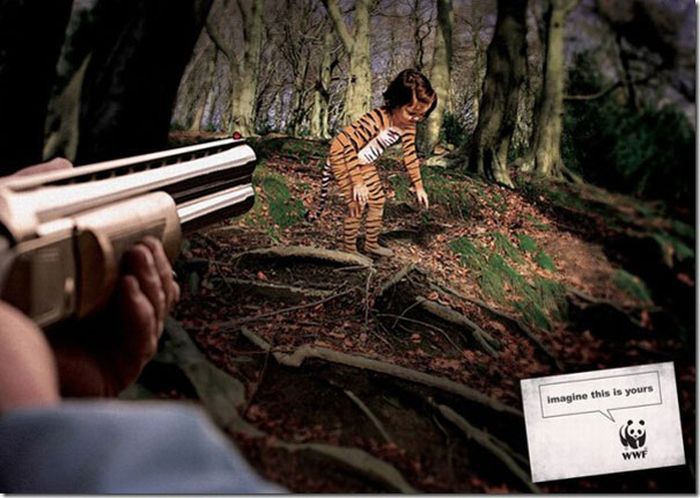
I have admired the World Wildlife Fund (2020) in the last few years for its subtle intelligent advertising. Which both informs and gets us to question our behaviours. The photo shown below makes you go cold, with a gun pointing at a child. However some people are prepared to pay large sums of money to shoot the offspring of animals. This must be questioned! Imagine this is yours, is four words that get you to really search your soul.
World Wildlife Fund. Imagin this is yours Ad campaign (2020).
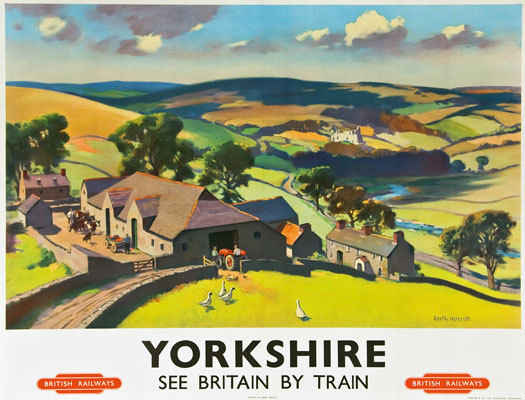
A more subtle use of landscape was used by the national railway to encourage us to travel by train to parts of our country. It shows the perfect ideal of an English country scene. The one the soldiers were sold to protect during two world wars. All open spaces and rolling hills with clean farmers working the land. Again four words “See Britain by Train” clearly states what they want you to do the poster shows you what awaits.
Yorkshire advert from British Railways. (Russell).
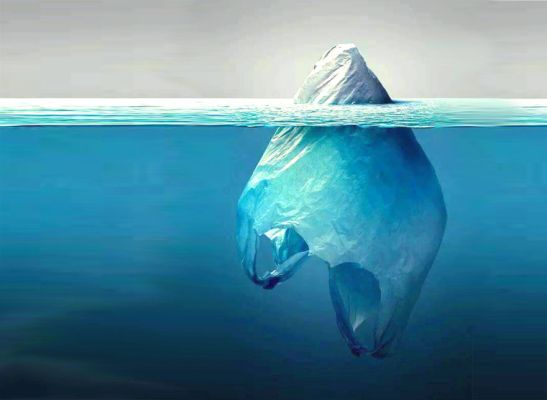
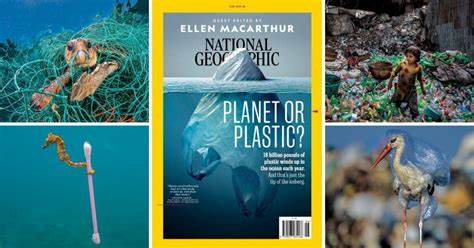
My third choice is a clever mock up using a white carrier bag. It looks like an under/over shot of an iceberg, on second look it is a carrier bag in the sea. This picture is clever as it employs the correct proportions in showing us the ice. It was used to great effect by the National Geographic along with the title “Planet or Plastic”, this title states we have a choice. The article gave evidence to help us choose planet.
Carrier bag as iceberg used by National Geographic Magazine
National Geographic magazine cover. (Natioanal Geographic Magazine).
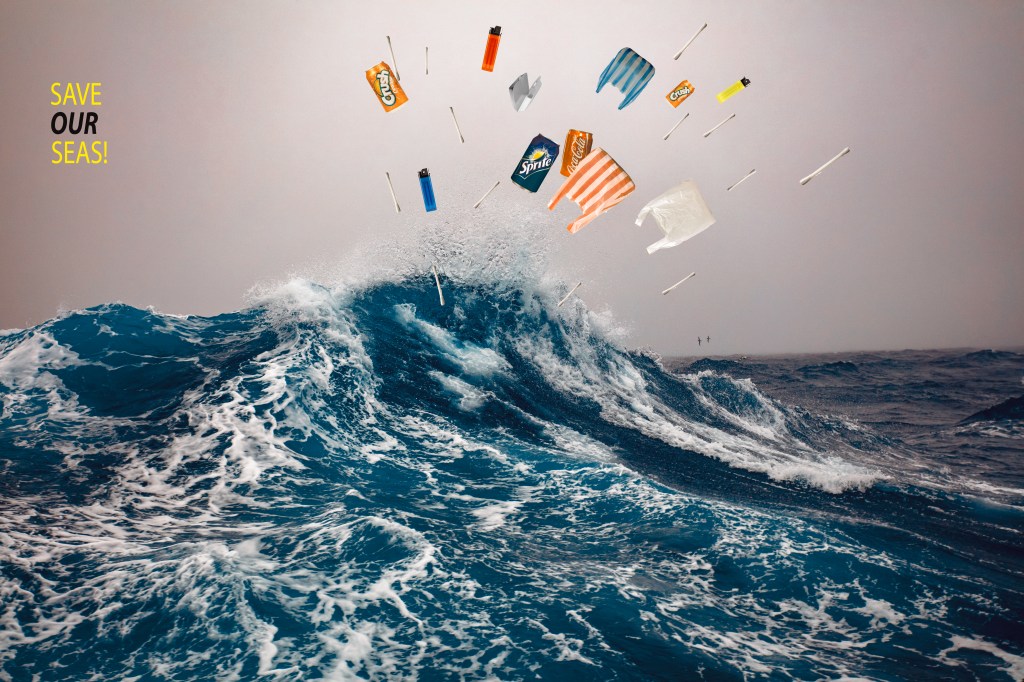
In my picture I want to get the message over about the plastic we discard into the sea. I took a photo of the sea in the style of Hokusai a Japanese painter who painted landscapes of Mount Fuji with seascapes. I will add plastic litter being thrown from the sea by the wave. My words will be like the adverts above, only three words, Save, Our Seas. This will be in black and yellow lettering and the capital letters will spell SOS. This is intentional as it is the recognized message for distress at sea.
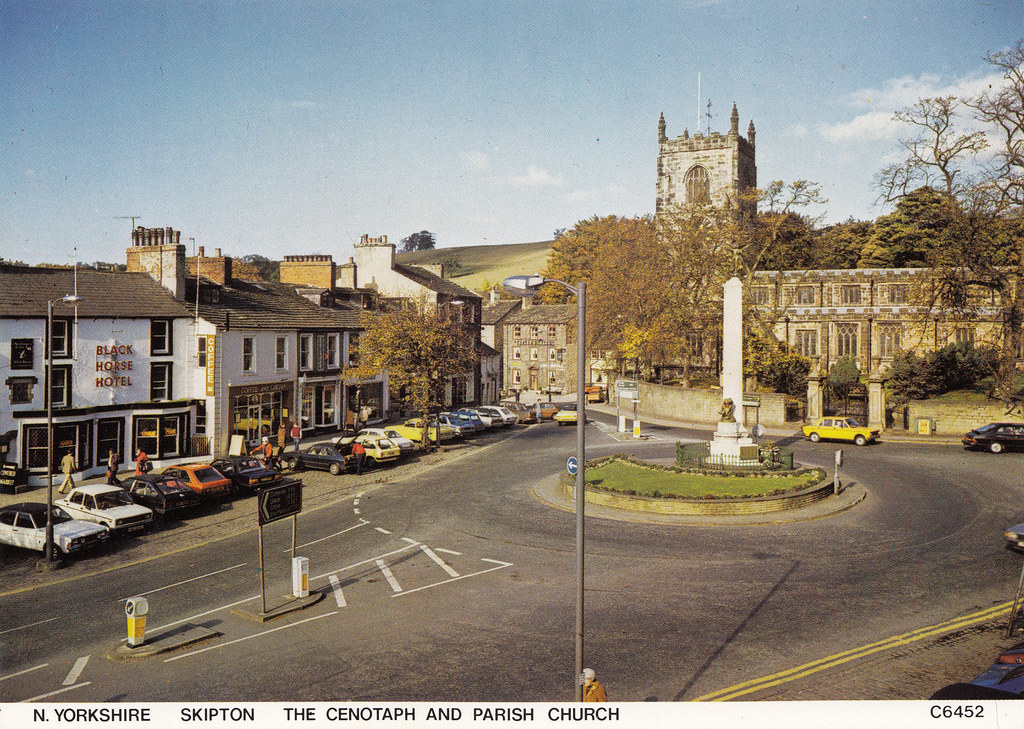
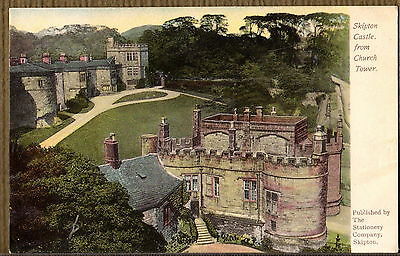
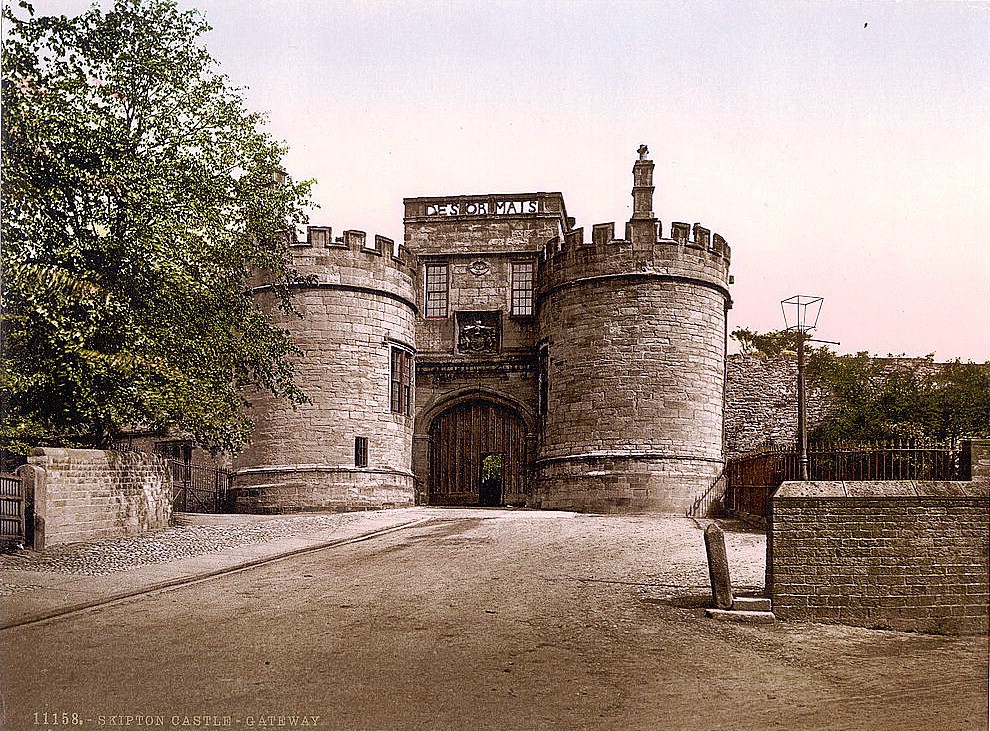
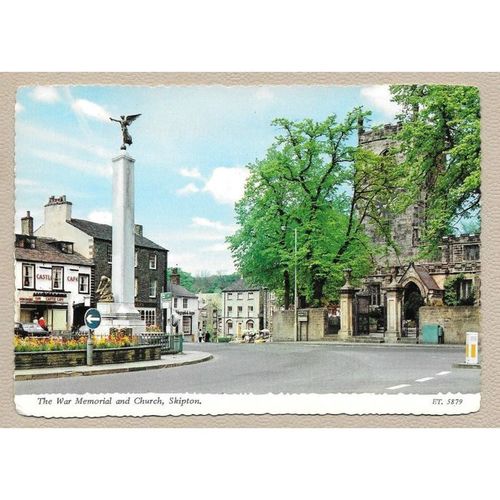
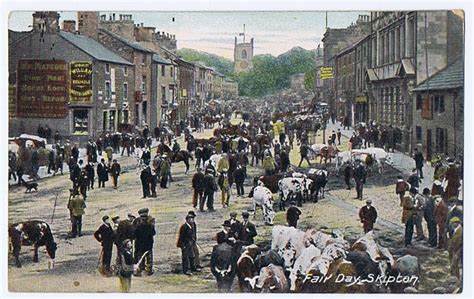
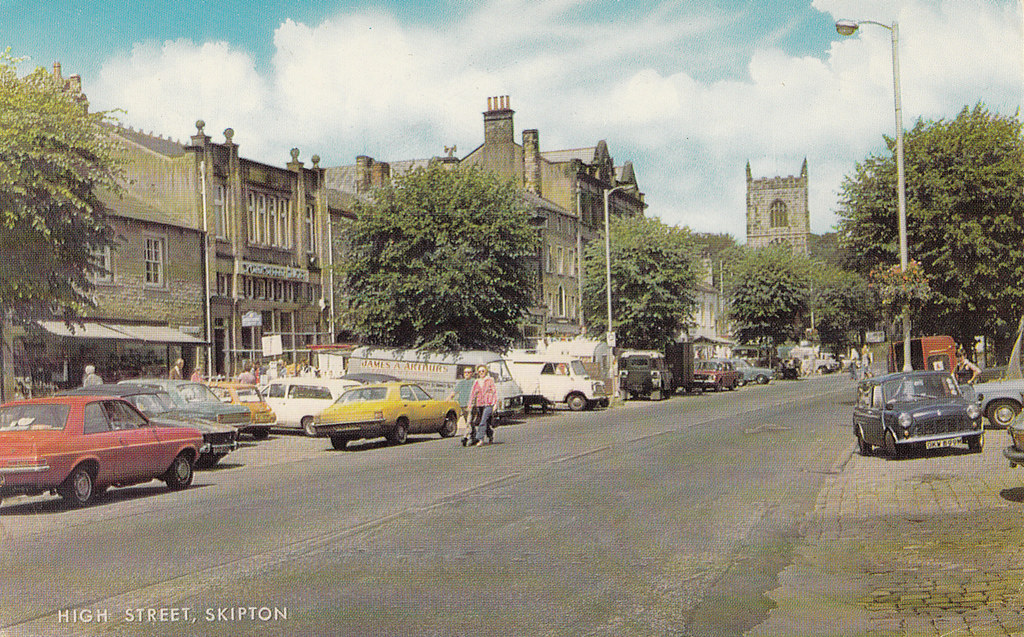
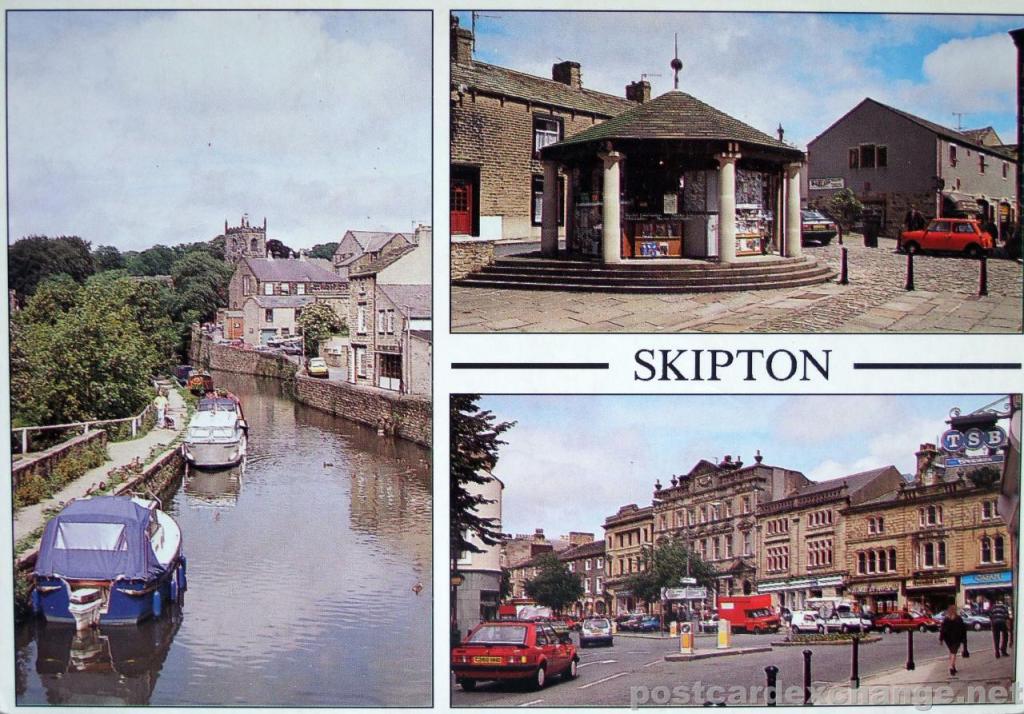
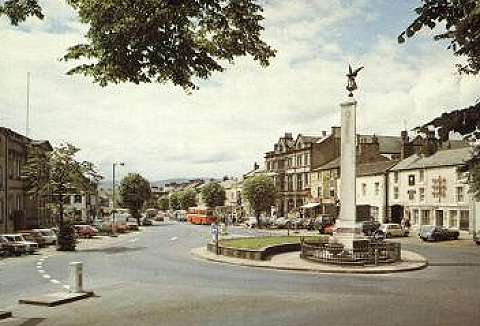
I have a personal collection of postcards from places I have visited but chose to complete an internet search for postcards of the town I live in Skipton. I did this so I could make an evaluation of what is shown of an ordinary northern market town and then think about my experience of living in it.
Postcards of Skipton.
They all show celebrated places within the town, places that draw visitors in to the town to enjoy a visit. Be it the Parish Church, the War memorial, Canal, Castle or the High Street.
The majority show the streets empty or nearly empty of both people and traffic. Some show a few people going about normal business. These people are well dressed prosperous but small within the frame, the main thing is to show a cohesive space being well used.
The one that is different is the postcard showing fair day in Skipton High Street. It is a coloured/painted photo of a scene full of people enjoying a fair. Livestock is on offer and people again well dressed are buying the livestock or at least judging it. This card celebrates the cohesive nature of the society.
All show tree and plants in full bloom giving the impression of a leafy town full of bloom. They also show blue skies mottled with cumulus clouds. Some of these look manipulated.
My experience of the place is that it is like the postcards for a quarter of the year. The rest of the time it is a Northern market town with its share of terraced housing lining the hills. These are worthy of a postcard themselves. The Mills, Canal and Farm Market are working places that all produced pollution in the past but would be worthy of a collection of postcards to show the nature of our town. All have fine interesting people making their livelihoods these would make a superb study to show the soul of this place.
The postcards I found are attractive to the brief visitors who have visited fleetingly by coach for the day or passed through on their way to days walking in the day. They don’t show the soul of the place.
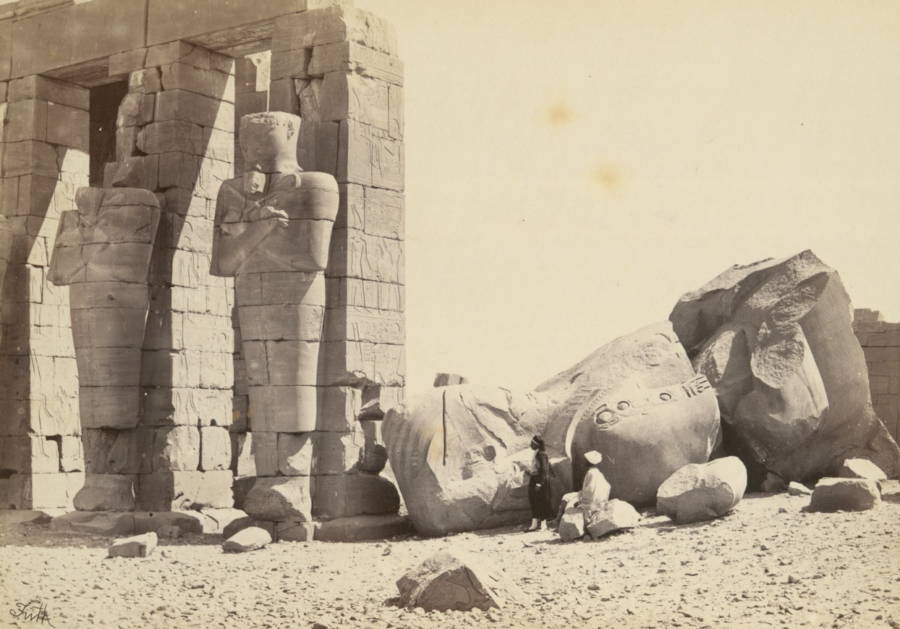
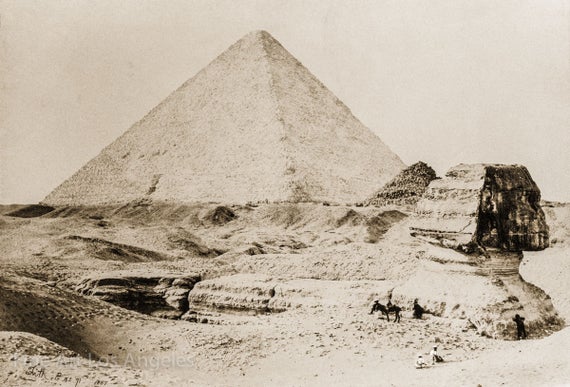
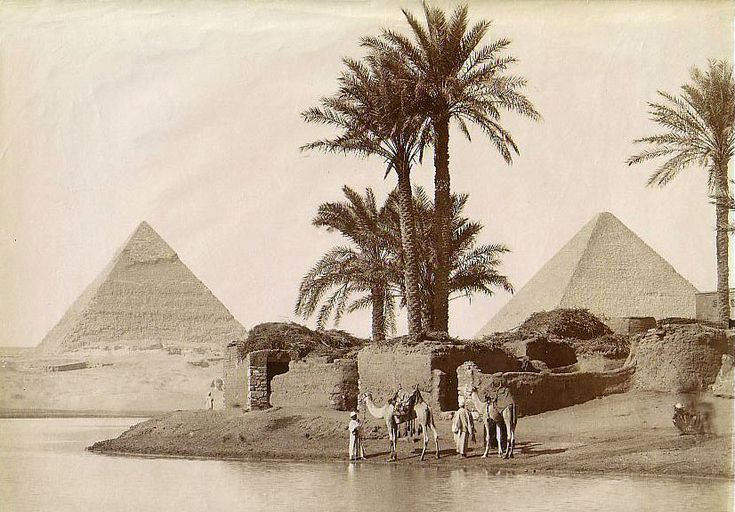
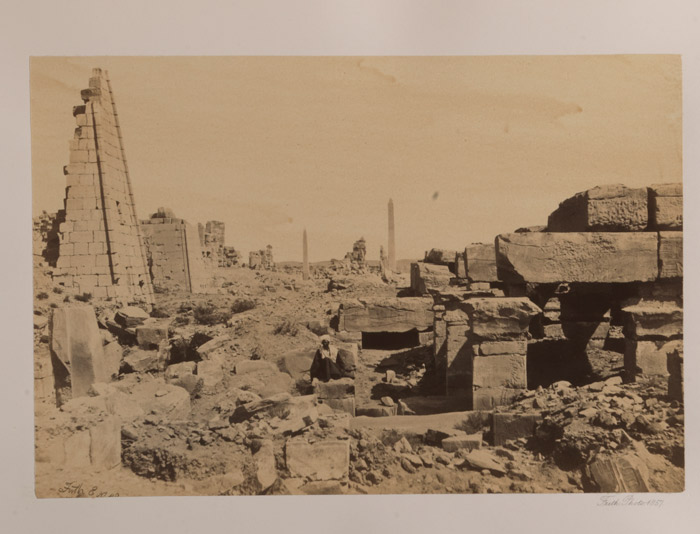
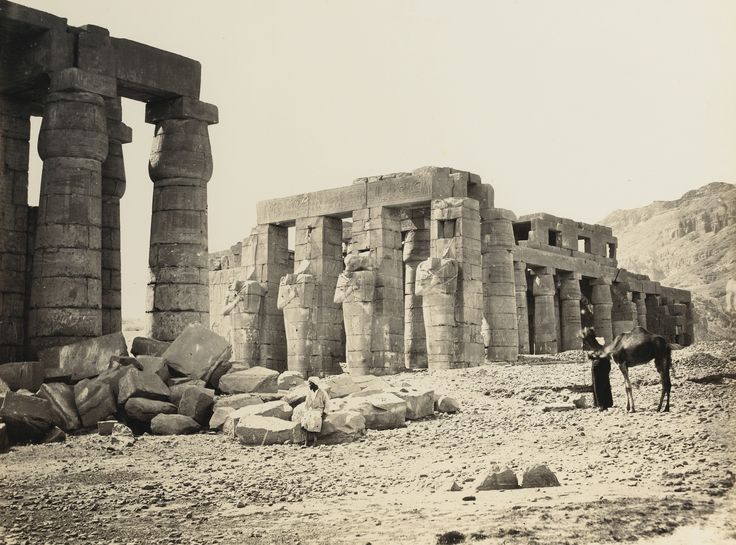
Graham Cross says of Friths postcards from Egypt “Francis Frith’s images of Egypt, for example, for all their concern with foreign lands, retain the perspective of an Englishman looking out over the land.”
This statement applies to the postcards Frith produced of Egypt. They follow a formula. All are shown from the perspective of a tourist an outsider. They celebrate the fact that you visited this place. They show it factually, as a record of what is there.
People are only used as a reference of scale. Like the postcards of Skipton they could have been made interesting if the photographer had got involved with the people and shown how they related to the shown objects.
All are like painting from the Grand Tour gentleman took to broaden their horizons. Taken from above or using perspective to draw the eye across the vista. All are good pictures but lack depth and only invite a fleeting glance. They could have been much improved if the recorder had got involved with the landscape and shown some of the details or the effect tourism had on it.
When I went to the Pyramids I thought the interesting scene was if you turned around to see Burger King and KFC. Certainly not how Frith wanted us to see the Pyramids.
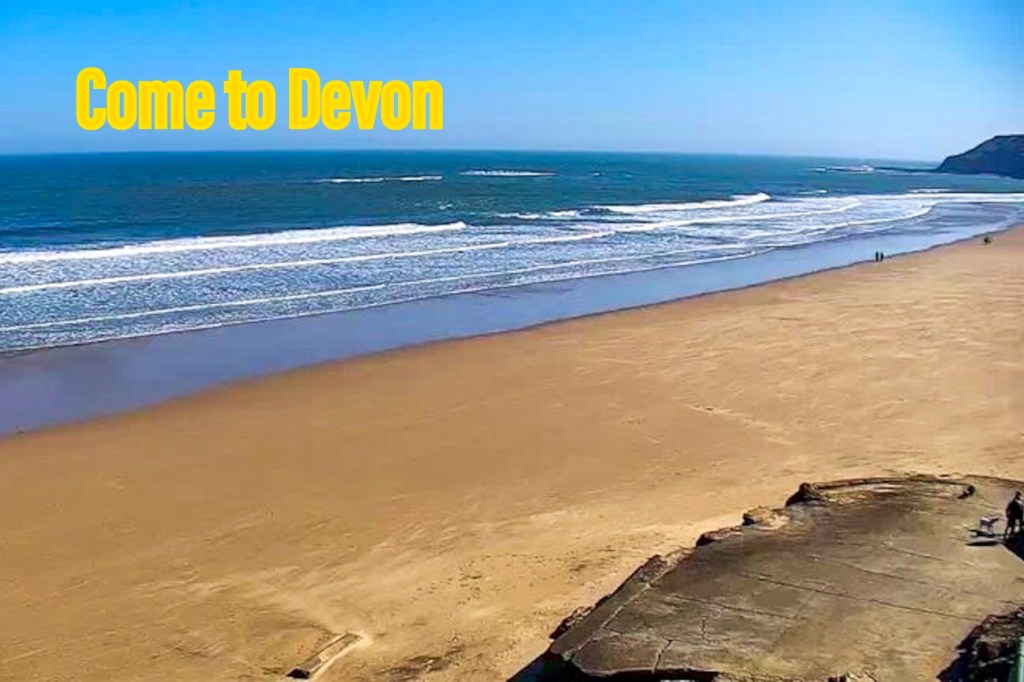
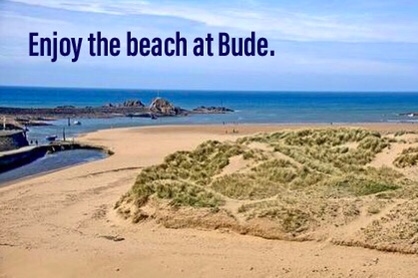
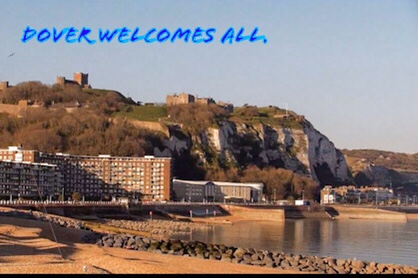
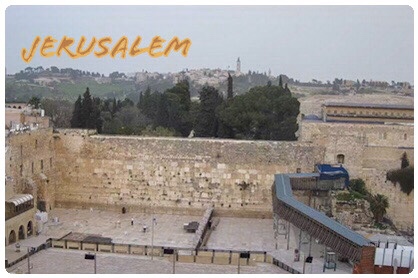
In 2020 we have been in a state of lockdown I looked at Whitby on a webcam the first Sunday of lockdown. Then I looked at other places around the world and every place was devoid of people, I had never seen any of these place like this. The captured photos reminded me of postcards. So I have tried to make the images into postcards.
When I think of a picturesque painting I see a calming scene one which shows gentle curves with smooth water or perhaps a gently running river. Trees will be somewhere in my picture but they will be in their prime unruffled in bloom. (1)John Constables Haywain is a perfect example of what I would have in mind.
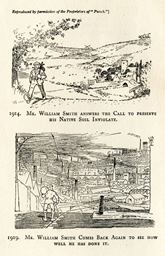
Having read (2)”Landscape and Englishness” by David Matless I realise that I have been pre-programmed to have these visions in my head. This vision of the picturesque was implanted in both the world wars to give the combatants something to strive to return to. The cartoon showing William Smith returning from the war is a great example of the kind of work used to get men to question this idea on their return from the war.
(3)William Smith returns from the war.
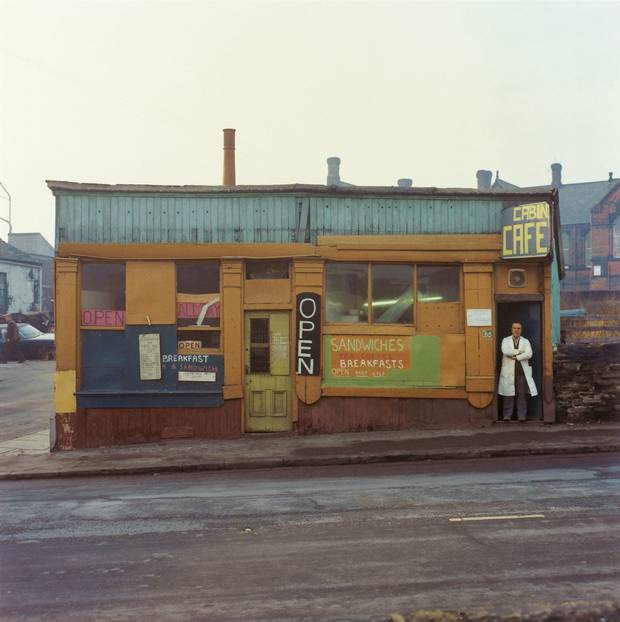
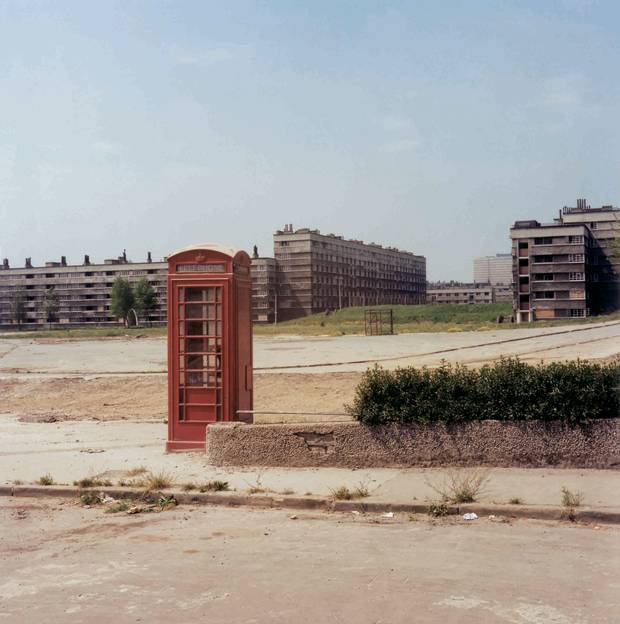
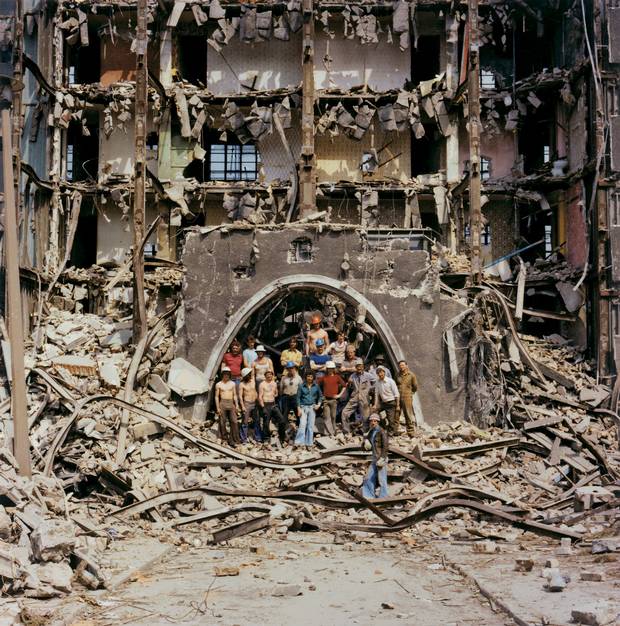
I don’t think about picturesque photos being of urban areas or god forbid industrial areas. But why not? they are part of our picturesque landscape. Artists have captured great images of both the urban and industrial areas of our cities. (4)Peter Mitchell traveled around my home town of Leeds and took photos of the change coming to the city. Recording the old and the new with a none judgemental eye. His work is an important document of the city and whilst not my initial idea of picturesque, it is stunning.
Sandwich shop in Leeds Phone box in East Leeds.Quarry Hill Flats being demolished.
All of these photos are challenging but are picturesque. I have focused on them because they are the opposite of what I would have thought of when I began this course.
They work so well because they are challenging like the face of an elderly person with all the wrinkles and lines. These lines make the portrait more interesting. Likewise the derelict nature of the sites photographed make them picturesque.
I will challenge my work going further into this course to show images which challenge whilst being great pictures.
Bibliography
(1)Constable, John. “The Haywain.” National Gallery. 1800. London, 1745.
(2)Ellis, William. “William Smith comes home from the war.” Punch Magazine. England and the Octopus. London, 1928.
(3)Matless, David. Landscape and Englishness. London: Beakton Books, 1998.
After reading the two short essays Wire and I am struck by the endless possibilities this approach offers. The two essays cover such topics as Cooling stations, Wind Turbines, Cold War buildings and wire fences. All linked by being on the edge of Society in one way or another. Services that we want to keep close enough to use but distant enough to be not seen. The second link I saw was barriers, razor wire and pointy fences.
The work around Greenham Common and the Hush House were interesting to me. Making me think of textile mills locally that are now unused.
If I walk a mile through my local area noting these types of things I get the list below.
1. Walls (Drystone).
2. Walls (Mortared).
3. Waste bins.
4. Derelict farms.
5. Ancient boundaries.
6. Old industrial sites.
7. Wire fences.
8. Wind turbines.
9. Litter Bins.
So spending 20 minutes wandering around looking has produced eight topics that could easily be projects and long term ones at that.
Reading of the sites that were edgelands in the time of writing some of the ones I know such as Tinshill cooling tower are now not on the edge they are part of the town. It could be interesting to find old edgelands within our towns.
Work Cited
(1) Wire Farley, P. and Roberts, M.S. (2011) Edgelands, Journeys into England’s True Wilderness.
(2) Power Farley, P. and Roberts, M.S. (2011) Edgelands, Journeys into England’s True Wilderness. London: Vintage Books
We have always appropriated other peoples work, I remember as a small boy cutting male and female figures out of comics and making our own version of “Fuzzy Felt”.
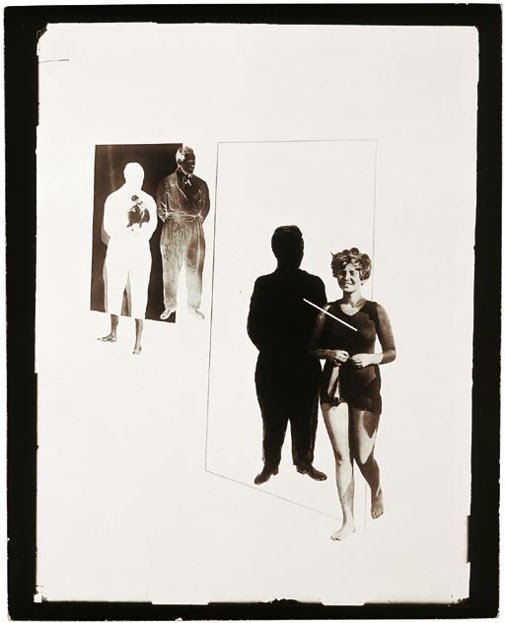
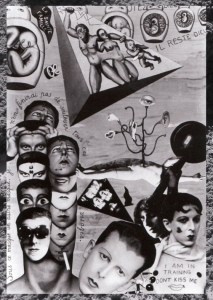
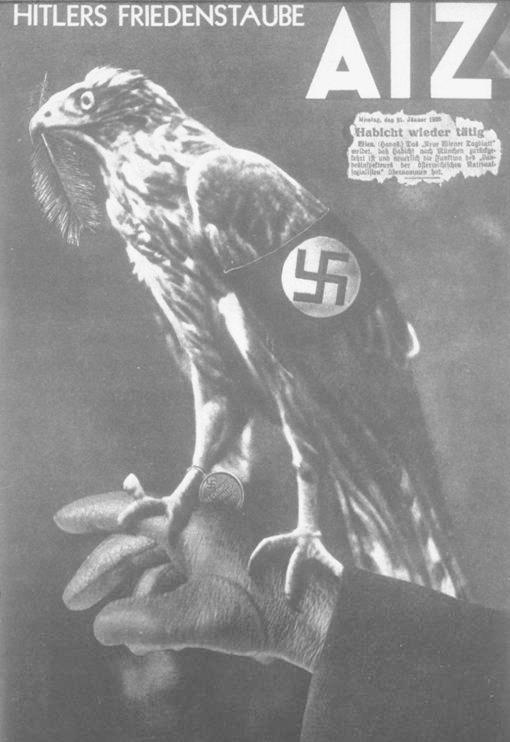
A more grown up version of this practise was created by Moholy-Nagy who cut out photos from magazines then joined them with lines and shapes to change their meaning to depict his political ideas. Some are humorous most attack the narrow thoughts of Weimar Germany. Man Ray did much the same with his work cutting out shapes and creating a surreal collage.
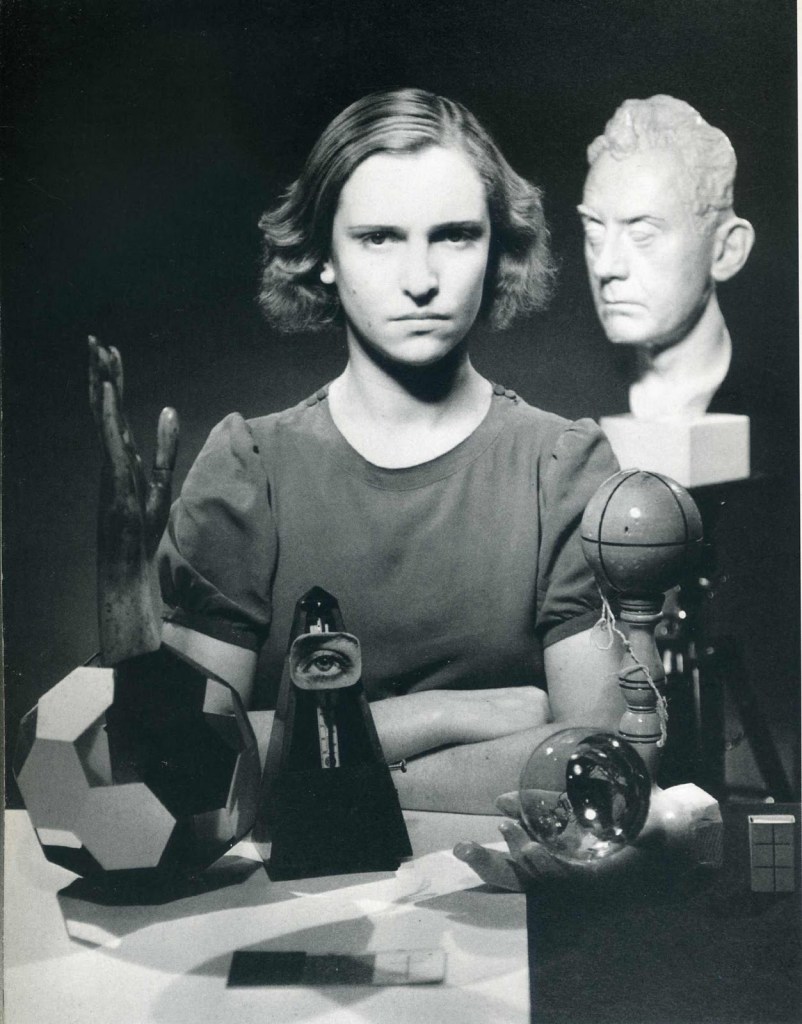
Claude Cahun used this kind of effect a lot however he placed himself into his pictures to get messages across to his audience. His work challenges but also pleases at the same time. His use of pictorial humour draws you in.
So seeing this it is no surprise to think of new ways to do the same. Michael Wolf must have spent hours finding his work for Hong Kong detail, looking for people doing interesting things is difficult in real life, online looking at Google maps must be nearly impossible. Wolf manages to show the big picture then gives you lots of detail fabulous work.
I would have no qualms about doing something similar as long as the end result was worthy of taking the work of others and using it.
Using others work and adding a touch of humour can be thought provoking, however it is vital that you make it clear you are do this in your work. Otherwise your audience will stop trusting you and your work. If you are honest they will accept the work and even admire it.
Imagine how Hitler felt when he saw Moholy-Nagy`s “Hitlers Dove of Peace” no wonder Hitler hated Dadaist work. It can be extremely powerful.
 Michael Green Landscape Studies